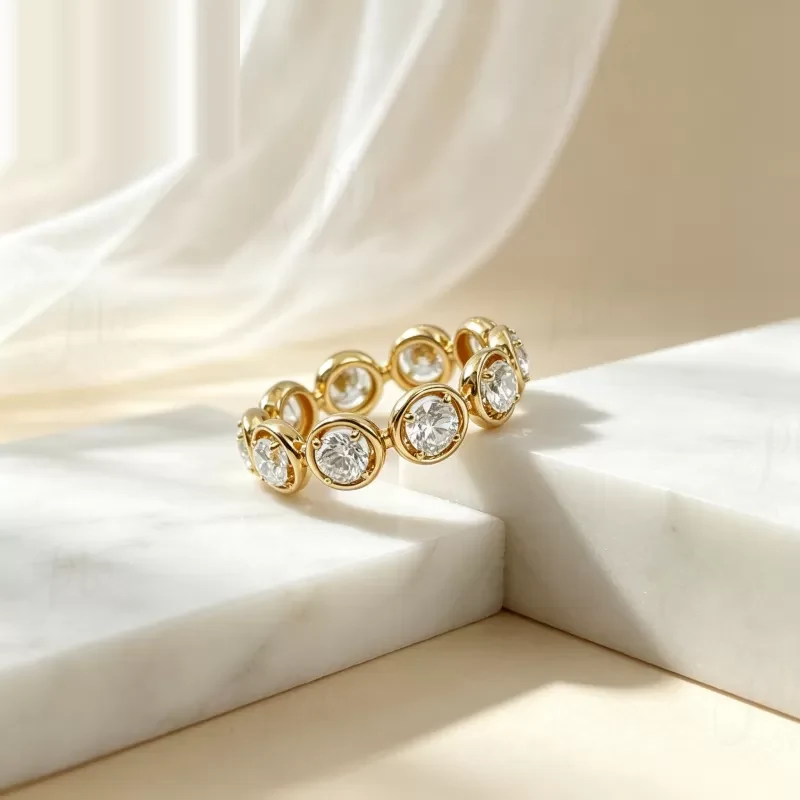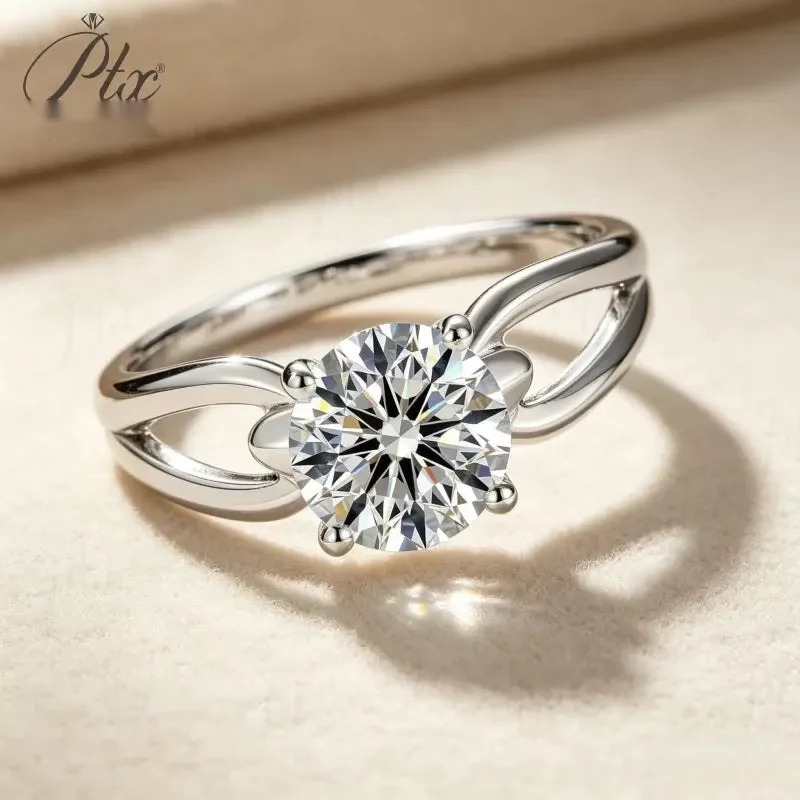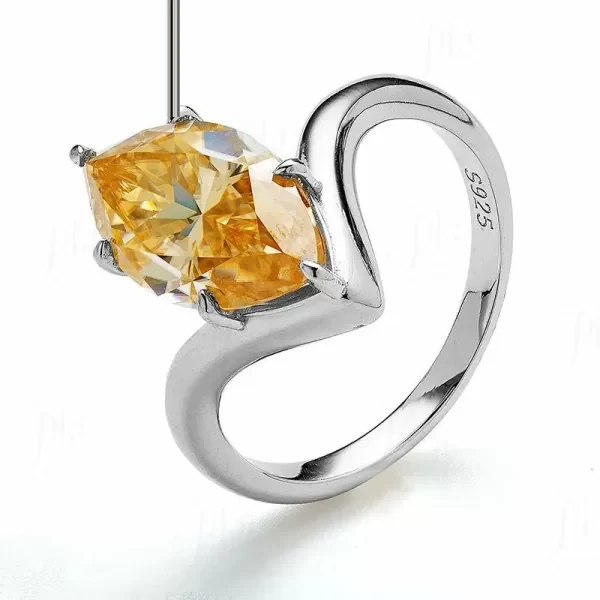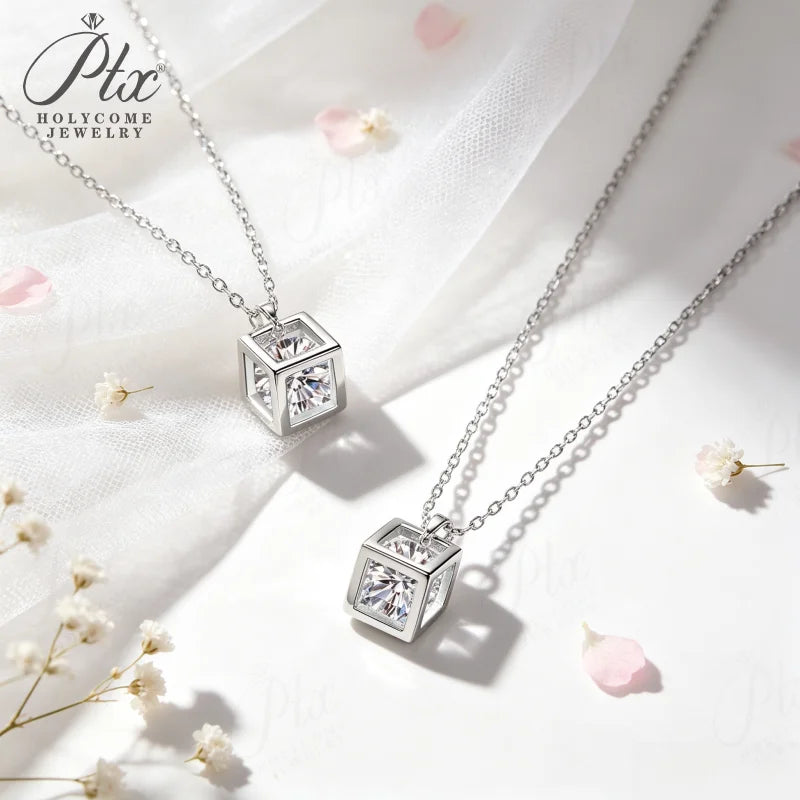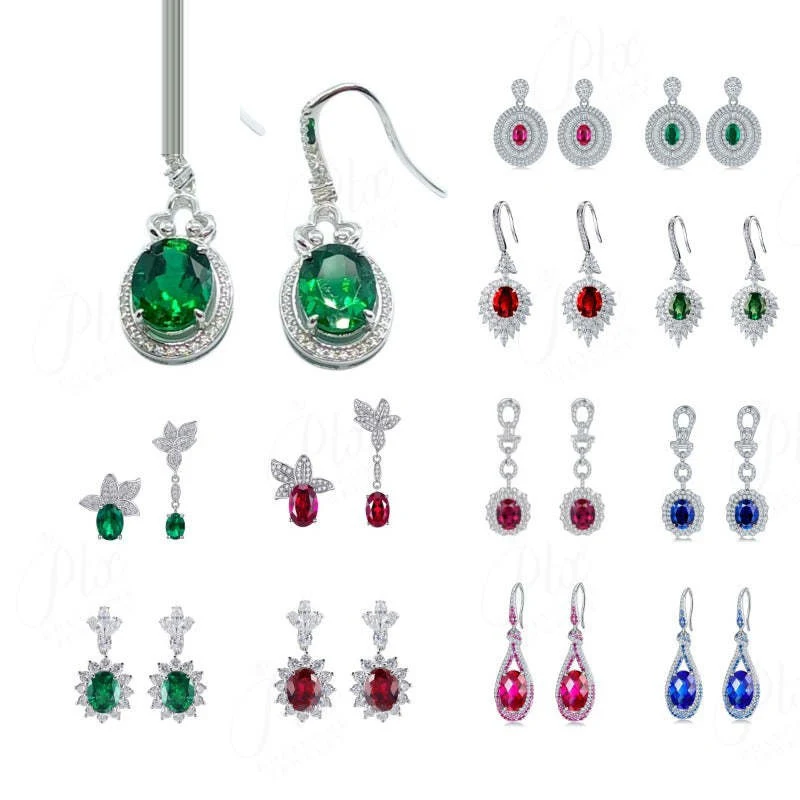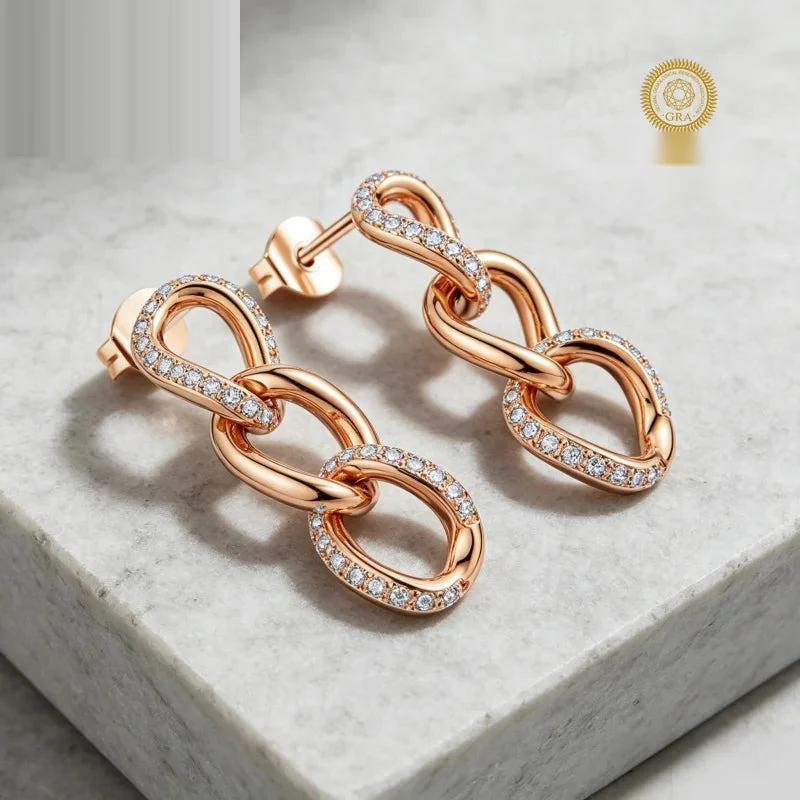
Engagement rings are the single strongest entry point into moissanite for most resellers. Customers come in looking for a diamond, leave with a moissanite ring that looks bigger and brighter at a third of the price, and then come back for wedding bands, pendants, and studs. The question is not whether to stock the category. It is which styles, sizes, and price points to buy first.
This guide is built for wholesale and boutique buyers placing a first or second moissanite order.
The shapes that move fastest
Round brilliant is still the default. It is the shape shoppers picture when they think "engagement ring," and it hides inclusions and cut imperfections better than any other cut. Stock round in every metal and width you offer.
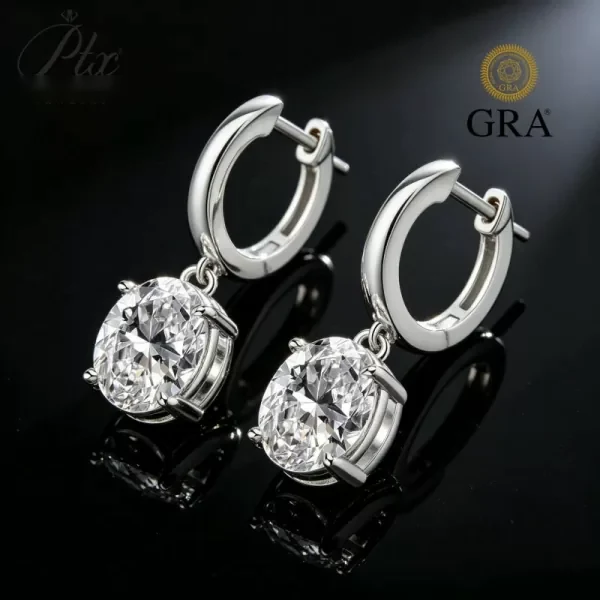
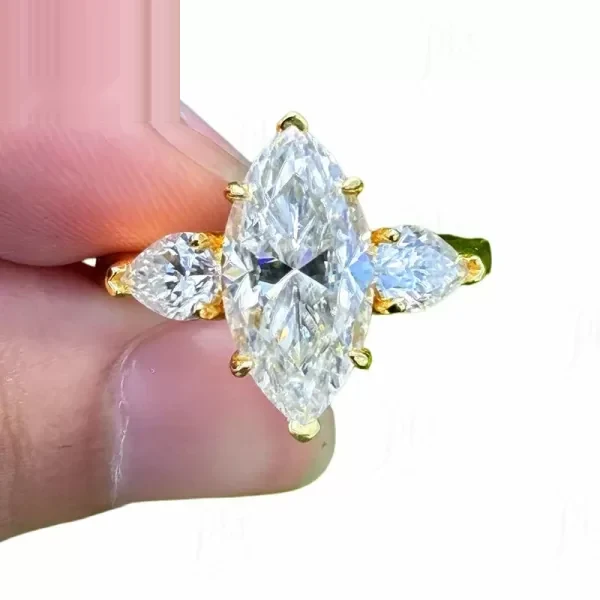
Oval is the second engine. It reads larger face-up than a round of the same carat equivalent, which is exactly what customers want when they are trading down from diamond on price. Oval moissanite also photographs beautifully, which matters because most bridal discovery now happens on phones.
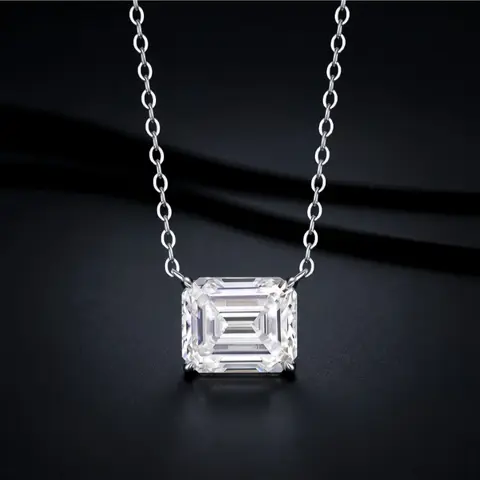
After round and oval, cushion and pear take the next tier. Cushion skews slightly vintage; pear skews modern and asymmetrical. Both have steady demand but smaller volumes. Emerald and asscher round out the mix for design-led boutiques that serve a younger, less traditional customer.
Setting styles that sell
Three settings carry most of the market. The solitaire, a clean four- or six-prong head on a slim band, is the timeless workhorse. It photographs well, it prices cleanly, and it suits nearly every customer.
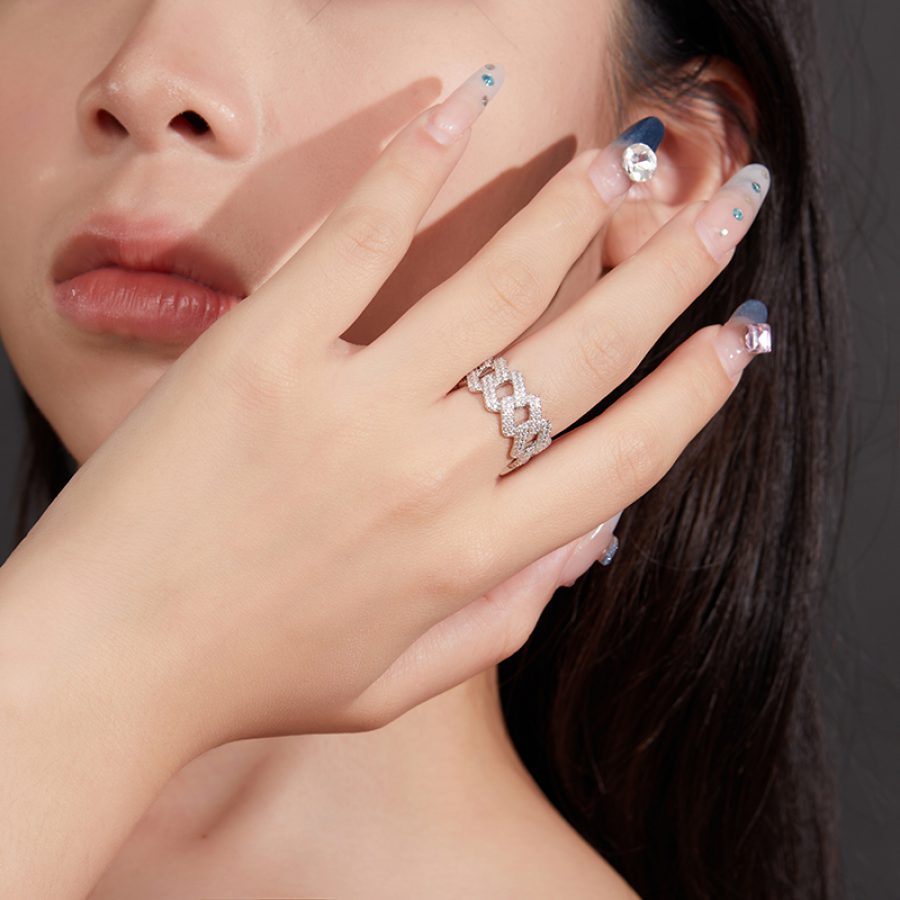
The halo setting is the volume driver. A halo of small moissanites around the center stone makes a 1-carat equivalent look like a 2-carat. For price-conscious shoppers who want the biggest possible look, halo is the default choice.
The vintage or milgrain setting is the trend piece. Delicate engraving, cathedral shoulders, and pavé sides appeal to shoppers who want something that does not look like a mall chain. It commands a modest price premium and earns strong social engagement.
Metal and plating choices
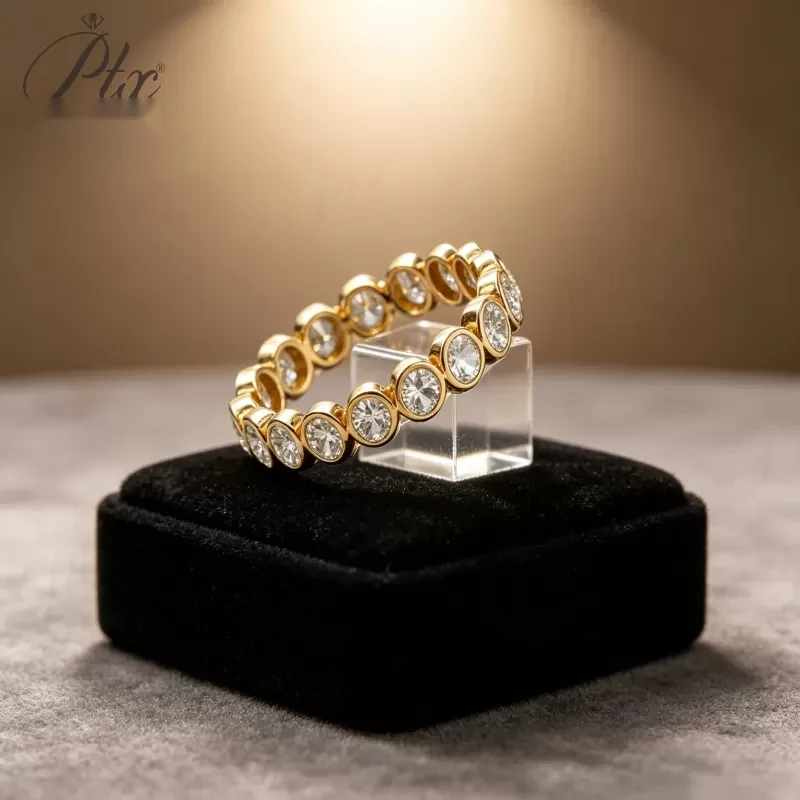
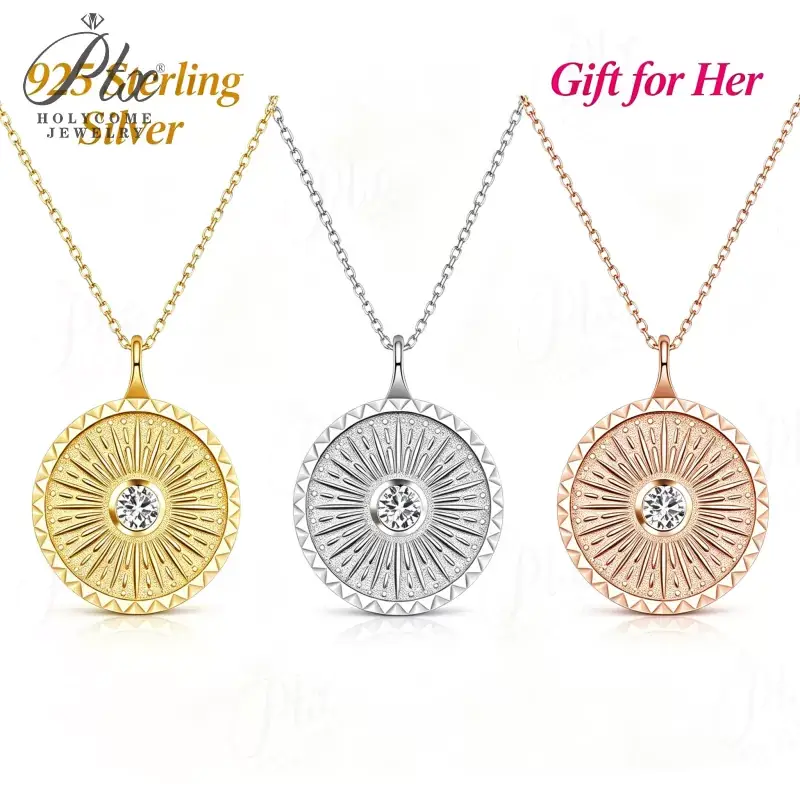
Most moissanite engagement rings sold at accessible price points go out in silver-toned or warm-gold-toned plated settings. White remains the default, yellow gold has returned strongly, and rose gold sits in third. If you are ordering 50 pieces, split roughly 50% white, 35% yellow, 15% rose, and watch your sell-through before adjusting.
Be transparent about the base metal and plating thickness in your listings. Nickel-free and lead-free claims are now table stakes in most consumer markets. Document the plating spec from your supplier so you can answer compliance questions fast.
Carat equivalents and price points
Most first-time moissanite buyers land in the 1 to 2 carat equivalent range. Below 1 carat, the ring reads as a fashion piece rather than an engagement ring. Above 2 carats, the price climbs and the audience narrows. Stock heavily in the 1.0, 1.5, and 2.0 equivalent steps, with a small top tier at 3 carats equivalent for customers who want to spend more.
Price your wholesale range so that retail lands between $300 and $900 for the core. That bracket captures the largest pool of shoppers who want a serious ring without a diamond-sized payment.
Pair with wedding bands to lift AOV
The single easiest way to raise revenue on every bridal sale is to stock matching bands. A customer who buys an engagement ring this month will buy a band within weeks. If you sell only the ring, you send her to another shop for the band. Carry a slim plain band, a pavé band, and a contour band in the same metals, and cross-sell on the product page.
Sizing and returns to plan for
Engagement rings trigger the most sizing requests of any jewelry category. Stock a core range in sizes 5 through 8, with size 6 and 6.5 carrying the most units. Above and below that range, keep fewer pieces and plan to resize on request. Build a small resizing fee into your landed cost so that the service does not eat the margin on every order that comes back.
Also inspect prongs on arrival. A loose prong is the single most common reason a customer returns a solitaire. Run a quick finger check on every ring: the prong should snap shut cleanly with no sideways play. If you find more than one loose head in a 50-piece batch, the factory's finishing step slipped, and you should flag it before you list the rest.
How to place the first order
Start with a sample order of 5 to 10 pieces across shapes and settings. Wear them, photograph them, and compare them to your current bestseller. Once a style proves out, scale it. For help with the numbers, our guides on navigating MOQs and pricing wholesale jewelry for resale cover the rest of the order math.
Moissanite engagement rings are a category you can build a shop around. Buy the right shapes, pair them with bands, and let the product do the marketing.
For the legal text behind our material compliance, see the REACH Regulation (EC) No 1907/2006 on EUR-Lex.
Frequently Asked Questions
Is moissanite a good diamond alternative for retail buyers?
Yes for price-sensitive customers who want brilliance and hardness. Moissanite ranks 9.25 on the Mohs scale, holds up to daily wear and costs a fraction of a natural diamond of the same size, so it resells fast in bridal and fashion lines.
What is the minimum order for wholesale moissanite?
MOQ starts at 50 pieces per design for stock items. Custom cuts and private-label settings usually start at 100–300 pieces depending on the mold.
Do you provide certificates with moissanite stones?
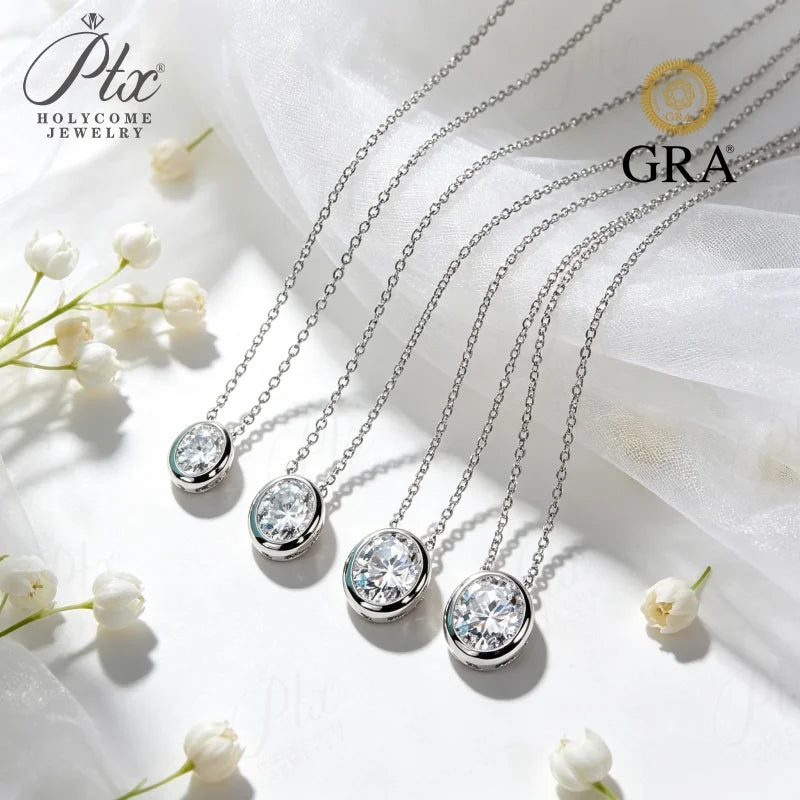
Yes. Every parcel ships with GRA or IGI documentation listing carat weight, color grade and cut. We recommend passing the certificate to your end customer for trust.
How long does sample and bulk production take?
Samples ship in 3–5 days. Bulk runs take 15–20 days under 500 pieces, and 25–30 days for custom work.