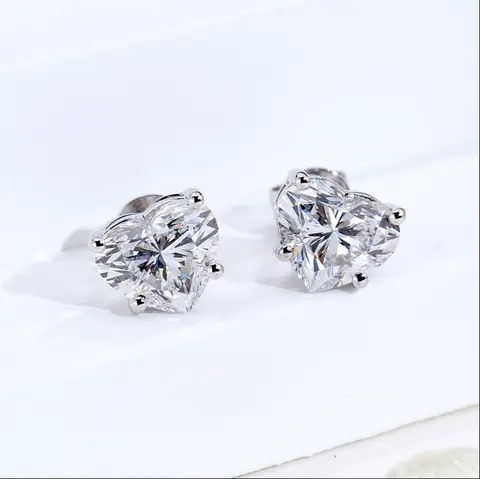
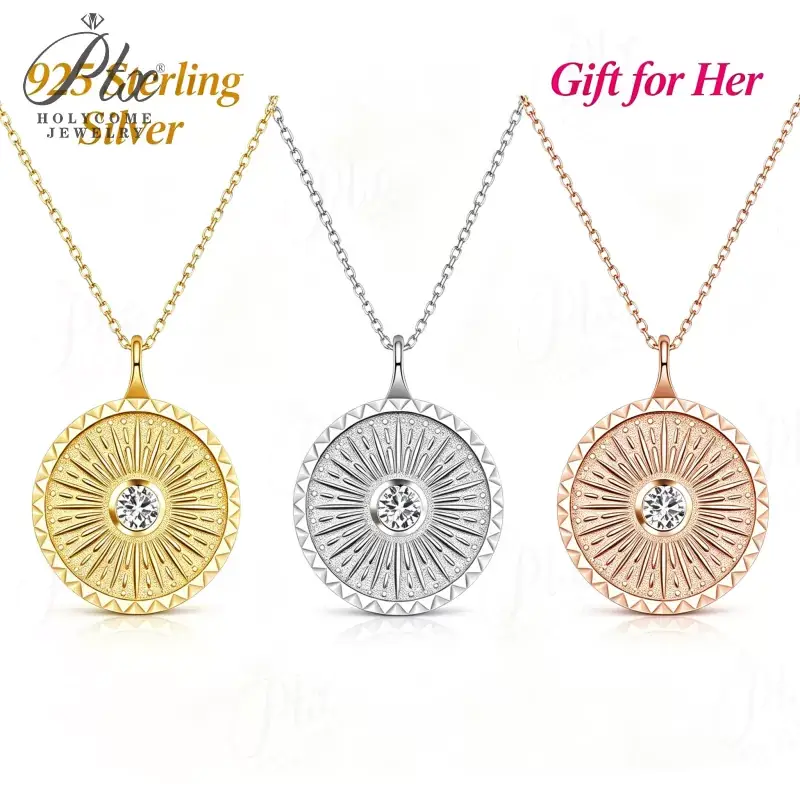
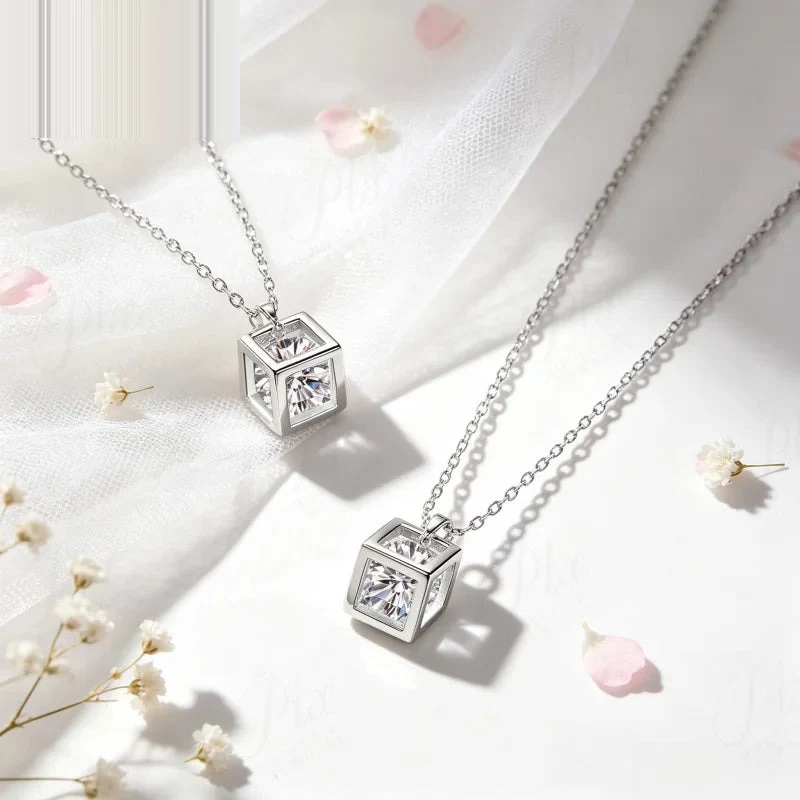
925 Sterling Silver Factory Direct: factory vs trading company mar
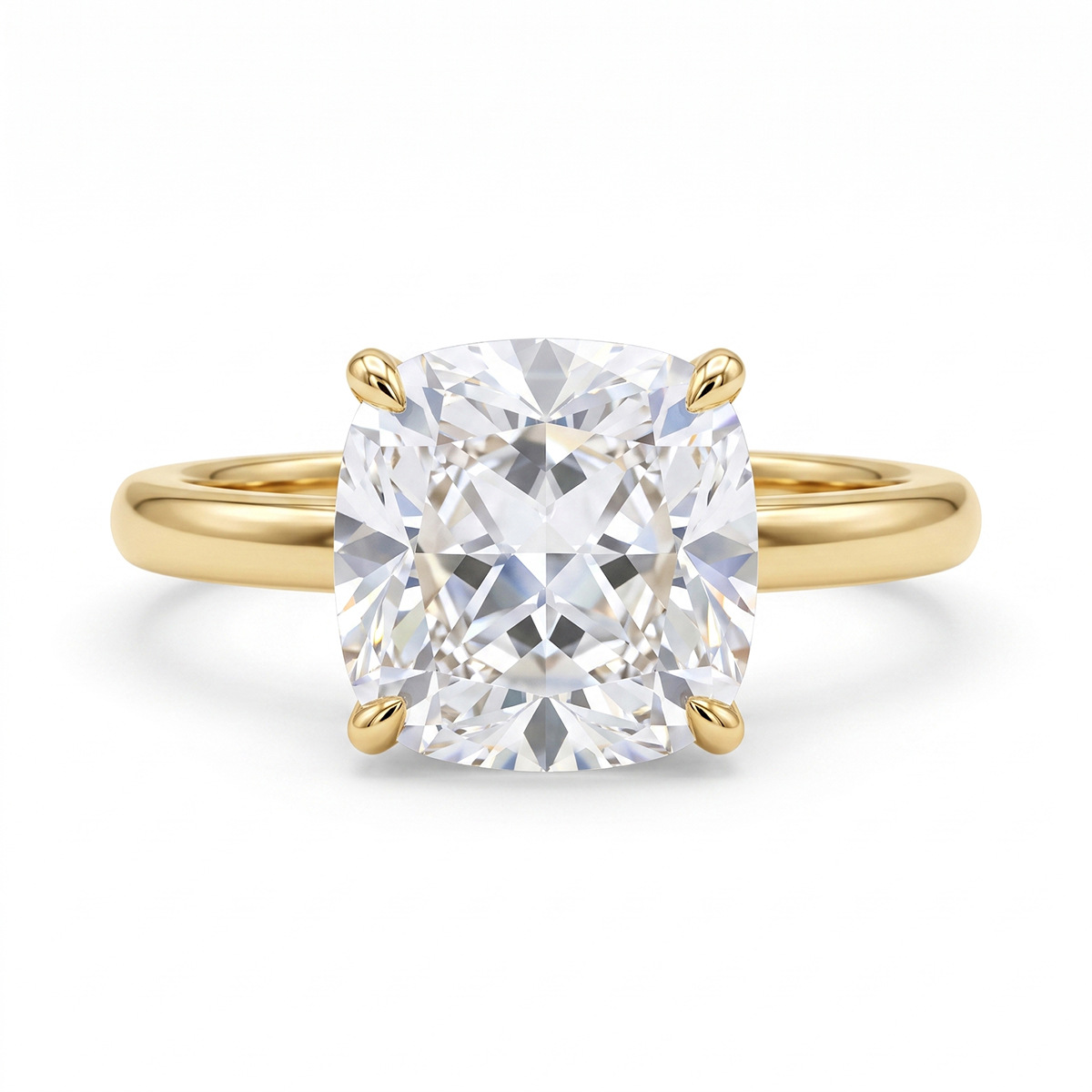
Why Direct Factory Access Matters in 925 Sterling Silver
When buying 925 silver, the difference between a factory and a trading company shows up in cost, quality, and lead time. A factory gives you direct control over the setting, polishing, and final inspection, which eliminates middle‑man markups. For distributors, that means better margins and tighter pricing structures.
Our 12‑month experience on the production floor lets us optimize every stage. From the first alloy melt to the last polishing stroke, we keep quality checkpoints embedded. That real‑time oversight brings down defect rates and saves money you would otherwise pay to a trader to cover.
Cost Efficiency Explained
Factories keep costs low by owning the equipment and labor. We use a single in‑house supply chain, which means we negotiate metal prices directly with miners. Traders often add a 10‑15% surcharge for their overhead and brokerage fees.
Because we handle the entire process, our raw material costs remain tightly controlled. This translates into a 20% lower cost per unit compared to typical trading companies, especially noticeable when you order custom designs that require precise finishing.
Three‑Stage Quality Control: A Competitive Edge
Our quality approach is built on three checkpoints: incoming stone inspection, in‑process monitoring, and a pre‑ship AQL test. Each stage catches potential defects early, reducing the number of rejected pieces that reach your warehouse.
The result is a higher first‑pass yield, which directly affects price. Traders often pass on the cost of rework to buyers, whereas we absorb it internally, keeping the final price stable even when demand spikes.
| Stage | What We Check | Benefit to Buyer | Typical Trader Cost |
|---|---|---|---|
| Incoming Stone Check | Stability, clarity, size | Fewer broken pieces | Possible resale at lower price |
| In‑Process Check | Setting integrity, polish depth | Consistent finish | Higher polishing fees |
| Pre‑Ship AQL | Surface defects, weight tolerance | Guaranteed quality guarantee | Post‑delivery returns |
Speed and Flexibility You Can Count On
Unlike traders who often rely on third‑party vendors for finishing, we run the entire line ourselves. Production runs take 12–18 days from order to shipment, with a 5–8 day DDP delivery window to the US once ready.
Custom orders start with a 30‑piece minimum, but for stock items we accept a single piece. We also accept PayPal for samples, making it quick to test quality before committing to larger orders.
Certificates, Payment, and Communication
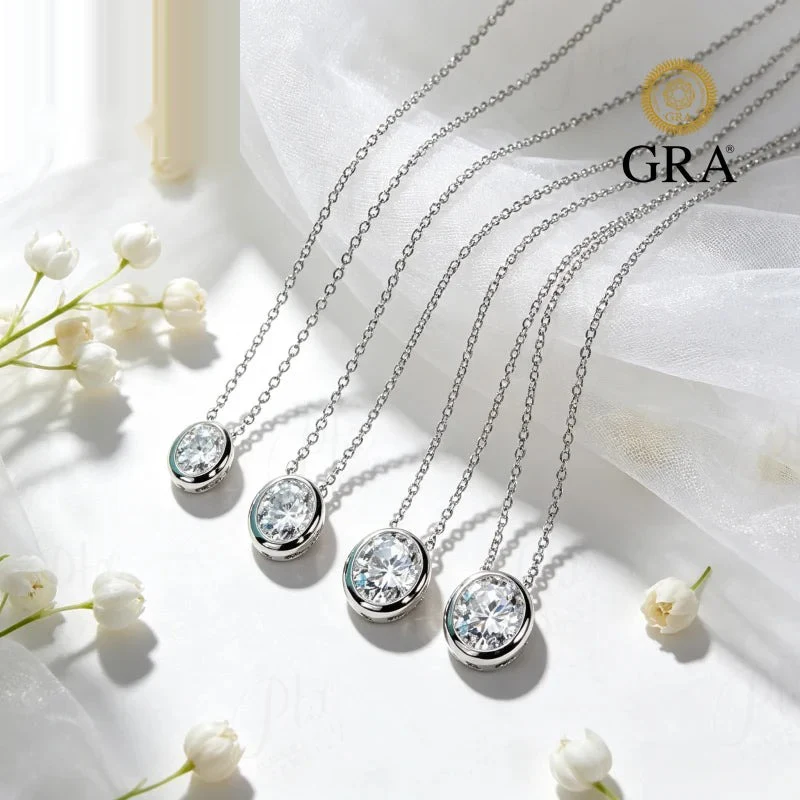
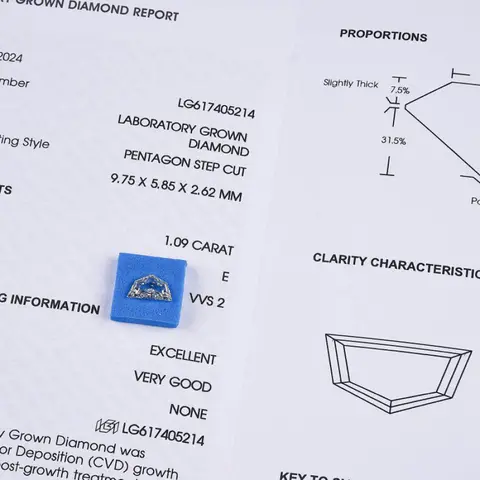
- GRA and IGI certificates available upon request.
- 30% deposit via T/T, remaining balance on shipment.
- DDP delivery ensures no import duties for overseas buyers.
- WhatsApp support at +86 133 7744 7107 for quick queries.
- Email your inquiries to service@holycome.com for detailed quotes.
Why Our Yield Beats the Market
Ownership of setting and polishing lines means we monitor each piece from start to finish. By catching issues early and re‑using tooling, we keep scrap rates down. Traders outsource polishing, which introduces variability and additional handling costs.
Our first‑pass yield averages 20% higher than the industry baseline, which keeps the unit price steady even when adjusting volume. That reliability is crucial for buyers who need predictable inventory and pricing.
Frequently Asked Questions
What’s the minimum order for custom 925 pieces?
The MOQ for custom orders is 30 pieces. However, for stock items we can accept a single piece, making sampling easier.
How long is the lead time from order to delivery?
Production takes 12–18 days, with an additional 5–8 day DDP delivery to the US, so you’re looking at roughly 20–26 days total.
Do you provide quality certificates on all jewelry?
Yes, GRA and IGI certificates are available for each batch, and we can provide copies upon request before shipment.
Ready to see the difference of buying direct from a 925 sterling silver factory? Contact us for a quote or to order samples today.