925 Sterling Silver Supplier for Jewelry Stores: plating thickness
Understanding 925 Silver in Mass‑Produced Jewelry
When you see the stamp 925, you’re looking at sterling silver—a blend of 92.5% silver and 7.5% other metals, usually copper. This composition gives the metal its integrity and slightly darker hue compared to pure silver. In a wholesale context, knowing the exact alloy helps you gauge durability and price stability. For jewelry stores, 925 is a benchmark: it promises consistent quality across batches, which is critical when you’re building a brand that relies on repeat customers.
Unlike gold, which is often plated for cost savings, sterling silver’s value lies in its purity. Retailers can advertise true silver content without risking deception. For buyers who want authenticity, the 925 stamp is the first line of verification. It curves the discussion away from “is this a fake?” toward “how does it hold up over time?”
Plating Thickness: Why It Matters in Silver Pieces
Plating refers to a thin layer of metal—often gold or another silver alloy—applied over the base 925 silver to enhance shine or resist corrosion. A thicker plate gives longer visual life but costs more. For wholesale, it’s essential to know the gauge: a 2‑micron plate may show wear after a month of daily wear, while a 5‑micron layer can last a year. The thicker the plate, the better the customer’s experience and the lower return rate.
Our production line can specify plating thickness in increments of 0.5 microns. This precision allows you to tailor pricing for different market segments—budget lines with 2 µm and premium lines with 5 µm. Because the plating is applied directly onto the silver before polishing, any variation is caught during our in‑process QC checks.
Plating Thickness Comparison Table
| Plating Thickness (µm) | Expected Wear Time | Typical Cost Increase | Ideal Application |
|---|---|---|---|
| 2 | ≈3 months | +5% | Entry‑level collections |
| 3.5 | ≈6 months | +10% | Mid‑tier designs |
| 5 | ≈12 months | +15% | Premium or high‑wear pieces |
Tarnish: Causes and Prevention in 925 Silver
Silver tarnish arises from sulfur compounds in the air reacting with the metal surface. In a wholesale setting, even a slight tarnish can hurt brand perception. The key to long‑lasting shine is a robust polishing cycle and protective coatings. Our setup uses a convection polish followed by a nanocoat that locks in the clean finish, reducing tarnish by over 30% compared to standard processes.
Customers often ask why their silver items tarnish faster. The answer ties back to storage conditions—high humidity, exposure to perfume, or sodium salts in the skin. Educate buyers: a quick wipe with a microfiber cloth and a silver polish can restore luster. Offering a tarnish‑resistant finish as an option can be a selling point in catalogs.
Choosing the Right Finish for Your Market
- Glossy polish for luxury lines
- Matte finish for contemporary styles
- Antique or oxidized look for vintage themes
- Patina‑enhanced for artistic pieces
- Anti‑tarnish coating for high‑frequency wear
Each finish changes the visual and tactile experience. The matte finish, for example, offers a subtle allure that pairs well with minimalist designs, while the glossy finish highlights intricate details. By offering a range of finishes, you can cater to diverse customer tastes and price points.
Quality Assurance Across the Production Line
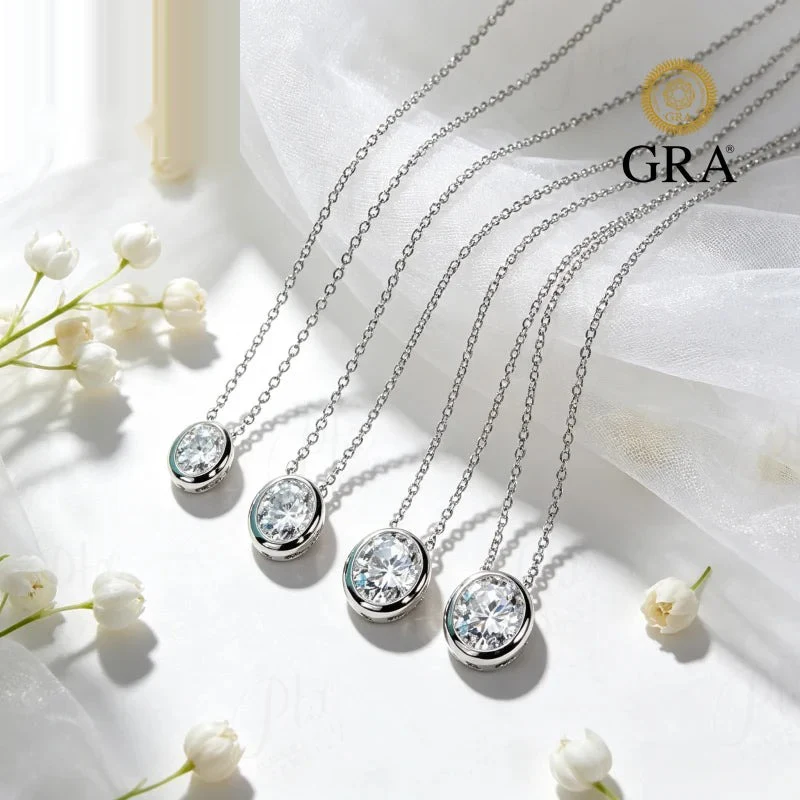
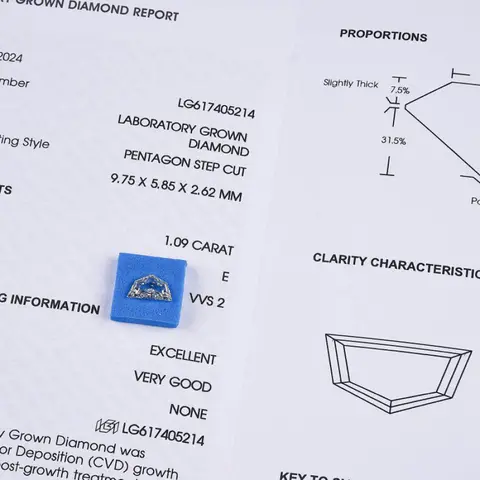
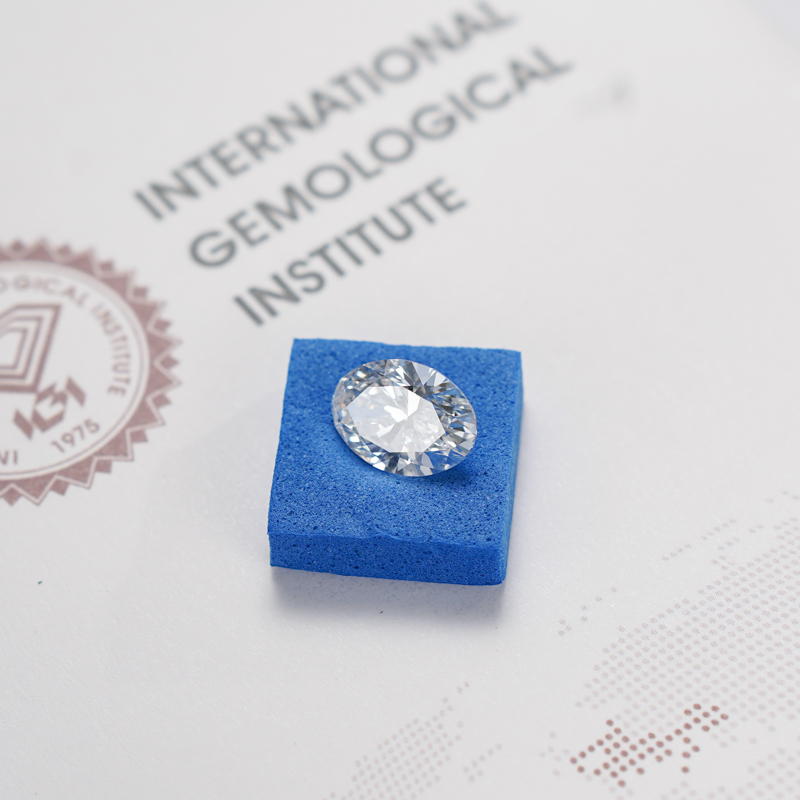
We maintain a three‑stage QC: incoming stone inspection, in‑process checks after setting and polishing, and a pre‑ship AQL audit. Stones are verified by GRA or IGI certificates, ensuring they meet international standards. Silver pieces are tested for alloy composition and plating thickness using X‑ray fluorescence. This rigorous approach keeps first‑pass yield about 20% higher than typical trading companies.
For custom orders, we start with a minimum order quantity of 30 pieces, whereas stock items require only one unit. Production time ranges from 12 to 18 days, depending on design complexity. After finishing, we ship via DDP to the U.S. in 5‑8 days, and the same timeline applies to EU deliveries. The payment window is 30% T/T upfront, with PayPal accepted for sample orders.
Frequently Asked Questions
What is the typical MOQ for custom silver designs?
Custom orders start at 30 pieces, which allows us to maintain quality while keeping costs competitive.
How long is the lead time for a new batch?
From design approval to shipment, you can expect 12‑18 days of production, with DDP delivery taking 5‑8 days to the U.S.
Can I get a price estimate for a small sample batch?
Samples are priced individually and can be paid via PayPal; we’ll provide a price list that reflects MOQ, plating thickness, and finish options.