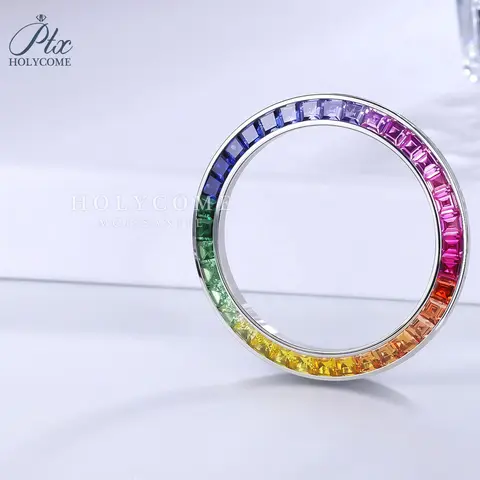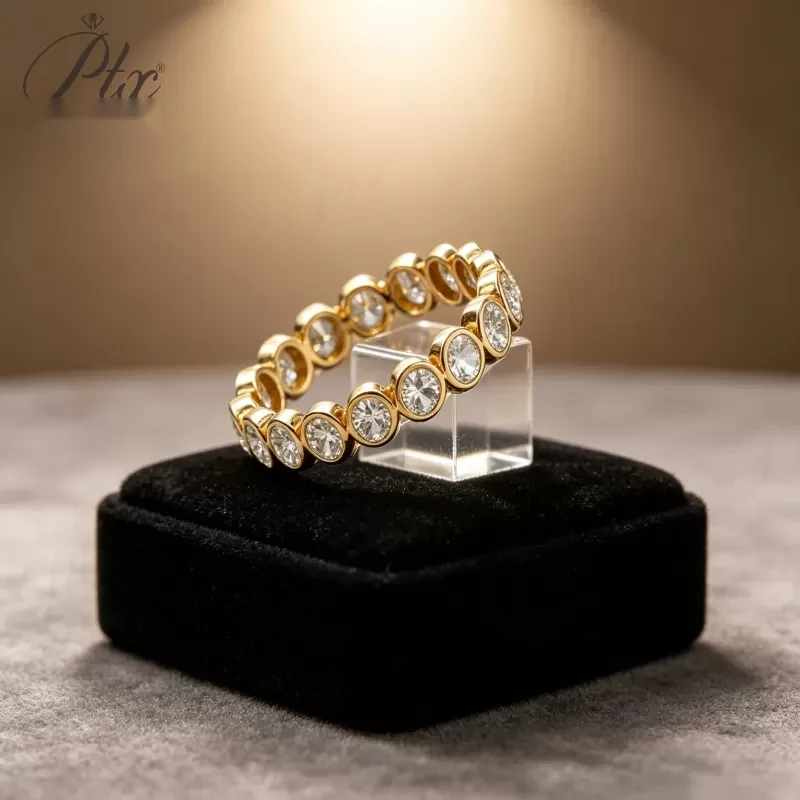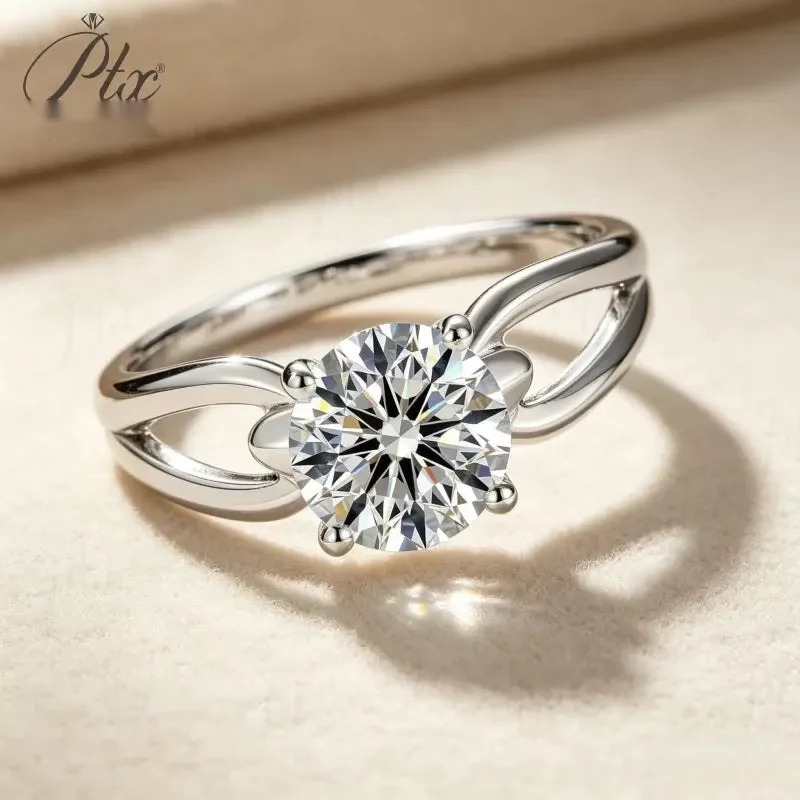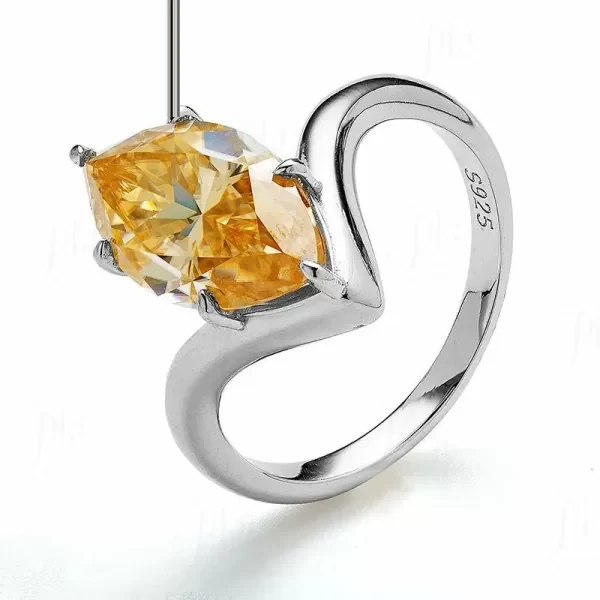
Two alloy rings can carry the exact same stone, the same plating, and the same price, yet one sells twice as fast as the other. Usually the difference is the finish. On a plain band, the surface treatment is the whole design, and wholesale buyers who understand how each finish reads under light, how it hides wear, and which shoppers reach for it first end up with lower return rates and cleaner reorders.
What a Ring Finish Actually Is
The finish is the texture applied to the base metal after casting and before plating. It controls reflectivity. A highly reflective surface bounces light and reads bright and formal. A low-reflection surface reads soft, casual, and modern. Because alloy rings are almost always plated (gold, rose gold, or rhodium), the finish also determines how evenly that plating lays down and how fast it wears through at the edges.
Polished
Polished is the mirror-bright surface most customers picture when they hear "dress ring." It is produced by buffing the band with progressively finer compounds until the metal reflects like a mirror. Polished bands photograph well and look expensive in a glass case, which is why they anchor most entry-level collections. The tradeoff is honesty: polished surfaces show every micro-scratch and fingerprint, and the high points of the band (the outer top edge) wear through plating first. If a shopper leads an active lifestyle, a polished band will show its age within months. That is not a defect, but it is worth setting expectations about in your listings. See our notes on caring for alloy rings for how to coach customers.
Matte
Matte (also called satin) is a softly diffused, non-reflective surface. It reads contemporary and understated, and it is the finish behind most of the everyday stacking rings buyers see on social media. Matte hides scratches dramatically better than polished, because light scatters across the texture rather than traveling in a straight line to the viewer's eye. It is also more forgiving of thin plating, since wear shows up as small bright patches rather than as a shiny bare strip. The downside? Matte can feel less "special" to customers who expect jewelry to sparkle, so it tends to sell to the minimalist, layering, and menswear crowds rather than gift buyers shopping for a statement.
Brushed
Brushed sits between polished and matte. Fine parallel lines are scratched across the band, producing a directional sheen rather than a flat haze. Brushed bands look engineered and masculine, which is why they dominate the men's ring section of every catalog. The direction of the brush matters: a horizontal brush along the band widens it visually, while a vertical brush makes a band look slimmer. Brushed finishes also hide day-to-day wear better than polished, and the texture keeps the ring looking deliberate even after plating begins to thin.
Hammered and Textured
Hammered bands carry irregular dimples struck into the surface, usually by hand or with a rotary tool. Each dimple catches light at a different angle, giving the ring a handmade, organic character. Textured finishes (geometric grooves, snake-skin patterns, coin edges) work the same way: the variation does the visual work, so the ring needs no stone to be interesting. Hammered alloy rings are strong sellers in the boho and artisan niches. Be aware that deep texture traps plating unevenly at the bottom of each dimple, so budget-priced hammered bands can show tarnish or darkening in the crevices sooner than smooth ones. Inspect samples under magnification before committing to a run.
Antiqued or Oxidized
An antiqued finish darkens the recesses of the band with a chemical patina, then polishes the raised surfaces back to brightness. The contrast makes engraved or detailed bands look deeper and older than they are. On alloy this is usually a black or gungray wash rather than true oxidation, and it wears off fastest where fingers touch. Treat it as a fashion finish with a short fashion lifespan, and price it accordingly.
How Finish Affects Plating and Tarnish
Rough or deeply textured surfaces hold plating less evenly because the plating solution cannot reach every crevice cleanly. Polished surfaces plate most uniformly. If you are building a gold-plated alloy ring line aimed at repeat everyday wear, polished or lightly brushed bands age the most predictably. Always ask your supplier which finish the plating spec assumes, and request a side-by-side sample set so you are not matching swatches on a screen.
Merchandising Tips
Group finishes by lifestyle rather than by metal color. Put polished bands near the gift and occasion displays, matte and brushed bands near the everyday and layering racks, and hammered/textured pieces with the artisan and boho sections. Photograph each finish under both warm and neutral light, because brushed bands shift color temperature dramatically depending on the bulb. For more on how the surface and plating hold up over time, browse our alloy rings wholesale FAQ.
The finish is the cheapest design lever you control. Changing it costs a supplier almost nothing in tooling, yet it doubles the perceived range of a single band shape. Buy samples in four finishes of the same profile, see which one moves, and lean in.
Rhodium plating, which gives white gold jewellery its bright finish, is covered in the Wikipedia article on rhodium.
Frequently Asked Questions
What ring sizes can you supply in bulk?
US sizes 5–12 including half sizes. Send a size breakdown with your order and we cast to that curve; comfort-fit inner bands reduce resize requests.
Can I order a mixed size run instead of one size?
Yes. Mixed runs are standard for wholesale: specify quantity per size and we pack and label by size at no extra labor cost.
What is the MOQ for custom ring designs?
50 pieces per design for existing molds; 100–300 pieces when a new mold or CAD model is required.
How should I price rings for retail margin?
Most partners use a 3–4x markup on FOB cost for sterling and 2.5–3x for moissanite solos, which keeps landed cost under 30% of retail.