Wholesale Alloy Rings: Stone Grading & Color Consistency

Alloy Rings are among the fastest-moving categories in the US fashion jewelry wholesale market, but the buying decision that separates a reliable supplier from a disappointing one is rarely the alloy itself. It is stone grading and color consistency. When a supplier cannot document how stones are graded or how color is matched across a production run, buyers end up with mixed batches, customer returns, and inconsistent product photos versus reality.
This article breaks down the practical grading and color decisions a wholesale buyer should make before placing a ring order, with the verification steps you can request from any manufacturer.
Why Stone Grading Matters for Alloy Rings
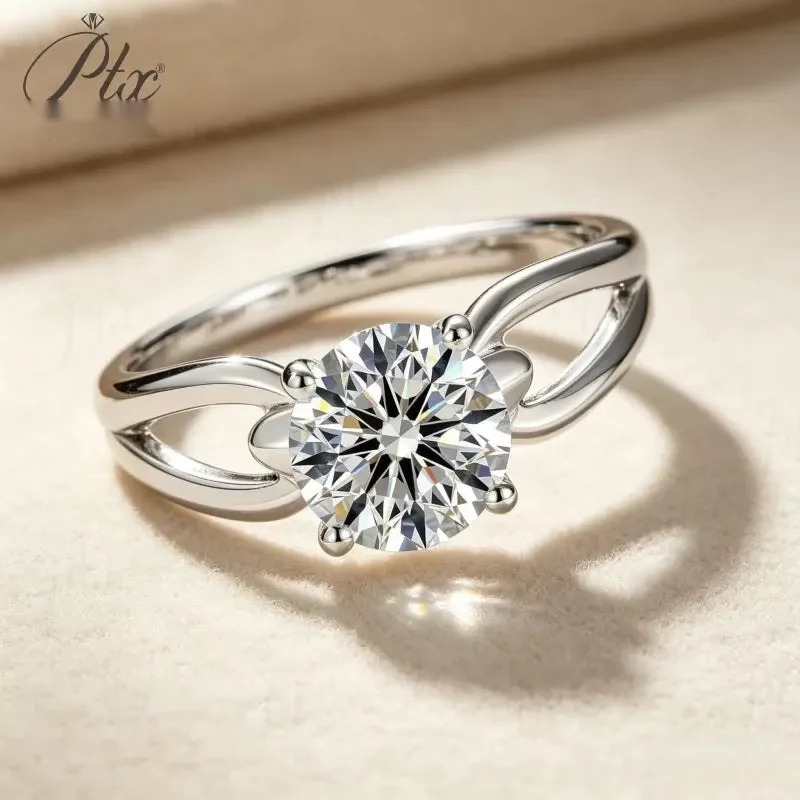
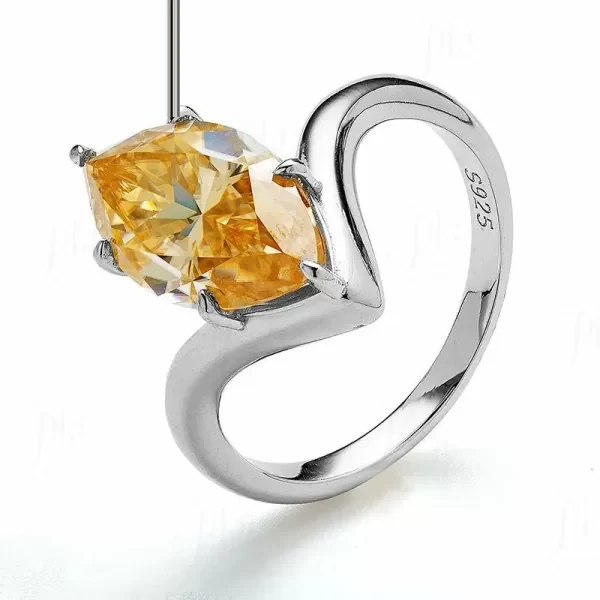
Most alloy rings in the wholesale market are set with moissanite, cubic zirconia, or other lab-created stones. Moissanite, a lab-created diamond alternative, is the most common upgrade stone because it offers high brilliance at a fraction of the cost of natural diamonds. The grading question is straightforward: does the supplier provide documentation for the stones they set?
For moissanite, ask whether the stones are graded with GRA papers or IGI papers. These certificates document the stone's color grade, clarity grade, and carat weight, giving you a verifiable record you can share with your own retail customers. A supplier who sets graded stones can match a replacement stone to an original order years later because the paperwork defines the specification.
A supplier who buys ungraded bulk stones cannot offer that consistency, and the difference shows up when a customer sends back a ring for a lost stone.
Grading also affects pricing transparency. Loose stones are sold by the carat, so a documented carat weight and color grade lets you compare quotes between suppliers on an equal basis rather than guessing whether two quotes describe the same stone.
Color Consistency Across a Production Run
Color consistency failures usually come from two sources: the stones and the metal finish. Both need to be controlled, and both can be verified before bulk production begins.
Stone Color Matching
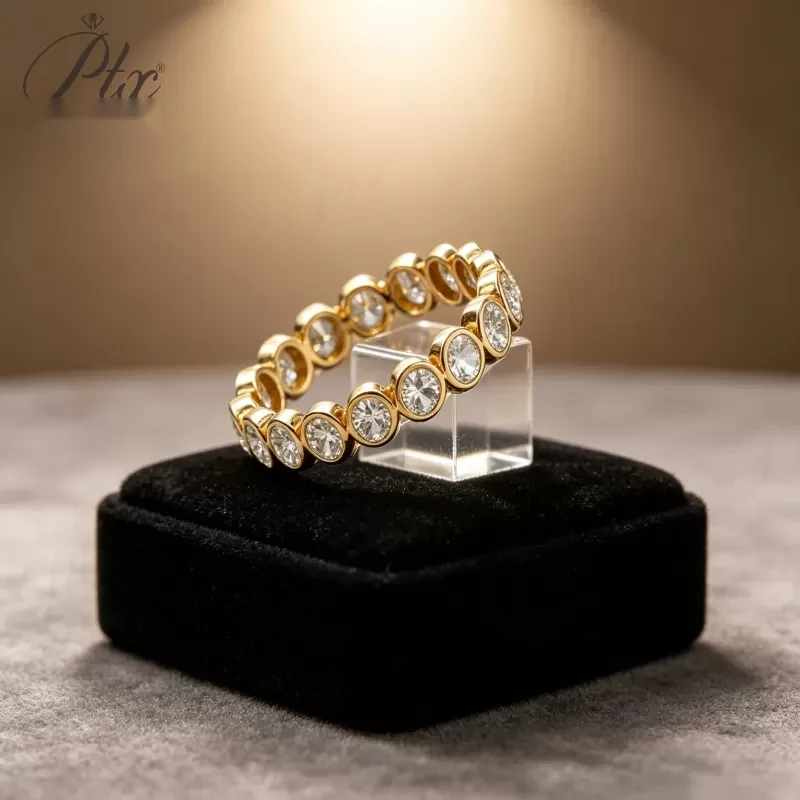
Lab-created stones are produced in batches, and those batches can vary slightly in body color and in the way they reflect light. For a single ring, this does not matter. For a 500-piece order of three-stone Alloy Rings, a batch mismatch means some rings look warmer or duller than others on the same retail display.
Ask your supplier how they source and sort stones: whether they buy graded stones in matched batches, and whether they sort incoming stones by color grade before setting. A supplier with a three-stage quality control process, covering incoming material inspection, in-process checks, and pre-ship AQL inspection, will catch batch variation at the incoming stage rather than after the stones are set.
Metal Color and Plating Consistency
The metal finish drives perceived color as much as the stone does. Alloy rings are typically finished in one of three ways, and you should name the finish exactly in your purchase order:
- Gold plated alloy, where a thin gold layer sits over the base alloy
- Gold vermeil, which is a thicker gold plating over 925 sterling silver
- 925 sterling silver or 10K/14K/18K solid gold options where the base material itself is precious metal
Never accept catalog language that describes a plated or vermeil ring as solid gold. Beyond compliance issues in the US market, the distinction matters for color consistency: plating thickness and bath chemistry affect tone, so request that plating batches be controlled so the entire order is finished in the same bath cycle where possible. For orders above the custom minimum of 30 pieces, request a pre-production sample and approve the exact metal color before bulk production starts.
Building a Specification Sheet That Prevents Disputes
The most practical tool for controlling stone grading and color is a written specification sheet attached to your purchase order. It converts verbal agreement into verifiable detail. Before sampling, confirm the following with your supplier:
| Specification Item | What to Document | Verification Method |
|---|---|---|
| Stone type | Moissanite, CZ, or lab-created | GRA or IGI papers |
| Stone color grade | Grade stated per stone size | Certificate matching |
| Carat weight | Total and per-stone weight | Per carat invoice detail |
| Metal and finish | Plated, vermeil, silver, solid gold | Material declaration |
| Pre-production sample | Approved color and stone | Signed sample approval |
A specification sheet like this costs nothing to create and gives both sides a reference point during the three-stage QC process. If a pre-ship AQL inspection finds rings outside the approved sample, the sheet is the document that determines the corrective action.
Sampling: Where Grading and Color Get Tested
Sampling is the stage where you verify everything the specification sheet claims. Sampling takes 7 to 10 days, which is a realistic window to check more than just whether the design looks right.
What to Check on a Sample
- Compare the sample stone's certificate to the physical stone, confirming carat weight and color grade match
- View the ring under both daylight and indoor lighting to check for color shifts in the stone or plating
- Photograph the sample next to your product photos to confirm the color your customers will expect
- If the order includes multiple stone sizes, request a multi-size sample so you can see grading across the full range
Sample orders are typically paid through PayPal, which keeps the sampling transaction low-risk while you evaluate a new supplier. Bulk orders then move to T/T payment terms, with a 30 percent deposit and the 70 percent balance before shipment.
Matching Samples to Bulk Production
The most common color consistency failure happens between the approved sample and the bulk run. Bulk production takes 15 to 25 days after sample approval, and during that window the supplier may source a different stone batch or run a new plating bath. Protect yourself by requiring that the approved sample be kept as the physical reference standard, and by asking that incoming stones for the bulk order be sorted against that reference.
The pre-ship AQL inspection is your final checkpoint; ask the supplier to compare production pieces against the approved sample as part of that inspection, not just against an internal tolerance.
Order Minimums and Pricing Structure for Graded Stones
Understanding the commercial terms helps you plan a grading-focused order. Stock styles carry a minimum order quantity of 1 piece, which makes it easy to test a supplier's stone quality and color consistency on a small scale before committing. Custom work requires a minimum of 30 pieces, which is the threshold where a matched stone batch and a controlled plating run become practical for the factory.
Pricing is quoted per piece for finished rings and per carat for loose stones. If your program includes loose stone sales alongside set rings, ask for the per-carat pricing tied to specific GRA or IGI graded color levels so you can see exactly what a grade step costs. This clarity lets you decide where graded stones add retail value and where ungraded stones may be acceptable for lower price points in your assortment.
DDP delivery to the US takes 5 to 8 days after production, so a full timeline from sampling to dock runs roughly four to six weeks. Build that into your buying calendar, especially if color approval requires a second sample round.
Quality Control Checkpoints You Should Verify
A three-stage QC structure gives you defined points to insert your grading and color requirements:
- Incoming inspection: stones are checked against certificates for color grade, clarity, and carat weight, and plating materials are checked for specification
- In-process inspection: set stones are compared against the approved sample for color and tone, and metal finish is checked mid-run so problems are caught before the full order is plated or set
- Pre-ship AQL inspection: a statistical sample of finished rings is inspected against the approved sample and specification sheet before shipment
Ask your supplier to confirm in writing that each stage is performed, and ask whether they can share inspection records for your order. A supplier with a functioning three-stage process can usually provide this documentation without friction, and it becomes part of the quality trail your own retail customers may ask about.
Order Terms for Wholesale Buyers
MOQ is 1 piece for stock styles and 30 pieces for custom work, and loose stones are sold by the carat. Sampling takes 7 to 10 days, and bulk production runs 15 to 25 days after the sample is approved. Pricing is quoted per piece or per carat depending on the item. Payment is T/T with a 30% deposit and the 70% balance before shipment, and PayPal is accepted for sample orders.
Frequently Asked Questions
Do Alloy Rings come with graded stones?
Graded stones are available on request, most commonly for moissanite settings. Ask for GRA or IGI papers when you request your quote, and confirm the grading applies to each stone size in the design. For lower price-point CZ settings, grading may not be offered, and that trade-off should be reflected in the pricing.
How do I keep color consistent between repeat orders?
Keep your approved sample and specification sheet on file, and reference both in every repeat purchase order. Ask the supplier to match incoming stone batches and plating runs to the original reference. Graded stones make repeat matching easier because the certificate defines the target color grade.
What is the difference between gold vermeil and gold plated Alloy Rings?
Gold vermeil is a gold plating over a 925 sterling silver base, while gold plated rings use a base alloy underneath the plating. Both are plated finishes, not solid gold, and your product listings should name the construction accurately. Solid gold options, in 10K, 14K, or 18K, are a separate category with different pricing.
Can I order a small quantity to test quality first?
Yes. Stock styles have a minimum order quantity of 1 piece, so you can evaluate stone grading and color consistency on a single ring before scaling. Custom work starts at 30 pieces, which is when matched batches and controlled finishing become practical.
What payment terms apply to a first order?
Sample orders are typically paid through PayPal, keeping the evaluation stage low commitment. Bulk production runs on T/T terms with a 30 percent deposit and the 70 percent balance before shipment. DDP shipping to the US takes 5 to 8 days after production is complete.
Where to Start Your Alloy Rings Program
Stone grading and color consistency are controlled through documentation, sampling, and defined QC checkpoints, not through supplier promises. Build a specification sheet, require GRA or IGI papers where stones are graded, approve a physical sample before bulk production, and confirm the three-stage inspection process covers your color requirements. To review available styles and loose stone options, browse our product catalog. For more buying guides on materials, grading, and wholesale sourcing, read the wholesale jewelry blog.
When you are ready to request a quote or start a sampling round, reach our team through the contact page.
Sources: Grading references: GIA gem education and GIA laboratory information.