Wholesale Alloy Rings: Pricing Basis & Wholesale Price Lists

Understanding Alloy Rings as a Wholesale Category
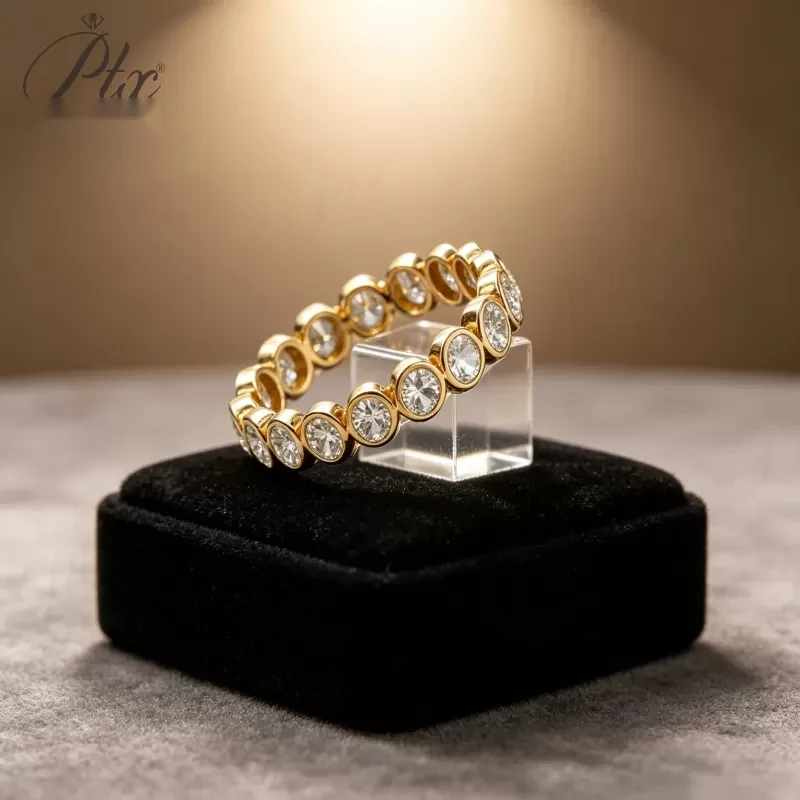
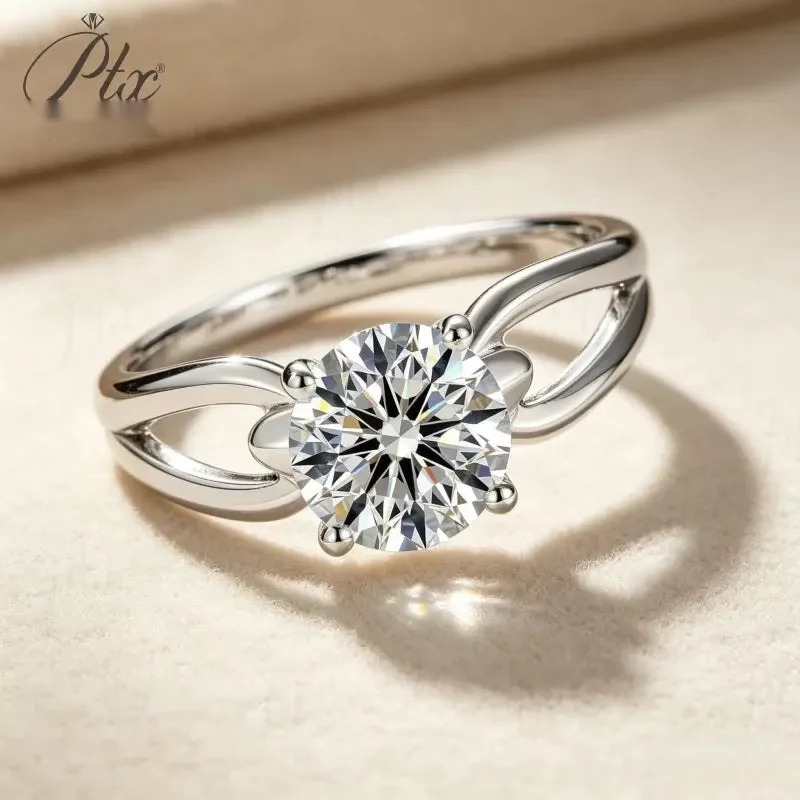
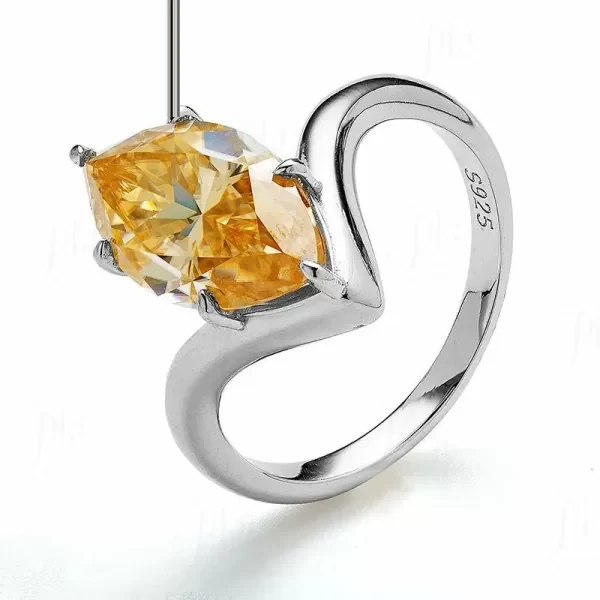
Alloy Rings are one of the most price-accessible categories a jewelry wholesaler can carry, and the first question every buyer asks is how the pricing actually works. In this category, pricing is set per piece rather than per carat, because alloy rings use metal compositions and design labor as their value drivers rather than graded stones.
That single fact shapes your entire buying decision: your margin is built on the per-piece wholesale price list, your order quantity, and the finish you select. This article walks through how suppliers structure pricing for alloy rings, how to read a wholesale price list, and what to confirm before you commit to an order.
How Pricing Basis Works for Alloy Rings
Alloy rings are priced per piece, which is different from moissanite or loose stone categories where per-carat pricing applies. The per-piece rate reflects the metal composition, the plating or finish, the complexity of the design, and any setting work involved. A simple band in a standard finish will sit at the low end of a supplier's price list, while a multi-stone design with pave-style setting work will sit higher.
What Drives the Per-Piece Price Up or Down
Three variables move the number most. First, the base metal: heavier rings use more material and cost more per unit. Second, the finish: gold plated and gold vermeil finishes vary in thickness and cost. Third, design complexity: handwork, engraving, and stone setting all add labor to each unit. When you compare price lists from different suppliers, make sure you are comparing rings with the same finish thickness and setting style, or the numbers will not be meaningful.
Why Per-Piece Beats Per-Carat for This Category
Per-piece pricing gives buyers predictable unit economics. You know exactly what each ring costs before you order, and your retail markup calculation is straightforward. Per-carat pricing only makes sense when the stone carries most of the value, which is not the case for alloy rings. If a supplier quotes you per carat on alloy pieces with small accent stones, ask them to restate the quote per piece so your cost model stays clean.
Reading a Wholesale Price List for Alloy Rings
A usable wholesale price list should break pricing into quantity tiers. Most suppliers quote a base rate for minimum orders and offer stepped rates as volume increases. For alloy rings, the entry point is typically a small minimum for stock styles, with custom work starting at a higher quantity. Below is an example of how a tiered structure is usually organized.
| Order Type | Minimum | Pricing Basis | Typical Use |
|---|---|---|---|
| Stock style sample | 1 piece | Per piece | Testing the design |
| Small stock run | 30 pieces | Per piece, base tier | First retail drop |
| Custom production | 30 pieces | Per piece, quoted per design | Branded collections |
Notice that the custom minimum sits at 30 pieces, while stock styles can be sampled at a single unit. That distinction matters when you are building your first order plan. Sample first at one piece, confirm the finish and sizing against your market, then move into a 30-piece custom run once the design is validated.
Loose stones, if you add them to an alloy ring order, are sold separately by the carat, so keep those costs in a different line of your budget.
Questions to Ask Before Accepting a Price List
- Is the quoted finish gold plated, gold vermeil over 925 sterling silver, or solid 10K/14K/18K gold?
- Does the tiered pricing apply across styles, or only within a single style code?
- Are plating thickness and stone counts itemized, or bundled into one rate?
- What is the validity period of the price list, given metal and labor cost movement?
Getting written answers to these four questions protects you from the most common pricing misunderstandings. If a supplier cannot confirm the true metal name and finish type in writing, treat that as a signal to keep shopping. Accurate labeling also matters for your own compliance: plated and vermeil pieces should never be marketed to your customers as solid gold.
Payment Terms and Production Timelines to Plan Around
Pricing is only useful when you know the terms attached to it. Standard payment for bulk production is T/T with a 30 percent deposit and the 70 percent balance before shipment. Sample orders can be paid through PayPal, which lowers the barrier when you are testing a new supplier or a new design. Build both the deposit schedule and the balance payment into your cash flow planning, because the balance falls due before the goods leave the factory.
Sampling and Bulk Lead Times
Sampling takes 7 to 10 days, and bulk production runs 15 to 25 days after you approve the sample. That means a new custom alloy ring design typically moves from concept to ready-to-ship in roughly four to five weeks. If you are planning a seasonal launch, work backward from your retail date and leave room for one or two sample revisions.
Confirm your price list quote reflects the final approved design, since changes made after sampling can move the per-piece cost.
Quality Control and Delivery Expectations
Quality checks happen in three stages: incoming material inspection, in-process inspection during production, and a pre-shipment AQL inspection before goods are packed. Ask which AQL level your order will be inspected against, and whether you can review the pre-ship report. On the delivery side, DDP shipping to the US takes 5 to 8 days, with duties and clearance handled so your landed cost matches the quoted per-piece price.
Knowing the landed cost per unit is what turns a price list into a real margin calculation.
Building a Margin Model From a Price List
Once you have a confirmed per-piece price and DDP delivery terms, the rest is arithmetic. Take the per-piece cost, add your inbound freight share if any, apply your target markup, and compare the result against comparable retail price points in your market. Because alloy rings carry a low per-unit cost, they work well as entry-level or volume lines in a catalog alongside higher-ticket gold vermeil or solid gold pieces.
Many buyers use a tiered assortment: alloy rings at the accessible end, 925 sterling silver and vermeil in the middle, and solid 10K/14K/18K gold at the top, with moissanite stones in graded settings carrying the premium tier.
Common Pricing Mistakes Wholesale Buyers Make
- Comparing quotes without confirming the same finish thickness and metal base.
- Ignoring the 70 percent balance timing when forecasting cash flow.
- Ordering custom production before validating the design with a single-piece sample.
- Not confirming DDP terms, which can leave duties and clearance as surprise costs.
Each of these mistakes is avoidable with a written quote, a signed sample reference, and a clear production timeline. The price list is a starting point; the confirmed terms around it are what protect your margin.
Order Terms for Wholesale Buyers
MOQ is 1 piece for stock styles and 30 pieces for custom work, and loose stones are sold by the carat. Sampling takes 7 to 10 days, and bulk production runs 15 to 25 days after the sample is approved. Pricing is quoted per piece or per carat depending on the item. Payment is T/T with a 30% deposit and the 70% balance before shipment, and PayPal is accepted for sample orders.
Frequently Asked Questions
What is the minimum order for alloy rings?
Stock styles can be ordered at a minimum of 1 piece, which makes sampling easy. Custom work requires a minimum of 30 pieces per design. Loose stones are handled separately and sold by the carat.
How are alloy rings priced compared to stone-set jewelry?
Alloy rings are priced per piece, while loose stones and graded stone categories are priced per carat. Per-piece pricing gives you a fixed unit cost that is simple to model for retail markup. Ask suppliers to itemize plating and setting work so quotes stay comparable.
How long do sampling and bulk production take?
Samples take 7 to 10 days to produce. Bulk production takes 15 to 25 days after sample approval. Plan for possible revisions when scheduling a seasonal launch.
What payment terms apply to wholesale orders?
Bulk orders use T/T with a 30 percent deposit and the 70 percent balance before shipment. Sample orders can be paid via PayPal. Confirm the schedule in writing before production begins.
How does delivery to the US work?
DDP delivery to the US takes 5 to 8 days, with duties and clearance handled before arrival. This lets you calculate a true landed cost per piece from the price list. DDP terms are the simplest option for first-time importers.
Start Building Your Alloy Ring Order
A clear price list and confirmed per-piece terms turn alloy rings into one of the easiest categories to buy well. Review the current catalog of ready-to-order styles on the wholesale jewelry products page, then read more buying guides on pricing, QC, and shipping in the jewelry wholesale blog.
When you are ready to request a quote or start a 30-piece custom run, reach out through the supplier contact page and the team will send a per-piece price list with sampling and production timelines included.
Moissanite is a lab-created diamond alternative, not a natural diamond; listings and customer-facing copy should describe it that way.
Sources: Grading references: GIA gem education and GIA laboratory information.