Alloy Rings Wholesale: moissanite vs CZ
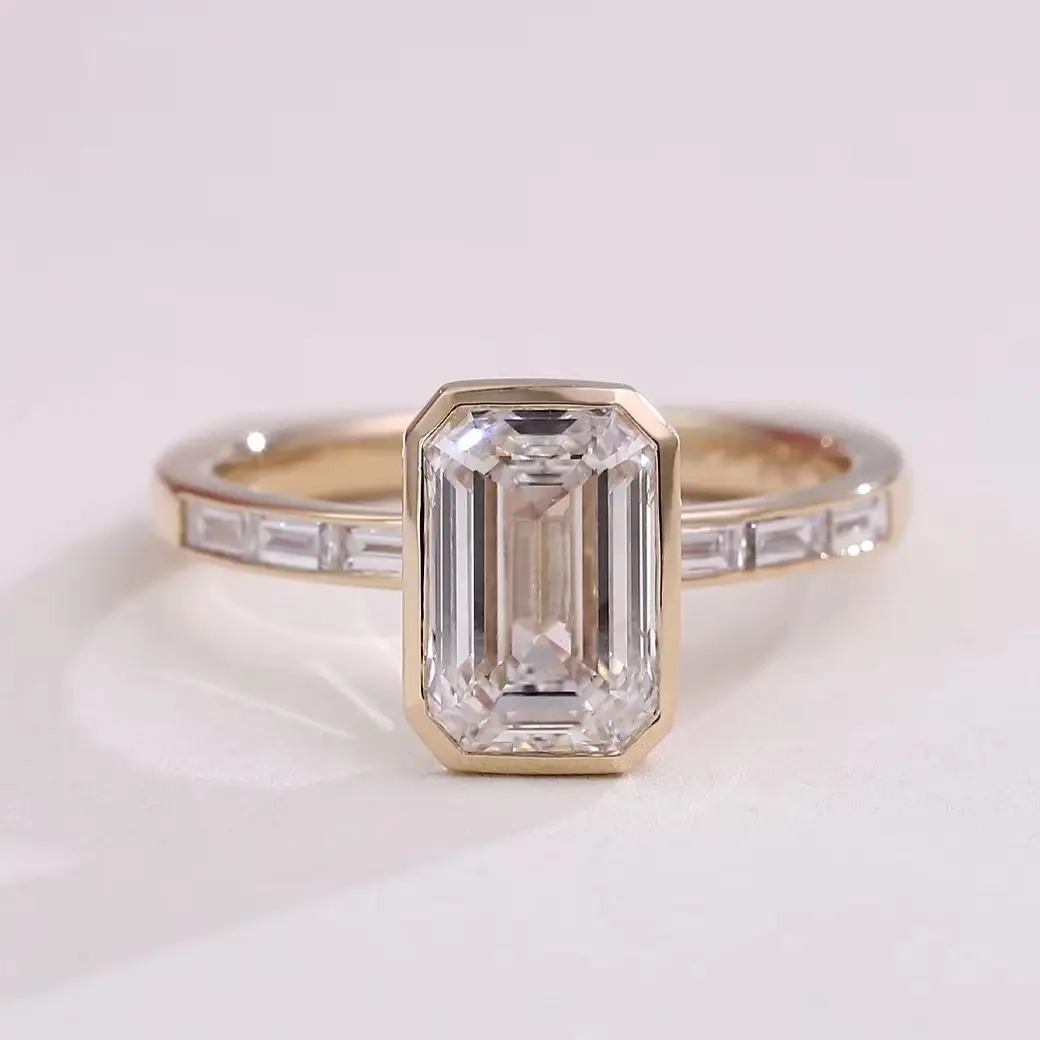
Moissanite vs Lab-Grown CZ: The Core Buying Decision for Wholesale Alloy Rings
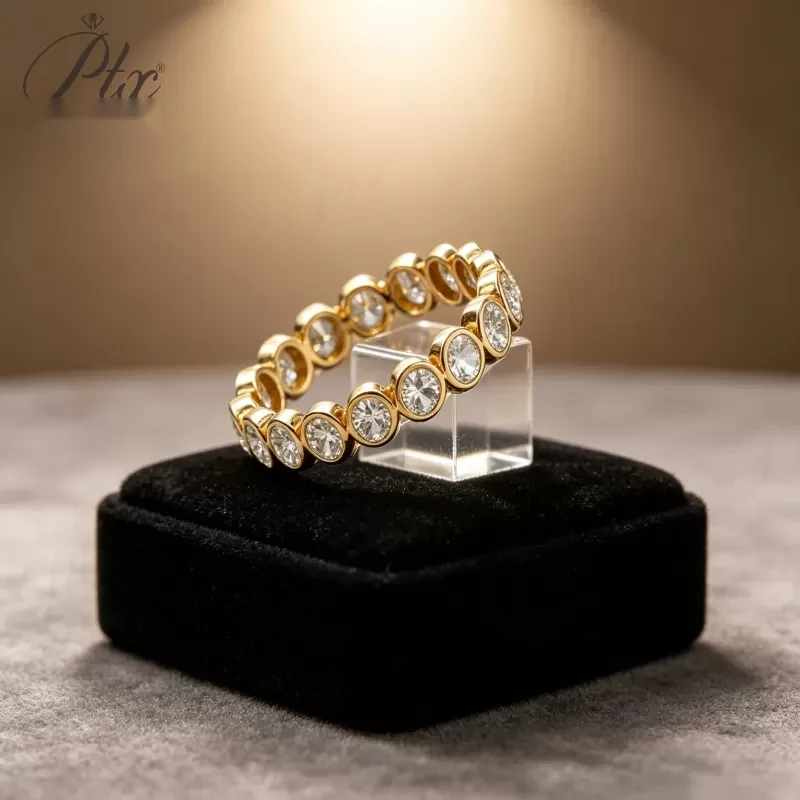
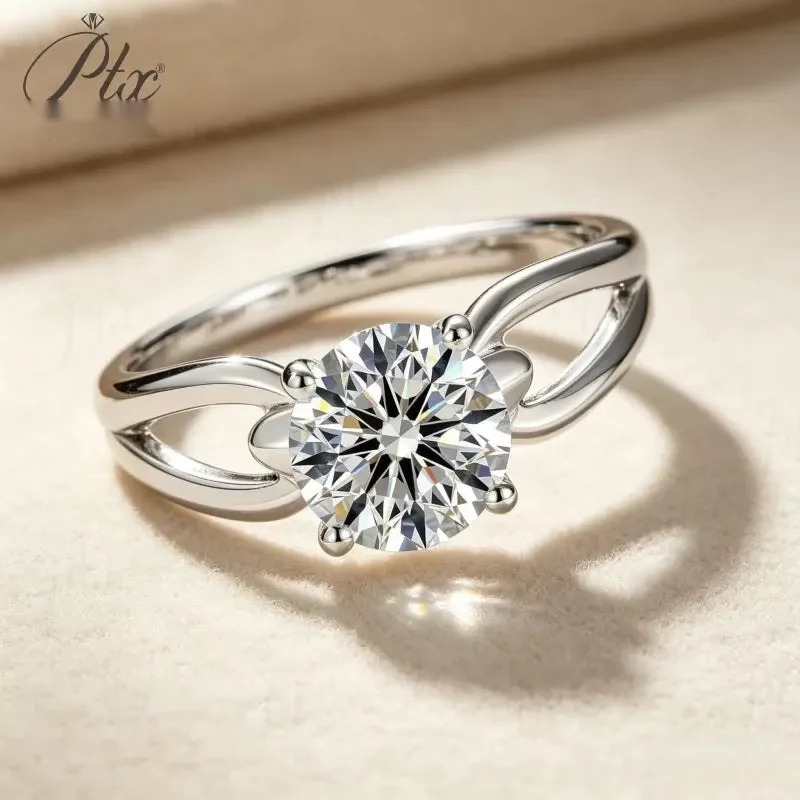
When sourcing alloy rings for the US market, the most consequential decision you will make is which lab-created stone to set in them: moissanite or cubic zirconia. Moissanite is a lab-created diamond alternative with exceptional fire and hardness, and it supports a higher retail story. Cubic zirconia is a lab-created simulant with a far lower unit cost, suited to trend-driven fashion lines with fast turnover.
Both are legitimate choices for alloy rings, but they serve different customer segments, price tiers, and reorder cycles. This article walks through the practical decisions a wholesale buyer faces when selecting between them, from stone performance and certification to MOQ strategy, plating compliance, and production timelines.
How the Two Stones Perform in Retail Conditions
Both stones are grown in laboratories, but they behave very differently once they leave the warehouse and reach end customers. Understanding those differences helps you set realistic price tiers and anticipate returns or complaints.
Hardness and Everyday Wear
Moissanite rates around 9.25 on the Mohs scale, which places it among the hardest materials used in jewelry. It resists scratches from daily contact with keys, desks, and door handles far better than softer stones. Cubic zirconia sits near 8 to 8.5, and after months of regular wear its surface can develop micro-scratches that scatter light and dull the polish. For alloy rings positioned as daily wear items, moissanite reduces the complaint rate related to cloudiness.
For seasonal or occasion-driven designs, CZ remains a sensible fit because the wearing window is shorter.
Brilliance, Fire, and Color
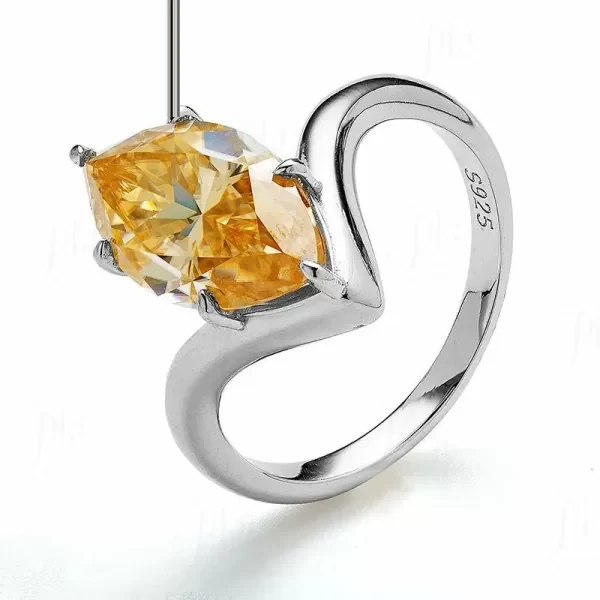
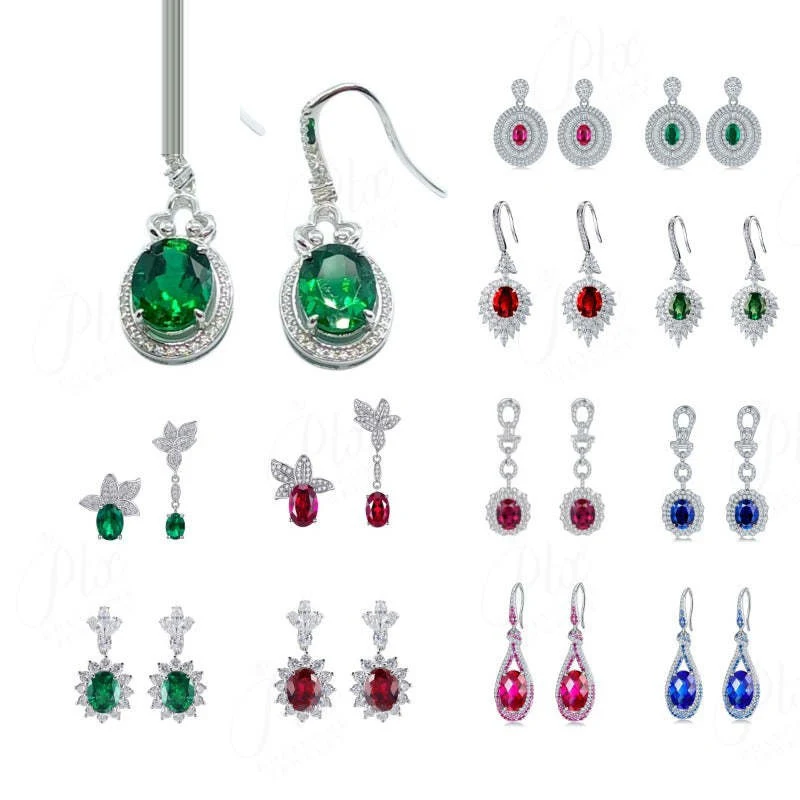
Moissanite disperses light more strongly than diamond, producing visible rainbow fire that is especially noticeable in larger center stones. Some end customers love this effect; others prefer a whiter, calmer sparkle, so many suppliers offer colorless or near-colorless moissanite grades. Cubic zirconia is produced in a broad color range, including shades that imitate natural gemstones such as blue, pink, and champagne. That flexibility is valuable for collections tied to seasonal color trends.
CZ can also be coated to improve whiteness, though coatings gradually wear, another reason CZ fits shorter product lifecycles.
Density, Weight, and Setting Engineering
Cubic zirconia is denser than moissanite, so a CZ stone of the same dimensions weighs more. On the finger, that difference is modest, but in shipping calculations and in pavé-heavy designs it matters. Heavier stones put more stress on prongs, channels, and glue-set seats, which raises the risk of stone loss during wear or transit. When you request a quotation, specify the intended stone type so the factory can engineer the settings correctly before sampling begins.
Certification and Grading Papers
Graded moissanite stones come with GRA or IGI papers, which describe the stone's characteristics and support a certificate story at retail. Many US buyers include the paper in the retail box as a value-add. Cubic zirconia is typically supplied without papers, which keeps cost down but means the retail pitch relies on styling and price rather than documentation. Decide early whether certificates are part of your offer, because it affects both stone selection and packaging.
Pricing Structure and Stone Mixing Strategy
Stones are priced per piece or per carat depending on the item. Moissanite carries a higher per-carat cost than CZ, so a fully pavéd design in moissanite can multiply your unit cost quickly. A common resolution among experienced buyers is mixing: a graded moissanite center stone with CZ or plain metal accents. This keeps the certificate story attached to the stone that customers look at first while holding the total cost near a fashion price point.
Before committing to either approach, model the landed cost of both variants. Alloy rings are lightweight, but DDP air delivery to the US runs 5 to 8 days and the freight cost is folded into your per-piece calculation. Run the numbers per carat for the center stone and per piece for accents, then compare against the wholesale price you can defend with your retail accounts.
MOQ Strategy: Testing Stone Variants Before Scaling
The MOQ structure is built for exactly this kind of testing. Stock styles in the alloy rings catalog carry a 1 piece MOQ, which means you can order a single sample of a design set with moissanite and a second set with CZ, then compare them side by side. Custom work requires a 30 piece MOQ per style, which is the point where you commit to a production run.
Sampling takes 7 to 10 days from confirmation of specs. Once you approve the sample, bulk production takes 15 to 25 days. Budget for that sequence when planning launches: a stone-variant test with two samples adds roughly two weeks to your timeline, but it protects you from ordering 30 pieces of a design whose stone choice does not match your market.
Compliance: Naming Metals and Stones Correctly
Alloy rings are base-metal rings finished with surface treatments, and accurate naming protects both your listings and your customers. The surface finish must be described truthfully as gold plated or gold vermeil; only 925 sterling silver, 10K/14K/18K solid gold may be called solid gold. A plated alloy ring marketed as solid gold creates returns, platform penalties, and legal exposure.
Stone naming follows the same rule. Moissanite is a lab-created diamond alternative; it is not a natural or real diamond, and listings should never imply otherwise. Cubic zirconia is a simulant and should be named as such. US marketplaces actively police these claims, so compliant wording is not optional. Keep the following checklist in front of your content team:
- Describe finishes as gold plated or gold vermeil; reserve solid gold for 925 sterling silver or 10K/14K/18K solid gold items.
- Call moissanite a lab-created diamond alternative; never use diamond or real diamond for it.
- Name cubic zirconia plainly as CZ or a lab-created simulant.
- Avoid absolute claims about durability or permanence; describe hardness and care facts instead.
Quality Control Across the Batch
Stone choice also changes what you should inspect. Production quality control runs in three stages: incoming material inspection, in-process checks during manufacturing, and a pre-ship AQL inspection on finished goods. For alloy rings, the stages cover different risks depending on the stone.
With CZ, the main risks are color mismatch between loose stones purchased in different lots, coating wear, and stones loosening under heavier weight in pavé seats. With moissanite, the focus shifts to matching graded stones to their GRA or IGI papers and confirming that certificate numbers correspond to the stones actually set. At the pre-ship AQL inspection, request reports that list stone security, plating thickness consistency, and stone color matching across the batch.
Reconcile those reports against your packing list on receipt, and hold discrepancy records so reorder specs stay accurate.
Comparing the Two Stones Side by Side
The table below condenses the key decision variables into one view. Use it when briefing your team or comparing quotes from different stone specifications.
| Factor | Moissanite | Cubic Zirconia |
|---|---|---|
| Mohs hardness | Around 9.25 | Around 8 to 8.5 |
| Pricing basis | Per carat, higher cost | Per piece, lower cost |
| Papers | GRA or IGI available | Typically none |
| Best fit | Everyday and fine-alternative tiers | Fashion and seasonal lines |
| Wear behavior | Resists scratches well | Polish dulls over time |
Read this table as a starting matrix, not a verdict. The right answer depends on your channel: marketplace sellers with strict claim scrutiny often lean toward graded moissanite, while fast-fashion retailers moving high volumes of new styles each month lean toward CZ.
Timelines, Payments, and Delivery for US Buyers
Plan your cash flow around the standard payment terms: T/T with a 30 percent deposit and the 70 percent balance before shipment. Sample orders can be paid through PayPal, which simplifies the testing phase described above. Because bulk production takes 15 to 25 days after sample approval and DDP delivery to the US takes 5 to 8 days, a custom alloy rings order typically moves from deposit to doorstep in roughly four to six weeks.
Build that window into your buying calendar, especially ahead of gifting seasons when stone-set styles sell hardest.
Frequently Asked Questions
Can I order one sample of each stone variant before committing?
Yes. Stock styles carry a 1 piece MOQ, so you can order a moissanite version and a CZ version of the same design for comparison. Sampling takes 7 to 10 days. If the test goes well, custom production runs at a 30 piece MOQ per style.
Do moissanite stones in alloy rings come with certificates?
Graded moissanite stones are supplied with GRA or IGI papers that document the stone's characteristics. Cubic zirconia is typically supplied without papers. If certificates are part of your retail offer, confirm paper inclusion in your order specifications before sampling.
Which stone should I choose for a first-time alloy rings collection?
If your price point is fashion-level and your styles rotate quickly, start with CZ and reserve moissanite for hero pieces. If your channel is fine-jewelry adjacent or marketplace-driven, lead with graded moissanite centers and CZ accents. Ordering one piece of each variant is the lowest-risk way to decide.
How are the stones priced for wholesale orders?
Pricing is per piece or per carat depending on the item. Loose moissanite is quoted per carat and CZ usually per piece, so a pavé-heavy design should be quoted with the exact stone layout specified. Payment is T/T with a 30 percent deposit and 70 percent balance before shipment, with PayPal accepted for sample orders.
How long does a custom alloy rings order take end to end?
Sampling runs 7 to 10 days, then bulk production takes 15 to 25 days after you approve the sample. DDP delivery to the US adds 5 to 8 days. Plan roughly four to six weeks from deposit to receipt.
Start Your Alloy Rings Sourcing Plan
Choosing between moissanite and lab-grown CZ comes down to matching stone performance to your price tier and channel requirements. The lowest-risk path is to test both variants at a 1 piece MOQ, review the samples against the comparison points above, and scale the winning design into a 30 piece custom run with three-stage QC and GRA or IGI papers where the stone warrants them.
Browse the current stock styles in our alloy rings product catalog, read more sourcing guidance in our wholesale jewelry blog, or request a quotation and sample order to begin your stone selection today.
Order Terms for Wholesale Buyers
MOQ is 1 piece for stock styles and 30 pieces for custom work, and loose stones are sold by the carat. Sampling takes 7 to 10 days, and bulk production runs 15 to 25 days after the sample is approved. Pricing is quoted per piece or per carat depending on the item. Payment is T/T with a 30% deposit and the 70% balance before shipment, and PayPal is accepted for sample orders.
Sources: Grading references: GIA gem education and GIA laboratory information.