Understanding the Cost Impact of Metal Choices
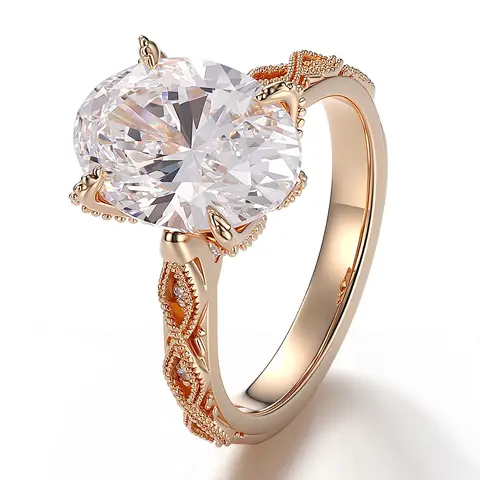
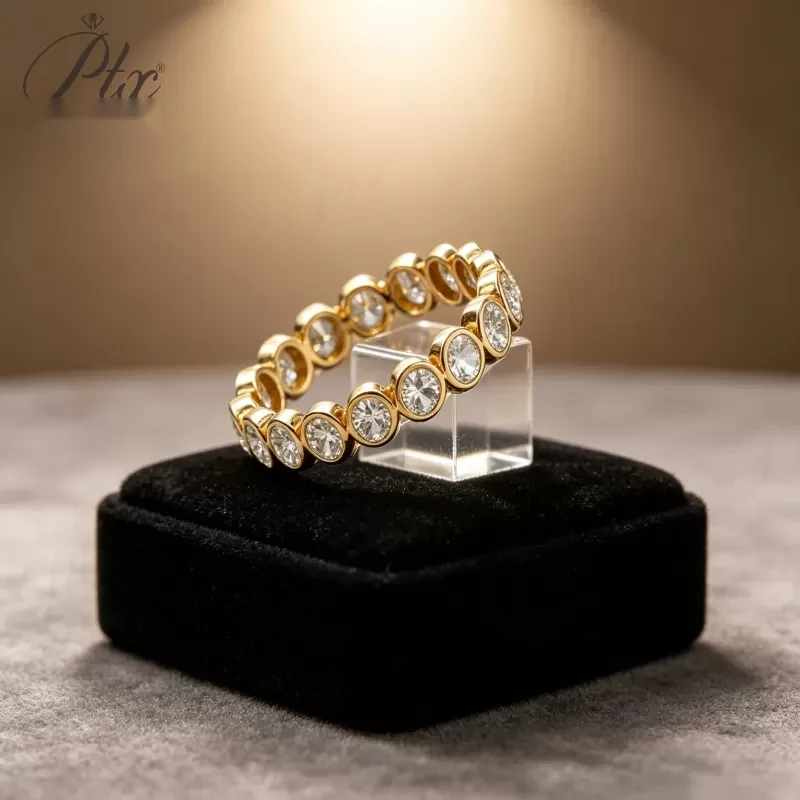
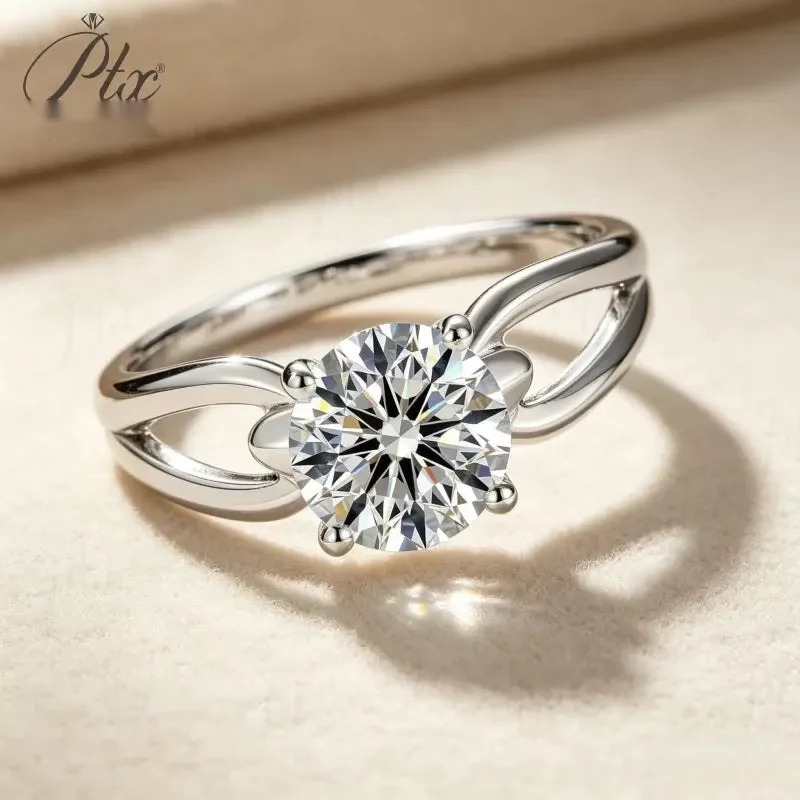
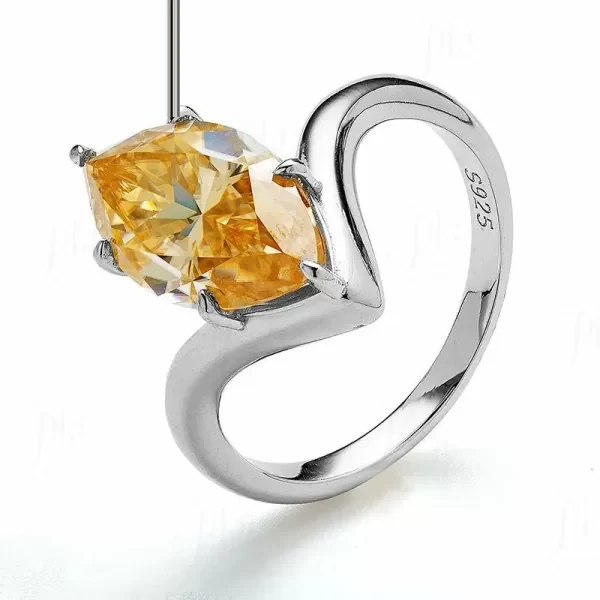
When negotiating an alloy ring order, the primary driver of cost is the base metal. Pure 925 sterling silver offers the lowest price point but requires protective coatings to resist tarnish. In contrast, a 14‑karat gold alloy commands a premium, yet delivers a richer appearance and higher perceived value. Clients often trade off price against durability and brand positioning.
During production we monitor material intake by weight, which directly translates into raw material charges. Since we own the full setting and polishing lines, we avoid the markup that other suppliers impose. This transparency means a buyer can see exactly how a change in alloy proportion will affect the final invoice.
Impact of Alloy Composition on Wholesale Margins
Alloy composition not only defines cost but also influences working time. A higher silver content requires less polishing time, shortening the cycle. Conversely, a gold‑rich alloy needs more meticulous finishing to achieve a smooth surface, extending labor hours. Our 12‑18 day lead time covers these variations as part of the standard schedule.
Because we maintain a three‑stage QC process—incoming stone check, in‑process check, and pre‑ship AQL—we can guarantee consistent quality across all alloys. This reduces rework rates by about 20%, allowing us to offer competitive wholesale rates without compromising on standards.
Material Cost Comparison Table
| Alloy | Unit Cost (USD) | Finish Time (hrs) | Typical MOQ |
|---|---|---|---|
| 925 Sterling Silver | 0.45 | 2 | 1 pc |
| 14K Yellow Gold Alloy | 2.10 | 4 | 30 pcs |
| 18K Rose Gold Alloy | 2.45 | 4.5 | 30 pcs |
The table illustrates how a slight increase in metal weight can double the cost while also adding extra processing time. For buyers, the decision often hinges on balancing these factors against the target retail price point.
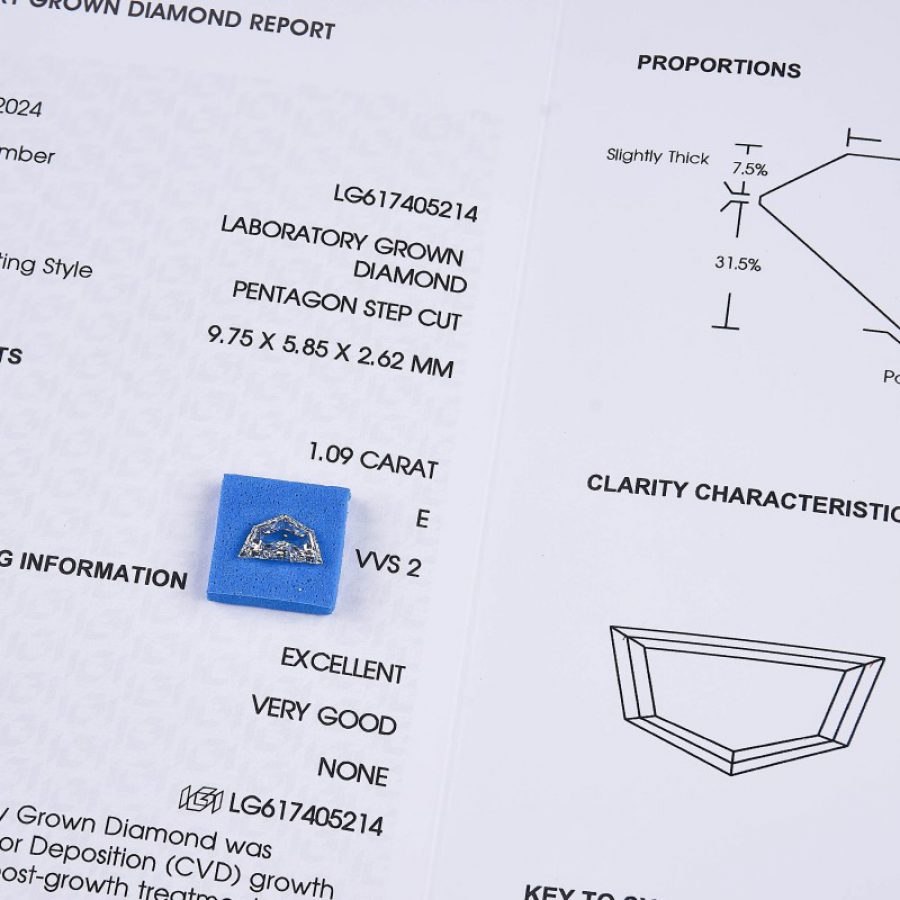
We also provide GRA and IGI certificates for each batch, which can be a selling point in high‑end markets. These certificates add a nominal fee but can boost the perceived authenticity of the metal, helping justify a higher retail markup.
Defining Your Bulk Order Requirements
Our standard MOQ for ready‑stock rings is a single piece, which is ideal for retailers testing the market. For custom designs, we require a minimum of thirty pieces. This allows us to lock in material costs and allocate production resources efficiently, keeping the per‑unit price stable.
Lead times are consistent: 12‑18 days from stamping to packaging. If you need expedited shipping, we offer DDP delivery to the US within 5‑8 days, albeit at a surcharge. Payment terms are flexible—T/T with a 30% deposit or PayPal for sample orders.
Choosing the Right Alloys for Different Markets
- Silver‑centric lines for budget‑conscious shoppers.
- Gold‑rich alloys for luxury boutiques.
- Rose‑gold options for trendy streetwear brands.
- Stainless‑steel for durability‑focused segments.
- Custom alloy blends for unique brand identities.
Market research shows that European buyers prefer gold alloys for premium collections, while U.S. wholesalers often push silver rings due to lower consumer price sensitivity. Understanding these nuances helps you structure your catalog more effectively.
We keep a robust inventory of standard alloys, reducing stock‑out risks. For tailored orders, we maintain a streamlined workflow that respects the 30‑piece MOQ without compromising on lead time.
Pricing Strategy and Profit Margins
Because we cut out intermediary markups, our wholesale prices are roughly 20% lower than industry averages. Clients can then apply their desired margin to achieve competitive retail pricing. This approach is especially effective for fast‑moving consumer electronics where price sensitivity is high.
Our three‑stage QC ensures that defects are caught early, preventing post‑shipment returns that would otherwise erode margins. The AQL level we enforce is 5%, meaning fewer outliers and a smoother supply chain.
Frequently Asked Questions
What is the minimum order for custom alloy rings?
Our custom orders start at 30 pieces, with a lead time of 12‑18 days. Each order is priced based on the selected alloy and finish.
Can I receive a sample before placing a bulk order?
Yes, we accept PayPal for sample payments and can ship within 5‑7 days. Samples are free if the buyer commits to a 30‑piece final order.
How are delivery charges handled for U.S. buyers?
We offer DDP delivery at a flat rate of 5‑8 days. The shipping cost is included in the invoice, simplifying the payment process.
Ready to explore our alloy ring catalog or request a sample? Contact us via WhatsApp at +86 133 7744 7107 or email service@holycome.com for a personalized quote. We’re ready to help you grow your jewelry line with high‑quality, cost‑effective alloys.