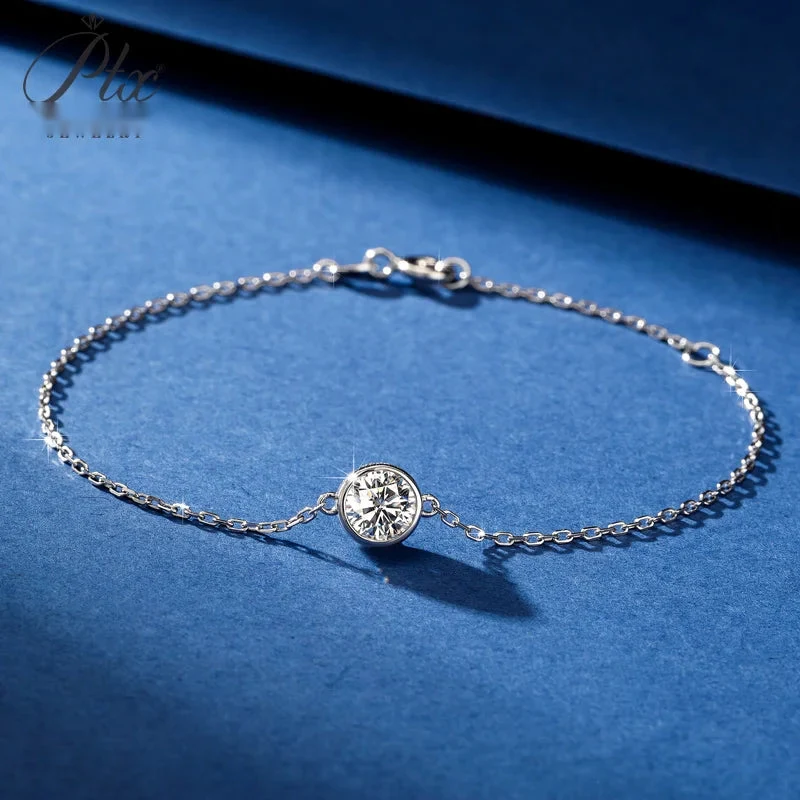
Bracelets Supplier for Jewelry Stores: plating thickness and tarni
Why Plating Thickness Matters When Choosing a Bracelets Supplier
When you’re sourcing bracelets for your store, the first thing each buyer looks at is the finish. A thin plating can look bright, but it will soon show scratches and discoloration, especially on jewelry that sees daily wear. With a thicker, well‑controlled plating you get a longer lifespan and a more premium feel that resonates with customers.
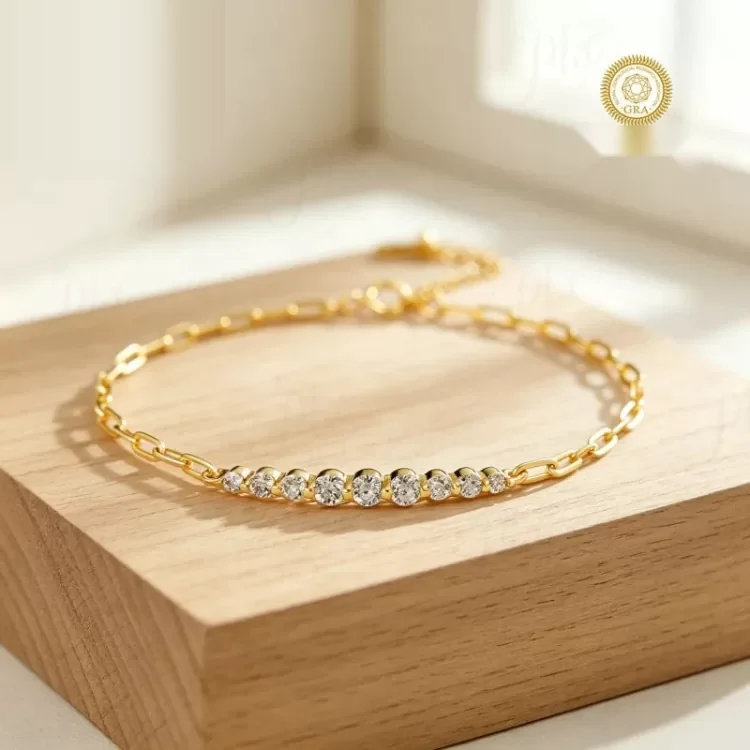
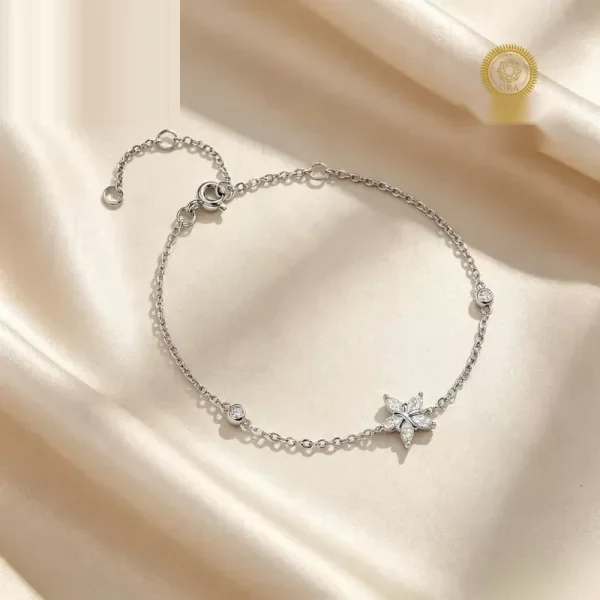
At Holycome, we apply a multi‑layer plating technique that guarantees a minimum thickness of 1.5 microns for gold and 2.0 microns for silver. This level not only meets industry standards but also reduces the chance of the underlying metal showing through after a few months of wear. The result is a bracelet that keeps its luster and appeal for longer, which translates to higher customer satisfaction and repeat sales.
The Role of Tarnish Resistance in Your Product Line
Tarnish is the silent killer of silver and some gold alloys. When a bracelet tarnishes, it loses its shine and customers perceive it as low quality. That perception can damage your brand, even if the manufacturing process was flawless.
We treat every piece with a high‑quality anti‑tarnish coating and conduct a final visual inspection before shipping. Our three‑stage QC process—stone check, in‑process inspection, and pre‑ship quality audit—ensures that any potential tarnish issues are caught early. The result is a product that stays looking fresh and shines like new longer, which keeps your customers coming back for more.
Plating Thickness vs. Tarnish: A Comparative Table
| Metal | Typical Thickness (µm) | Tarnish Resistance | Longevity |
|---|---|---|---|
| 925 Silver | 2.0 | High | 2–3 years |
| Gold (18K) | 1.5 | Medium | 3–5 years |
| Platinum | 1.2 | Low | 4–6 years |
How Our QC Process Protects Your Investment
Our three‑stage QC ensures that each bracelet is inspected at critical points—right after stone acquisition, during in‑process shaping, and before shipment. This layered approach reduces defects and ensures consistent finish quality.
Because we control the entire setting and polishing lines, we can push our first‑pass yield up to 20% better than typical trading companies. This means fewer returns, lower defect rates, and a smoother experience for you and your customers.
What to Expect When You Order Custom Bracelets
- Minimum order quantity (MOQ) of 30 pieces for custom designs
- Production lead time of 12–18 days from final design approval
- Three‑stage QC to guarantee quality and consistency
- Certificates of authenticity (GRA, IGI) available upon request
- Flexible payment options: T/T with 30% deposit or PayPal for samples
Why Holycome Beats the Competition on Cost and Speed
Owning our setting and polishing lines gives us an edge. We can move designs from concept to production faster and at a lower cost than many trading partners that outsource these steps.
The combination of in‑house production, rigorous QC, and streamlined logistics allows us to offer competitive prices and a 5–8 day DDP delivery to the US. Your customers get high‑quality, plated bracelets that stay bright and tarnish‑free, and you benefit from better margins and faster turnaround.
Frequently Asked Questions
What is the minimum order quantity for stock bracelets?
The MOQ for stocked bracelets is 1 piece, allowing you to test new styles without a large upfront commitment.
How long is the lead time for a custom order?
Custom orders have a production lead time of 12–18 days, with a 30% T/T deposit required to start production.
Do you provide certificates for your stones?
Yes, we offer GRA and IGI certificates for all polished stones and can provide them at the time of delivery or upon request.
Ready to elevate your bracelet collection? Contact us for a quote or sample today.