Trade Show Sampling for brooches and Pins
A trade show converts on the sample that leaves the booth, not on the catalogue that gets left behind. The sample card has to carry the model number, the metal, the stone size, the FOB price and the MOQ, or the follow-up email starts from zero, which is how the Trade Show Sample account reads it at USD 13-104.
Ten to twelve pieces on a tray is the useful number for brooches and Pins. More than that and the buyer photographs instead of touching, and a photograph is not an order, which is USD 13-104 on the Trade Show Sample schedule.
The follow-up window is seven days. After that the card sits in a stack. We write the quote the same week and put the sample in the post so the buyer has the piece on the desk when the price arrives, which is how the Trade Show Sample account reads it at USD 13-104.
MOQ, Mixed Designs and the Real First Order in the Trade Show Sample Program
A US buyer of brooches and Pins sent us a competitor's brooches and Pin in August with one question: why does this fail at catch strength after a season. We measured it, rebuilt the spec around catch pull strength and pin alignment, and shipped 100 brooches and Pins that cleared inspection with zero rejects, which the Trade Show Sample file records at USD 13-104 in display tray with sample card.
That rejection was avoidable at the drawing stage. Catch strength belongs on the spec sheet next to the stone size, not in the claim email three weeks after arrival, on a 100-piece Trade Show Sample order at USD 13-104.
We kept the Trade Show Sample price and changed the four measurements that matter. The rebuild cost about 15 seconds per piece and removed the whole claim conversation, and 100 pieces leaves Wuzhou in display tray with sample card at USD 13-104.
Four Spec Lines a Trade Show Sample Buyer Checks
The Trade Show Sample buyer signs on four numbers. The table puts the trade default beside our standard so the difference is visible before the deposit, and 100 pieces leaves Wuzhou in display tray with sample card at USD 13-104.
| Spec point | Common trade output | HOLYCOME standard | Cost if missed |
|---|---|---|---|
| Stone colour consistency | Graded by eye under D65 | Colour matched to a retained master stone, per tray | Repeat colour complaint in the same SKU |
| Sizing drift across the run | Not measured | Go/no-go gauge on every size, drift held under 0.15 mm | Resize queue and reship cost |
| Clasp spring life | Sampled by hand | Cycled 500 times on a jig per lot | Detach claim and brand damage |
| Prong tension and seat depth | Checked by feel at the bench | Pull-tested per piece, seat depth written on the sheet | Stone loss and total replacement |
None of the four adds cost at USD 13-104. They add about 15 seconds per piece and remove the reason to inspect twice.
Cost Split on a Trade Show Sample Piece at USD 13-104
At USD 13-104 per piece for brooches and Pins, the stone sits near a quarter and the labor line moves by double digits between two quotes for one drawing.
| Cost line | Share | What moves it |
|---|---|---|
| Base metal or alloy for brooches and Pins | 32% | Alloy choice and casting yield |
| Stone or melee for brooches and Pins | 23% | Sieve range and lot batching |
| Setting and finishing labor for brooches and Pins | 21% | Jig design and bench minutes |
| Plating, polish and QC for brooches and Pins | 14% | Per-tray versus per-piece checks |
| Packaging for brooches and Pins | 10% | display tray with sample card |
The saving in the cheapest quote hides in plating and stone grade. At 100 pieces that saving is visible in season two, which the Trade Show Sample file records at USD 13-104 in display tray with sample card.
MOQ, Mixed Designs and the Real First Order
For brooches and Pins at this price band, the honest answer is a range rather than a point, and the range has a reason, on a 100-piece Trade Show Sample order at USD 13-104.
The commercial version of this question for brooches and Pins is simple: what does a failure cost the buyer, and who pays it. In our terms the answer is a replacement inside the same order cycle, with the retained reference tray as the arbiter, which is USD 13-104 on the Trade Show Sample schedule.
That clause matters more than a discount on brooches and Pins. A 4% lower unit price disappears on the first rejected tray; a written responsibility clause does not, which is USD 13-104 on the Trade Show Sample schedule.
Sample to Container: The Real Calendar
Most quotes for brooches and Pins describe the product and skip the part that decides whether the buyer makes money, quoted at USD 13-104 per piece in display tray with sample card.
What buyers underestimate on brooches and Pins is the cost of the interruption, not the cost of the piece. A missing 6% of a run stalls a launch, and a stalled launch costs more than the 6% ever did, the figure being USD 13-104 for a 100-piece run.
We plan a 3-5% buffer on first runs of brooches and Pins and tell the buyer it exists. Hiding a buffer and shipping it as production is how a supplier trains a buyer to distrust the count, and at USD 13-104 for 100 pieces that is the number the buyer signs.
Terms Behind a Trade Show Sample Order
The commercial frame is short enough to state in full. Minimum order is 50 pieces per design, and mixed designs travel in one shipment, so a 100-piece Trade Show Sample order can carry three or four models without a separate setup charge. Sample pieces leave in 3-5 days when the components are in stock, and a new model adds about twenty days before the first article exists, on a 100-piece Trade Show Sample order at USD 13-104.
Payment is 30 percent with the order and 70 percent against the bill of lading, with the balance window stated on the invoice rather than agreed by message. Prices quoted at USD 13-104 are FOB Guangzhou or Shenzhen; DDP is quoted separately because the duty line moves with the tariff schedule and not with our cost.
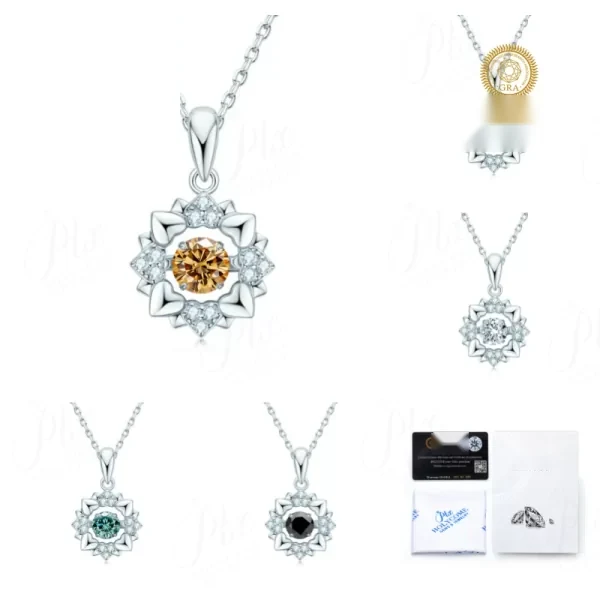
Packing follows the display tray with sample card format at 100 pieces to the carton, and the packing list carries SKU, size and stone size so receiving can count without opening every box. Private-label cartons add three days for the print run and must be approved before the first bulk order, not after it, quoted at USD 13-104 per piece in display tray with sample card.
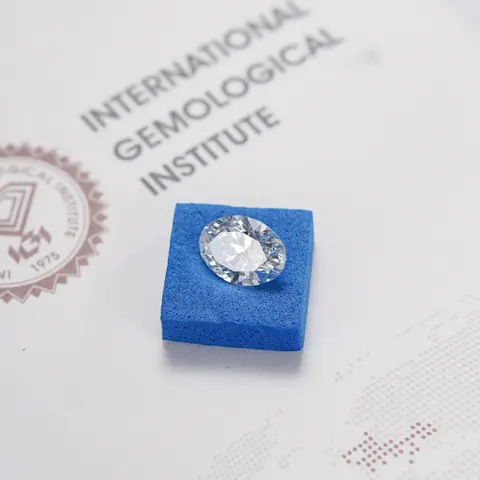
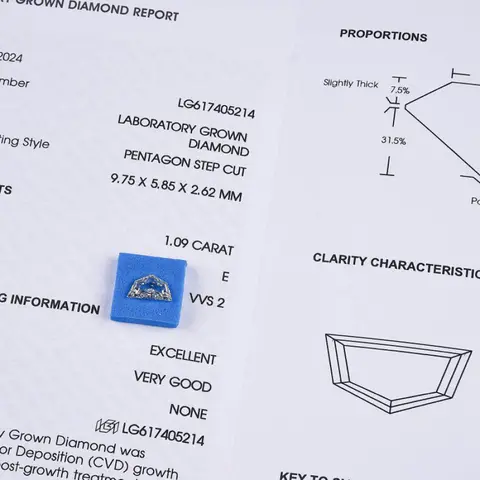
Certification is GRA report for the lots that carry it, with a batch report and per-piece measurement of catch pull strength for the lots below the threshold. The document set travels with the shipping papers, which is what a customs broker asks for at the port rather than after clearance, and at USD 13-104 for 100 pieces that is the number the buyer signs.
A rejected tray is settled inside the same order cycle against the retained reference piece. If the difference sits on our retained sample we replace or credit; if it appeared in transit we split the assay cost and file with the carrier, and that rule is written on the order before the deposit clears, and at USD 13-104 for 100 pieces that is the number the buyer signs.
Three Failures That Reach the Trade Show Sample Bench
pin solder creep
A pin joined with soft solder creeps under load and tilts. Hard solder plus a mechanical seat holds it, and the Trade Show Sample quote for it sits at USD 13-104.
In a 100-piece run this typically shows on 8 of pieces. Catching it means measuring catch pull strength at the tray level, not inspecting the finished carton, certified GRA report and packed display tray with sample card at 100 pieces.
enamel pinholes
Enamel fired with trapped air shows pinholes after polish. Two thin coats beat one thick coat, which the Trade Show Sample file records at USD 13-104 in display tray with sample card.
The commercial effect is piece loss and replacement, typically USD 6-11 per brooch. Buyers who have seen it once put it in the purchase order; buyers who have not usually discover it on the first return, which is USD 13-104 on the Trade Show Sample schedule.
catch strength
A safety catch that opens under fabric tension loses the piece. Catch tension needs a pull check, not a visual one, and at USD 13-104 for 100 pieces that is the number the buyer signs.
Our countermeasure is a gauge and a written limit. It adds about 15 seconds per piece and removes the defect from the run rather than from the carton, which is USD 13-104 on the Trade Show Sample schedule.
The First Trade Show Sample Order
Start with three designs at 50 pieces each. That covers the 100 pieces you need to read sell-through without betting on one model, certified GRA report and packed display tray with sample card at 100 pieces.
Sample 3-5 days, bulk 15-20 days under 500 pieces, 100 pieces inside that window. The calendar is the same on every Trade Show Sample run, which is how the Trade Show Sample account reads it at USD 13-104.
The Calendar Behind a Trade Show Sample Run
Nothing in this sequence is clever. Each step exists because skipping it cost somebody a claim on brooches and Pins at USD 13-104.
- Lock the spec: metal, stone size range, plating thickness, sizing band and finish, all written on one sheet.
- Pull a stock-component sample in 3-5 days and measure it against that sheet, not against the photo.
- Approve the sample in writing, including the reject rule and the retained reference tray.
- Run bulk in 15-20 days for orders under 500 pieces, with the gauge check independent of the shift.
- Ship from Guangzhou or Shenzhen with the QC sheet in the carton and the batch report by email.
MOQ is 50 pieces per design, low enough to test a category and high enough to keep the casting line accountable, quoted at USD 13-104 per piece in display tray with sample card.
Getting display tray with sample card to the US market
Sea freight costs roughly a third of air and takes three times the transit, which only makes sense for an SKU already selling in the US market, certified GRA report and packed display tray with sample card at 100 pieces, and 100 pieces leaves Wuzhou in display tray with sample card at USD 13-104.
FOB is the default and DDP is the option. Buyers new to the US market usually take DDP once and then switch after they see the breakdown, the figure being USD 13-104 for a 100-piece run.
At receiving, count cartons, weigh one tray and measure ten pieces against catch pull strength. Twenty minutes here saves a season of returns, shipped as display tray with sample card and certified GRA report, shipped as display tray with sample card and certified GRA report.
Frequently Asked Questions
How do you handle a rejected tray?
We replace or credit inside the same order cycle. The retained reference tray decides: if catch strength shows on our retained piece we own it, and if it appeared in transit we split the assay cost and file with the carrier, which is USD 13-104 on the Trade Show Sample schedule.
What are the payment terms?
30 percent deposit with the order, 70 percent against the bill of lading. For accounts on a second order we quote 30/70 with a 15-day balance window once the first shipment has cleared, on a 100-piece Trade Show Sample order at USD 13-104.
What is the minimum order for brooches and Pins?
50 pieces per brooches and Pin. Designs mix inside one shipment, so a first order of three designs at 50 pieces each is normal for a new US account. Below 50 the gauge check stops being independent of the shift, which is USD 13-104 on the Trade Show Sample schedule.
Do you supply certificates for brooches and Pins?
GRA report on brooches and Pins above the threshold stated on the quote. Below it we supply a batch report plus per-piece measurement of catch pull strength, which is what a counter or a listing actually needs, which the Trade Show Sample file records at USD 13-104 in display tray with sample card.
How do you handle a rejected tray?
We replace or credit inside the same order cycle. The retained reference tray decides: if catch strength shows on our retained piece we own it, and if it appeared in transit we split the assay cost and file with the carrier, which is USD 13-104 on the Trade Show Sample schedule.
Next Step
If the USD 13-104 band fits the shelf, send a drawing and we quote the 100-piece Trade Show Sample run inside one business day.
HOLYCOME runs this line from Wuzhou, Guangxi, through Wuzhou HengliLai Jewelry Co., Ltd. Output is about 60,000 pieces a month across brooches and Pins and adjacent categories. service@holycome.com or WhatsApp +86 18078079070, and at USD 13-104 for 100 pieces that is the number the buyer signs.
Related reading: Brooches & Pins Q4 Holiday Stock: Sample to Container: The Real Calendar - HOLYCOME Hair Accessories Bridal Boutique: The Reject Tray Policy That Decides a Partnership - HOLYCOME