Budget Earrings Wholesale: style buying
Why Budget Earrings Are a Smart Bet for Trend-Driven Retailers
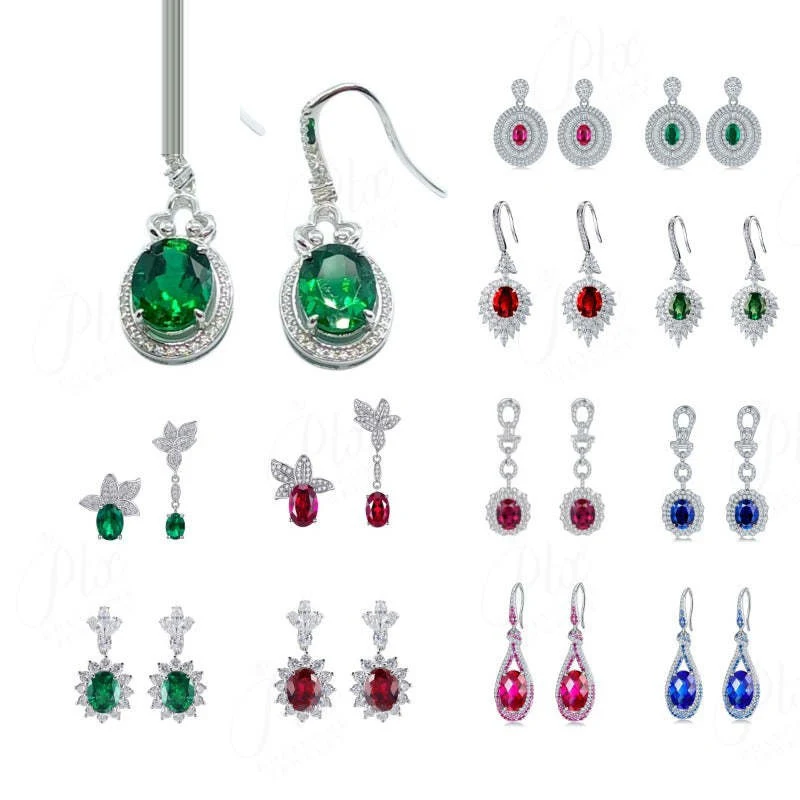
Budget earrings let resale buyers chase trends without locking up capital in slow-moving inventory, which is why they have become one of the most practical categories for US boutiques, online sellers, and pop-up retailers. When you source Budget Earrings at wholesale, the goal is not to find the cheapest item on a supplier list; it is to pick styles that move quickly, match current fashion cycles, and still leave room for a healthy margin.
This article walks through the practical decisions a wholesale buyer faces when buying trend-focused earrings for resale: which styles to prioritize, how metals and stone types affect price perception, what quantities to commit to, and how to plan lead times around trend windows.
The jewelry resale market rewards speed. A silhouette that dominates social media in March may feel dated by September. Buyers who understand this rhythm treat earrings as a rotating category, refreshing the assortment every season rather than building a static catalog. That mindset shapes every decision below, from sampling timelines to payment terms.
Choosing Styles That Match the Current Trend Cycle
Trend buying starts with observation, not intuition. Before placing any order, review what is actually selling: browse bestseller lists on major marketplaces, scan creator content on TikTok and Instagram, and check search volume for style terms such as huggie hoops, chunky gold hoops, statement drops, ear cuffs, and minimalist studs. Earrings are the most trend-reactive jewelry category because they are visible, affordable for consumers, and easy to stack with pieces a customer already owns.
Core Styles That Hold Demand Year After Year
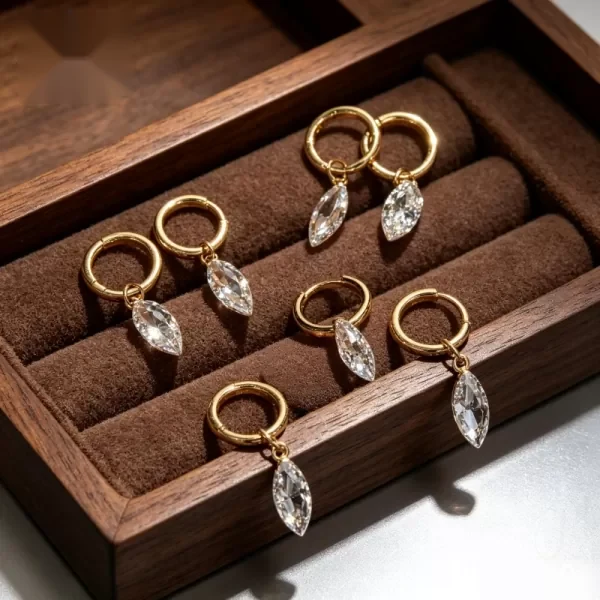
Even a trend-focused assortment needs a stable base. Huggie hoops, small gold-tone hoops, simple studs, and classic drop shapes sell steadily across seasons and demographics. These styles are safe to order in larger quantities because they rarely sit unsold. They also anchor your price ladder, giving trend pieces a context that makes them look intentional rather than random.
Trend Pieces You Order Small and Fast
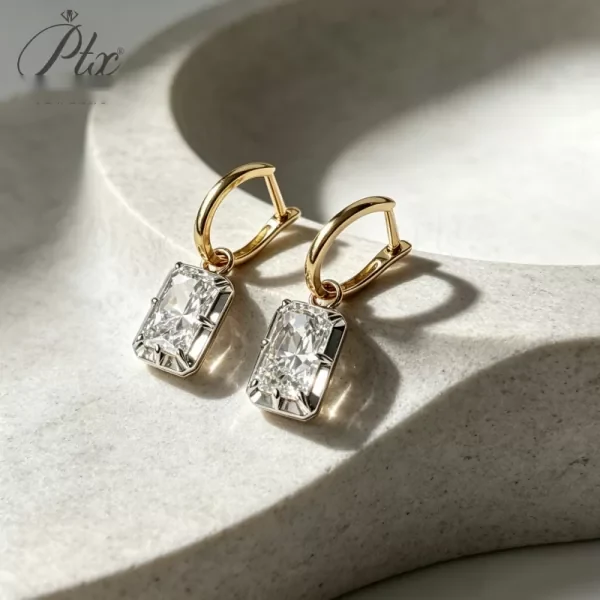
Statement earrings, bold geometric drops, textured hoops, and ear cuffs follow a shorter life cycle. Order these in limited quantities, test them with your audience, and reorder only if the sell-through supports it. A practical structure many resellers use is a mix of roughly steady core styles and a rotating set of trend pieces each season. Keep the ratio flexible based on your sales data rather than a fixed rule.
Color trends matter as much as shape. Gold-tone finishes dominate the US market most years, but silver-tone demand rises when silver jewelry trends circulate on social platforms. Pearl-effect and colored stone accents spike in spring and summer. Buying both metal tones in your core assortment protects you when the trend shifts.
Understanding Materials and Honest Product Descriptions
What an earring is made of determines its cost, its durability, and what you are allowed to say about it. In the wholesale market for Budget Earrings, you will encounter several base materials and finishes, and your product listings must name them accurately. 925 sterling silver is a precious metal and should be described as such. Gold plated pieces have a plated layer over a base metal and must never be described as solid gold.
Gold vermeil is a thicker gold layer over sterling silver and sits at a higher price point than standard plating. Solid gold comes in 10K, 14K, and 18K, but those pieces fall outside the budget category for most resale buyers.
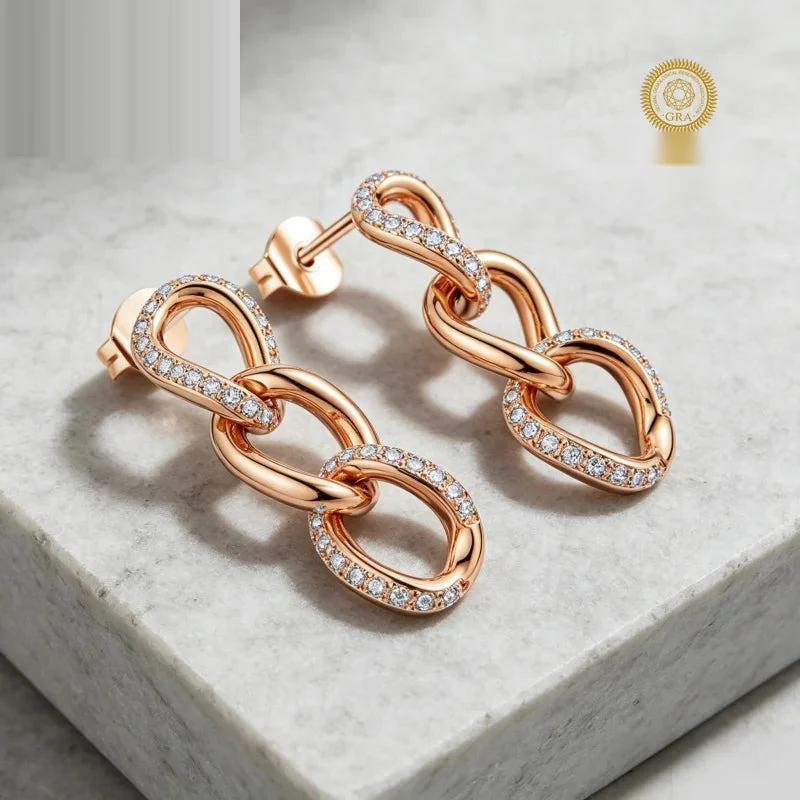
Stones follow the same honesty rule. Moissanite is a lab-created diamond alternative with strong brilliance and a price point well below comparable-look natural diamonds. It can be a compelling upsell in a budget assortment, but listings must describe it as moissanite or a lab-created diamond alternative, never as a natural or real diamond. Graded moissanite stones arrive with GRA or IGI papers, which you can reference in listings to support the claim.
For lower price tiers, cubic zirconia and simulated stones are standard and should be named plainly.
Matching Material Tiers to Your Price Ladder
A well-built earring assortment uses materials strategically. Gold plated brass or sterling silver with plated finish serves your entry price points. Gold vermeil serves a mid tier where customers pay more for a sterling silver base and a heavier gold layer. Moissanite accented pieces in sterling silver create a premium tier that still reads as accessible. Each tier needs clear naming in your catalog so customers know exactly what they are buying.
Quantity Decisions: MOQ, Test Orders, and Reorder Logic
Wholesale minimums for earrings are flexible enough to support trend testing. Stock styles carry a minimum order of 1 piece, which lets you sample a wide range of designs before committing to depth. Custom work requires 30 pieces per style, which is the threshold for producing a design specific to your brand. Loose stones are sold by the carat when you want control over the stones used in your pieces.
For trend buying, the workflow looks like this: order single pieces of several candidate stock styles, evaluate quality and customer response, then reorder the winners in depth. Because stock styles have a 1 piece minimum, your testing cost is limited to samples and shipping rather than a full production run. Reserve the 30 piece custom minimum for designs you have validated with real sales or a distinct brand concept you are confident in.
Reorder speed matters as much as the first order. When a trend piece sells through quickly, the trend window may still be open for a few more weeks. Confirm with your supplier that the style is in stock and can ship again without a new production cycle before you promote it heavily.
Pricing, Payments, and Protecting Your Margin
Wholesale pricing for budget earrings is quoted per piece or per carat depending on the item. Stone-set pieces and loose stone orders price by the carat; finished fashion earrings price per piece. Request quotes on your full candidate list at once so you can compare styles on the same basis and build a margin model before ordering. Factor in shipping, platform fees, and returns when you set retail prices, not just the wholesale cost.
Payment terms follow a standard structure for wholesale buyers. Bulk orders use T/T payment with a 30 percent deposit and the 70 percent balance due before shipment. Sample orders can be paid through PayPal, which lowers the friction and risk of the testing phase. This split aligns your cash exposure with your confidence level: PayPal for small sample buys, T/T for the production runs you have already validated.
A simple table illustrates how a trend-driven assortment typically maps out across the buying stages:
| Buying Stage | Order Type | Typical Quantity | Payment Method |
|---|---|---|---|
| Trend testing | Stock style samples | 1 piece per style | PayPal |
| Validated reorder | Stock styles in depth | Multiple pieces | T/T 30/70 |
| Brand-exclusive design | Custom production | 30 pieces minimum | T/T 30/70 |
| Premium stone pieces | Stone-set or loose stones | Per piece or per carat | T/T 30/70 |
Once you have confirmed the structure, keep your margin target realistic for the category. Budget earrings compete on price at retail, so your buying discipline, not a high markup, is what keeps the category profitable.
Lead Times and Getting Trend Pieces to Market on Time
Trend value decays with time, so lead times are a core part of the buying decision. Sampling runs 7 to 10 days, which means you can physically evaluate candidate styles within roughly two weeks of requesting them. Bulk production takes 15 to 25 days after approval. For stock styles that already exist, shipping can begin sooner, which is another reason to favor stock designs when a trend is peaking.
Delivery to the US uses DDP terms and takes 5 to 8 days. DDP means duties and shipping are handled through the quoted price, which simplifies your landed cost calculation and avoids surprise fees at the border. Build the full timeline into your seasonal calendar: sample request, 7 to 10 days for sampling, approval, 15 to 25 days of production, then 5 to 8 days in transit.
A custom trend piece ordered today reaches your warehouse in roughly four to six weeks, so plan launches backward from that window.
Quality Control Across a Large, Low-Cost Assortment
Budget does not mean unverified. A three-stage quality control process protects buyers even on low-ticket items: incoming material inspection, in-process checks during production, and a pre-shipment AQL inspection before goods leave the factory. Ask which AQL standard applies to your order and request the pre-ship inspection report for bulk runs. For earrings specifically, confirm clasp function, post security, plating consistency, and stone setting during your sample review, since these are the points where customer complaints concentrate.
Graded Stones and Documentation for Your Listings
If you include moissanite pieces in the assortment, graded stones arrive with GRA or IGI papers. Keep those documents accessible so you can answer customer questions and substantiate product claims. Documentation also helps when a customer compares your listing to competitors who offer no verification at all.
Building a Seasonal Buying Calendar for Budget Earrings
The final practical decision is timing. Map your buying to the retail calendar: order spring styles in late winter, summer color pieces in spring, and gifting-season styles in early fall so production and transit land before peak demand. Reserve a small open budget each quarter for reactive buys when a trend breaks unexpectedly. Because stock styles carry a 1 piece minimum and samples return in 7 to 10 days, reactive testing is feasible even mid-season.
Track sell-through by style and metal tone every month. Retire styles that stall for two consecutive months and reinvest in the shapes your data supports. Over a few seasons this builds a buying playbook specific to your audience, which is far more valuable than chasing every trend you see online.
Order Terms for Wholesale Buyers
MOQ is 1 piece for stock styles and 30 pieces for custom work, and loose stones are sold by the carat. Sampling takes 7 to 10 days, and bulk production runs 15 to 25 days after the sample is approved. Pricing is quoted per piece or per carat depending on the item. Payment is T/T with a 30% deposit and the 70% balance before shipment, and PayPal is accepted for sample orders.
Frequently Asked Questions
What is the minimum order for budget earrings at wholesale?
Stock styles have a minimum order of 1 piece, which makes them ideal for trend testing and small assortments. Custom designs require 30 pieces per style. Loose stones, if you buy them separately, are sold by the carat.
How long does it take to receive a bulk earring order in the US?
Sampling takes 7 to 10 days, and bulk production runs 15 to 25 days after you approve the sample. DDP delivery to the US then takes 5 to 8 days. Stock styles already in production can move faster since the sampling stage is already complete.
Can I sell moissanite earrings described as diamond alternatives?
Yes. Moissanite is a lab-created diamond alternative and should be described exactly that way in your listings. Graded stones come with GRA or IGI papers, which you can reference to support the description. Never describe moissanite as a natural or real diamond.
How do payments work for sample orders versus bulk orders?
Sample orders can be paid through PayPal, keeping the testing phase simple and low risk. Bulk orders use T/T payment with a 30 percent deposit and the remaining 70 percent balance due before shipment.
What materials should I look for in a budget earring assortment?
Gold plated pieces, 925 sterling silver, and gold vermeil cover the typical budget tiers, with 10K, 14K, and 18K solid gold reserved for premium lines. Name the actual metal and finish in every listing so customers know what they are buying. Accurate material naming reduces returns and supports repeat purchases.
Start Building Your Trend-Ready Earring Assortment
Trend buying rewards suppliers who combine flexible minimums, fast sampling, and clear quality control. Review the available styles in our wholesale product catalog, then read our buying guides and market notes in the jewelry wholesale blog to sharpen your assortment strategy. When you are ready to request samples or a quote for custom production, reach out through our contact page and our team will walk you through sampling, pricing, and delivery to the US.
Sources: Grading references: GIA gem education and GIA laboratory information.