Why your first bulk mix lot quote rarely matches the invoice
I have watched buyers open a first bulk mix lot invoice and go quiet. The unit price looked fine on the quotation. Then freight, duty, certificate handling and a small mix surcharge landed on top. The gap is not usually a scam. It is that most quotations stop at the factory gate, and your landed cost does not.
This article walks through the actual cost stack for a first bulk mix lot wholesale order. I am writing from the QC bench, not from a sales desk, so the numbers reflect what we see on production tickets and packing lists. Your mileage will vary by mix and destination, but the structure holds.
One note before the math: our own cost, speed and yield typically run about 20% better than a typical trading company. The reason is boring. We cut and set in one building, so there is no middleman margin, no double handling and no waiting for a third-party factory to answer. That shows up in both the unit price and the rework rate.
The five cost blocks inside any bulk mix lot
Every bulk mix lot wholesale order we quote breaks into five blocks. If a supplier cannot separate them, you are probably looking at a blended number with padding buried inside.
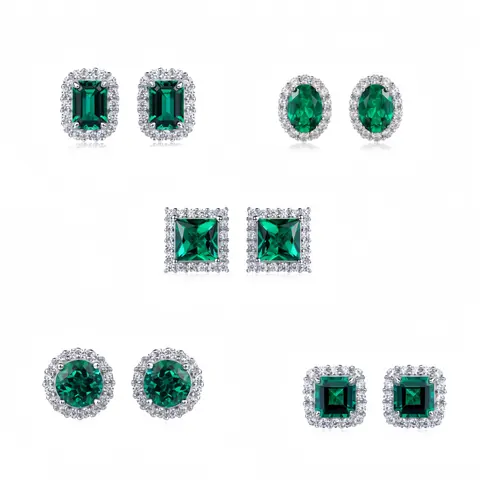
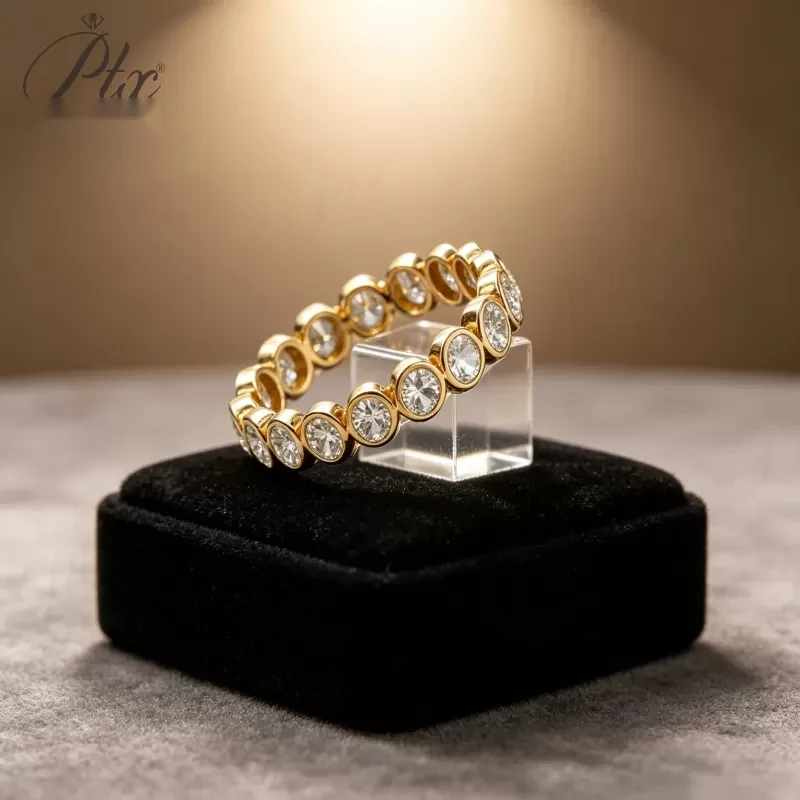
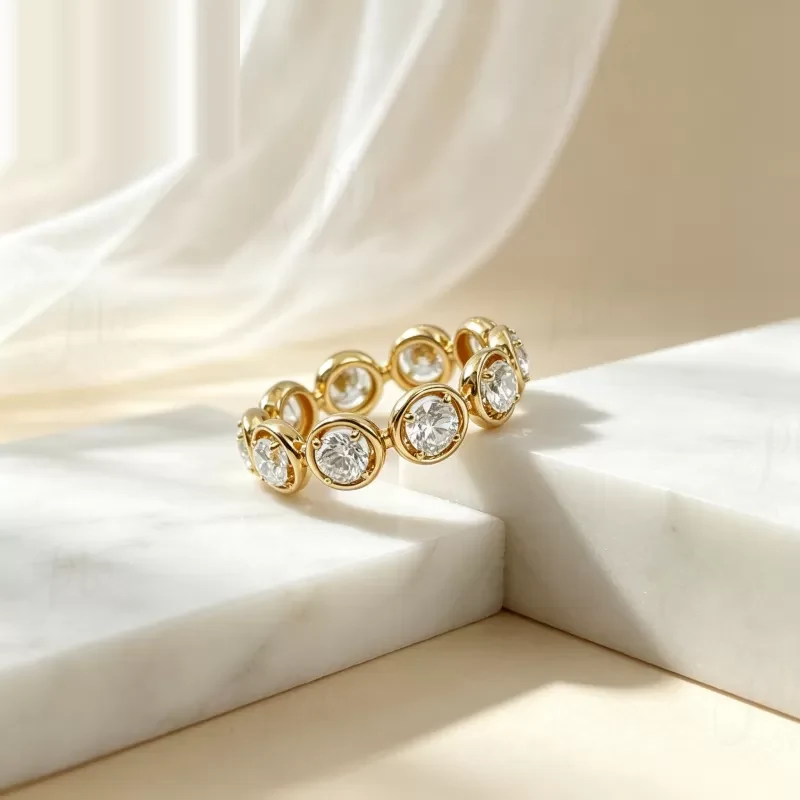
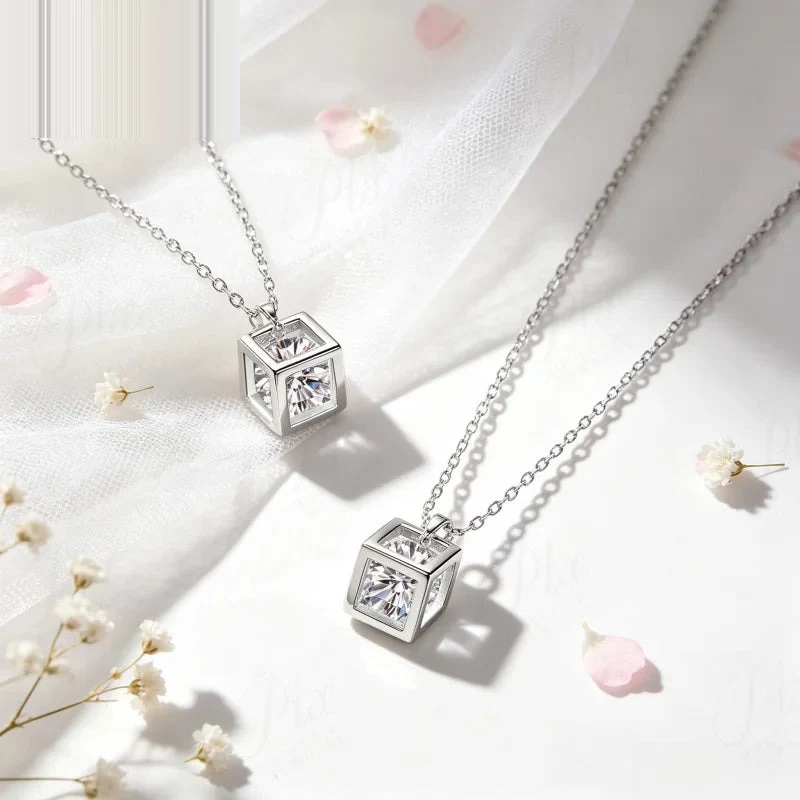
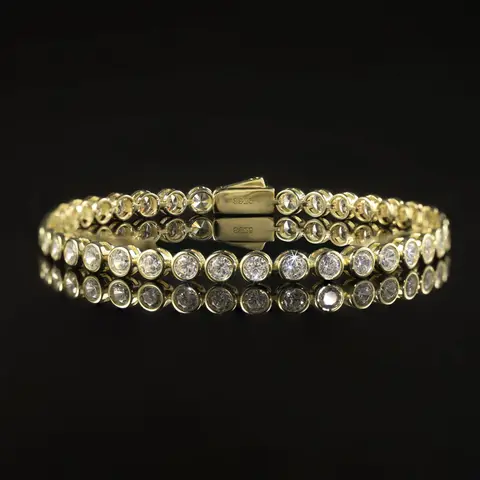
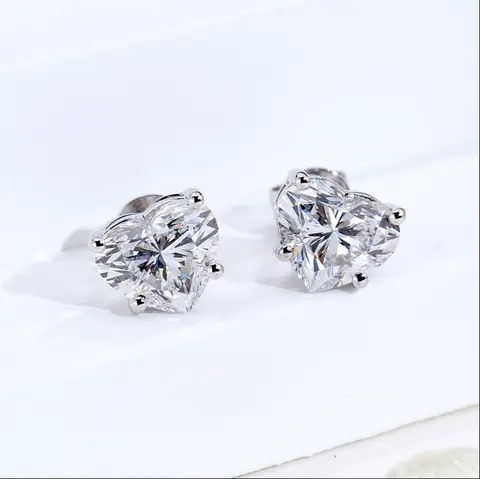
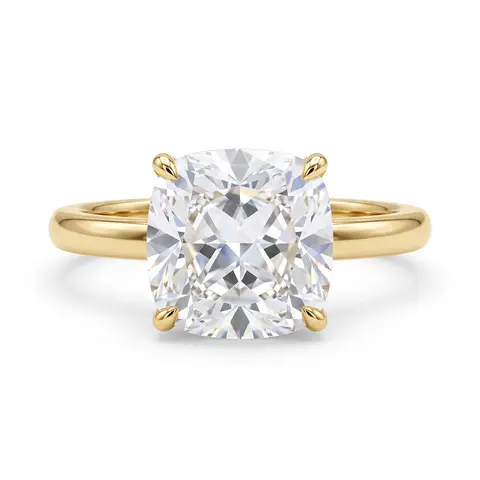
- Stones: moissanite or lab-grown diamond, priced by size, grade and cut.
- Metal: 925 silver by gram weight, plus findings and clasps.
- Labor: setting, polishing, plating and assembly time per piece.
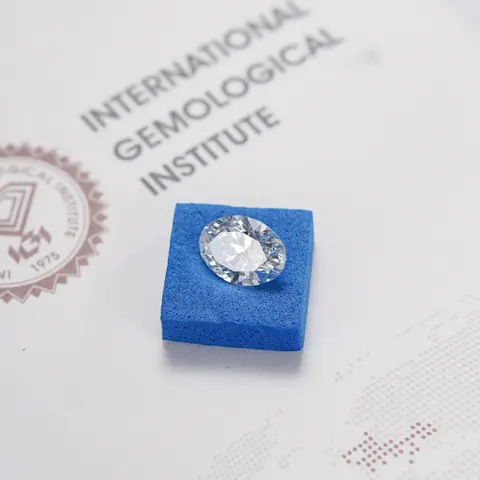
- Certificates and packaging: GRA cards, IGI where specified, pouches and boxes.
- Logistics and duty: freight, insurance, customs clearance and destination tax.
A mix lot is not a single SKU. It is a basket, and each line carries its own stone cost and labor minutes. That is why two suppliers can quote the same total and still deliver very different margins.
Stone cost: where a mix lot quietly gains or loses money
Stones are the biggest swing factor in a bulk mix lot. A 1 carat equivalent moissanite in a standard round brilliant is not the same cost as a fancy shape or a step cut. Melee is priced differently again, usually by parcel weight rather than per stone.
Lab-grown diamond lines cost more per carat, and the spread between grades widens fast. If your mix includes both moissanite and lab-grown, ask for the stone cost split line by line. A blended per-piece price hides which line is eating your margin.
We check every incoming stone before it touches a setting bench. That is stage one of our three-stage QC: incoming stone check, in-process inspection, and pre-ship AQL sampling. Catching a bad parcel early is cheaper than catching it after setting.
Metal and labor: the part buyers underestimate
925 silver is sold by weight, and a mix lot with heavy signet rings will carry more metal cost than a lot of delicate pendants. Ask for the average gram weight per piece, not just the total. It tells you whether the quote is realistic.
Labor is where factory-direct and trading-company quotes diverge most. A trading company has to book capacity at a partner factory, wait in their queue and absorb their rework. We run setting, polishing and plating under one roof, which is the concrete reason our cost and speed land about 20% better than a typical trader.
For a first order, expect 12-18 days production after deposit and stone confirmation. Custom work takes longer than stock. Stock items can move at MOQ 1 pc, while custom mix lots start at 30 pcs. That distinction matters when you are testing a market.
Certificates, packaging and the small line items
GRA cards are standard for moissanite lines. IGI certificates apply where you specify lab-grown diamond and need the report. Certificate handling adds cost and time, so decide early whether every piece needs a card or only the higher-value lines.
Packaging looks trivial until you are shipping 300 pieces. Pouches, boxes, tissue and outer cartons add up. Tell your supplier the presentation standard up front. A bulk mix lot packed for retail looks different from one packed for a wholesaler who will re-pack.
Payment terms are usually T/T 30% deposit with the balance before shipment. PayPal works for sample orders and small trial lots. Keep the sample payment separate from the bulk deposit so the paperwork stays clean at customs.
Freight, duty and the landed cost formula
This is the part that surprises first-time buyers. Landed cost is not unit price times quantity. It is unit price times quantity, plus freight, plus insurance, plus duty, plus any clearance fee, divided by the sellable units that actually arrive in good condition.
DDP delivery typically runs 5-8 days to US and EU addresses. DDP means the freight quote includes duty and clearance, which makes the math simpler. If you ship ex-works or FOB, you carry the duty and brokerage separately, and the landed number moves.
Here is the cost stack we use when a buyer asks for a first-order projection. Treat the percentages as a planning frame, not a fixed quote.
| Cost block | Share of landed cost | What moves it | Buyer action |
|---|---|---|---|
| Stones | 35-50% | Size, grade, shape, lab-grown vs moissanite | Split the quote line by line |
| Metal and findings | 15-25% | Average gram weight, clasp type | Ask for gram weight per piece |
| Labor and plating | 10-20% | Setting complexity, finish | Keep the first mix simple |
| Certificates and packaging | 3-8% | GRA vs IGI, retail vs bulk packing | Decide card coverage early |
| Freight, duty, clearance | 8-15% | Incoterm, destination, weight | Compare DDP against FOB |
Then divide by your realistic yield. If 3% of pieces need rework or replacement, your effective landed cost per sellable unit is higher than the invoice suggests. Our pre-ship AQL sampling is designed to catch that before the carton leaves, which protects the yield number.
Unit price is what you negotiate. Landed cost per sellable piece is what you actually pay.
A worked example, kept deliberately plain
Say a first bulk mix lot is 200 pieces, averaging 2.5 grams of silver, with moissanite across most lines and a handful of lab-grown pieces with IGI reports. The factory unit total might sit at a round figure. Add DDP freight, then divide by 194 sellable pieces after a 3% allowance for rework.
Run the same lot with a trading company and the unit price often looks close. The difference shows up in lead time and rework rate, because the trader is waiting on a partner factory and you are waiting on the trader. That delay has a cost too, especially if you have a launch date.
For a first order, I tell buyers to keep the mix narrow. Ten to fifteen SKUs is enough to read demand. A wide mix raises stone variety, setting changes and certificate handling, and every one of those adds cost before you have proven the market.
Frequently Asked Questions
What is the minimum order for a bulk mix lot?
Stock items start at MOQ 1 pc, which is useful for sampling. Custom mix lots start at 30 pcs. Price basis is per piece, with stone and metal cost split shown on request.
How long does production and delivery take?
Production runs 12-18 days after deposit and stone confirmation. DDP delivery to US and EU addresses typically takes 5-8 days after dispatch.
How is a bulk mix lot priced?
Pricing is per piece, built from stone cost, silver gram weight, labor and certificate handling. Payment is T/T 30% deposit with balance before shipment, and PayPal is accepted for samples.
If you want a real number instead of a range, send your mix list, target quantity and destination postcode. We will come back with a line-by-line quote, a landed cost projection and a sample plan. Reach the floor team at service@holycome.com or WhatsApp +86 133 7744 7107.