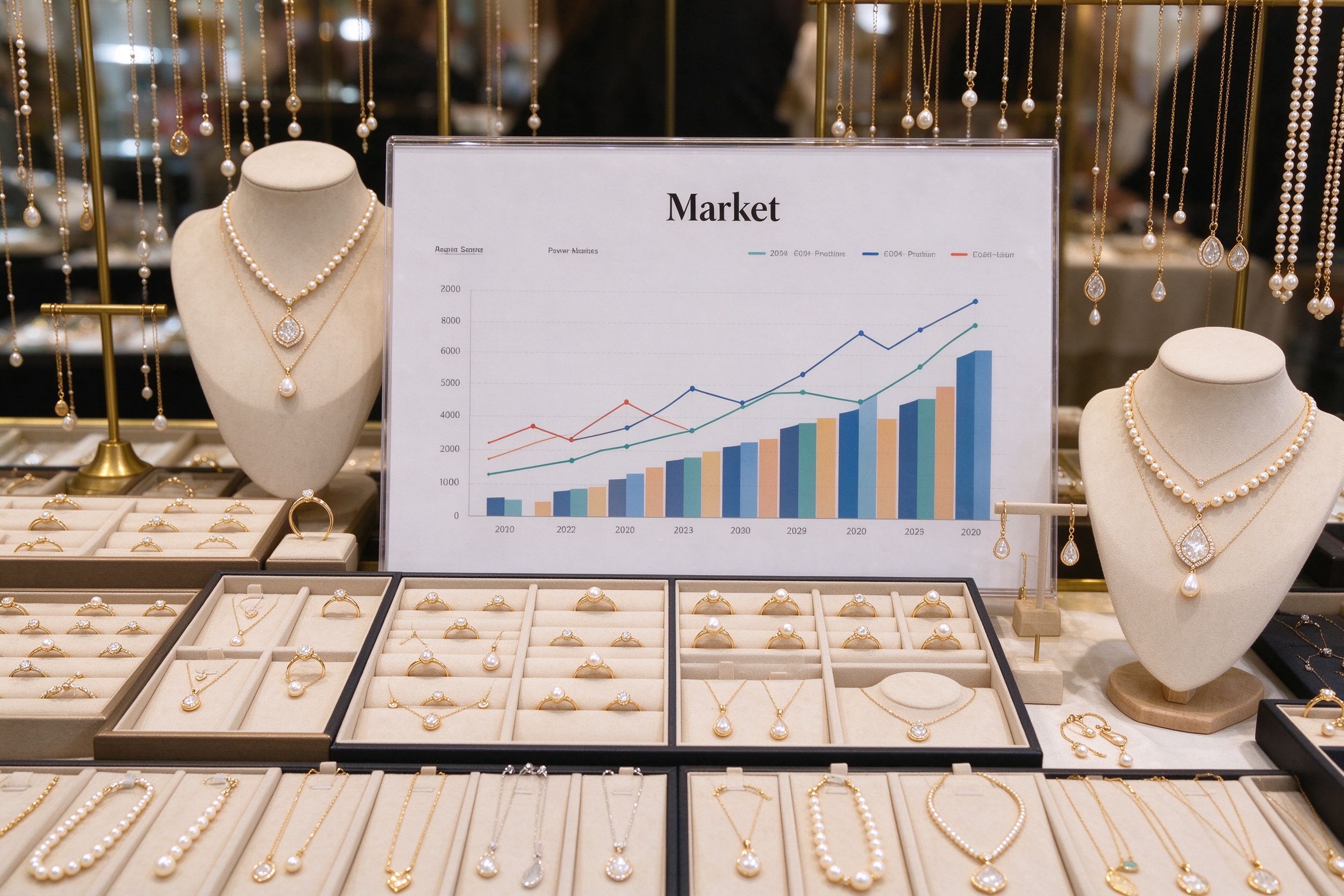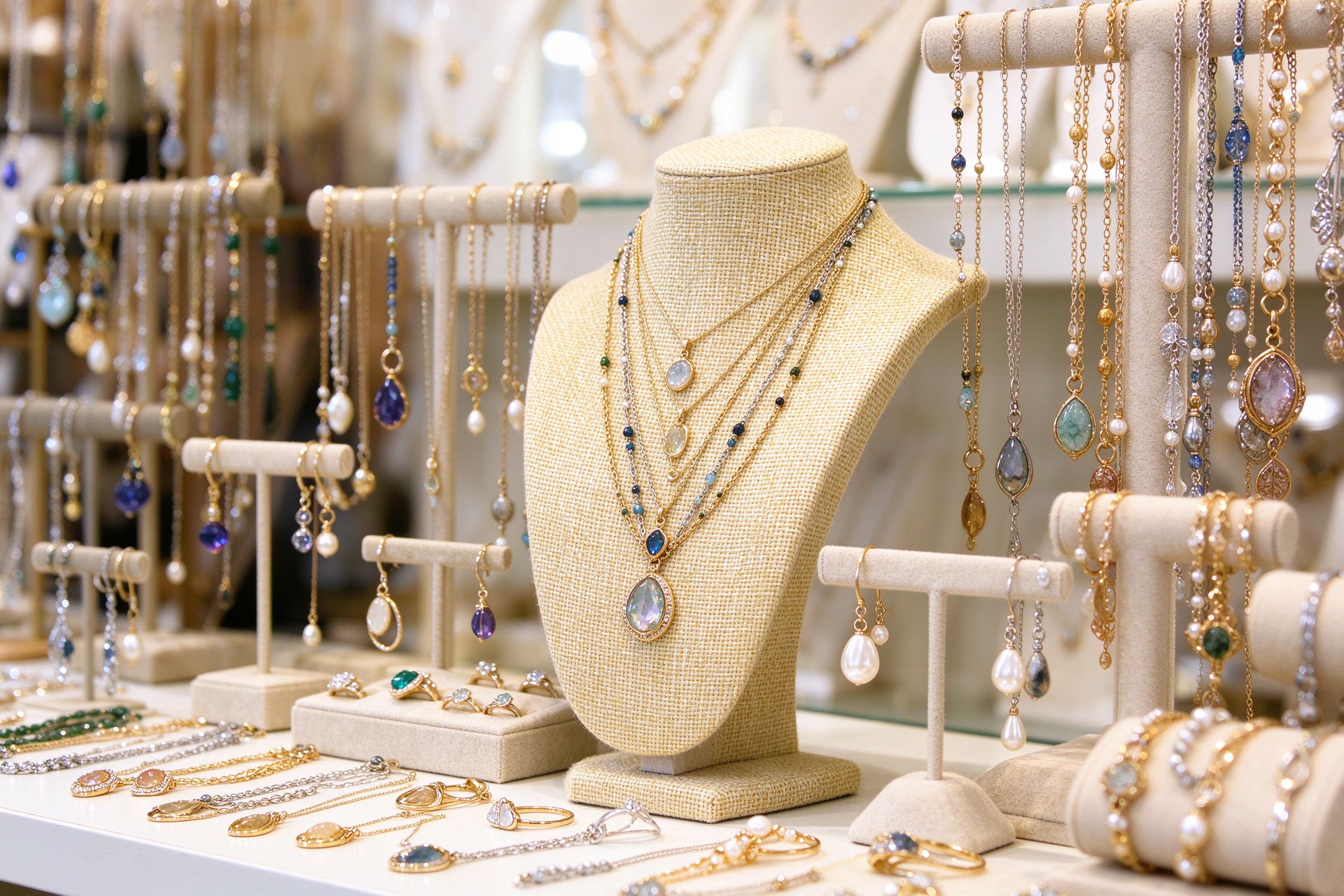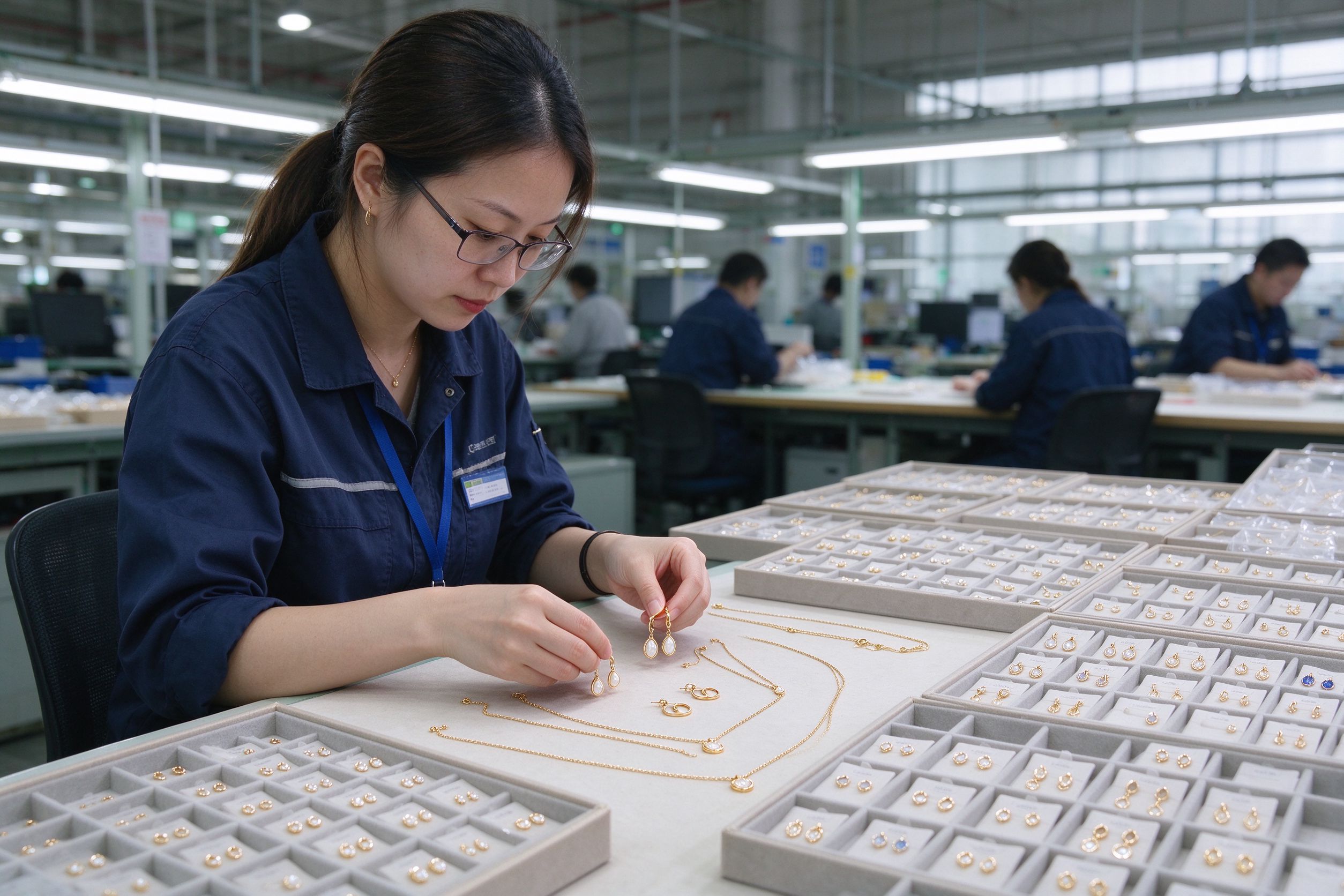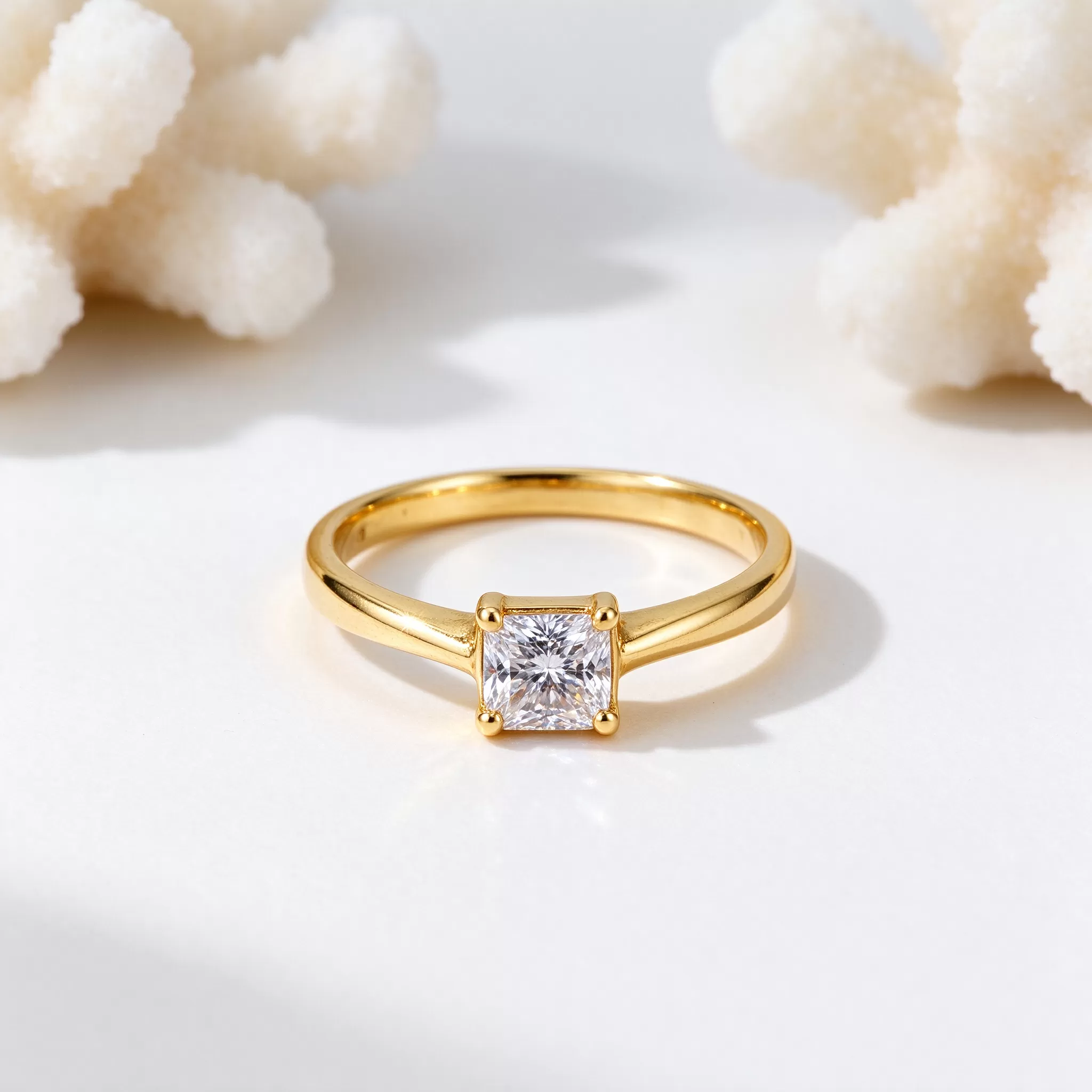
Two stores can buy the exact same alloy rings from the same factory and sell through at completely different speeds. The difference is almost never the product. It is the display. Jewelry is an emotional, visual purchase, and how a ring is presented decides whether a customer tries it on, buys it, or walks past. This guide covers the merchandising tactics that move alloy rings off the tray.
Start With the Right Tray
Rings that lie flat in a jumbled pile rarely sell. Customers want to see the front of the ring, pick it up, and compare it side by side. A ring display tray with angled slots or velvet fingers lets each ring stand on its face. Expect to spend a few dollars per tray, but a well-laid tray pays for itself in the first weekend. Avoid clear plastic trays: they scratch, show dust, and make cheap plating look cheaper. Velvet in black or dusty blue makes gold and rhodium pop.
Group by Finish, Not by Style
A common mistake is to scatter gold, silver and rose gold rings across the tray randomly. Grouping by finish lets a customer who wears gold pull the whole gold section. Within a finish, arrange from thinnest band to thickest, from plain to stone-set. The eye reads a tray like a shelf: it wants order. A grouped tray also makes restocking fast, because you know exactly where each style lives.
Use Sizing Cards That Help
Nothing kills a ring sale faster than a customer who cannot find their size. Stock simple sizing cards or a small ring sizer on the tray edge. More advanced retailers print the available size range on a tiny tag attached to each row: "6-8" or "Adjustable". Adjustable rings deserve their own labeled section because they sell well to customers who hate sizing. We explain the sizing world in our alloy ring sizing and fit guide.
The Power of a Focal Piece
Every tray needs one hero. Place your most detailed or stone-heavy ring in the center-back position where it catches the eye first. Everything else radiates outward from it. The hero does not have to be the most expensive; it just has to be the most interesting. It pulls customers toward the tray, and once they are leaning in, the cheaper bands around it become easy add-ons.
Lighting Is Underrated
Rings under flat overhead light look dull. A small warm spotlight angled at thirty degrees makes cubic zirconia sparkle and gives gold a warm glow. If you sell online, the same rule applies to product photos: shoot near a window with soft side light, never under a direct flash that blows out the stones. We cover photography alongside our display and photo guide.
Impulse Placement Matters
Alloy rings are impulse purchases. Put the tray near the checkout, the changing room, or the entrance where customers already stand and wait. A $4 ring sitting next to a $30 necklace reads as an easy yes. Train your staff to offer a sizing check as part of the transaction: "Would you like to try on a band while I wrap this?" That one line adds ring attach rates dramatically.
Online Display Tips
Online buyers cannot touch the ring, so the display has to compensate. Shoot every ring on a hand model at least once, because the scale of a band is almost impossible to judge alone. Offer three angles: front, side profile, and worn. Use consistent background and lighting across your whole ring line so the store feels curated rather than random. Size availability should be shown as clear buttons, not hidden in a dropdown.
Keep the Tray Full but Not Crowded
A half-empty tray looks like leftover stock. A crammed tray looks cheap. Aim for about eighty percent full, with breathing room around each ring. When a style sells out, refill it from your backstock rather than leaving a gap. Customers subconsciously avoid trays with obvious holes because they read them as "nobody buys here".
Rotate With the Seasons
The same tray layout can feel stale after a month. Rearrange it every two weeks. Move the hero piece, shift the rose gold section to the other side, and bring in new arrivals. Regulars who walk past the tray every week will notice the change and stop to look. Seasonal swaps matter too: warm gold and antique tones in autumn and winter, bright rhodium and pastel enamel in spring.
Bundle and Upsell Visually
Place rings that stack well next to each other. A thin gold band, a CZ band and a vintage signet ring arranged as a "worn stack" tells the customer how to combine them. You can even pre-bundle three stackables at a slight discount. Visual bundles move more units than asking the customer to imagine the combination.
Measure What Works
After a month, look at which rings actually sold and which sat. The ones that sat are either priced wrong, displayed badly, or just not right for your audience. Move them to a clearance bin and reinvest in the winners. This is the same discipline we discuss in our inventory turnover strategy. Good merchandising is a feedback loop, not a one-time setup.
Conclusion
Display is the cheapest marketing you have. A few dollars of velvet trays, a warm spotlight, grouped finishes and a clear hero can double your ring sell-through without changing a single product. Start with one tray, rearrange it weekly, and watch which positions sell fastest. If you need new bestsellers to fill it, our alloy rings wholesale range ships in balanced size runs ready to display.
Lighting and Props That Lift the Tray
Rings under flat overhead light look dull. A small warm spotlight angled at thirty degrees makes cubic zirconia sparkle and gives gold a warm glow. If you sell online, the same rule applies to product photos: shoot near a window with soft side light, never under a direct flash that blows out the stones. A simple velvet pad in black or dusty blue makes every ring look richer than a white card. Small props, like a folded silk scarf or a small plant, add atmosphere without distracting from the jewelry. The goal is a tray that feels curated, not cluttered.
Train the Staff on the Upsell
Even the best display underperforms without a staff trained to help. Teach one line: "Would you like to try on a band while I wrap this?" That single sentence raises ring attach rates dramatically, because it turns a solo purchase into a styling moment. Staff should also know the sizes on offer and be ready to hand over a sizer. A customer who can instantly check her size is far more likely to buy. Combine this with the pricing discipline in our pricing for maximum profit.