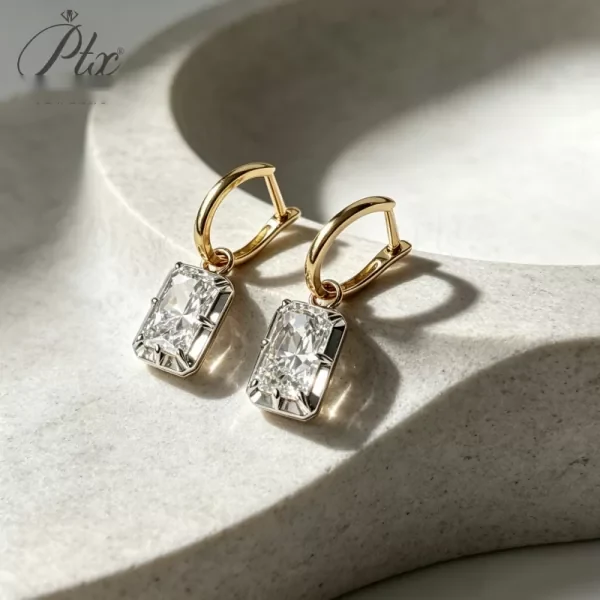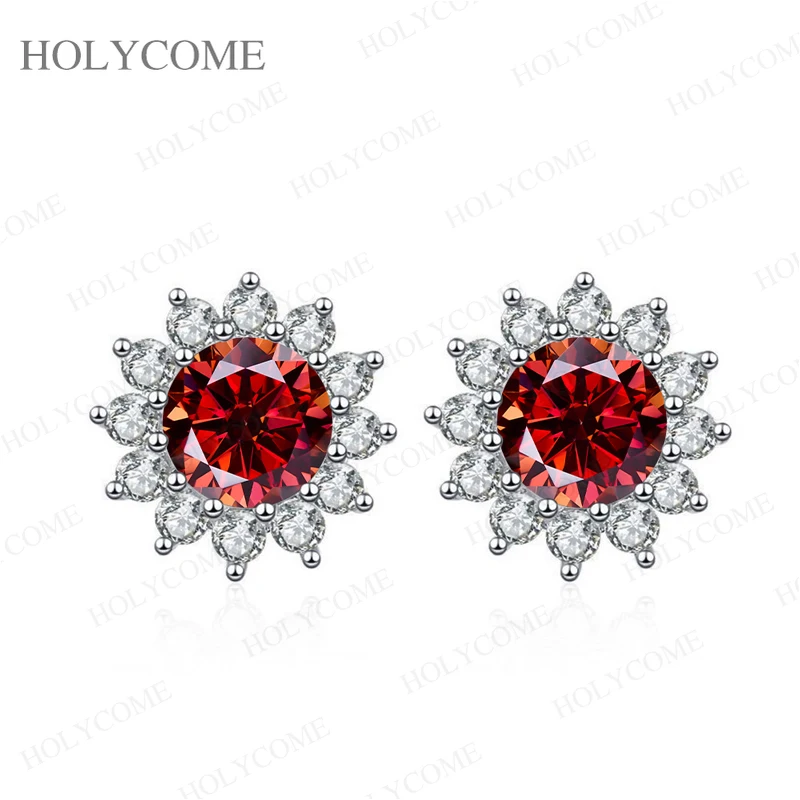
The “curated ear”—multiple earrings arranged across the earlobe and upper cartilage—is now the default look for a huge share of younger buyers. Two categories make that look accessible without a single new piercing: ear cuffs, which clip onto the cartilage, and cartilage studs, which fill the upper ear. Both are cheap to stock and sell hard.
What ear cuffs are
An ear cuff is a small clip that grips the ridge of the ear—usually the helix—without a piercing. They range from a simple C-shaped band to a more elaborate piece with hanging charms or stone accents. Because they need no piercing, they are impulse-friendly: a customer can try one on in seconds and buy it on the spot.
The fit problem is the squeeze. A cuff that is too loose falls off the moment the head moves; one that is too tight pinches and becomes uncomfortable after an hour. When you source, ask for adjustable spring cuffs or cuffs with a gentle hinge—one-size cuffs that rely on static tension are the ones customers return.
Cartilage studs vs earlobe studs
Cartilage studs are small earrings for the upper ear (helix, tragus, conch). Functionally they look like tiny studs, but the backing matters. Cartilage sites are slow to heal and prone to irritation, so a flat-backed or screw-back stud with a short post is more comfortable than a long butterfly back that presses into the skull when the head lies down.
For resale, the practical move is to stock cartilage studs in the same finishes as your earlobe studs so a customer can build a matching curated ear. Mixing gold and silver across the ear can look intentional, but most buyers want a consistent tone from lobe to upper ear.
Hypoallergenic matters more here
Cartilage piercings take months to heal, and irritation there is far more noticeable than on a healed lobe. That means the nickel content of the post is not optional for this category. If you are selling cartilage studs, spec hypoallergenic posts—surgical-steel posts at minimum, and clearly label them. Sensitive customers actively seek these out and will pay a little more; advertising the post material builds trust.
Styling the curated ear
The rule customers want to hear is balance: heavier at the lobe, lighter toward the top. A statement lobe stud, a mid helix cuff, and a tiny upper cartilage stud reads composed. Crowding every available hole with a stud looks cluttered. For a reseller, photographing one ear with this graduated arrangement sells the whole bundle—and a bundle means three items instead of one.
Ear cuffs also make the perfect add-on for a customer with no piercings at all. They can build a whole curated-ear look purely with cuffs and clip-ons, which is a large and underserved group. Cross-merchandise cuffs next to your best-selling hoop sizes so customers see the full ear arrangement in one display.
Safety and aftercare messaging
Because these pieces touch fresh cartilage, your listings can do extra work by guiding the customer. A short note—start with ear cuffs if you have no piercings, keep new cartilage studs dry, avoid sleeping on the pierced side—builds trust and reduces the “it irritates my ear” complaint. Sensitive-ear customers are a loyal, repeat group; treating them well in the listing turns a one-off sale into a customer who buys every future earring you release.
Sourcing and pricing
Because these pieces are tiny, plating flaws are obvious. Inspect the clip tension, the post length, and the finish under magnification. A batch of ear cuffs with uneven tension will generate a surprising number of “falls off” returns if you skip sampling. Price them as bundles—a curated-ear set of one lobe stud, one cuff, and one cartilage stud—rather than three separate SKUs, and keep the packaging protective: tiny earrings scratch easily in a jumbled pouch. See our budget earrings wholesale FAQ for the common sourcing (FTC jewelry industry guides) questions on finishes and reorders.
Treat ear cuffs and cartilage studs as a fast-turnover, high-margin staple. They are small, cheap to ship, visually distinctive in a close-up photo, and tied to a styling trend that is not going anywhere.
Because the curated ear is so personal, customers enjoy building it one piece at a time. That behavior works in your favor: a first buyer of a lobe stud returns for a cuff, then for a cartilage stud, then for a set of hoops. Encourage that progression in your captions by suggesting the next small addition rather than pushing one big bundle. The slow build creates a customer who returns season after season.
Group the cuffs and cartilage studs together in the display, not buried among your everyday earrings. A customer shopping for a curated ear wants to see the whole upper-ear range in one place, and that grouping is what converts a single stud buyer into a multi-piece ear buyer.
For the legal text behind our material compliance, see the REACH Regulation (EC) No 1907/2006 on EUR-Lex.
Frequently Asked Questions
What ring sizes can you supply in bulk?
US sizes 5–12 including half sizes. Send a size breakdown with your order and we cast to that curve; comfort-fit inner bands reduce resize requests.
Can I order a mixed size run instead of one size?
Yes. Mixed runs are standard for wholesale: specify quantity per size and we pack and label by size at no extra labor cost.
What is the MOQ for custom ring designs?
50 pieces per design for existing molds; 100–300 pieces when a new mold or CAD model is required.
How should I price rings for retail margin?
Most partners use a 3–4x markup on FOB cost for sterling and 2.5–3x for moissanite solos, which keeps landed cost under 30% of retail.