Understanding Plating Thickness in Wholesale Earrings
When buying earrings in bulk, the first detail to check is the plating thickness. Thin plating can chip quickly, especially on silver or gold-plated pieces that undergo regular wear. A thickness of at least 3 µm (micrometers) is considered standard for durable everyday styles, while higher grades like 10 µm offer extended life for more frequent use.
Our setting and polishing lines allow us to control the deposition process precisely. We measure plating thickness with laser interferometry before the final polish. This ensures consistent coverage across each batch, reducing the risk of uneven wear and saving you the cost of rework or returns.
The Role of Tarnish Resistance in Long‑Term Value
Tarnish is the main enemy of plated earrings, especially in humid climates. A proper electrolyte bath and post‑treatment passivation layer prevent surface oxidation. The result is a stable finish that maintains its luster for months, not days.
We apply a fresh nano‑coat after each plating cycle. This layer is chemically bonded to the metal, giving the earrings a protective shield that resists tarnish even under high‑humidity conditions common in many markets. The process adds negligible cost while greatly extending product life.
Comparing Plating Standards – Quick Reference
| Plating Type | Thickness (µm) | Typical Use | Tarnish Ratings |
|---|---|---|---|
| Gold‑Plated (18K) | 3–5 | Fashion earrings | Good |
| Silver‑Plated | 3–4 | Casual studs | Fair |
| Nickel‑Free | 5–8 | Allergy‑sensitive | Excellent |
How Plating Quality Affects Wholesale Pricing
Our cost structure keeps quality high and prices competitive. Because we own both the setting and polishing lines, we eliminate third‑party labor fees. The result is a 20 % better first‑pass yield compared to typical trading companies, which translates into lower unit costs for you.
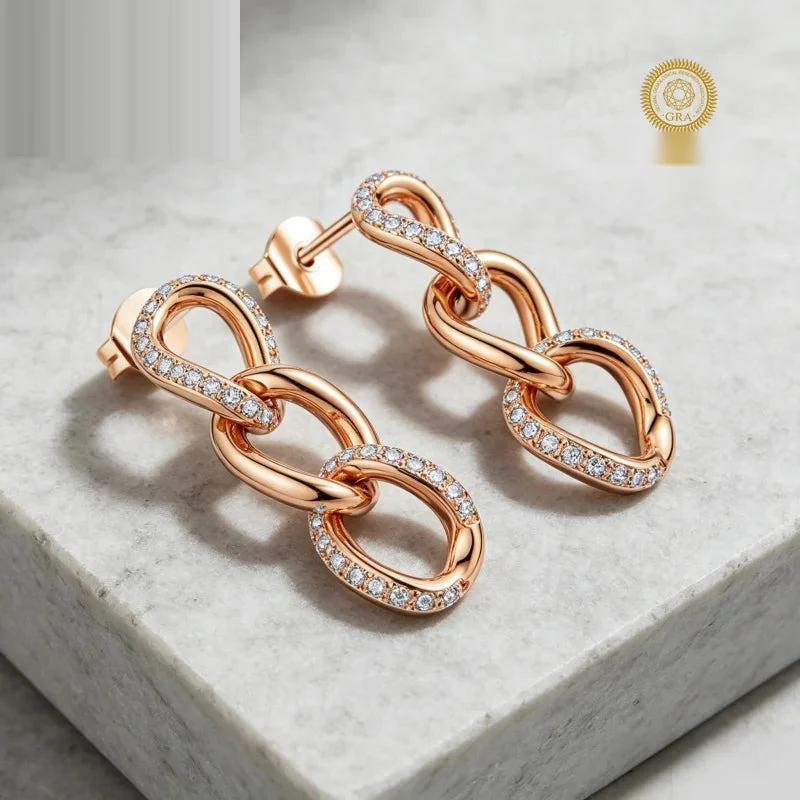
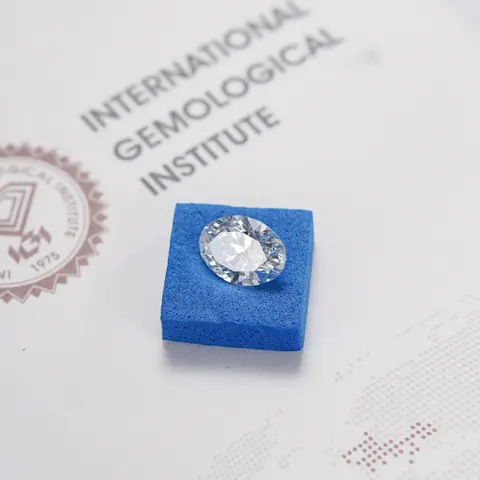
We offer GRA and IGI certificates to verify weight and quality. The certificates come free with orders over 30 pieces, ensuring you meet EU and US certification requirements without extra expense.
Choosing the Right Finish for Your Collection
- Polished – sleek, reflective surface for modern styles.
- Matte – subtle sheen, ideal for vintage or boho designs.
- Brushed – textured look, enhances visibility of gemstones.
- Plated – cost‑effective for high‑volume runs.
- Nickel‑free – allergy‑safe for sensitive customers.
Each finish requires a slightly different plating protocol, so specify your preference when placing an order. The chosen finish will dictate the plating thickness and post‑treatment steps, ensuring you receive exactly what your buyers want.
Managing Lead Time and Minimum Order Quantities
Our production cycle runs from 12 to 18 days depending on complexity. We can start with a single piece for stock samples, but custom orders require a minimum of 30 pieces. This allows us to batch-process the same design, reducing setup time and ensuring uniformity.
For clients who need quick turnaround, we accept a 30 % T/T deposit and offer PayPal for sample orders. Once the payment clears, we begin the 12‑18 day production window. DDP delivery to the US is typically 5–8 days, so your customers receive the earrings promptly.
Frequently Asked Questions
What is the minimum order size for wholesale earrings?
You can order as little as 1 piece for stock samples, but custom lines require a minimum of 30 pieces to keep production efficient and cost‑effective.
How long does the lead time take?
Lead time ranges from 12 to 18 days depending on design complexity, with DDP delivery to the US in 5–8 days once production is complete.
Can I get certificates attached to my order?
Yes, GRA and IGI certificates are included for orders over 30 pieces, helping you maintain compliance in EU and US markets.