Why the Unit Price Is the Least Useful Number You Will Get
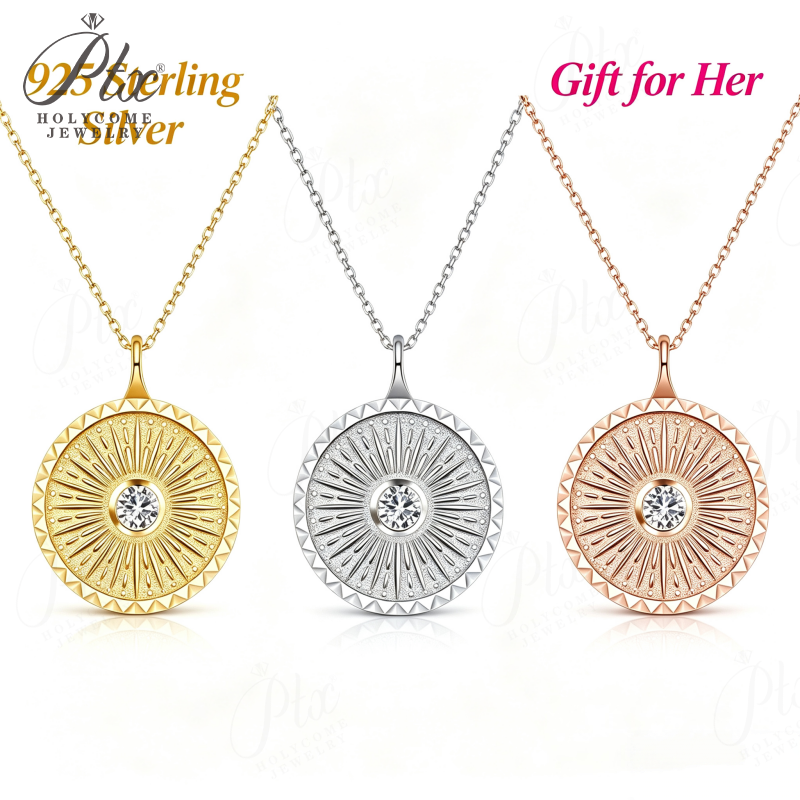
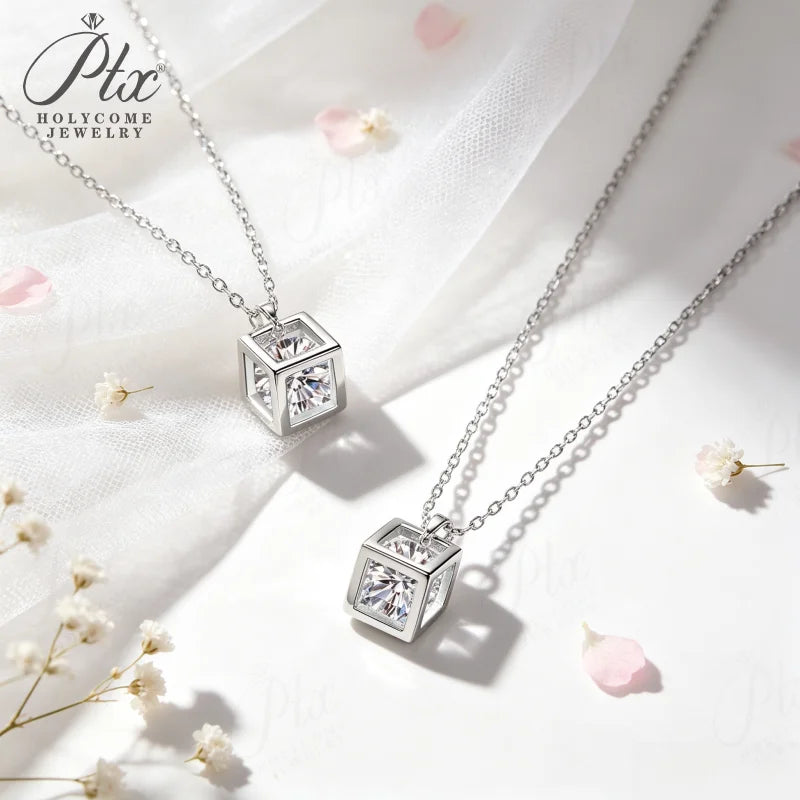
A buyer sends me a photo of a pendant on a cable chain and asks what it costs. I can answer that in ten seconds. What I cannot answer in ten seconds is what that necklace actually costs them by the time it sits in their warehouse in New Jersey or Rotterdam. Those are two different numbers, and the gap between them is where first orders go wrong.
I have spent twelve years on the QC floor, most of it checking stones and plating before goods leave the building. The buyers who come back for a second and third order are almost never the ones who negotiated the hardest on unit price. They are the ones who built a landed cost sheet before they placed the first purchase order.
The Five Lines That Make Up Your Landed Cost
Every fashion necklaces wholesale shipment I have seen leave this factory lands on a buyer's books through five cost lines. Miss one and your margin forecast is fiction. Here is how they break down on a typical first order of 300 pieces, mixed styles, 925 silver with moissanite accents, average unit price around three to four dollars.
| Cost line | How it is calculated | Typical share of landed cost | Who controls it |
|---|---|---|---|
| Factory unit price | Per piece, by style and stone grade | 55 to 68 percent | Supplier |
| Freight to destination | Chargeable weight or CBM, mode dependent | 6 to 12 percent | Forwarder and mode choice |
| Duty and import taxes | Declared value times HS rate | 8 to 16 percent | Tariff code and country |
| Compliance and certificates | Per shipment plus per stone batch | 2 to 4 percent | Certificate body |
| Bank and platform fees | Percentage of transfer plus fixed fee | 1 to 3 percent | Payment method |
Notice that the factory line is the biggest, but it is not the whole. A 12 percent swing in freight alone can wipe out a discount you spent three weeks arguing for. That is the first thing I tell new buyers.
What Actually Drives the Factory Price Up or Down
Stone grade and size
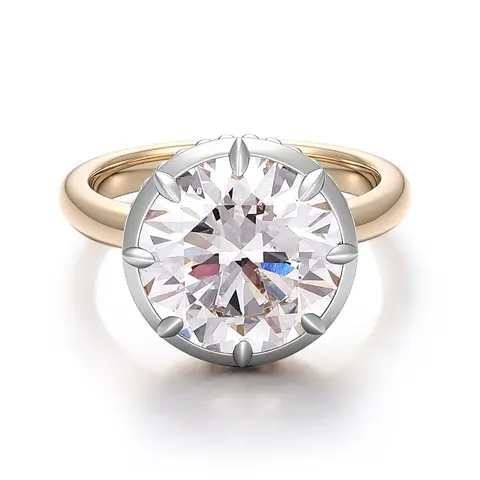
Moissanite is graded in color and clarity bands, and the jump from one band to the next is not linear. A near-colorless stone in a 4mm round is one number. The same diameter in the top color band is another. On a necklace where the stone is the focal point, this is your single largest variable, bigger than the metal.
Metal and plating thickness
925 silver is priced off the metal market plus a fabrication charge. Brass with heavy gold plating is cheaper on paper but the plating thickness determines whether the piece survives forty wear cycles. Ask for the micron figure in writing. A supplier who cannot quote a micron number is guessing.
Chain, clasp, and findings
Buyers focus on the pendant and forget the chain. A box chain in the same length can cost meaningfully more than a cable chain, and a lobster clasp with a proper spring is not the same as a stamped imitation. On a 300-piece order these small parts add up faster than most people expect.
Sample Cost Versus Production Cost
Samples are priced differently and buyers get confused by it. A one-piece stock sample ships at MOQ 1 pc, and we take PayPal for those because it is fast and the amount is small. Custom samples require tooling, CAD, and a stone setting trial, so they sit at a 30 pc minimum for the production run that follows.
The sample fee is usually credited against the bulk order, but confirm that before you pay. Some suppliers credit it, some do not, and the ones who do not will rarely volunteer the fact.
Freight: Where First Orders Bleed Money
DDP delivery runs 5 to 8 days door to door on our standard lane, and for a first order that speed is worth paying for. Air freight on 300 necklaces is not the expensive part. The expensive part is a shipment stuck at customs because the HS code was wrong or the commercial invoice did not match the packing list.
- Declare the correct material composition, including stone type and metal purity
- Match invoice, packing list, and carton labels exactly, down to case
- Confirm whether your destination country requires a jewelry-specific tariff line
- Keep certificate copies in the carton, not only in email
- Book DDP if you are new, because the forwarder handles the bond and clearance
Our freight and clearance coordination runs roughly 20 percent cheaper and faster than typical trading companies on the same lane. The reason is simple: we book directly with the forwarder and hand over documents from our own QC system, so there is no third party re-keying data and creating mismatches that hold cargo.
Certificates and What They Cost You
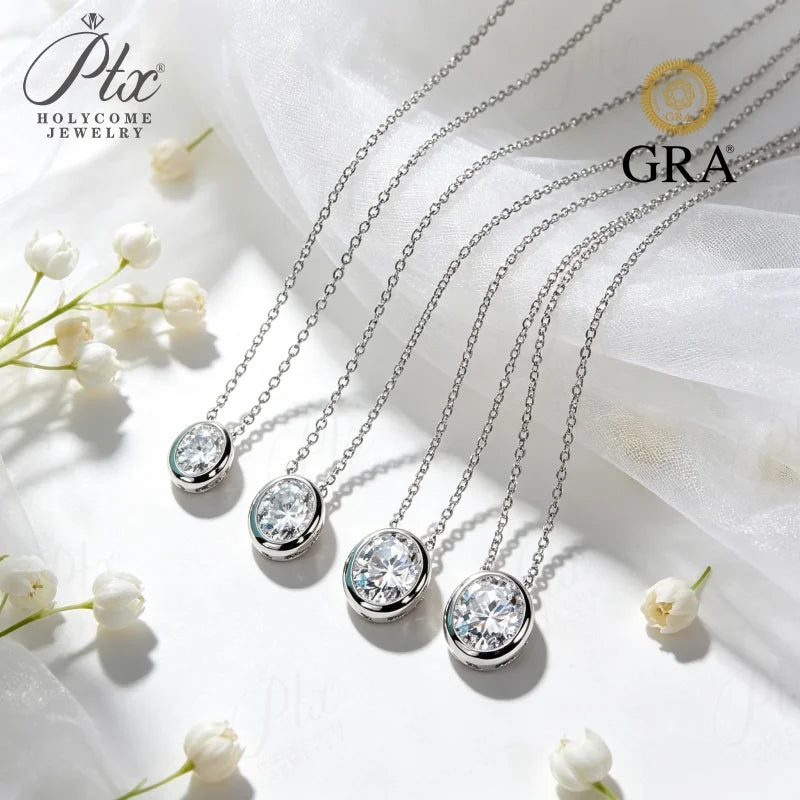
Every moissanite batch we ship carries GRA certificates for the stones and IGI documentation where the buyer needs a lab report for resale or marketplace listing. Certificate cost scales with volume and with how many separate stone sizes are in the order, because each size is graded as its own batch.
If your channel is a marketplace that requires a lab report per SKU, budget for that line early. Retrofitting certificates after the goods are packed means unpacking, re-sorting, and re-sealing, and that is a cost nobody quotes you upfront.
On a first order, the certificate line is small. On the second order, when you add six SKUs, it becomes a real budget item. Plan the SKU count before you plan the certificate spend.
Payment Terms and the Cash Flow Trap
Standard terms are T/T with 30 percent deposit and the balance against the pre-shipment inspection report. Production runs 12 to 18 days from deposit and confirmed artwork. That means your cash is out for roughly three weeks before goods ship, plus transit.
New buyers often forget the deposit is not the only cash outflow. Duty and freight are usually paid at or before arrival, so you need working capital for both the balance payment and the import charges in the same window.
Where QC Sits in the Cost Sheet
We run three QC stages: incoming stone check against the graded batch, in-process inspection during setting and plating, and a pre-ship AQL sampling against the approved sample. That third stage is the one that protects your landed cost, because a rejection caught at the factory costs you nothing, while a rejection caught at your warehouse costs you freight both ways plus the delay.
This is also where our yield runs about 20 percent better than trading companies. We are not buying finished goods blind from a third-party workshop and hoping. The stones are checked on our own bench, the plating thickness is measured in-house, and the AQL sample is pulled by the same team that will answer your WhatsApp when something looks off.
Frequently Asked Questions
What is the minimum order for fashion necklaces wholesale?
Stock styles start at MOQ 1 pc, which is how most buyers sample. Custom designs with your own stone layout and clasp require 30 pcs per style. Price is quoted per piece and varies with stone grade, metal, and plating thickness.
How long does a first order take from deposit to delivery?
Production runs 12 to 18 days after deposit and artwork approval. DDP delivery adds 5 to 8 days door to door. Add a few days if the order includes IGI reports on multiple stone sizes.
How is the price calculated and what is included?
Unit price covers the piece, stone setting, plating, and standard packaging. Certificates, freight, duty, and payment fees are quoted separately so you can see the landed cost line by line. Ask for a full landed cost sheet, not just a unit price.
Send me your style list, target quantity, and destination country and I will come back with a landed cost sheet that shows every line, not just the factory price. If you want to see the stones and plating before committing, request a stock sample at MOQ 1 pc and we will ship it DDP so you know exactly what arrives. Reach the team at service@holycome.com or WhatsApp +86 133 7744 7107 and mention this article so we route it to the QC desk.