Wholesale Hair Accessories: Stone Grading & Color Consistency

Why Stone Grading Matters When Buying Hair Accessories Wholesale
Stone grading and color consistency are two of the most important quality checkpoints for wholesale buyers sourcing jewelry hair accessories, because a barrette or bun pin that looks acceptable on its own can look mismatched the moment a customer clips it next to earrings or a necklace from the same set.
In the wholesale hair accessories category, the crystals and moissanite stones set into clips, combs, tiaras, and pins must be graded on paper and matched in color lot, or you risk returns, inconsistent product photos, and mixed batches arriving in different shipments. This article walks through the practical decisions a US wholesale buyer faces when evaluating stone grading and color consistency, from requesting the right paperwork to locking down a color standard before bulk production starts.
What Stone Grading Means for Hair Accessories
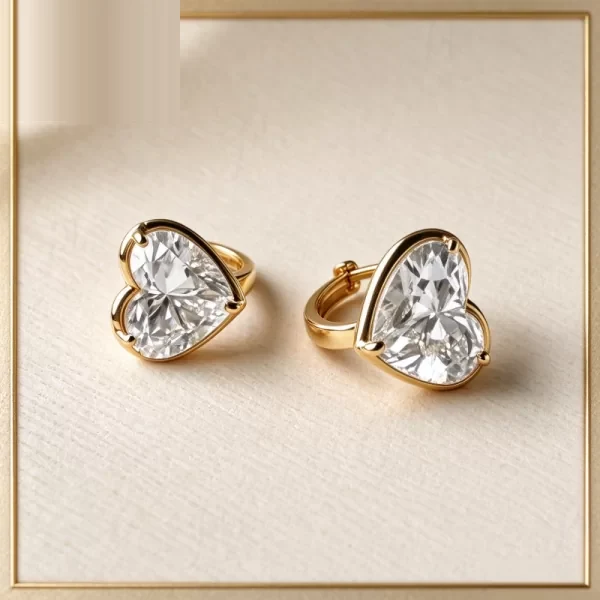
Hair accessories are not loose-stone products, but the stones set into them still benefit from documented grading. In this category you will typically encounter two types of material: graded moissanite in higher-end gold or 925 sterling silver pieces, and calibrated crystal or cubic zirconia in fashion-priced clips and combs. Graded stones in hair accessories carry the same GRA or IGI papers used for loose stones, tied by certificate number to the stone set into the piece.
For a buyer, that paper trail means you can quote a specific stone color and clarity grade in your own product listings instead of guessing.
Moissanite in Metal Hair Pieces
Moissanite is a lab-created diamond alternative, and it should be described that way in your listings. When moissanite is set into a 925 sterling silver or 10K/14K/18K solid gold hair pin, ask the supplier to confirm the stone grade used on each order. Grading reports from GRA or IGI let you compare color grades across production runs.
Because hair accessories are small display items, the stone often sits close to the viewer's eye, which makes a consistent color grade more visible than it would be on a ring worn further from the face.
Calibrated Crystals and CZ
For fashion-tier hair accessories, calibrated crystal and cubic zirconia are the practical choice, and here the grading conversation shifts from certificates to lot consistency. Calibrated stones are cut to standard sizes so a floral clip with forty petal stones reads as a uniform shape. Ask your supplier how they sort and match crystals by color and size before setting. A supplier with an incoming QC stage will reject crystal lots that arrive off-color before they ever reach the setting bench.
The Color Consistency Problem Wholesale Buyers Actually Face
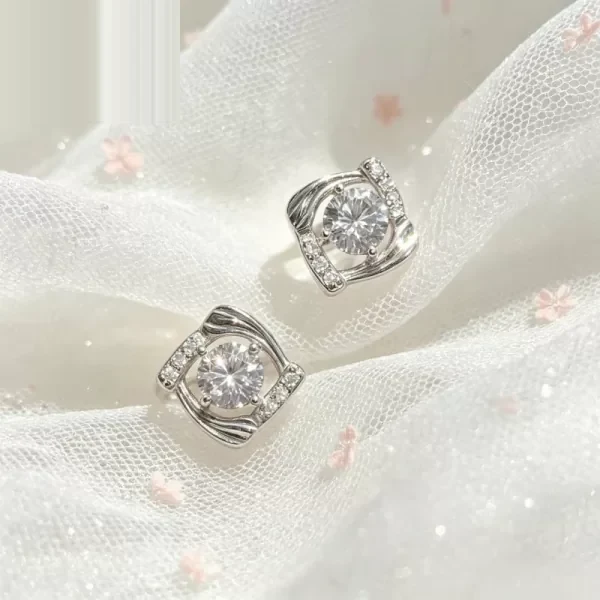
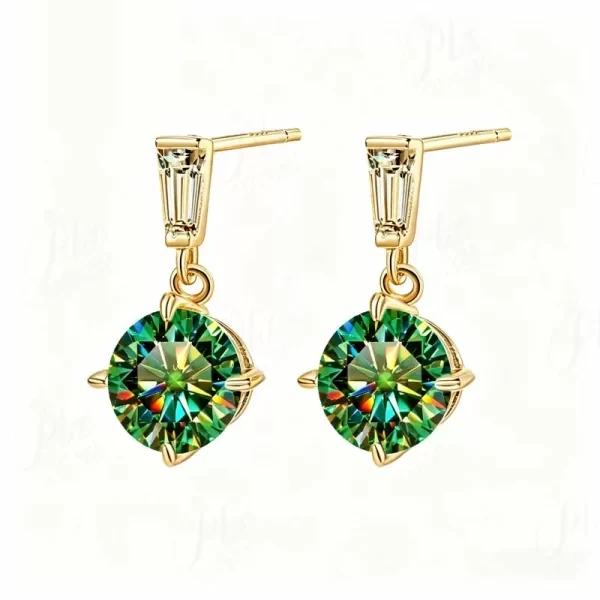
Color inconsistency shows up in three predictable ways. First, a reorder looks different from the original order because the supplier bought stones from a different lot. Second, stones within a single piece vary slightly, which is most obvious on pavé or multi-stone designs where many stones sit side by side. Third, accessories marketed as part of a set with earrings or a necklace do not match the companion jewelry pieces.
Each of these problems traces back to the same root cause: no agreed color standard before production.
Setting a Master Color Standard
The fix is to agree on a physical color master before bulk production begins. In practice this works in three steps:
- Request a sample set containing several stones from the actual production lot, not showroom stock.
- Approve one sample as the master reference for color grade and hue.
- Require the factory to match that master during in-process QC, not just at final inspection.
Because sampling takes 7 to 10 days, build this approval step into your calendar. The small delay protects you from a 15 to 25 day bulk run that arrives half a shade off from your approved sample.
Batch Control on Reorders
Reorders are where most color problems surface. When you reorder a clip style three months later, the factory may pull from a new stone lot purchased at a different time. To prevent this, ask the supplier to reserve the approved stone lot for your style, or to set a minimum reorder quantity that covers one full lot.
With a 30 piece minimum for custom work, you can often request that all 30 pieces be set from a single matched lot, which keeps the stones in one shipment visually identical.
Matching Stones to Metals: Practical Tier Decisions
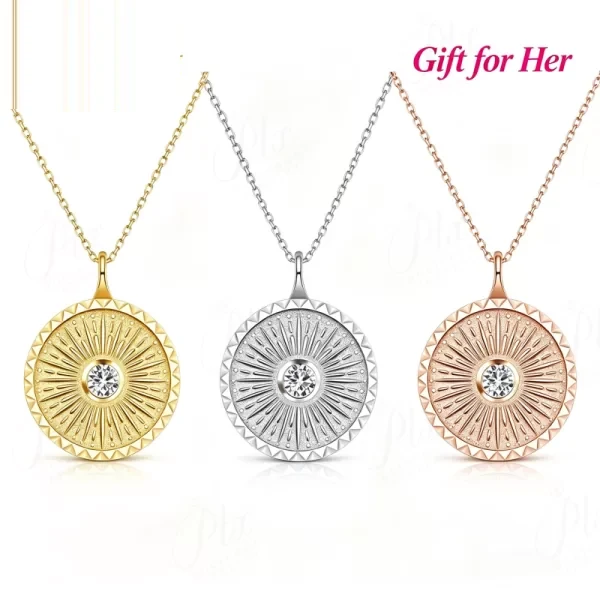
Stone grading decisions cannot be made in isolation from the metal choice, because the metal changes how a stone's color reads. A near-colorless moissanite set into 18K solid gold reads warmer than the same grade set into rhodium-plated 925 sterling silver. Buyers should decide the metal first, then confirm the stone grade against that metal in a physical sample.
The table below summarizes the common combinations wholesale buyers select for hair accessories:
| Metal | Typical Stone | Grading Paperwork | Color Note |
|---|---|---|---|
| 925 sterling silver | Graded moissanite | GRA or IGI report | Cool setting, consistent color |
| 10K/14K/18K solid gold | Graded moissanite | GRA or IGI report | Warm cast, approve sample first |
| Gold vermeil | Moissanite or CZ | Papers if graded stones | Match stones to vermeil tone |
| Gold plated brass | Calibrated crystal or CZ | Lot matching records | Match stones to plating tone |
Whichever tier you choose, name the metal honestly in your own catalog. Gold vermeil and gold plated pieces should be described as vermeil or plated, never as solid gold, and moissanite should be described as a lab-created diamond alternative. Clear descriptions reduce disputes and keep your listings compliant with US advertising standards.
How Three-Stage QC Protects Color Consistency
A supplier's QC structure determines whether your color standard survives contact with production. A three-stage process gives you checkpoints at the moments where color can drift.
Incoming QC
At the incoming stage, the factory inspects stones and metals as they arrive from vendors. This is where an off-color crystal lot gets rejected before it reaches the bench. Ask your supplier what tolerance they apply when comparing incoming stones to a master, and whether they photograph the rejected lots for their records. A supplier who can answer that question in detail is far more reliable than one who simply states that QC is performed.
In-Process QC
In-process checks happen while pieces are being set. A setter comparing each stone against the approved master catches a drifted lot mid-run, when only a few pieces are affected, rather than at the end when the whole batch is at risk. For multi-stone hair accessories, in-process checks are the single most valuable stage, since pavé and cluster designs involve dozens of stones per piece.
Pre-Ship AQL Inspection
Before shipment, an AQL inspection samples finished pieces against the approved master and against your specification sheet. This is your last checkpoint before the goods leave the factory. Confirm the AQL level the supplier uses and ask whether the inspector carries your approved master sample or a duplicate of it. If you want additional confidence, you can require that pre-ship inspection photos be sent to you before the balance payment is released.
Pricing, Payments, and Logistics for Graded-Stone Hair Accessories
Pricing in this category is quoted per piece, or per carat where graded loose stones are involved, so a tiara with a larger center stone will be quoted differently than a small pavé barrette. For sample orders, PayPal is accepted, which keeps the sampling stage low-commitment while you evaluate color matching.
For bulk orders, payment runs on T/T terms with a 30 percent deposit and the 70 percent balance before shipment, and the pre-ship AQL inspection happens before that balance is due.
Delivery to the US runs on DDP terms and takes 5 to 8 days, which means duties and shipping are handled so the goods arrive at your door without surprise fees. Since stone matching decisions add sampling time, plan a realistic timeline: 7 to 10 days for sampling and color approval, then 15 to 25 days for bulk production, then 5 to 8 days for DDP delivery to the US.
Order Terms for Wholesale Buyers
MOQ is 1 piece for stock styles and 30 pieces for custom work, and loose stones are sold by the carat. Sampling takes 7 to 10 days, and bulk production runs 15 to 25 days after the sample is approved. Pricing is quoted per piece or per carat depending on the item. Payment is T/T with a 30% deposit and the 70% balance before shipment, and PayPal is accepted for sample orders.
Frequently Asked Questions
Can I get GRA or IGI papers for stones set into hair accessories?
Yes, graded moissanite set into hair accessories can carry GRA or IGI reports tied to the stone. Ask for the certificate numbers with your order confirmation so you can verify them against the pieces you receive.
What is the minimum order for custom hair accessories?
Stock styles start at 1 piece, so you can test a design before committing. Custom work requires 30 pieces, which is also the quantity where single-lot stone matching is easiest to arrange.
How do I keep reorders color-matched to my first order?
Ask the supplier to reserve the approved stone lot for your style, or to set all pieces in a reorder from one matched lot. Include the master sample reference in your purchase order so the requirement is documented.
How long does sampling take for a color-matched design?
Sampling takes 7 to 10 days once the design is confirmed. Use that window to compare the sample stones against each other under daylight, not just showroom lighting.
What payment terms apply to hair accessory orders?
Sample orders can be paid through PayPal. Bulk orders use T/T with a 30 percent deposit and the 70 percent balance before shipment, after the pre-ship AQL inspection is completed.
Build Your Hair Accessories Line with a Grading-First Supplier
Stone grading and color consistency come down to paperwork, a physical master standard, and a QC process with real checkpoints. If you are ready to review styles, browse the current range of hair accessories and jewelry on the product catalog page. For more sourcing guidance on grading, QC, and supplier evaluation, read the guides on the wholesale jewelry blog.
To request samples with matched stones or discuss a custom order, reach out through the supplier contact page and start your color-matched hair accessories program today.
Sources: Grading references: GIA gem education and GIA laboratory information.