
Profit in a jewelry business comes from two things: good buying and fast turning stock. A boutique or online store that holds stock too long, or prices it wrong, slowly bleeds cash even when sales look fine. This guide is about the numbers: how to think about inventory turnover, how to price for real margin, when to discount and when to reorder. It is the operational side of buying that separates a hobby shop from a profitable one.
The central idea is that stock sitting on a shelf costs you money every day it does not sell. Fast turnover, even at a thinner margin, usually beats slow turnover at a higher one. Once that clicks, buying and pricing decisions become much clearer.

What inventory turnover actually means
Turnover is how many times you sell and replace your stock in a period. A fast-turning earring that sells out in a month and is reordered is worth more than an expensive necklace that sits for a year. Calculate roughly how long each category takes to sell. Aim for the bulk of your stock to turn within a season. Slow stock ties up cash and shelf space that a faster seller could be using.
The markup math that works
Alloy jewelry supports a healthy markup, but price after all costs. A piece costing $2 landed should retail at roughly four to six times cost to cover platform fees, shipping and returns. Price by the market, not by a formula in a vacuum. Check what similar pieces actually sell for. If the market will not bear your markup, either find cheaper sourcing or choose a different style. The margin has to survive the real selling price.
- Fast turnover beats slow high margin.
- Price after fees, shipping and returns.
- Check the real market price, not just cost.
Knowing when to reorder
Reorder a winner before it runs out. Set a simple rule: when a style drops below a two-week supply, reorder. Running out of a bestseller loses sales and frustrates customers. Because Wuzhou factories ship in weeks, you can keep lean stock and still never run dry on the pieces that move. The goal is to be out of stock only on pieces you are glad to stop selling.
Discounting the right way
Discounting is a tool, not a confession. Mark slow pieces down deliberately to clear them, rather than letting them sit. A bundle or a seasonal sale moves dead stock and frees cash. But do not discount your winners; they sell at full price, and discounting them trains customers to wait. Clear the slow stock hard, protect the margin on the fast stock, and the overall margin stays healthy.

Dead stock is a decision, not a mistake
Every buyer accumulates some dead stock; the difference is what they do about it. After three months without a sale, the piece is not going to magically sell. Move it to a clearance, a grab bag or a gift bundle. Recovering some cash and freeing the shelf is better than hoping. The buyers who clear fast keep their inventory fresh and their cash working. Letting dead stock sit "just in case" is the most common silent loss in small retail.
Reorder data over gut feeling
Keep a simple record of what sells. After a season, the data shows your real winners and losers. Reorder the winners, stop ordering the losers, and test a few new pieces. Over a year this data becomes a buying system that is far more reliable than taste. Buyers who track sell-through gradually make fewer mistakes, because each order is informed by the last.
- Reorder winners before they run out.
- Clear slow stock within a season.
- Track what actually sells, then buy accordingly.
Cash flow is the whole game
A small jewelry business lives or dies on cash flow. Tying cash into dead stock is how profitable-looking shops close. Buy lean, turn fast, clear slow stock, and keep enough cash to reorder winners. A smaller range that turns quickly is worth more than a large range full of unsold pieces. Protect the cash above the prestige of a full-looking shop.
Seasonal planning
Jewelry demand peaks at gifting seasons: Valentine's, Mother's Day, graduations and holidays. Plan inventory ahead of each peak, then clear the seasonal stock after. Do not carry a Christmas piece into March. Aligning buys with the calendar means you buy when demand is coming and clear before it fades. That timing alone boosts turnover meaningfully.
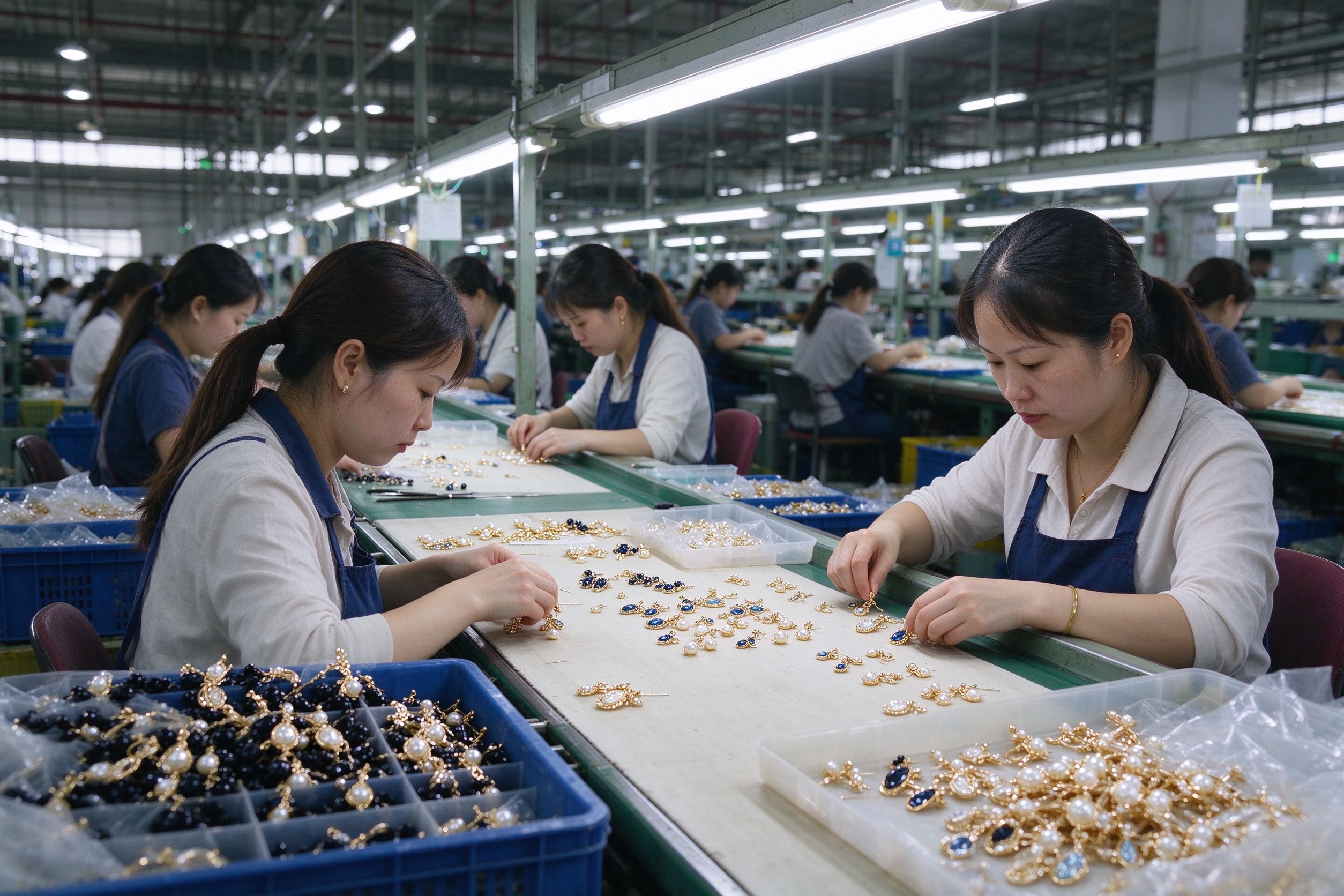
Working with a factory to improve turnover
Tell your factory what your fastest sellers are. Because they produce quickly and flexibly, you can keep only a small buffer and reorder on demand. That low-stock model is the modern way to run a small jewelry range. The factory's fast lead time becomes your inventory strategy: less stock, less dead inventory, less risk. Lean on the supply chain rather than the shelf.
Turn fast, price honestly, grow steadily
Profit is not about buying beautiful jewelry; it is about buying jewelry that turns quickly and prices honestly. Track turnover, price after all real costs, reorder winners before they run out, and clear slow stock within a season. Treat cash flow as the thing you protect. Done consistently, these simple operations turn a small jewelry business from a risky pile of inventory into a steady, growing, profitable shop.
Open-to-buy math in practice
Open-to-buy is simply how much you can spend on new stock without tying up cash. If your monthly sales are $5,000 and your target turnover means you hold about a month of stock, you can reorder roughly $5,000 worth, not $10,000. Sticking to that number prevents over-buying. After each month, compare what sold to what you bought. If sales are running under plan, cut the next buy. This discipline keeps a small shop liquid and prevents the slow creep into overstock that sinks so many retailers.
A markdown calendar that protects margin
Mark down on a schedule, not in a panic. After sixty days, mark slow pieces by ten percent. After ninety days, twenty-five percent. By the end of the season, move them into a bundle or grab bag. This staged approach recovers more than a desperate end-of-line clearance. Never mark down your proven winners; they sell at full price. The markdown is reserved for pieces that have already told you, by sitting, that they are not sellers.
Seasonal and gifting timing
Jewelry demand spikes around gifting holidays. Buy Valentine's stock in January, Mother's Day stock in March, and holiday gift stock by October. Then clear seasonal pieces promptly after the date. Carrying a Valentine's heart into April is dead weight. Aligning buys with the calendar means you buy before demand and clear after it, which keeps turnover high and prevents last year's theme from sitting on the shelf.
Frequently asked turnover questions
How fast should jewelry stock turn?
Fast-moving earrings should turn within a month. Staples within a season. Anything sitting beyond three months is a clearance candidate, not a hope.
Is a higher markup always better?
No. A price that does not sell gives infinite "margin." Price where the market buys, then improve margin through cheaper sourcing and bundles, not by inflating the retail price.
How do I protect cash flow?
Buy lean, reorder on the factory's fast lead time, and clear dead stock within a season. Cash sitting in slow inventory is the most common cause of a small shop closing despite looking busy.
Reading your sell-through report
Once a month, pull a simple report: which styles sold, which sat, and which reorder fastest. The winners get reordered deeper; the sitters get marked down. This one habit beats any instinct. Most dead stock accumulates not because buyers guess badly once, but because they never go back and clear what did not work. A fifteen-minute monthly review keeps the range tight. Over a year, the report tells you exactly who your customer is and what they will pay, which is more valuable than any trend forecast.
Pay attention to the gap between units sold and cash tied up. A cheap earring that sells ten units a month may contribute more than one expensive necklace that sells one. Turnover, not individual price, drives health. Rank your stock by monthly sales dollars, and protect the top performers while clearing the bottom.
Reordering before you run out
Because Wuzhou factories ship in weeks, you do not need to hold a huge buffer. Set a reorder point for each winner: when stock drops below a two-week supply, reorder. Running out of a bestseller is a silent loss; regulars who find it gone may buy elsewhere and not return. Lean on the factory's fast lead time instead of a full shelf. This keeps cash free for new tests while ensuring you never stock out of the pieces that actually pay.
Turnover rules of thumb
- Fast earrings should sell within a month.
- Mark anything slow after sixty to ninety days.
- Reorder winners before they hit two weeks of stock.
- Rank stock by monthly sales dollars, not price.
Protecting margin as you grow
As volume grows, you have leverage to negotiate better factory prices, which flows straight to margin. Reorder winners in larger quantities to earn price breaks, but never sacrifice the cash discipline that keeps you liquid. Margin grows from three places: cheaper sourcing on proven winners, smarter bundling, and faster turnover that discounts less. Combine those three and even a small jewelry business becomes steadily more profitable without raising prices on the customer.
The psychology of price endings
Small price cues matter more than you might think. Charmingly priced endings move affordable jewelry better than round numbers, and a clearly framed bundle always out-sells a single cheap item. Test one price point against another on a slow week and watch conversion. The difference between two close prices is often the difference between a piece that sits and one that flies. Since jewelry is emotional, the price should feel like a little treat, not a serious purchase.
Protecting the brand while discounting
Discount only the pieces that are on their way out, never the everyday winners. If you constantly mark everything down, customers learn to wait and your brand looks cheap. Use controlled, seasonal promotions instead of a permanent sale. The slow stock gets cleared; the proven stock holds its price. That discipline protects both margin and brand, so when you do run a promotion, it feels like an event rather than the normal state.
Together with the monthly sell-through review and the lean reorder rhythm, this pricing discipline keeps the whole business healthy. Stock turns, margin holds, cash stays free, and the slow pieces never pile up. That is the quiet operations system that turns a pile of pretty inventory into a steady, growing, profitable little jewelry business.
Pricing discipline
- Test price points on slow weeks.
- Discount only clearance stock, not winners.
- Keep promotions seasonal, not permanent.
- Bundle to raise order value without cutting price.
Profit is operational, not accidental
A jewelry business makes its money in the everyday operations: fast turnover, honest pricing, lean reordering and ruthless clearing of slow stock. Track what sells, protect the winners, discount the sitters, and keep cash free. The glamorous part is choosing pretty pieces; the profitable part is managing them once bought. Treat the operations as seriously as the buying, and the shop grows steadily without the stress of dead stock.
Book a fifteen-minute sell-through review on your calendar every month. That small routine does more for profit than any big buying decision.
Review sell-through monthly, reorder winners before they run out, and clear slow stock within a season. Fast turnover on honest prices beats slow turnover on big margins, and it keeps the business liquid year round.
