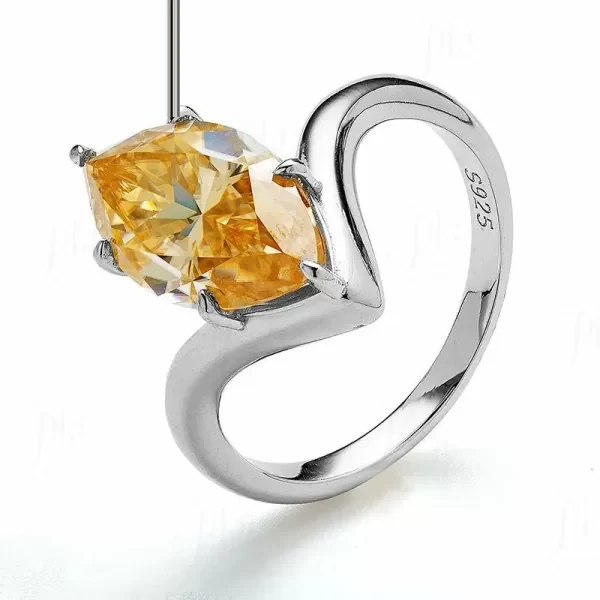
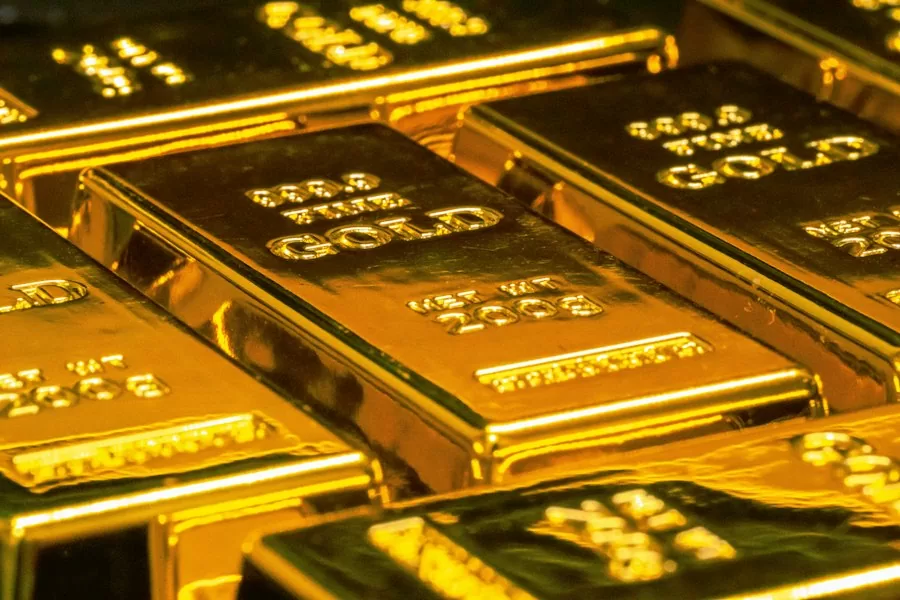
Every piece of jewelry worth selling carries a small stamp somewhere. It may be inside the ring band, on the back of the pendant, on the earring post, or stamped flat against the clasp. The stamp is the factory's declaration of what the metal is. Wholesale buyers who can read them quickly avoid two problems: paying solid prices for plated pieces, and shipping items that mislabel their material to customers.
Solid precious-metal stamps
- 925, sometimes 925/1000 or S925: sterling silver, 92.5 percent pure silver, the remaining 7.5 percent usually copper. This is the standard for fine silver jewelry.
- 585: 14-karat gold, 58.5 percent pure gold. Common in European and Asian factories.
- 750: 18-karat gold, 75 percent pure gold.
- 375: 9-karat gold. Common in the UK market.
- 500 or 800: lower-carat silver alloys, used less often in fashion lines.
These numbers are not decorative. In jurisdictions with precious-metal marking laws, selling a piece stamped 925 that is not 92.5 percent silver is misrepresentation. If you are comparing alloy versus sterling silver, the stamp is the single fastest way to tell the two apart at a glance.
Plated and filled stamps
Plated pieces should never be stamped with a karat mark. They carry their own shorthand:
- GP: gold-plated. A thin layer of gold over a base metal. The layer is measured in microns and varies wildly between factories.
- GF: gold-filled. A thicker, mechanically bonded layer of gold over brass. This is a real category, heavier and more durable than GP, and it must meet a minimum gold-weight standard to use the mark.
- RGP: rolled gold plate, similar family to GF but thinner.
- HGE: heavy gold electroplate. Older marking, often seen on vintage pieces.
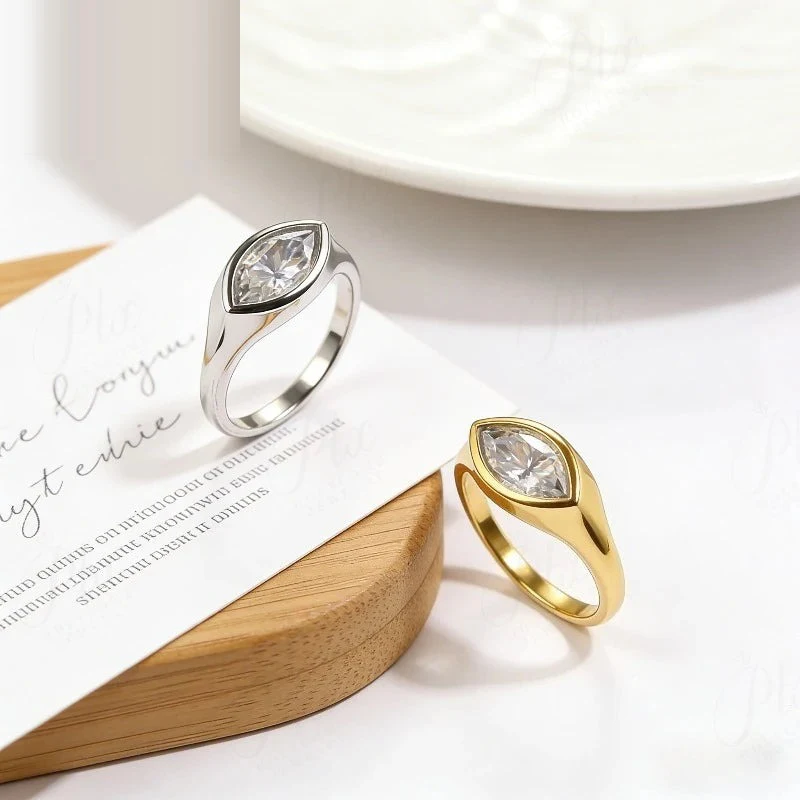
- Rhodium plated, sometimes RP: a white finish over silver or white metal, common on CZ and moissanite settings.
If a piece is stamped 14K but feels light, or the stamp is on a piece that the supplier quoted you as gold-plated, walk away. Our guide to plating types covers the microns numbers you should ask for in writing.
Why buyers should care
First, pricing. A 925 piece is a fundamentally different product from a GP piece, and the customer who buys one is not the customer who buys the other. Selling a plated piece as "gold" or "solid" is the fastest way to get returns and a platform complaint. Second, compliance. Nickel, lead, and cadmium rules in the EU and California apply regardless of the stamp, but the stamp tells you which test report to request.
Third, honest merchandising. Most fashion lines are alloy with plating, and that is fine. Our take on whether alloy jewelry is good is that it is a legitimate category when it is labeled clearly. The stamp is where honesty starts.
When a stamp lies
Fake stamps exist. A ring stamped 925 that is actually zinc alloy over a thin silver flash is a known counterfeit in wholesale markets. Spotting it takes two minutes: the stamp will be shallow, crooked, or placed in a spot the factory rarely stamps; the piece will feel light; and the magnet test will often grab it because the base metal is ferrous. If the unit price is far below the market for the stamp claimed, trust the price, not the stamp.
How to read stamps on the floor
Keep a 10x loupe on your buying bag. Hold the band under a phone light at a shallow angle. The stamp will pop. Write the stamp down on your spec sheet before you order. When the shipment arrives, pull one piece and read the stamp again. If the stamps on the production run do not match the sample, that is a rejected shipment, not a "close enough."
Stamps that are not material stamps
Not every stamp on a piece is a metal declaration. Maker's marks, designer initials, and origin marks also show up. "Italy" on a silver chain usually means the chain was drawn in Italy, not that the whole piece is Italian-made. A small "C" inside a cartouche may be a designer mark, not a purity mark. Do not assume a stamp is a material claim without a reference chart. If the stamp is unclear, treat the piece as its quoted category until the factory writes it down.
How to test a stamp claim at home
A few quick checks separate a stamped piece from a mis-stamped one. Weigh it against a known solid piece of the same size. Solid silver and gold have a predictable heft; a mis-stamped plated piece will feel light. Run a magnet across the back. Sterling and solid gold are non-ferrous. A strong pull means the base metal is ferrous, even if the surface is silver. Check the color of the post or the inside band where plating wears fastest — plated pieces often reveal a darker base metal there.
If the unit price is suspiciously low for the stamp claimed, trust the price. Solid 14K and 925 silver move in a narrow market range. A piece quoted at 40 percent below that range is not a deal; it is a plated piece with a borrowed stamp. Wholesale buyers who document this on every spec sheet avoid the two worst problems in the category: paying solid prices for plated goods, and shipping mislabeled pieces to customers.
EU-wide limits on nickel, lead and cadmium in jewellery are set by the REACH Regulation (EC) No 1907/2006 on EUR-Lex.
Frequently Asked Questions
How do I verify a factory before placing a bulk order?
Request a production video, business license, export records and a paid sample run. A factory that accepts a 50-piece test order is usually a real manufacturer.
What payment terms do you offer?
30% T/T deposit with the balance against the bill of lading. This protects both sides on first orders and can move to net terms after a track record.
What is your normal reject rate?
3–5% under 10x loupe inspection for cast and set pieces. Defective units are replaced free in the next shipment.
Where is the factory located?
Wuzhou, Guangxi, China—the core lab-grown and moissanite manufacturing cluster. Shipments go via Guangzhou or Shenzhen ports.