Jewelry Tools Buying Guide for Trade Buyers: stone setting durabil
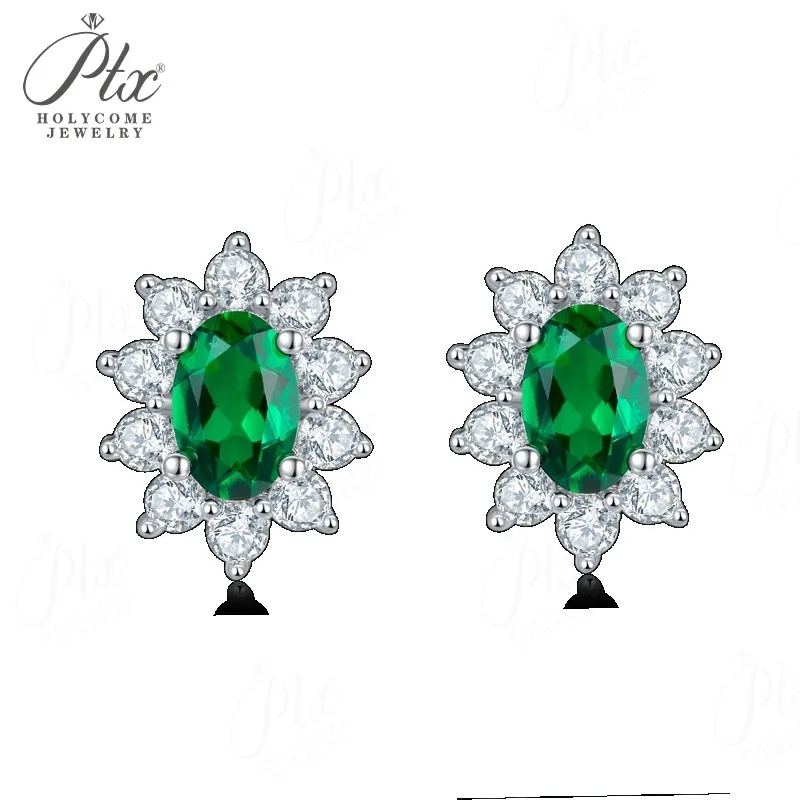
Understanding Stone Setting Durability
When you’re sourcing jewelry tools, the first thing that matters is how well the stones will stay in place during both production and wear. A sturdy setting keeps the gem secure, reduces the risk of loss, and protects the metal frame from damage. This is why we, at HOLYCOME, emphasize tools that enable precise, secure stone setting.
Our tools are engineered to create tight, balanced settings that withstand everyday use. They also allow you to maintain clean, polished metal surfaces, giving your finished pieces a premium look. When a stone is set with the right pressure, the setting’s longevity is maximized, ensuring customer satisfaction and repeat business.
Choosing the Right Pliers for Trade Buyers
Professional jewelers rely on a variety of pliers for tasks such as crimping, flatting, and shaping. For metal that will hold stones, you need pliers with a smooth, non‑abrasive surface to avoid scratching the metal or the backing of the stone. Our selection includes high‑grade stainless steel and forged sterling 925 options.
When selecting pliers, look for a comfortable grip and balanced weight. The right tool will keep your hand steady during delicate operations, reducing errors and ensuring that each stone setting is repeatable and reliable across large production runs.
Cutters, Hammers, and the Impact on Stone Setting Quality
Cutters and hammers are the backbone of any jewelry workshop. Precision cutters help you shape metal without compromising the area around the stone setting, while hammers provide the force needed to secure setting components. The quality of these tools directly influences the final bond strength.
Below is a quick comparison of common cutter and hammer types used in professional settings:
| Tool Type | Primary Use | Material | Durability |
|---|---|---|---|
| Precision Pliers | Fine trimming | High‑grade steel | High |
| Flatting Hammers | Setting compression | Forged steel | Medium‑High |
| Metal Cutting Knives | Clean cuts | Stainless steel | Medium |
Setting Tools and Their Role in Stone Security
Stone‑setting tools are specialized to clamp or encase gems without applying uneven pressure. A good setting tool should distribute force evenly, preventing point stress that can crack or dislodge the stone. With our line of setting tweezers and crimpers, you’ll notice improved first‑pass yield.
Because we own the setting and polishing lines, our tools are tested in real‑world conditions, ensuring that each stone remains secure during both the setting process and the final product’s lifetime. This level of reliability translates into higher customer satisfaction rates for your trade operations.
Polishing and Finishing: Maintaining Stone Setting Integrity
- Use gentle polishing pads to avoid removing too much material around the setting.
- Apply a light, non‑abrasive polish that preserves the stone’s clarity.
- Inspect each piece under magnification before final packaging.
- Store finished pieces in padded cases to prevent accidental impact.
- Retain a small inventory of spare setting screws for quick repairs.
Polishing not only enhances the visual appeal but also contributes to setting durability. A properly finished metal surface reduces friction and helps maintain the integrity of the setting during wear and cleaning.
Ordering and Production Efficiency for Trade Buyers
We offer a minimum order quantity of one piece for stock items and thirty for custom orders. Our production cycle ranges from twelve to eighteen days, depending on the complexity of the setting and the volume of the order. Every batch undergoes a three‑stage quality control process: incoming stone inspection, in‑process checks, and a pre‑ship AQL review.
Pricing is based on the quantity and specific tool requirements. We accept a 30% T/T deposit for production, though PayPal is available for sample orders. DDP delivery to the U.S. typically takes five to eight days once the order is confirmed, ensuring minimal inventory downtime for your business.
Frequently Asked Questions
What is the minimum order quantity for custom tools?
The MOQ is 30 pieces for custom orders, but we can accommodate single units for stock items. This allows flexibility for testing new setups before a larger run.
How long does it take to receive a sample via PayPal?
Samples sent by PayPal are shipped within 48 hours, with DDP delivery to the U.S. taking about five to eight days. We also provide GRA or IGI certificates with the samples to verify authenticity.
What are the lead times for a large order?
For orders above 500 pieces, the lead time is typically 12 to 18 days, depending on the tool’s complexity and the required setting configuration.
Ready to boost your trade line with reliable stone‑setting tools? Contact us for a quote or request samples today.