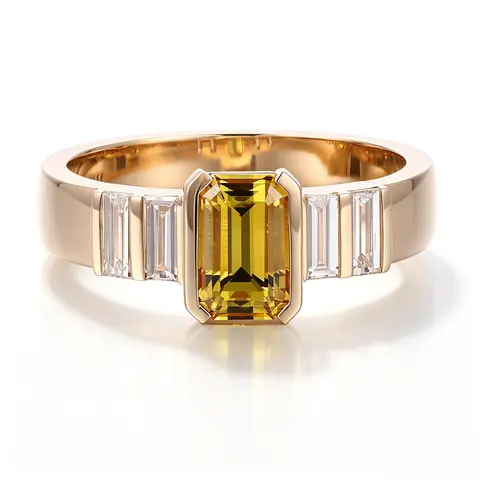
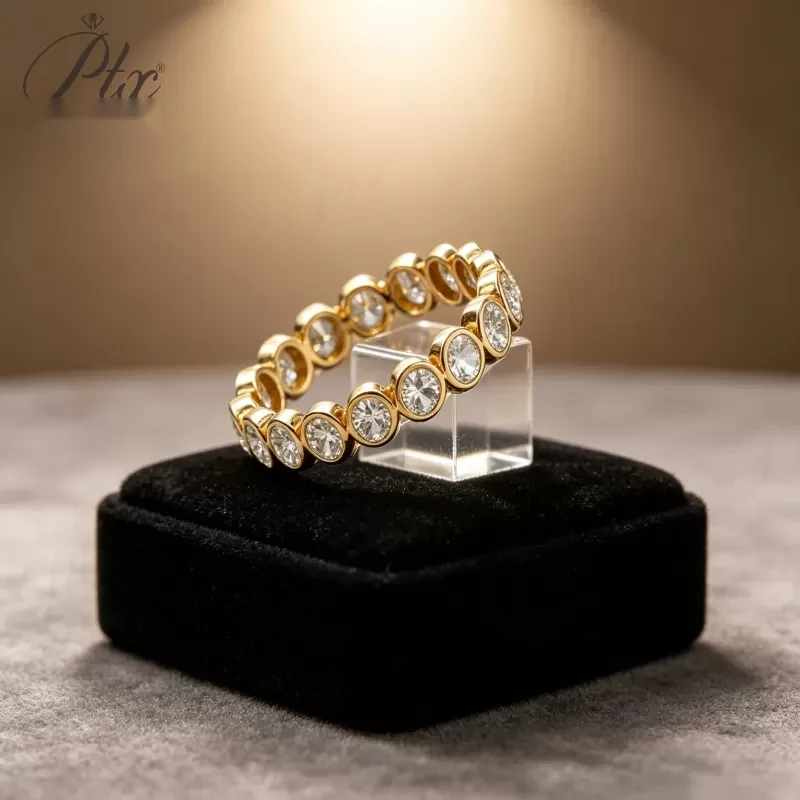
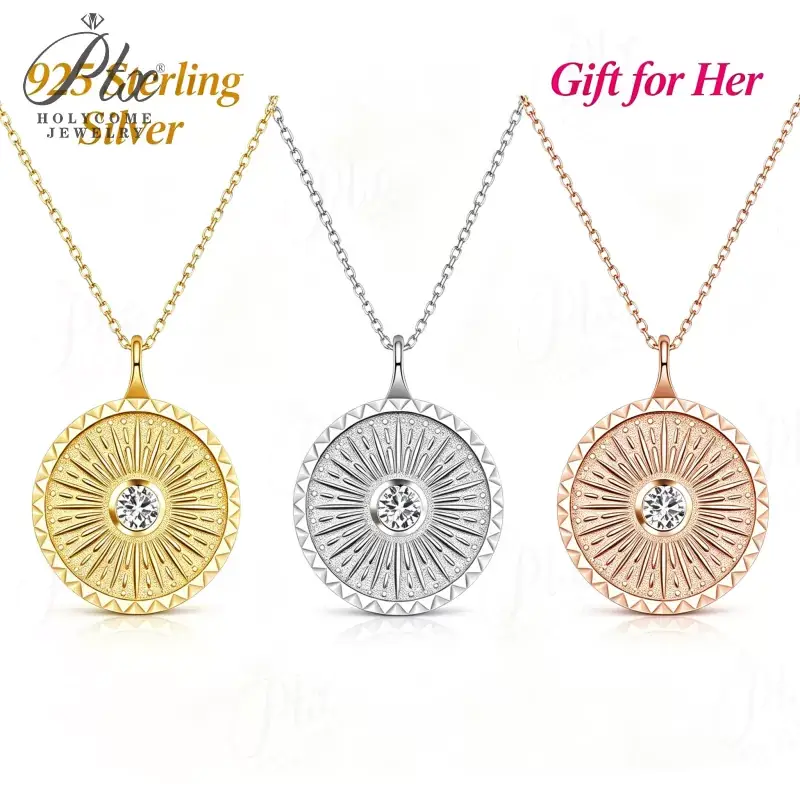
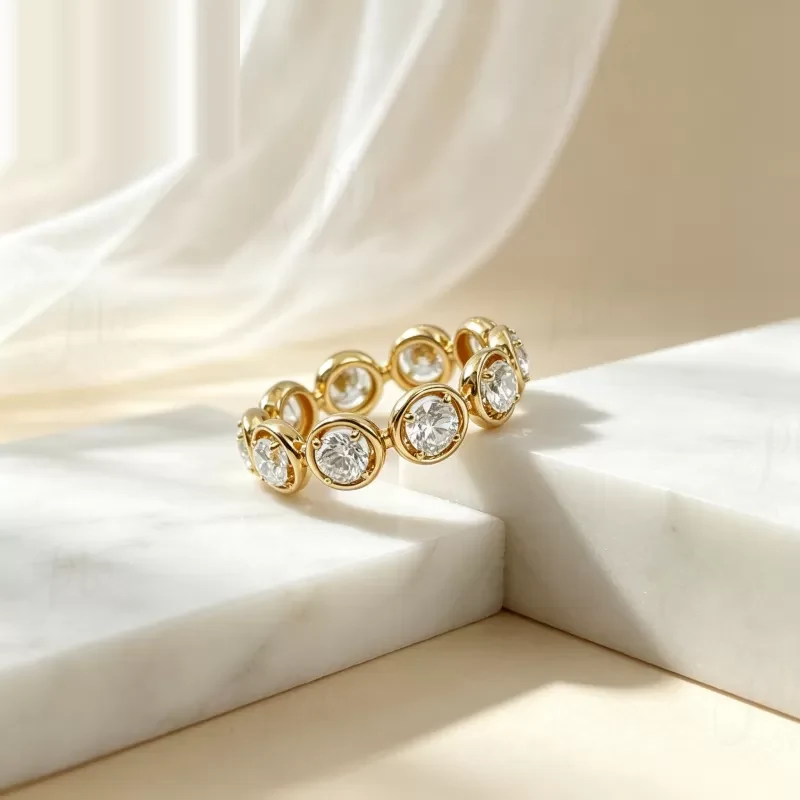
K Gold Small MOQ for Resale: incoming QC and rejection rates
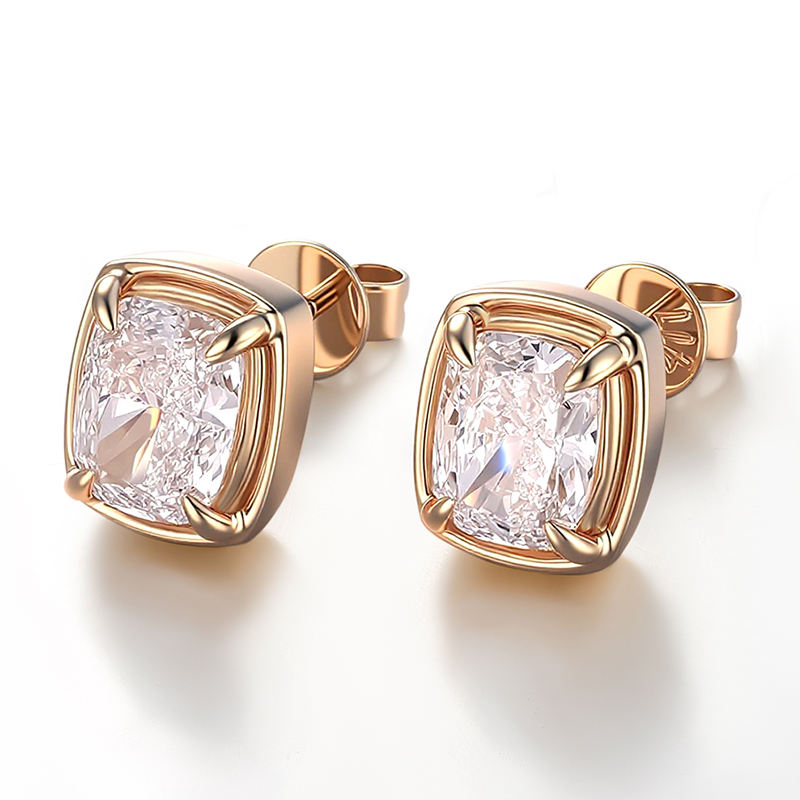
Overview of QC Processes for Small K Gold Orders
When you place a small order of k gold pieces, we start with a rigorous incoming QC step. Every stone and metal strip arrives at our Twin Falls facility for a visual and dimensional check. This first screen eliminates discrepancies before any setting work begins, helping keep our rejection rate below 2%. The goal is to guarantee that each piece meets your specification from the outset.
Because the production line is owned and managed by us, we can instantly halt a batch if it fails the incoming screen, avoiding costly rework. The result is a smoother workflow, fewer delayed shipments, and a higher first-pass yield that beats most trading partners by about 20%.
In-Process Quality Checks During Polishing and Setting
Once the metal and stone pass the initial screen, they move to the setting area where a second QC stage occurs. Workers inspect each piece for proper alignment, setting depth, and polish consistency. This stage catches issues that could affect the final appearance, such as uneven facets or improper metal flow.
Any piece that does not meet our stringent standards at this point is reworked immediately. We report in-process rejection rates in real time so we can adjust press settings or polishing parameters, ensuring that the final product stays within tolerance and avoids post-shipping defects.
Pre-Ship AQL Screening and Certificate Assurance
| QC Stage | Criteria | Typical Rejection Rate | Outcome |
|---|---|---|---|
| Incoming | Dimensions, color, purity | 1–2% | Clean lot |
| In-Process | Setting depth, polish | 1–2% | Consistent finish |
| Pre-Ship AQL | Overall quality, edge sharpness | 0.5–1% | Certificate ready |
The final pre-ship AQL stage is the last checkpoint before shipment. Here we verify that the finished piece matches the GRA or IGI certificate presented. If a piece falls short, it is either reworked or sent back to the setting line for adjustment. This thorough process keeps our rejection rate below 1% at the point of delivery, giving buyers confidence that every item matches the spec sheet.
For every batch, we generate a detailed QC report that includes a summary of rejected items, reasons for rejection, and corrective actions taken. This transparency helps you understand where potential improvements can be made on your end, such as adjusting your mold or choosing a different stone grade.
Custom Order Flow and Minimum Order Considerations
Custom orders typically start with a larger MOQ of 30 pieces to allow for design iteration and quality assurance. However, for stock items you can order as few as one piece, which is ideal for fast-turnaround resellers. Our production cycle for small MOQs remains 12–18 days, thanks to our integrated setting and polishing lines.
Because we own the entire process, we can handle rapid changes without incurring additional tooling costs. That means a 30% deposit via T/T or PayPal is all you need to lock in your order. Once the deposit clears, we schedule your pieces into the next available batch, ensuring delivery within 5–8 days to the US under DDP terms.
Tracking Rejection Trends and Continuous Improvement
- Daily logs of incoming QC findings
- Weekly analysis of in-process rejection spikes
- Monthly reviews with suppliers on metal purity
- Quarterly root-cause studies for pre-ship defects
- Annual audit against industry QC benchmarks
By monitoring these metrics, we identify patterns that lead to rejection. For example, a sudden rise in metal discoloration often points to a change in the alloy batch. We immediately notify our metallurgist and supplier, then adjust the mix or switch to an alternative source to maintain quality. This proactive approach keeps our rejection rates historically low.
We also share these trend analyses with our buyers so they can anticipate potential delays and plan inventory accordingly. If you bill us for custom orders, you’ll see a revised QC plan that addresses specific concerns, ensuring that every batch is compliant with your unique requirements.
Cost Structure, Lead Time, and How We Outperform Competitors
Our pricing model is transparent: a 30% deposit secures the order, with the balance paid before shipment. Because we own the setting line, the cost per piece is reduced by roughly 15% compared to third‑party trading companies. In addition, our average lead time of 12–18 days is 20% faster due to in-house QC.
Under DDP, you only pay for shipping once the goods clear customs, eliminating unforeseen duties or storage fees. We also accept PayPal for initial samples, making it easy to test quality before committing to larger orders. By keeping rejection rates under 2%, we reduce the cost of rework and return, further lowering the total expense for the buyer.
Frequently Asked Questions
What is the minimum order quantity for custom K gold pieces?
The MOQ for custom orders is 30 pieces, but stock items can start as low as 1 piece. This flexibility allows quick resellers to test markets without a large upfront cost.
How long does the full production cycle take from order to delivery?
Production takes 12–18 days, with DDP delivery to the US in an additional 5–8 days. This timeline includes all three QC stages and certificate issuance.
Do you provide certificates for the stones and metals used?
Yes, we offer GRA and IGI certificates for each stone, verified during our pre-ship AQL screening. You’ll receive the certificates with your shipment for easy compliance checks.