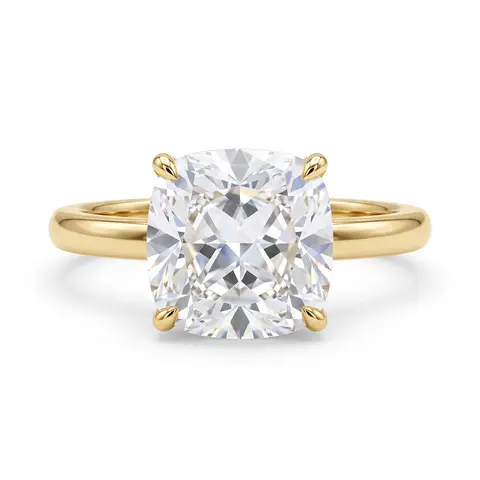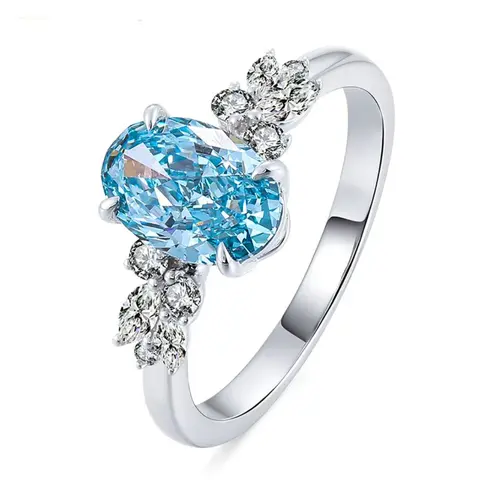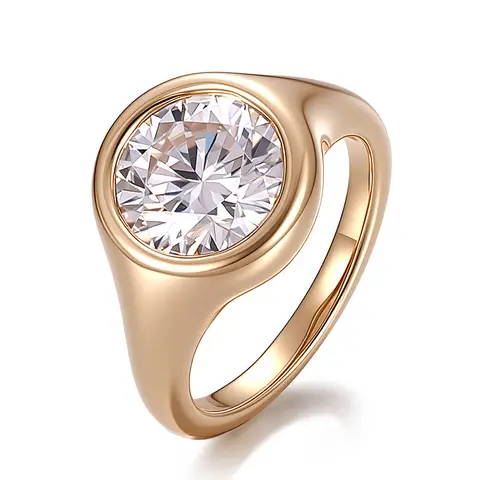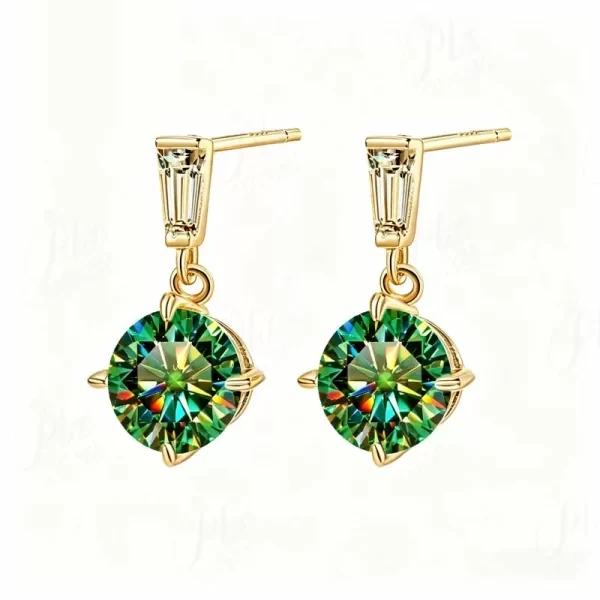
Why your first k gold wholesale quote and your landed cost are two different numbers
I have sat in on hundreds of first-order price reviews, and the same thing happens almost every time. The buyer compares three unit prices, picks the middle one, and then gets surprised eight weeks later when the real cost per piece is 18 to 25 percent higher than the quote. That gap is not a trick. It is freight, duty, certificate handling, payment fees and metal loss, and most suppliers never put those lines in front of you.
So let me do it the way I would do it for a buyer standing at my QC bench. We will build a first order from the metal up, add every cost that lands on your dock, and show you where the money actually goes. No sales language, just arithmetic.
Start with the metal: what you are really paying for
K gold pricing has two halves. The first is the gold content, quoted off the daily spot price for the karat you choose. The second is the making charge, which covers labor, setting, polishing and the factory's margin. Buyers who only compare the total per gram are comparing two different things, because one supplier may be quoting 9K and another 14K.
Here is the piece that trips up first orders: gold weight tolerance. On a 14K ring, a plus-or-minus 0.15 gram swing is normal casting variation, and at current spot levels that swing is real money across 100 pieces. Ask your supplier what weight tolerance they hold and whether they reconcile the final invoice against actual weighed weight. A factory that weighs out and reports per-piece grams is not being fussy; it is protecting both sides.
The karat decision that changes your landed number
9K and 10K are common in the EU and UK because they hit legal minimums and keep the metal cost down. 14K is the US default for fine jewelry. 18K costs roughly double the gold content of 9K and will move your landed cost more than any freight decision you make. Decide the karat before you ask for quotes, or you will spend a week comparing numbers that were never comparable.
The line items that appear after the unit price
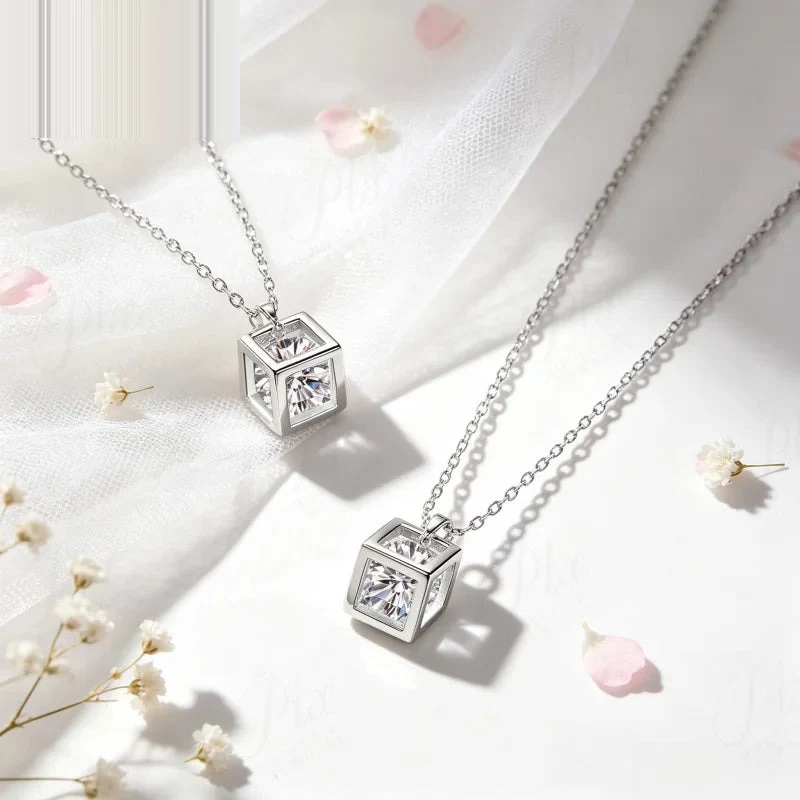
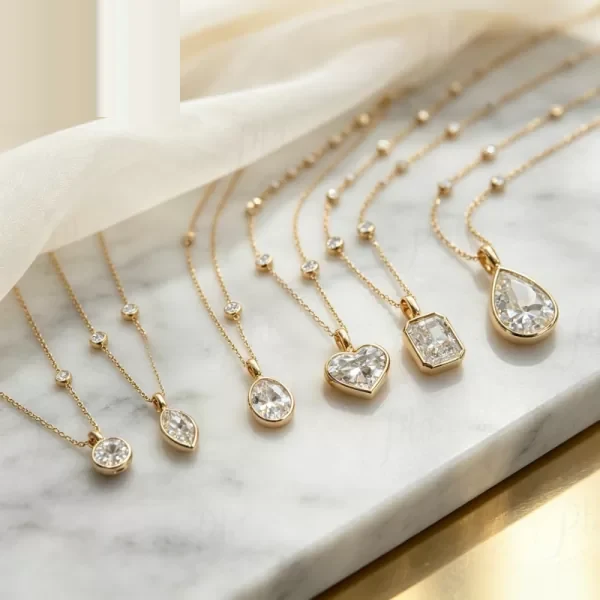
Below is the cost sheet I would build for a 100-piece first order of 14K pendants, average 1.8 grams finished weight. Your numbers will differ, but the structure will not.
| Cost line | Basis | Rough share of landed cost | Who controls it |
|---|---|---|---|
| Gold content | Spot price x karat purity x net weight | 55 to 65 percent | Market, karat choice |
| Making charge | Per piece or per gram labor | 15 to 22 percent | Factory |
| Stones and setting | Moissanite or lab diamond, per stone | 5 to 12 percent | Grade choice |
| Certificates | Per piece, GRA or IGI | 2 to 4 percent | Buyer |
| Freight and duty | DDP rate plus destination tax | 8 to 14 percent | Route, incoterm |
Notice that the two lines buyers negotiate hardest, making charge and stones, are the two smallest. The biggest lever is karat and finished weight, and the second biggest is how the shipment moves. That is where a first order gets won or lost.
Certificates: pay per piece or pay per parcel
GRA cards are issued per stone or per piece and are cheap at volume. IGI reports cost more and are usually reserved for center stones above a certain size. If your buyer base expects IGI on every piece, budget for it in the quote rather than absorbing it later. We list certificate cost as a separate line on every proforma so nobody argues about it at shipment.
A worked example, with the awkward parts left in
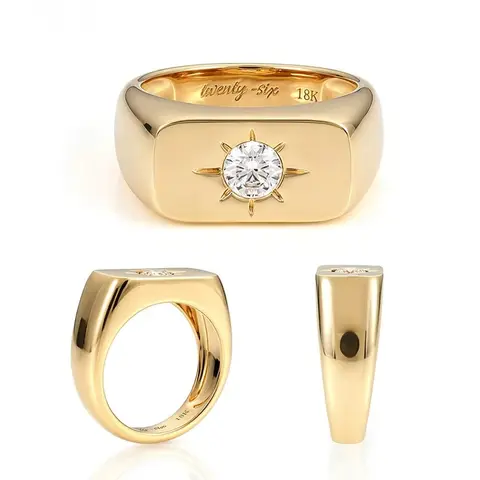
Take 100 pendants at 1.8 grams of 14K, moissanite accents, GRA cards, shipped DDP to a US address. Gold content at a spot of 2,400 USD per ounce works out to roughly 1,050 USD per ounce of pure gold, so 14K at 58.3 percent purity lands near 612 USD per ounce of finished metal, or about 19.7 USD per gram. At 1.8 grams that is roughly 35 USD of gold per piece, or 3,500 USD across the order.
Add a making charge around 6 USD per piece, stones and setting around 4 USD, certificates around 1.20 USD, and you are near 46 USD per piece ex-works. Freight DDP plus duty and destination tax typically adds 9 to 13 percent on a parcel this size, so call it 5 USD per piece. Payment fees on a T/T with 30 percent deposit run a fraction of a percent on our side and are usually absorbed by the sender's bank. Final landed cost lands around 51 to 52 USD per piece.
If a first quote comes in 30 percent under everyone else on the same karat and weight, the difference is almost always metal weight tolerance, stone grade, or a certificate that was never going to be issued.
Where our numbers run about 20 percent better
We cut, cast, set and polish in one facility, which means no trading company margin sits between the bench and your invoice. That is the plain reason our cost, speed and yield come in around 20 percent better than typical trading companies on the same specification. There is no second markup, no re-shipping between subcontractors, and no waiting for someone else's production calendar.
- Stock items ship from 1 piece minimum, so a first order can be a test order.
- Custom designs start at 30 pieces per style, with 12 to 18 days production after sample approval.
- Three-stage QC: incoming stone check, in-process inspection at setting and polishing, and pre-ship AQL sampling.
- GRA and IGI certificates available, priced per piece on the proforma.
- T/T with 30 percent deposit for production, PayPal accepted for sample orders.
- DDP delivery typically 5 to 8 days to US and EU addresses once goods clear.
Payment terms and what they cost you in cash flow
A 30 percent T/T deposit on a first order means you are out roughly a third of the invoice for the 12 to 18 days of production plus transit. That is not a hidden fee, but it is a real cost of capital, and it belongs in your landed cost model if you are running tight. Sample orders by PayPal cost a little more in fees but let you hold the piece before committing to a production run.
Ask for the proforma to show metal weight, making charge, stone grade, certificate type, incoterm and payment schedule as separate lines. A supplier who cannot break the quote down that way either does not know their own cost or does not want you to.
Frequently Asked Questions
What is the minimum order for a first k gold wholesale order?
Stock designs start at 1 piece, which is how most first orders begin. Custom styles require 30 pieces per design, and the sample is produced before the bulk run so you can approve weight and finish.
How long does production and delivery take?
Production runs 12 to 18 days after sample approval, and DDP delivery adds roughly 5 to 8 days to US and EU destinations. Certificate issuance happens before dispatch, so it does not add a separate wait.
How is the price calculated?
Price is gold content at the day's spot price for your karat, plus making charge, plus stones and setting, plus certificates and freight. We quote each line separately so you can see exactly what drives the total.
If you want this math run on your own design, send the sketch, target karat and quantity to service@holycome.com or message WhatsApp +86 133 7744 7107, and we will return a line-by-line proforma with landed cost to your door. Sample orders are welcome before you commit to a production run.