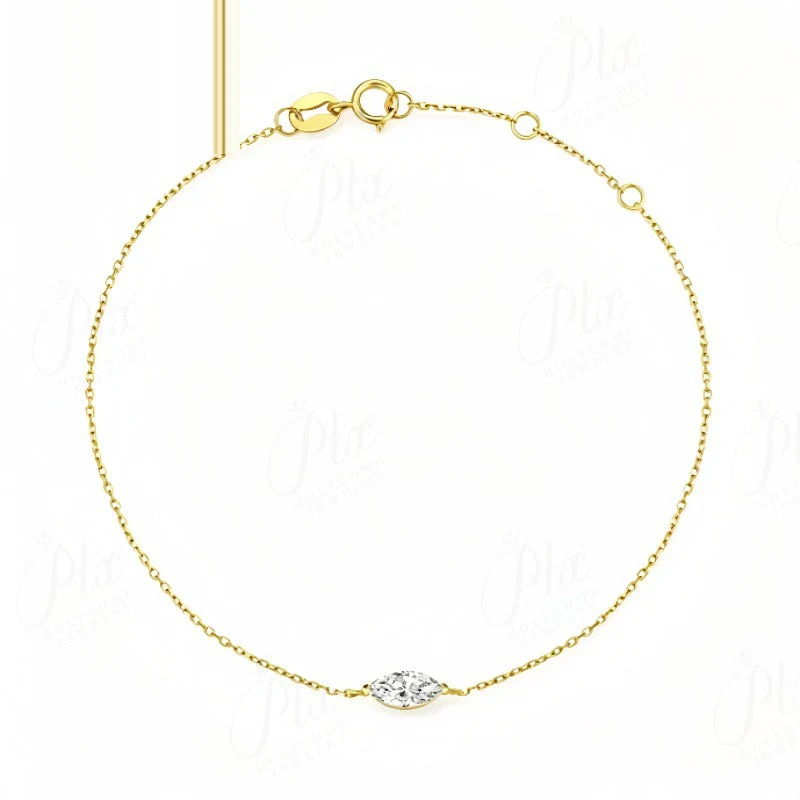
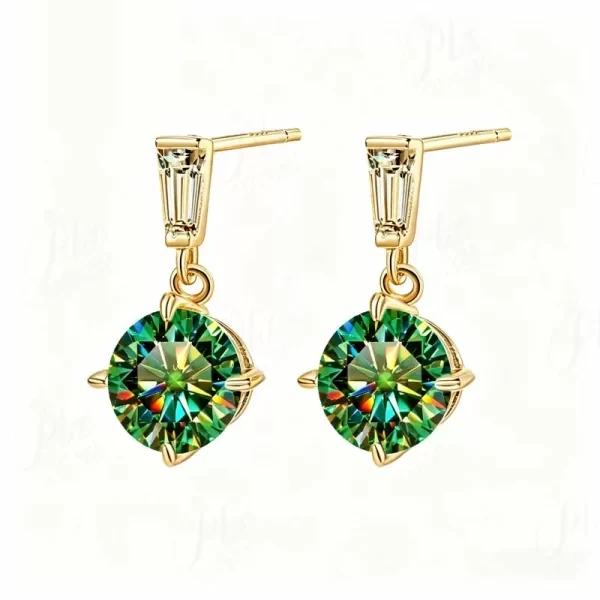
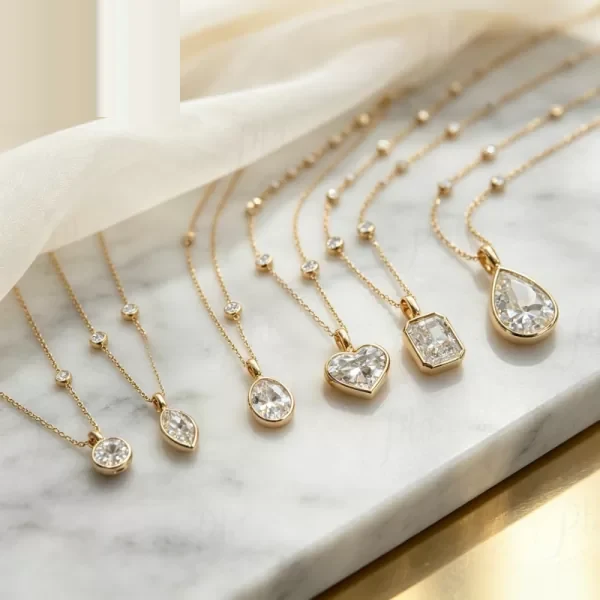
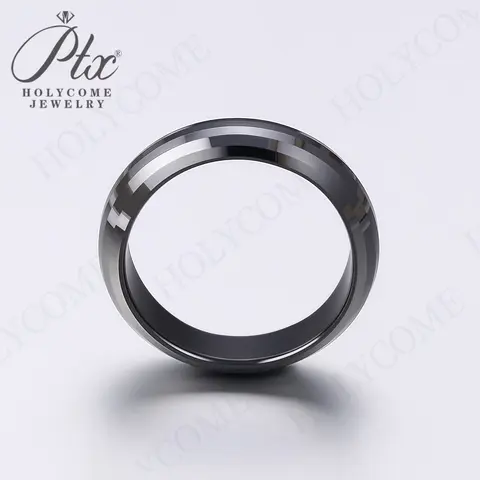
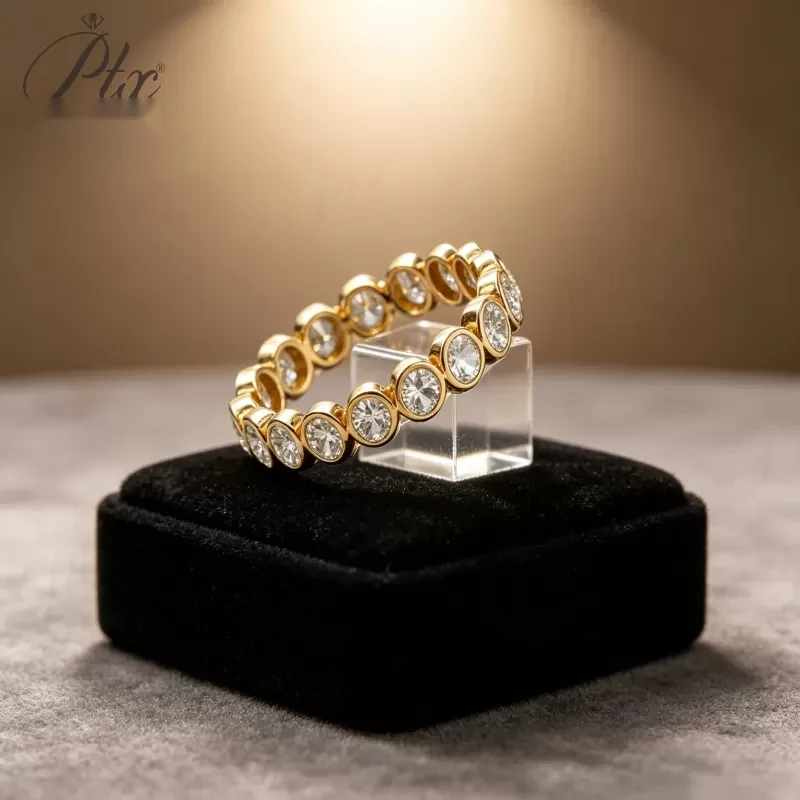
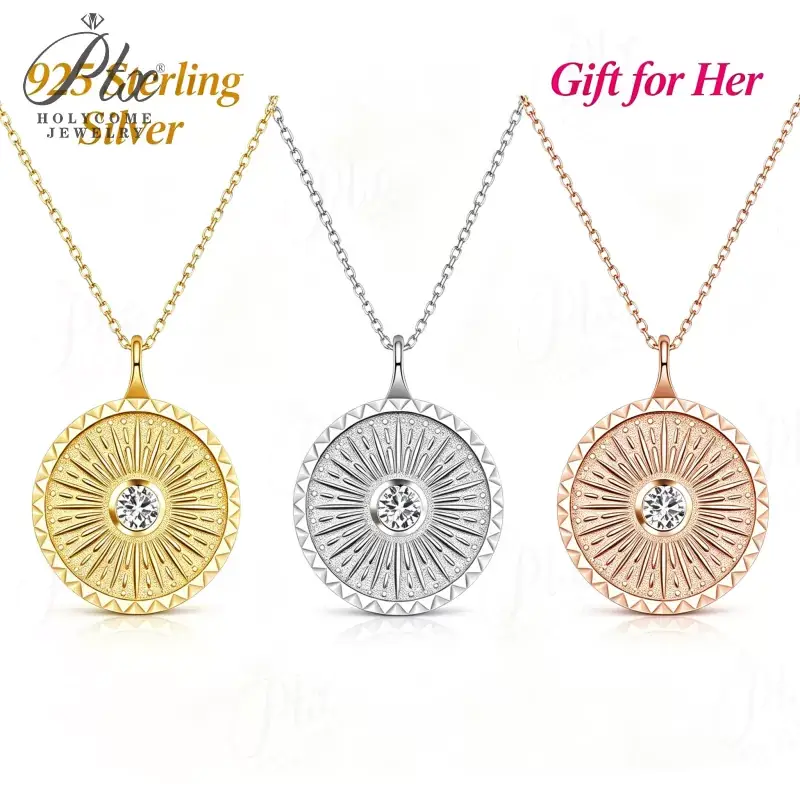
K Gold Wholesale: retail packaging
Why Packaging and Retail Readiness Matter When Ordering K Gold Jewelry
K Gold refers to karat gold jewelry, typically 10K, 14K, or 18K solid gold, and it is one of the most retail-ready categories a US wholesaler can stock. The metal carries recognized value, but how each piece arrives at your warehouse determines how quickly it can move to a display case or an e-commerce listing.
A pendant that arrives tangled in a poly bag with no tag, no care card, and no bar code costs your team time before it can be sold. This article walks through the packaging and retail readiness decisions a wholesale buyer faces when sourcing K Gold jewelry from an overseas manufacturer, from unit packaging and branding to bar codes, QC documentation, and delivery timing.
What Retail Ready Actually Means for K Gold Inventory
Retail readiness is the state in which a piece of jewelry can be photographed, tagged, shelved, and shipped to a consumer without additional handling. For K Gold jewelry, that usually means several things are true at the moment the carton is opened.
- Each piece is individually bagged or boxed, with chains untangled and clasps closed.
- Every unit carries a tag or label with karat stamp confirmation, item number, and metal description such as 14K solid gold.
- Packaging protects against tarnish transfer, scratching, and moisture during transit.
- Digital assets, including product photography and spec sheets, match the physical goods.
- Stone-set pieces include grading paperwork, with GRA or IGI papers for graded stones.
If any of these are missing, your receiving team absorbs the cost. Tagging a single pendant takes minutes; tagging a 300-piece purchase order takes days and invites pricing errors.
The Difference Between Stock Styles and Custom Work
Readiness requirements change depending on how you buy. Stock styles carry a minimum order quantity of 1 piece, which makes them useful for testing packaging options before committing to volume. Custom work requires a minimum of 30 pieces, and that is where branded packaging, custom tags, and bespoke inserts become practical. When you plan a custom K Gold program, decide on packaging early, because packaging development runs alongside sampling rather than after it.
Packaging Options at Each Order Stage
Packaging needs differ between sampling, first bulk runs, and replenishment orders. Sampling takes 7 to 10 days, and bulk production takes 15 to 25 days after approval, so packaging decisions made late can push delivery dates. Use the sample stage to confirm the following.
- Bag or box format: poly bags with anti-tarnish strips for e-commerce, rigid boxes for boutique retail, or padded pouches for gifting programs.
- Insert and fit: a ring in a loose slot shifts in transit; foam or velvet inserts hold position.
- Tag attachment method: string tags for chains, adhesive labels for boxed pendants.
- Printing: karat stamp verification copy, care instructions, and your brand mark if you order custom.
A common approach is to receive samples in two packaging variants, place both in front of your sales or merchandising team, and lock one before bulk production begins. This avoids reopening tooling or print files after the production clock has started.
Branding and Private Label Considerations
For custom orders of 30 pieces or more, most manufacturers can apply your logo to boxes, cards, or sleeve bands. Keep in mind that branding adds print lead time and requires artwork in vector format with correct color values. Ask for a printed proof of the box or card before the full run, and photograph it next to the approved jewelry sample so both approvals are documented together.
Unbranded stock packaging remains an option for fast-turn stock styles, since it does not add print steps to the 15 to 25 day production window.
Labeling, Compliance, and Karat Stamping
K Gold jewelry sold in the United States must be accurately described. Label the true metal: 10K, 14K, or 18K solid gold, and if any item in your catalog is gold vermeil or gold plated instead, describe it as exactly that. Never present plated or vermeil as solid gold, and never describe moissanite, a lab-created diamond alternative, as a natural or real diamond.
Your manufacturer's spec sheets should state metal purity and stone type plainly, and your retail tags should carry that same language.
Confirm that the karat stamp on the physical piece matches the paperwork. A mismatch between a stamped 14K tag and an 18K purchase order line is the kind of error that a pre-ship inspection catches, but only if someone checks for it. Build a short receiving checklist that covers karat stamp, item number, and tag accuracy.
Bar Codes and Digital Retail Requirements
If you sell through marketplaces or into retail doors, plan for bar codes and digital listing data during sampling, not after bulk production. Practical steps include:
- Assign SKUs and UPCs before bulk production so tags can be printed at the factory.
- Request spec sheets that include metal purity, gram weight ranges, and stone details for listing copy.
- Ask for photos of actual production samples against neutral backgrounds for your listings.
- Confirm carton labeling and packing lists match your receiving system.
Factory-printed tags cost less per unit than re-tagging domestically, and they remove a handling step entirely.
Quality Control as Part of Retail Readiness
Packaging cannot rescue a defective piece. A three-stage QC process protects the retail-ready state of your order: incoming material inspection, in-process checks during production, and a pre-ship AQL inspection before cartons are sealed. For the retail-readiness angle specifically, the pre-ship AQL stage is where packaging gets verified. Ask that the pre-ship inspection include a packaging check: correct box or bag per item, tags attached, karat accuracy, and stone paperwork enclosed where applicable.
Request inspection photos of packed cartons so you can see unit packaging before goods ship.
For stone-set K Gold pieces, graded stones should arrive with GRA or IGI papers. Decide whether papers travel inside each unit box or in a sealed master envelope per carton; per-unit placement is more retail-ready for resale, while envelope placement suits high-volume loose stone purchases sold by the carat.
Planning Delivery and Receiving
DDP delivery to the US takes 5 to 8 days after production completes. That window is short enough to plan receiving like a retail event. Before the cartons ship, prepare shelf or bin locations, print receiving checklists, and schedule staff so units can be photographed and listed within days of arrival. Because DDP shipping means duties and clearance are handled up to delivery, your team receives sellable inventory rather than a customs project.
A useful planning rule: work backward from your launch or restock date. Add 5 to 8 days for DDP transit, 15 to 25 days for bulk production, 7 to 10 days for sampling, and time for packaging approvals on top. Buyers who leave packaging decisions until after sampling routinely add a week or more to this timeline.
Packaging Trade-offs at a Glance
The table below summarizes the main packaging and readiness options a K Gold buyer weighs, and what each choice implies for cost, timeline, and sales channel fit.
| Option | Best For | Timeline Impact | Key Requirement |
|---|---|---|---|
| Poly bag with anti-tarnish strip | E-commerce stock styles | Minimal | MOQ of 1 piece |
| Rigid gift box with insert | Boutique and gifting | Adds proofing time | Custom order, 30 pieces |
| Factory-printed tags with UPC | Marketplace and retail doors | Assign SKUs pre-production | Accurate karat labeling |
| Per-unit stone papers | Stone-set resale | Enclosed at packing | GRA or IGI papers |
| Master carton labeling | Fast warehouse receiving | Planned at sampling | Packing list accuracy |
Most buyers combine options: poly bags or boxes per unit, factory tags with UPCs, per-unit stone papers, and clearly labeled master cartons. The right mix depends on your channel mix, so review it each time you introduce a new K Gold product line.
Order Terms for Wholesale Buyers
MOQ is 1 piece for stock styles and 30 pieces for custom work, and loose stones are sold by the carat. Sampling takes 7 to 10 days, and bulk production runs 15 to 25 days after the sample is approved. Pricing is quoted per piece or per carat depending on the item. Payment is T/T with a 30% deposit and the 70% balance before shipment, and PayPal is accepted for sample orders.
Frequently Asked Questions
Can I order packaging samples before committing to bulk?
Yes. Because stock styles carry a 1 piece minimum, you can order single units to evaluate both the jewelry and its packaging. Use the 7 to 10 day sampling window to compare bag, pouch, and box options before approving bulk production.
When should I submit my packaging artwork for a custom order?
Submit vector artwork at the start of sampling so proofs can be printed and approved alongside the jewelry sample. Custom work requires a 30 piece minimum, and packaging approvals that lag behind jewelry approvals delay the 15 to 25 day bulk production window.
Do stone-set K Gold pieces come with grading documents?
Graded stones are accompanied by GRA or IGI papers. Specify whether you want papers placed inside each unit box for retail resale or grouped in a sealed envelope per carton for back-of-house handling.
How are K Gold items priced?
Pricing is quoted per piece for finished jewelry and per carat for loose stones. Confirm the pricing basis on your quotation so your landed cost and retail margin calculations match the way the invoice is calculated.
What payment terms apply to a packaged bulk order?
Bulk orders use T/T with a 30 percent deposit and the 70 percent balance before shipment. Sample orders can be paid through PayPal, which keeps early-stage packaging and jewelry trials low commitment.
Get Retail-Ready K Gold Inventory Into Your Store Faster
Packaging and retail readiness are production decisions, not afterthoughts. Lock your unit packaging, tags, and stone paperwork during sampling, confirm them at the pre-ship AQL inspection, and plan receiving around the 5 to 8 day DDP transit window. To review available stock styles and current K Gold pieces, browse our product catalog. For more sourcing guidance on metals, stones, and order planning, read the wholesale jewelry blog.
To discuss a custom packaged program or request packaging samples, reach our team through the contact page.
Sources: Grading references: GIA gem education and GIA laboratory information.