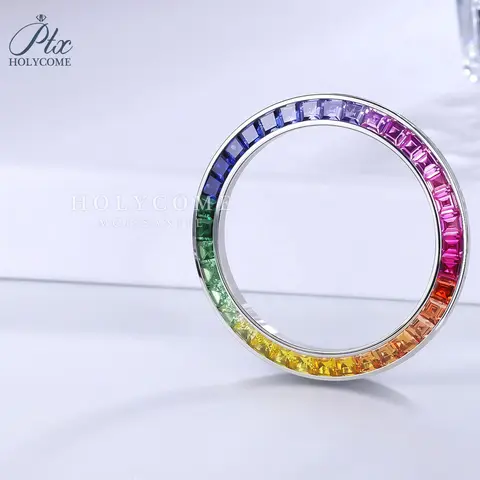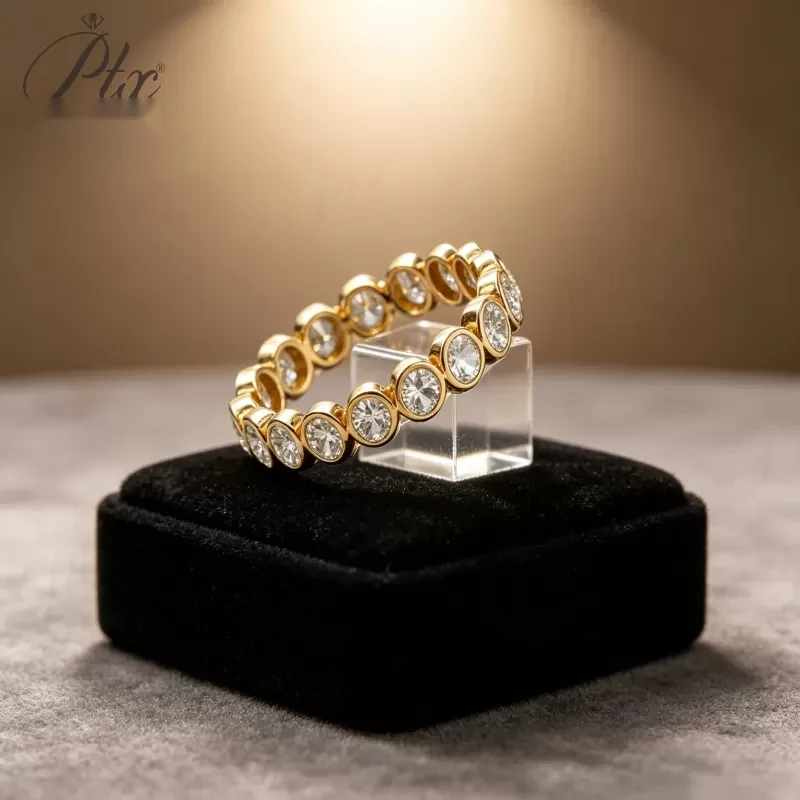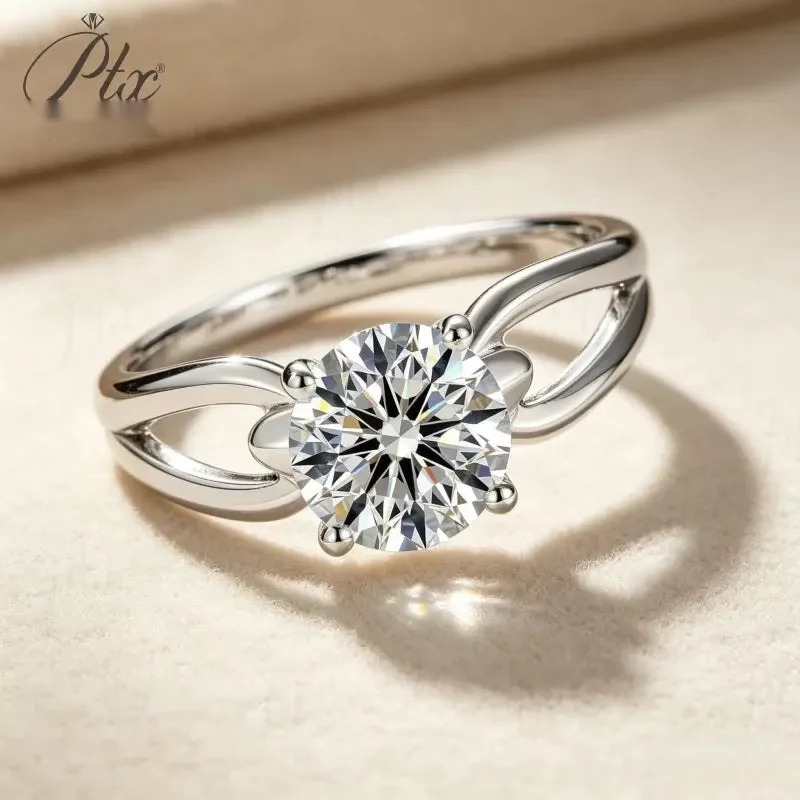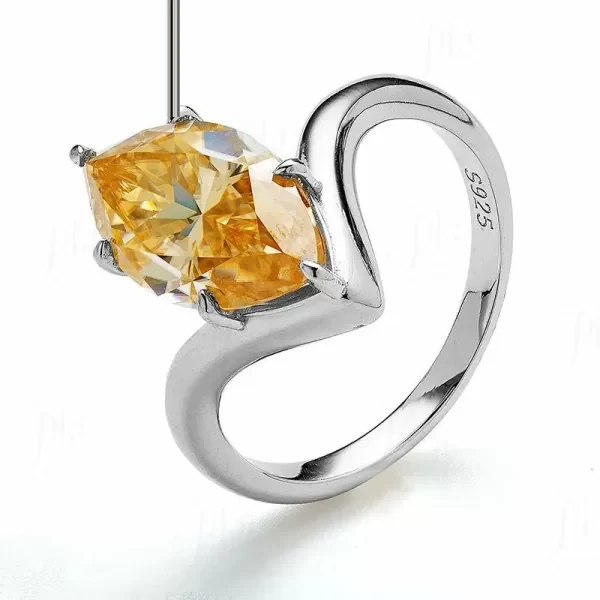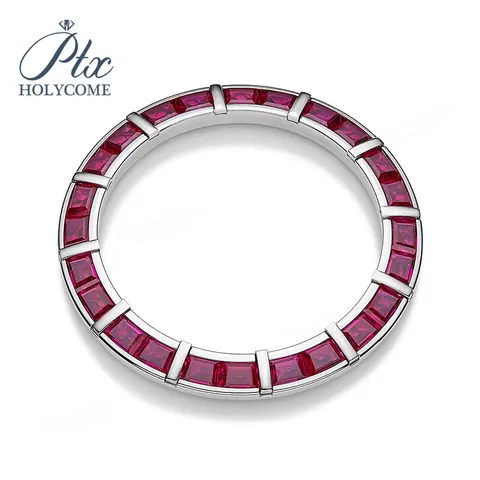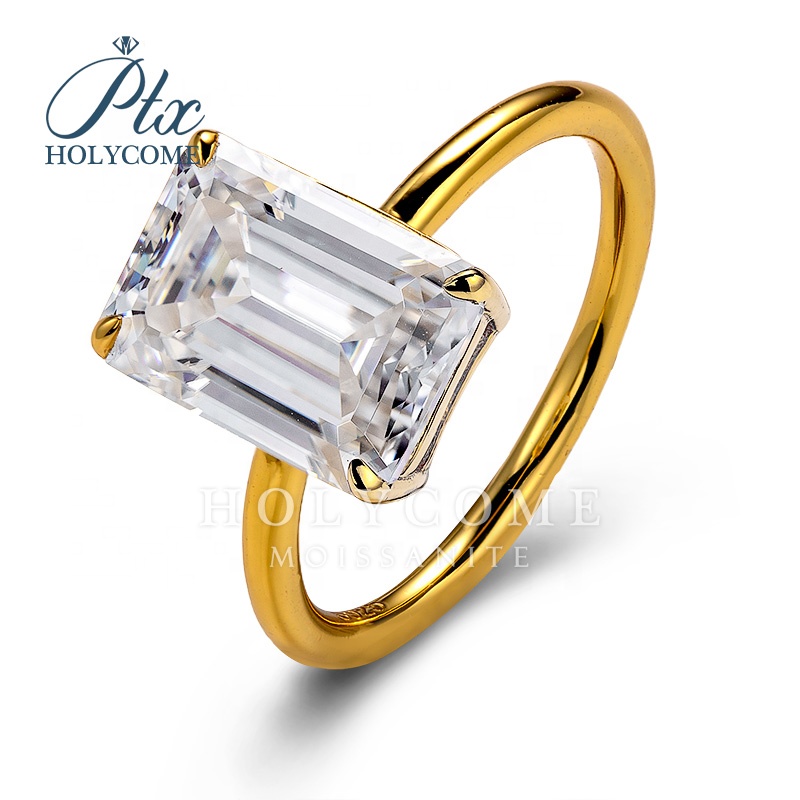
Walk into any fast-fashion boutique and you will see the same hand posed in the mirror: four or five slim rings spread across the fingers, one or two riding high on the knuckle. That look is the midi ring, and for a reseller it is one of the easiest add-on sales in the category. These rings are thin, cheap to manufacture, and designed to be bought in sets rather than singly, which means a customer who comes in for one band often leaves with a five-piece stack.
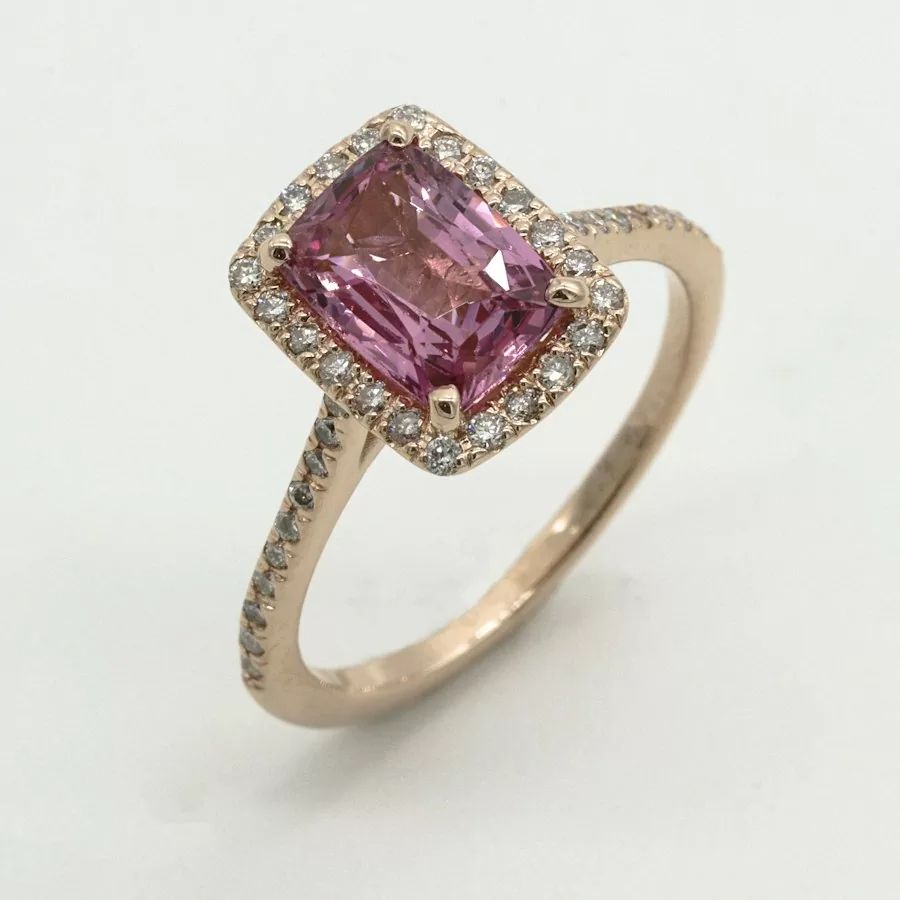
What exactly are knuckle and midi rings?
A midi ring sits between the first and second knuckle, closer to the fingertip than a standard engagement or fashion ring. A knuckle ring sits right at the upper knuckle, near the base of the finger. Both are smaller than a typical ring size because fingers taper toward the tip. Most are made from plated alloy in widths of 1.5 mm to 3 mm, set with tiny cubic zirconia or left plain. Because the metal mass is so small, the per-unit cost stays low even when plating quality is decent.
This is not a new trend, but it keeps coming back because it pairs naturally with everything from stackable everyday bands to statement cocktail rings. The styling rule customers love is simple: one statement ring on the middle finger, two or three midi rings on the index and pinky, and an empty gap so the hand never looks crowded.
Why resellers should stock them
Midi rings solve a real inventory problem. They are small enough to display on a cheap ring tree or a velvet card, they weigh almost nothing, so freight is negligible, and they sell at impulse price points of $5 to $15 retail. Wholesale cost per piece often sits under a dollar for basic plated styles, which leaves room for a strong markup even when the customer is only spending ten bucks.
They also encourage basket building. A shopper buying a pair of stud earrings will grab a midi ring off the checkout card on the way out. That single impulse item can lift average order value by eight to twelve percent without any extra marketing spend.
Sizing is the tricky part
Because these rings sit higher on the finger, standard ring sizing charts do not help much. A typical midi ring is a US size 3 to 5, and a knuckle ring runs size 2.5 to 4. There are three practical ways to handle this as a buyer.
- Stretch or adjustable bands. The easiest option for new stock. Thin open C-rings that the customer gently squeeze-fit onto the knuckle remove sizing returns almost entirely.
- Assorted size cards. Buy on display cards that carry sizes 3, 4, and 5 together, so the customer tries on and picks the fit. This cuts returns better than selling a single fixed size.
- One-size styling. Many brands sell midi stacks as a look rather than a precise fit, accepting a little movement as part of the casual aesthetic.
Whatever route you choose, print a small sizing note on the display card. It sounds minor, but it reduces the "it did not fit" message that otherwise floods a reseller's inbox.
Which finishes sell best
Mixed metal stacks outsell single-finish stacks by a wide margin. Gold-tone, silver-tone, and rose-gold-tone rings sold together give the customer a reason to buy the whole set. Within that mix, plain bands move fastest, followed by micro pavé cz styles, then engraved signet miniatures. Black enamel and antique-finish knuckle rings carve out a smaller but loyal men's and gender-neutral audience, which dovetails with the wider men's alloy ring opportunity.
Avoiding the tarnish complaint
Thin bands tarnish faster than thick ones because the plating wears down more quickly. Choose pieces with at least two microns of plating and a clear protective coat, and brief your customers on the basics in fashion jewelry care. A short care card in the packaging goes a long way toward keeping return rates low.
Merchandising that moves inventory
Do not hide midi rings in a drawer. Hang them on a ring tree by the register, lay them on a mirror tray near the fitting room, and shoot flat-lay content of a hand wearing a full stack. Product photography that shows the rings actually worn beats a white-background product shot every time for this category, because most customers cannot picture where a size-3 band goes until they see it on a finger.
Stock them as sets of four to six rings in a theme, refresh the color story each season, and keep your MOQ small at first. Midi rings are a low-risk way to test a new look on your audience before you commit to deeper inventory.
For HS classification of jewellery in customs and export documentation, the WCO Harmonized System nomenclature is the authoritative nomenclature.
Authoritative References
For buyers who need to verify the technical and regulatory basis of this guide, the following independent institutions publish authoritative reference data:
- Wikipedia: Sterling Silver - the 92.5% silver alloy standard and hallmarking conventions.
- ISO 9001 Quality Management - the international standard for consistent production quality.
Frequently Asked Questions
What ring sizes can you supply in bulk?
US sizes 5–12 including half sizes. Send a size breakdown with your order and we cast to that curve; comfort-fit inner bands reduce resize requests.
Can I order a mixed size run instead of one size?
Yes. Mixed runs are standard for wholesale: specify quantity per size and we pack and label by size at no extra labor cost.
What is the MOQ for custom ring designs?
50 pieces per design for existing molds; 100–300 pieces when a new mold or CAD model is required.
How should I price rings for retail margin?
Most partners use a 3–4x markup on FOB cost for sterling and 2.5–3x for moissanite solos, which keeps landed cost under 30% of retail.