Wholesale Lab Grown Diamond: Stone Grading & Color Consistency

Why Stone Grading and Color Consistency Decide Your Lab Grown Diamond Orders
For wholesale buyers, the two quality checks that matter most on a Lab Grown Diamond order are the grading paperwork and the color consistency across the parcel. Center stones sold at wholesale are judged by the same criteria retailers use at the counter, and any variance in grade between pieces in the same shipment leads directly to returns, chargebacks, and damaged retail relationships.
This article walks through how grading reports work, what color consistency actually means across a bulk order, and the practical decisions you should lock down before approving production.
How Lab Grown Diamond Grading Reports Work
Graded lab grown stones are issued papers from independent gemological laboratories, and the two reports most buyers encounter are GRA and IGI. These documents record the four Cs: carat weight, color grade, clarity grade, and cut grade, along with measurements and growth method. For a wholesale buyer, the report is not just a marketing asset to pass along to retail customers; it is a verification tool that lets you confirm the stones you ordered match the stones you received.
The practical step is simple but often skipped: request the report number for each stone before shipment, then verify the numbers on the issuing laboratory's database before releasing the balance payment. Because grading happens before stones reach the cutting table in some workflows, confirm that the report matches the finished stone's current measurements and weight, not just the original rough specification. A mismatch between the paper and the physical stone is one of the most common disputes in this category.
GRA Versus IGI Papers: What Buyers Should Know
Both GRA and IGI reports serve wholesale buyers, but they differ in how they present information and in how widely they are recognized at retail. IGI reports are widely used for lab grown stones and include a plotting of inclusions plus a printed color and clarity grade. GRA reports cover the same core data points in a different format.
Neither is inherently better for every buyer; the decision usually comes down to which report your retail customers recognize and which laboratory turnaround fits your production timeline.
When you place a custom order, specify in writing which laboratory will grade the stones and whether grading happens before or after setting. A stone graded loose and then set into a 14K gold mounting may be harder to re-verify, so buyers who plan to resell mounted pieces often request loose grading with the report number laser-inscribed on the girdle where the laboratory offers that service.
What Color Consistency Means in a Bulk Parcel
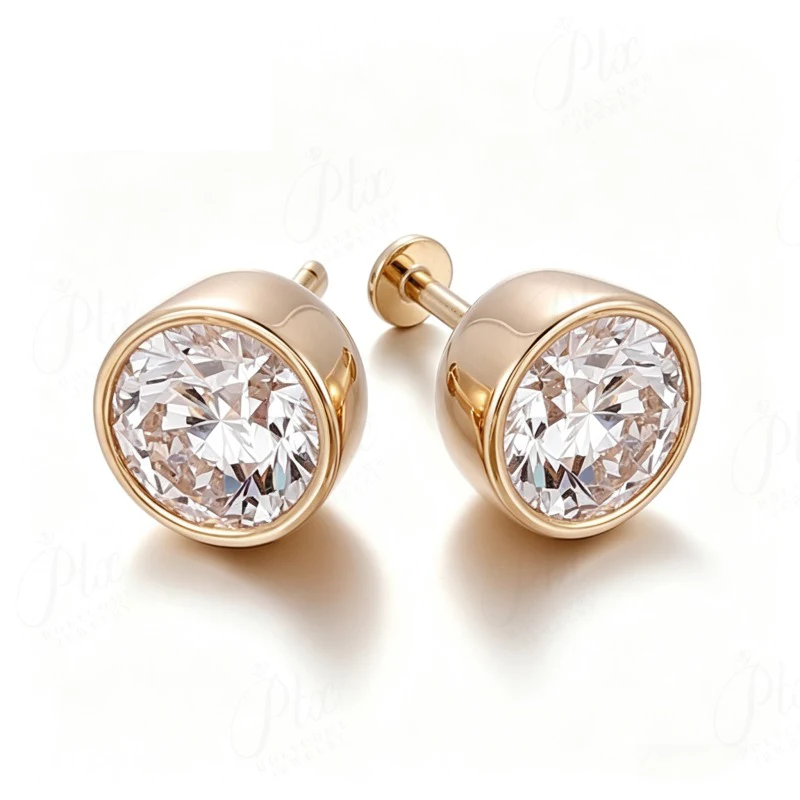
Color consistency is the issue that separates a repeatable wholesale supplier from a one-time vendor. In a bulk order of fifty stones, each individual stone may carry a valid G color grade on paper, yet the parcel can still look uneven if the stones sit at opposite ends of the accepted range for that grade. Retail customers who buy a pair of studs or a three-stone ring notice the difference immediately when one stone reads warmer than its neighbor.
The fix is to move beyond grade alone and specify color range within grade. Ask your supplier whether stones within a single order are matched from the same color band within the G, F, or E designation. Reputable manufacturers sort parcels visually under standardized lighting before packing, and you should confirm this step happens as part of pre-shipment quality control rather than assuming it does.
Setting a Color Specification in Your Purchase Order
Your purchase order should state more than a single color letter. A practical specification looks like this: color grade G, matched within the parcel, stones above 0.50 carat each accompanied by an IGI report, melee color matched to the center stones, and visual inspection under daylight-balanced lighting before packing. The more specific the language, the easier it is to resolve a dispute if the shipment arrives uneven.
Buyers sourcing both center stones and melee face an added layer. A G center stone paired with melee graded anywhere in the near-colorless band can create a visible contrast in a pave setting. Ask whether melee is sorted to match your center stone grade, and confirm that loose stones sold by the carat follow the same sorting standard as mounted pieces.
Matching Grading Requirements to Your Product Line
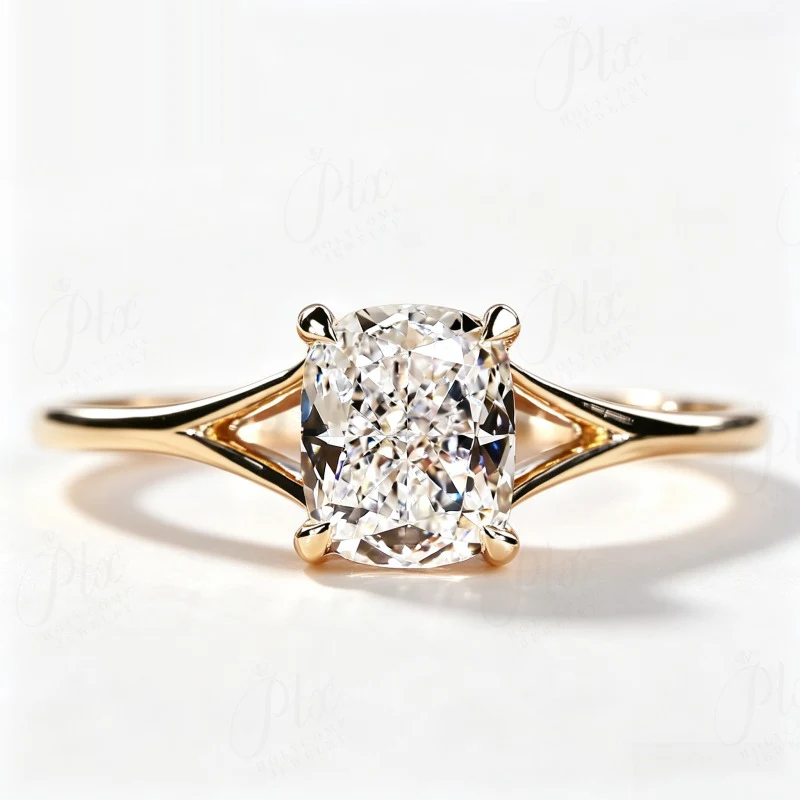
Not every product in your catalog needs the same grading treatment. A solitaire engagement ring built on 18K solid gold justifies a full IGI report on the center stone, while a fashion line set in 925 sterling silver with smaller accent stones may not justify per-stone certification at your price point. The table below outlines a practical framework for matching grading depth to product type.
| Product Type | Stone Size | Recommended Paperwork | Color Matching Standard |
|---|---|---|---|
| Solitaire engagement ring | Above 0.50 carat | IGI or GRA per stone | Single grade, matched band |
| Stud earrings | 0.20 to 0.50 carat | Paired report or parcel certificate | Matched pair, same color band |
| Tennis bracelet | Melee | Parcel summary documentation | Uniform parcel color |
| Fashion pendant | Below 0.20 carat | Supplier QC records | Matched to accent stones |
Use this framework as a starting point, then adjust based on what your retail customers expect. A buyer selling into fine jewelry boutiques will need heavier documentation than one supplying e-commerce fashion brands, even when the stones come from the same production run.
Quality Control Stages That Protect Color and Grade
Grading papers alone do not catch every problem, which is why a three-stage inspection process matters. Incoming inspection verifies that loose stones arriving from cutting partners match their stated grades before they enter production. In-process checks confirm that stones are set into the correct mountings and that matched sets stay together through assembly. The pre-ship stage applies AQL inspection standards to the finished goods, sampling cartons against the accepted quality limit for defects.
Ask your supplier to document which stage catches color sorting. If color matching happens only at pre-ship, a problem found late in the cycle can delay your bulk production timeline. Suppliers who sort at incoming inspection can flag mismatched parcels early, keeping the 15 to 25 day bulk production window after approval intact.
Payment, Sampling, and Delivery Considerations for Graded Stones
The commercial terms around a graded stone order deserve the same attention as the technical specification. Sampling takes 7 to 10 days, which gives you time to verify the reported grades and check color matching under your own lighting before committing to bulk. Sample orders can be paid through PayPal, while bulk orders run on T/T with a 30 percent deposit and the 70 percent balance due before shipment.
Releasing the balance before shipment is standard, but it makes pre-ship verification more important. Request photos of the stones next to their reports, confirm report numbers against the laboratory database, and complete any independent verification before the wire goes out. Once the order ships via DDP to the US, delivery takes 5 to 8 days, and disputes become harder to resolve after the goods are in your warehouse.
Verifying Grades After Delivery
Build a receiving protocol for graded stones. Check each report number against the laboratory database, weigh a sample of stones on a calibrated carat scale, and inspect color under the same daylight-balanced lighting your supplier used. Document any discrepancies with photos within the first few days of receipt, while the shipment record is fresh and the supplier can trace the production batch.
For repeat orders, keep a reference set of accepted stones from prior shipments. Comparing new parcels against your reference stones catches drift in color sorting before it reaches your retail customers, and it gives both parties an objective standard to measure against.
Order Terms for Wholesale Buyers
MOQ is 1 piece for stock styles and 30 pieces for custom work, and loose stones are sold by the carat. Sampling takes 7 to 10 days, and bulk production runs 15 to 25 days after the sample is approved. Pricing is quoted per piece or per carat depending on the item. Payment is T/T with a 30% deposit and the 70% balance before shipment, and PayPal is accepted for sample orders.
Frequently Asked Questions
Which report should I request, GRA or IGI?
Choose based on what your retail customers recognize and your timeline. IGI reports are common for lab grown stones and include inclusion plotting, while GRA reports cover the same core grades. Specify the laboratory in your purchase order so there is no ambiguity at production.
Can two stones with the same color grade look different?
Yes. A grade is a range, so one stone can sit at the warmer end of G while another sits at the cooler end. Request parcel matching within a color band and visual sorting under standardized lighting to keep bulk orders consistent.
Should stones be graded loose or after setting?
Loose grading is easier to verify and lets the laboratory inscribe the report number on the girdle. Stones graded loose and then set into 10K or 14K gold mountings retain their documentation, while mounted grading can be harder to re-check. Most wholesale buyers prefer loose grading for center stones.
How do I keep melee color matched to center stones?
State the melee color standard in the purchase order and ask whether melee is sorted to match the center stone grade. Uniform parcel color matters most in pave and channel settings, where mixed near-colorless shades create visible contrast.
What happens if a delivered stone does not match its report?
Document the discrepancy with photos and the report number, then raise it with the supplier while referencing the purchase order specification. This is why verifying report numbers before releasing the 70 percent balance matters; it keeps your position strong before the balance payment clears.
Build a Grading Standard Before Your Next Order
Grading papers and color consistency are not paperwork formalities; they are the terms that determine whether your Lab Grown Diamond program holds up at retail. Define your laboratory, your color band, and your inspection expectations in writing, then verify at each stage from sampling through pre-ship AQL inspection. Buyers who put these decisions in the purchase order spend less time resolving disputes and more time filling reorders.
Ready to spec your next order? Browse available center stones and finished pieces in our lab grown diamond product catalog, read more buying guides on our wholesale jewelry blog, or request sampling and grading documentation through our contact page.
Sources: Grading references: GIA gem education and GIA laboratory information.