Understanding the Cost Structure of Lab Grown Diamond Wholesale
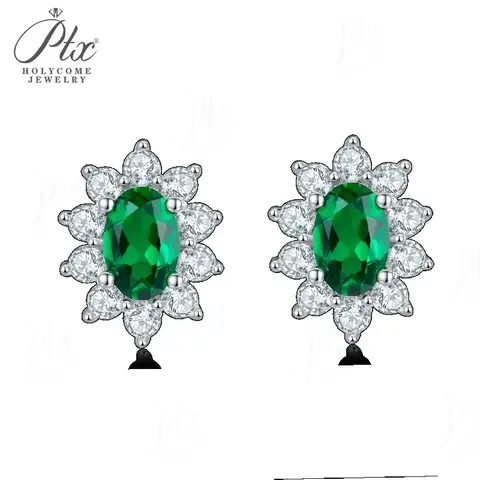
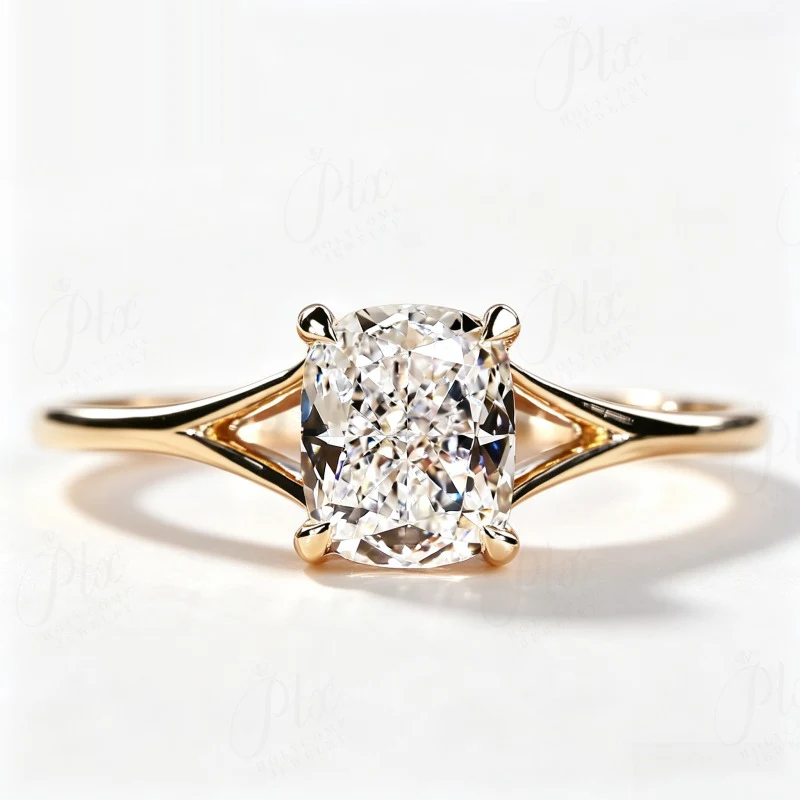
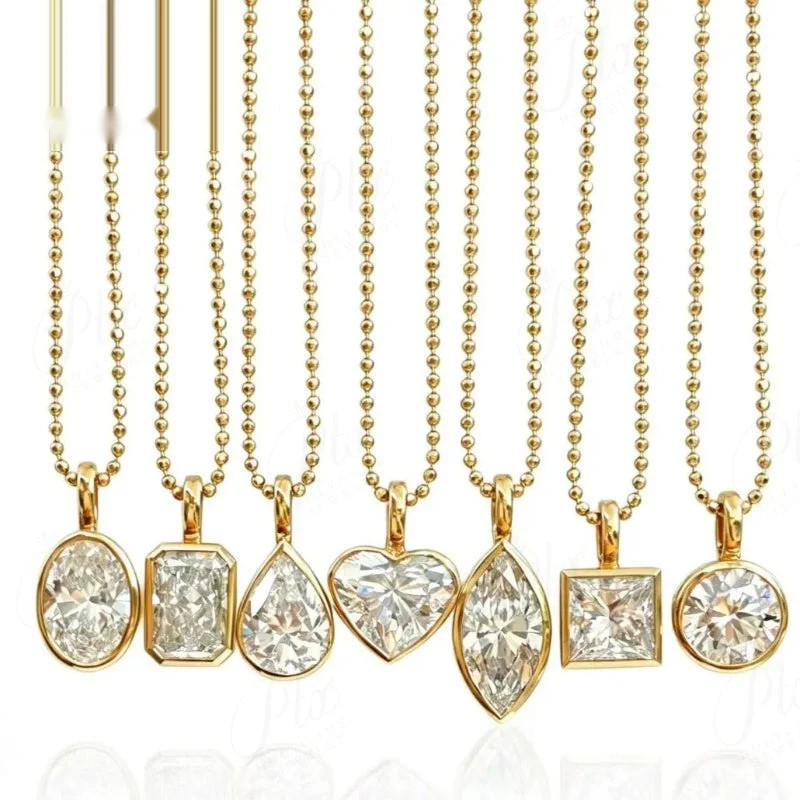
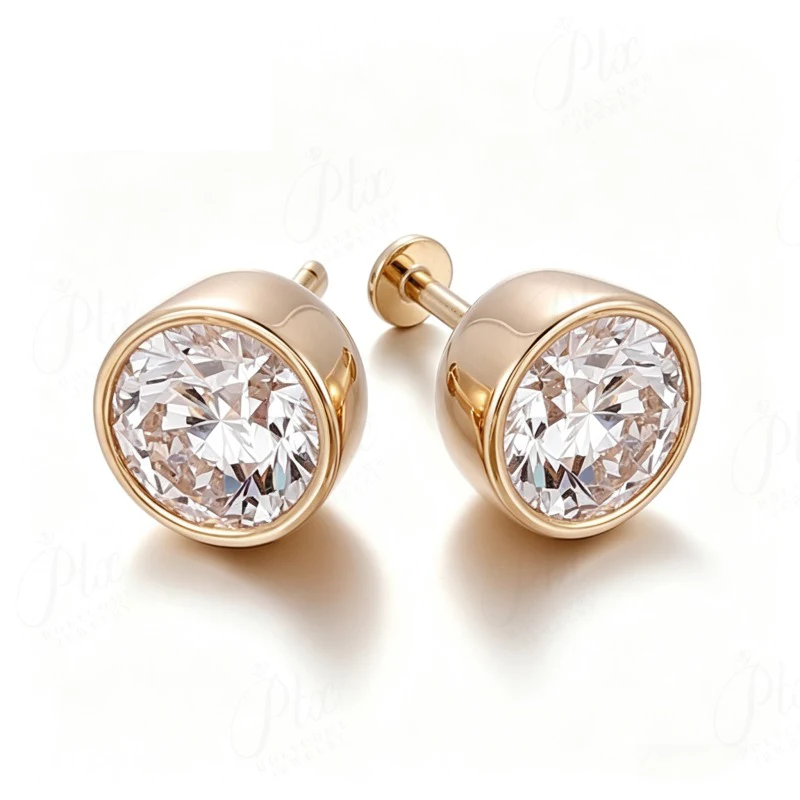
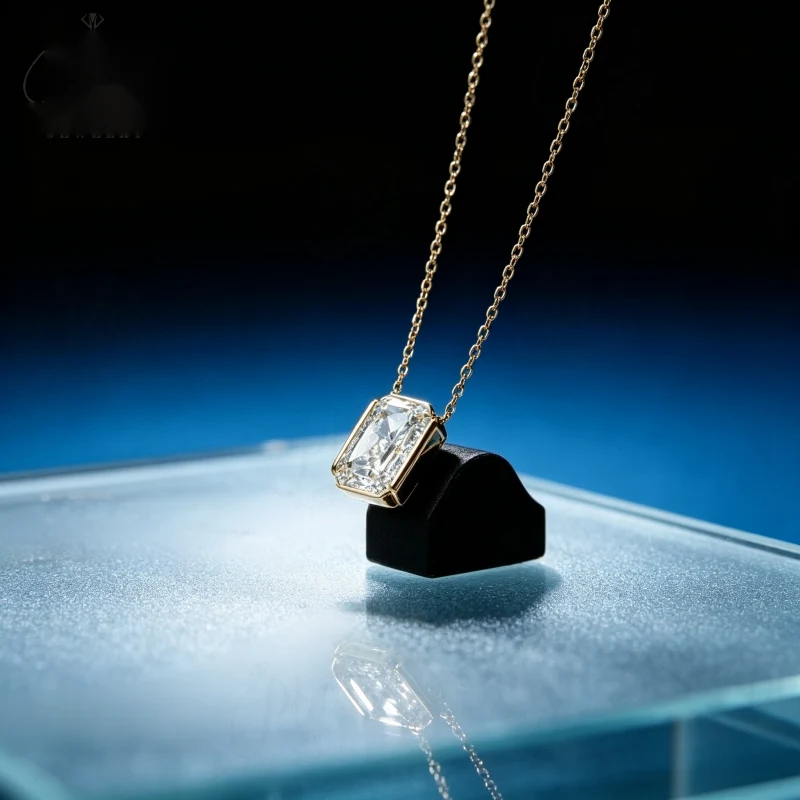
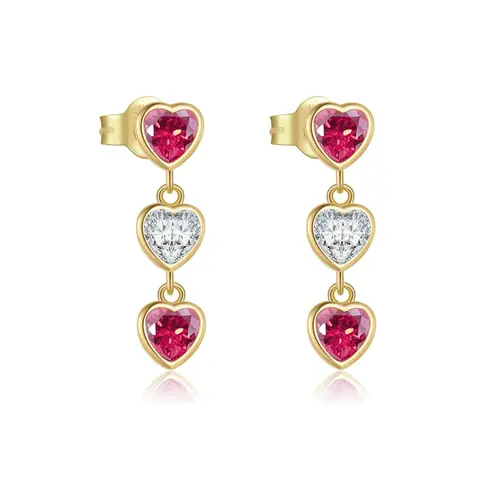
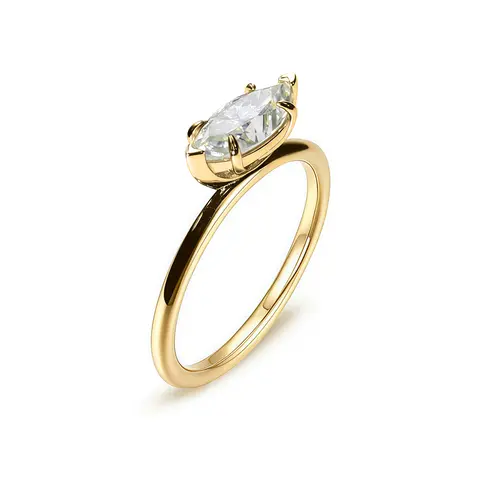
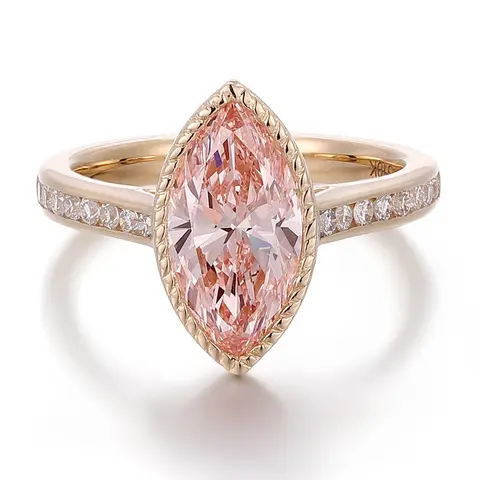
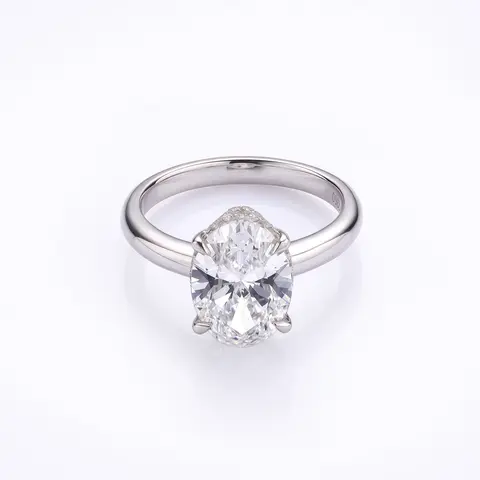
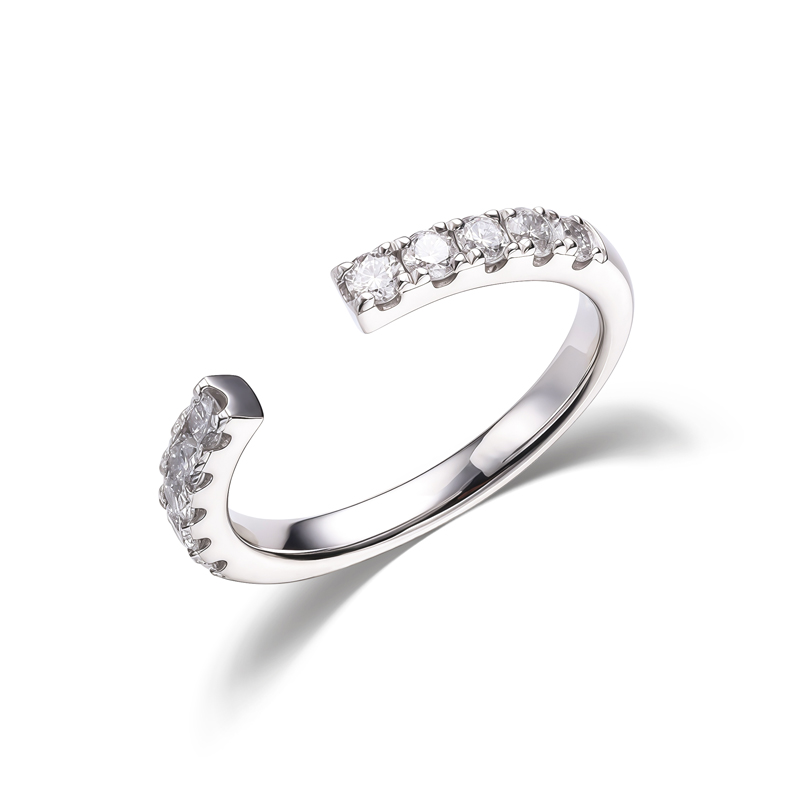
Lab grown diamonds are manufactured through a controlled chemical vapor deposition or high pressure high temperature process that ensures purity and consistency. The price you see reflects the raw material cost, the energy required to grow the crystal, and the precision polishing that gives each stone its final cut and clarity. Because we own the entire setting and polishing line, our production throughput is higher and our yield is about 20% better than typical trading companies.
We maintain a three‑stage quality control system: incoming stone inspection, in‑process checks during setting, and a pre‑ship AQL audit. This rigorous approach means fewer defects slip through, allowing us to keep our prices competitive while guaranteeing that you receive a flawless finished product. All stones are certified by GRA or IGI, providing you with the documentation your buyers expect.
Negotiating Volume Discounts and Minimum Order Requirements
Our minimum order quantity for stock stones is one piece, making it easy for retailers or designers to order on a small scale. Custom orders, however, require a minimum of thirty pieces due to the setup time and the hand‑polishing involved in creating unique settings.
When discussing volume, we focus on the total unit cost and the lead time. For orders above 200 pieces, we can offer a stepped discount that decreases the unit price by 3–5% per additional 100 pieces. This provides you with a clear cost‑benefit structure that scales with your business needs.
Pricing Levers: How to Reduce Costs Without Sacrificing Quality
There are several levers you can pull to negotiate a lower price while maintaining the high standards your customers demand. The most effective among them are delivery method, payment terms, and packaging choices. Each of these options has an immediate impact on the final cost.
Choosing DDP delivery to the US, for example, saves on freight and customs handling. We ship within five to eight business days, reducing inventory holding costs. Switching to LTL or FOB can lower shipping fees but requires you to manage customs clearance, which may increase the overall lead time.
| Delivery Option | Lead Time | Customs Handling | Typical Cost Impact |
|---|---|---|---|
| DDP (Delivered Duty Paid) | 5–8 days | Handled by Holycome | +2% to unit price |
| FOB (Free on Board) | 7–10 days | Buyer’s responsibility | -1% to unit price |
| LTL (Less Than Truckload) | 10–12 days | Buyer’s responsibility | -0.5% to unit price |
Payment Terms That Work for Both Parties
We require a 30% deposit via T/T before production begins. Once the order is in the three‑stage QC phase, we send a detailed invoice. The remaining balance is due upon shipment, ensuring the production line stays funded while you maintain cash flow.
For sample orders, we accept PayPal, allowing you to receive a single piece with zero upfront cost other than the pay‑per‑piece price. This flexibility is particularly useful for designers testing new styles or retailers evaluating market demand before committing to a bulk purchase.
Leveraging Lead Time and Production Capacity
Our standard production cycle ranges from twelve to eighteen days from the deposit receipt to the final QC. Because the setting and polishing are controlled stages, we can schedule multiple orders concurrently without compromising quality or delivery deadlines.
When you need a rush order, we can prioritize the production queue at an extra fee that reduces lead time by 4–6 days. This is ideal for seasonal spikes or promotional launches where timing is critical.
- Short‑term rush orders (12–15 days)
- Standard 12–18 day cycle
- Batch production for large volumes
- Priority QC for critical quality assurance
- Flexible payment structures for high‑volume clients
Choosing the Right Certification for Your Market
In many markets, the presence of a third‑party certification can significantly influence resale value. GRA and IGI certificates are widely recognized and provide the transparency your buyers expect regarding carat, cut, color, and clarity.
When negotiating price, you can offset certification costs by selecting a lower grade certification or opting for a combined certificate that covers multiple stones. This approach maintains compliance while keeping the unit cost in line with your margin targets.
Frequently Asked Questions
What is the minimum order quantity for custom settings?
The minimum for custom orders is thirty pieces, with a production lead time of 12–18 days. Once the deposit is received, we lock the production schedule to ensure timely delivery.
How long does it take for the first shipment to arrive?
For DDP delivery to the US, shipments typically arrive within 5–8 business days after the final QC approval. Lead times may vary slightly based on the chosen shipping method.