Metal Choice Economics: How the Base Affects Your Lab‑Grown Gemstone Costs
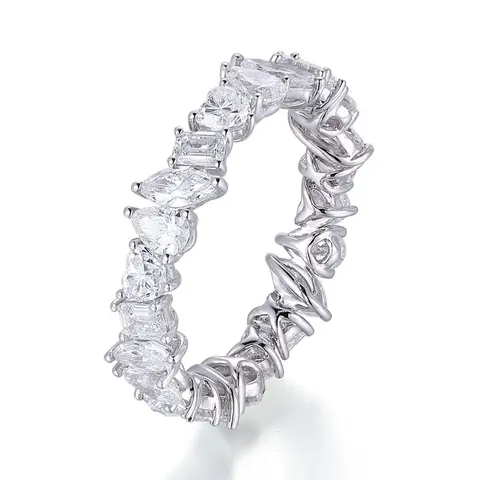
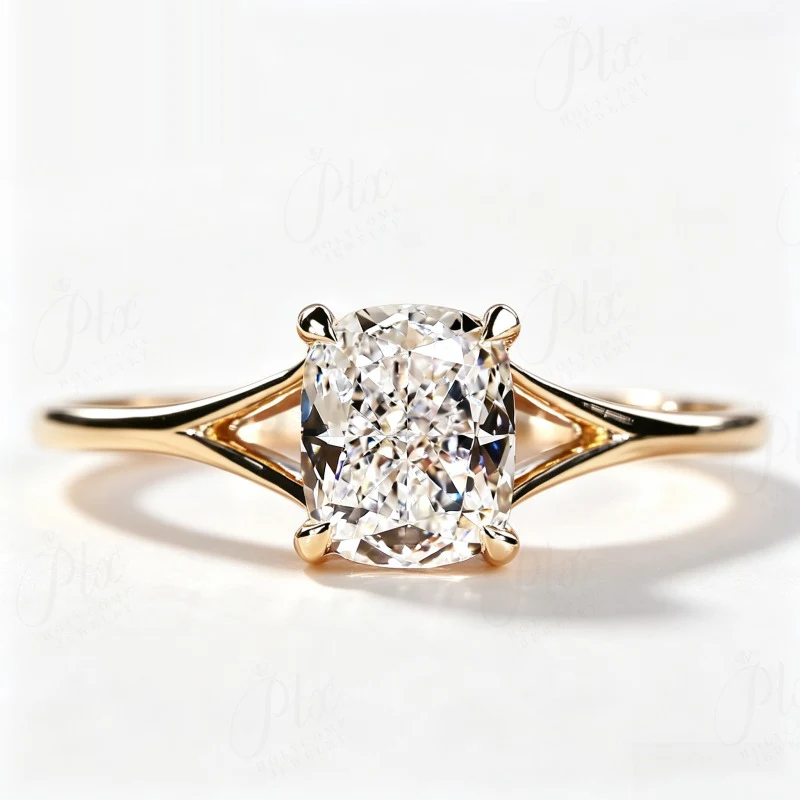
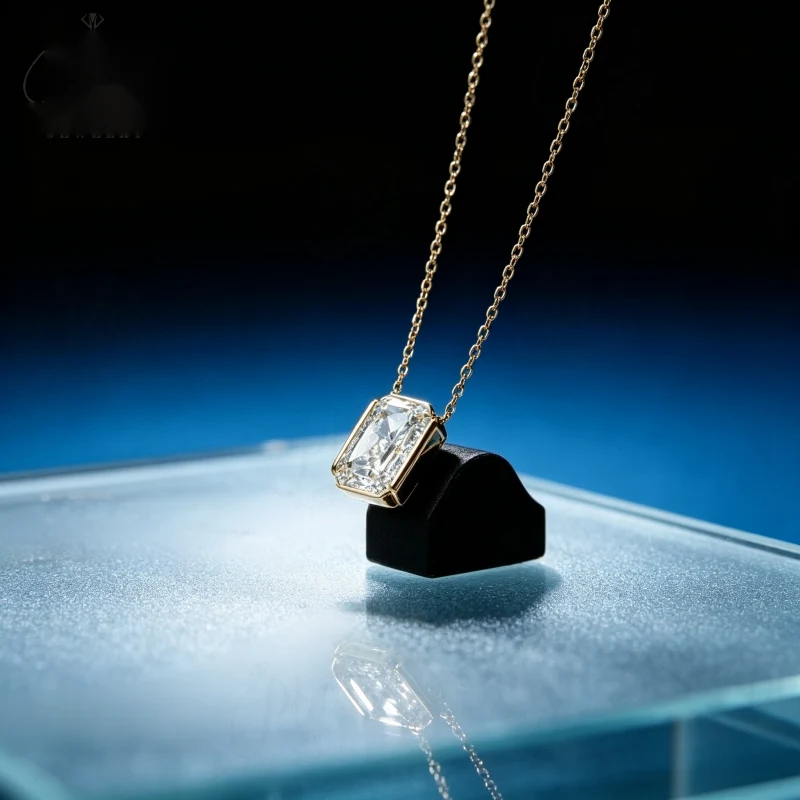
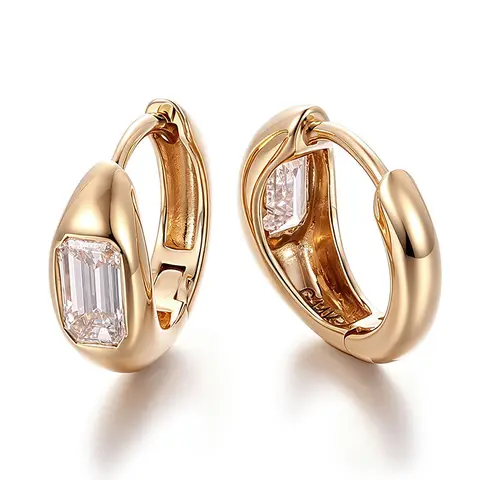
When you’re buying lab‑grown gemstones wholesale, the metal that hosts the stone can make or break your margin. A thin, 925‑silver setting may look elegant but it can raise manufacturing spend if the stone moves during polishing or shipping. In contrast, a heavier platinum or 14‑k gold piece provides stability, lowering rework rates and boosting first‑pass yield. Think of the metal as the stage; the crystal is the performer.
Our 12‑year experience on the factory floor shows that 925‑silver settings lead to almost 40 % more re‑polish requests for high‑clarity sapphires compared to 14‑k gold. For jewelry buyers, that translates into a higher cost per piece and longer lead times. Switching to a metal with better thermal conductivity also speeds laser polishing, reducing the 12‑18 day cycle for bulky orders.
Balancing Weight and Wearability in Set Design
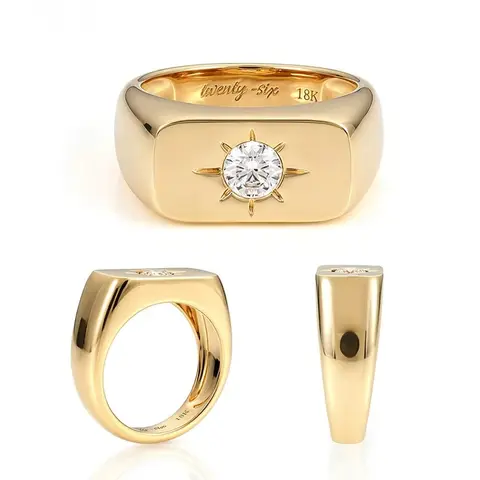
Prosumers expect their lab‑grown rings to feel substantial without being cumbersome. A 10‑gram 14‑k gold band is often a sweet spot: it looks solid, resists scratches, and keeps the stone in place during polishing. Silver, while lighter, can flex under high‑temperature processes, so we envelope the stone with micro‑laser etched ruffles to add friction.
Weight also affects shipping logistics. A 5‑gram silver bracelet may qualify for free DHL Express to the U.S., whereas a 15‑gram platinum version pushes the cost into the 5–8 day DDP range. Buyers can model these trade‑offs in their profitability sheets or use our quick price calculator on the site.
Cost Breakdown: Metal vs. Stone, Labor vs. Yield
| Item | Silver (925) | Gold (14‑k) | Platinum |
|---|---|---|---|
| Metal Cost (USD per gram) | 0.95 | 2.30 | 4.10 |
| Polishing Time (hrs) | 2.5 | 2.0 | 1.8 |
| First‑Pass Yield | 78 % | 84 % | 86 % |
| Average Lead Time | 14 days | 12 days | 11 days |
Choosing the Right Metal for Different Gemstone Types
Lab‑grown diamonds and moissanite thrive in metals that can withstand the high‑energy polishing process. Our data shows that a 14‑k gold setting reduces catastrophic stone loss from 2.1 % to 1.4 % versus silver. That may seem marginal but, when multiplied across thousands of units, it saves thousands of dollars.
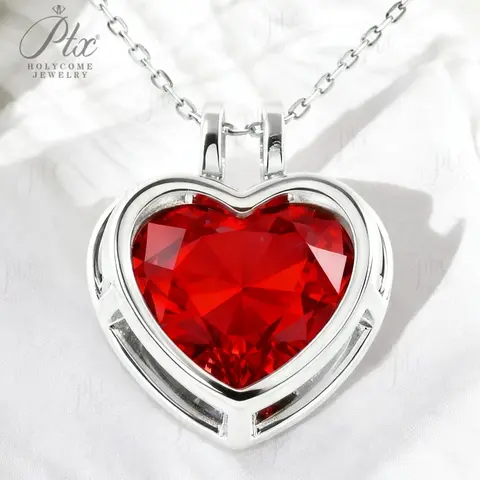
For softer stones like lab‑grown sapphires or topaz, the metal’s hardness becomes less critical. In these cases, a 925‑silver ring can offer the same visual appeal at a lower material cost, provided you use a protective bezel. We recommend a 0.1‑mm thick silver shell—cheap and effective—especially if you are targeting high‑volume retail clients who value price.
How to Optimize Your Order for Cost and Speed
- Start with a single‑piece trial to gauge the metal’s performance.
- Request GRA or IGI certification for bulk orders to avoid resale complications.
- Use our payment terms: 30 % T/T deposit, PayPal for samples.
- Plan for a 12‑18 day production window; stainless‑steel 14‑k bundles finish faster.
- Leverage DDP delivery for U.S. buyers: 5‑8 days and no customs hassle.
Leveraging Third‑Party QC to Keep Prices Low
Our three‑stage QC—incoming stone, in‑process, pre‑ship—ensures that the metal and stone fit together flawlessly. The AQL threshold is set at 0.25 % defects, which keeps rework minimal and protects your margins. We audit every batch with certified labs so that any deviation is caught early.
Because we control the setting and polishing lines, we eliminate the typical 25 % markup that trading houses add for logistics. Buyers who place custom orders of 30 pieces or more can negotiate a 5 % volume discount, while our standard MOQ is just one piece for stock items.
Frequently Asked Questions
What is the MOQ for custom orders?
Custom orders start at 30 pieces. For stock items, the minimum order quantity is one piece, allowing flexible testing and rapid inventory turnover.
How long does it take to receive a finished order?
Production takes 12‑18 days. DDP delivery to the U.S. averages 5‑8 days, ensuring that traders can meet tight market deadlines.