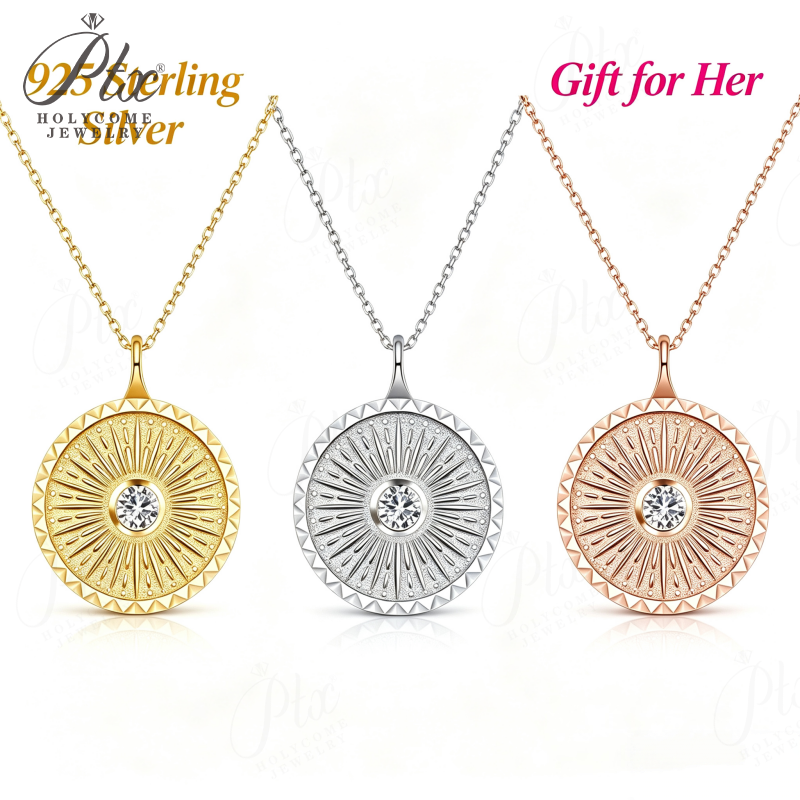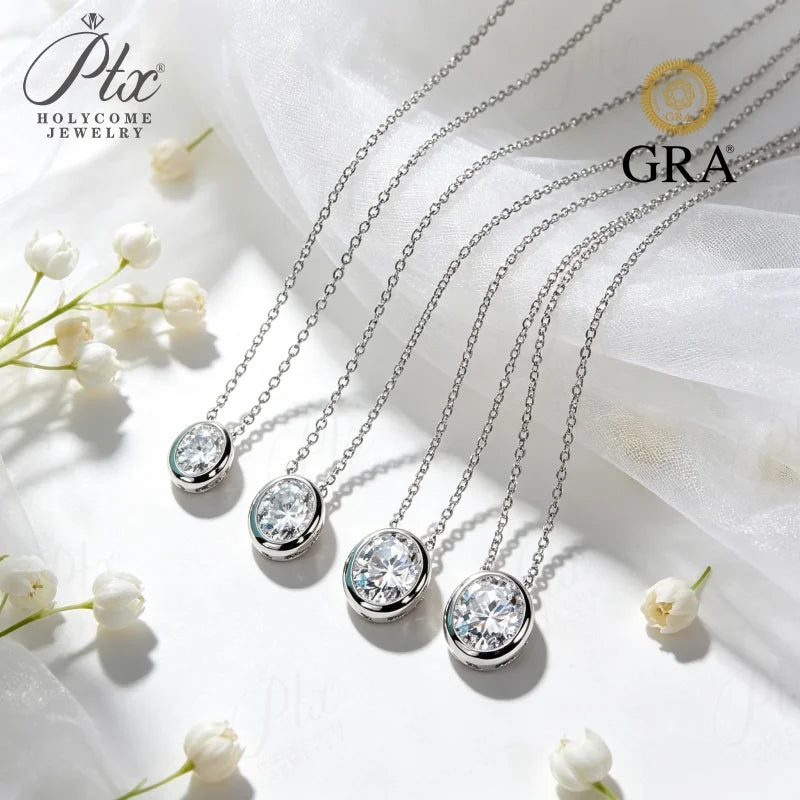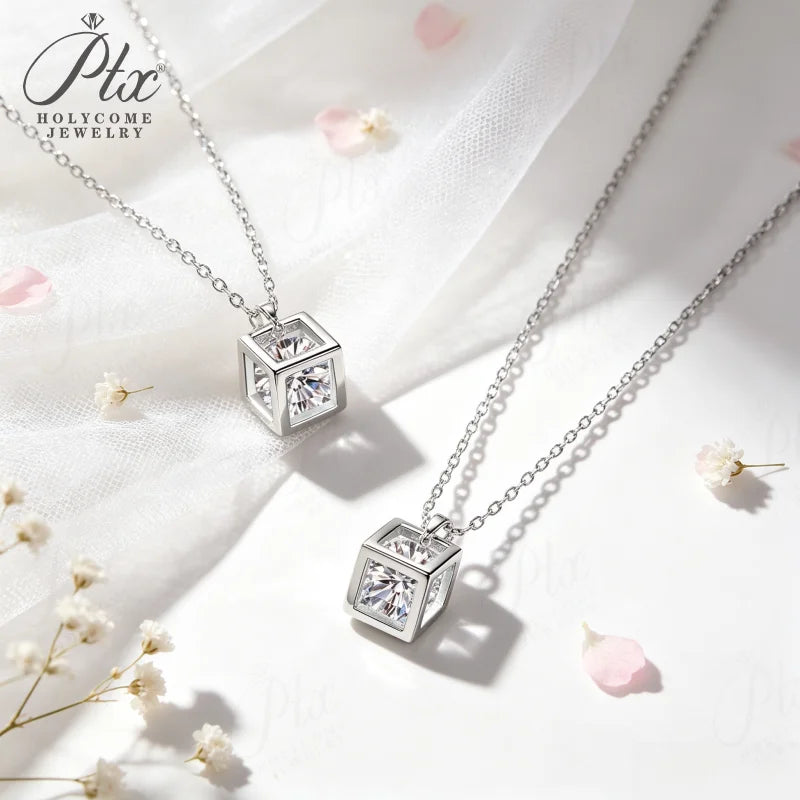
A locket is the rare jewelry item that is bought for a feeling more than a look. It holds a photo, a lock of hair, a handwritten note, or a tiny keepsake. That emotional function makes it one of the most reliable gifting categories in necklaces, and one that many modern resellers overlook because they picture their grandmother's ornate gold oval. The contemporary locket is smaller, cleaner, and selling well to a younger buyer.
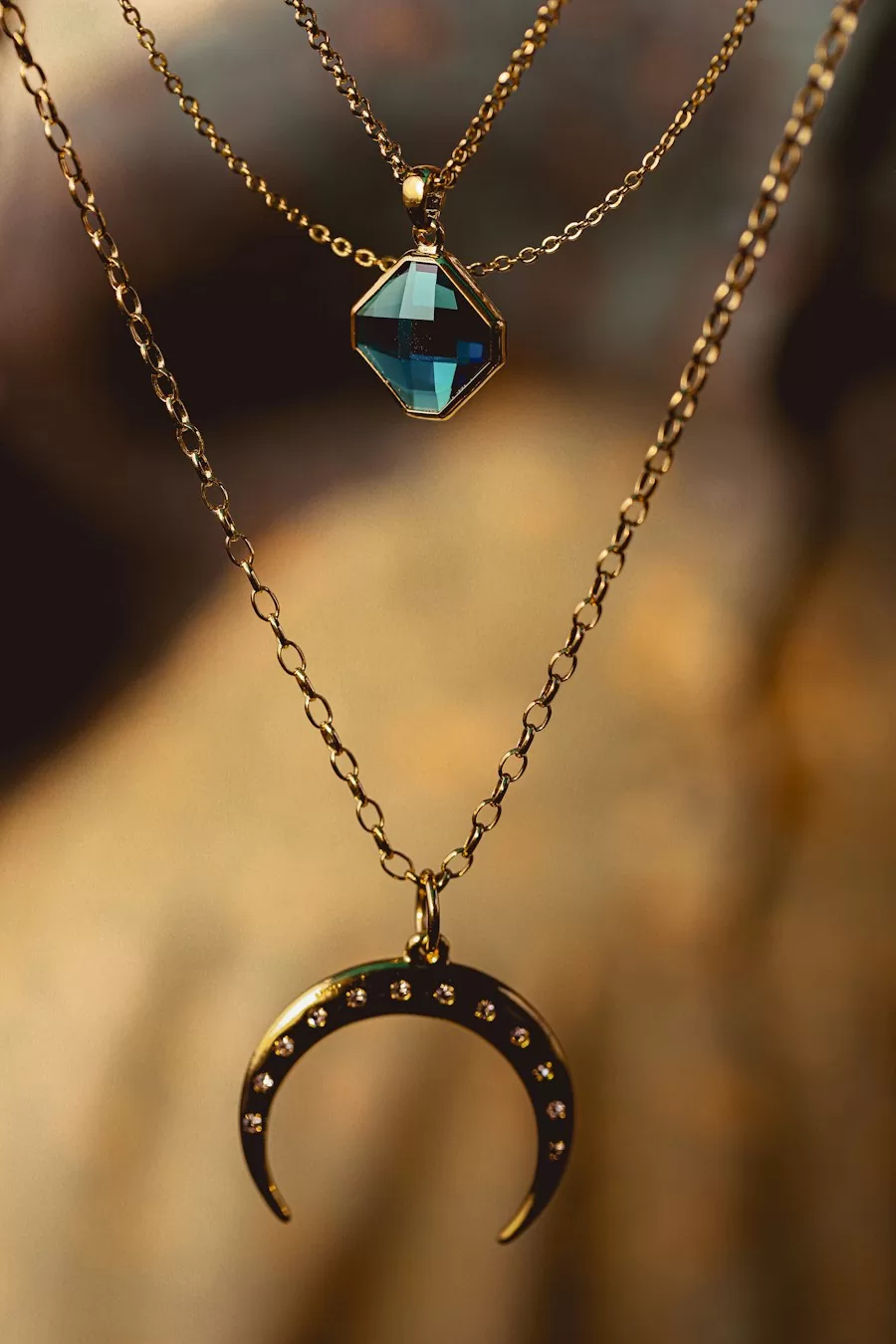
The locket outlasts trends because it solves a human problem, not a fashion one. Customers do not buy it because it matches an outfit; they buy it because they want to carry someone close. That intent-driven shopping behavior is what makes the category so dependable across seasons.
Why lockets keep selling
Lockets survive trend cycles because they solve a specific human need: carrying someone close. Birthdays, Mother's Day, new-mother gifts, graduation, sympathy - each is a locket occasion. The buyer is not browsing fashion; they are looking for a gift that means something, which means they shop with intent and are less price-sensitive. That intent-driven demand is exactly why personalized jewelry performs so well, as we break down in personalized and initial necklaces. A customer who lands on a locket listing is already sold on the idea - she just needs the right size and finish.
What shapes and sizes sell
The safest reorders are the modernized classics:
- The slim oval or round locket with a smooth, unornamented face. It reads contemporary and fits everyday wear.
- The heart locket, especially in smaller dainty sizes. It is the default romantic gift shape and moves on Valentine's, anniversaries, and pushes through the year.
- Mini lockets on thin chains. These target the younger buyer who wants a tiny sentimental piece rather than a statement pendant.
- Photo-ready interiors. Confirm the locket actually opens and fits a small photo - a sealed decorative 'locket' that does not open is a return waiting to happen.
Size and chain length matter. A locket worn as an everyday sentimental piece usually lands on an 18-inch chain, sitting at the collarbone - the length logic we cover in fashion necklace sizing. Oversized Victorian-style lockets sell in a narrow vintage niche, so carry them lightly unless your store is specifically retro. The mini versions also stack well with other dainty chains, which lets you merchandising them as part of a layered look rather than a one-off keepsake.
Materials and plating honesty
Fashion lockets are almost always gold-tone or silver-tone alloy with plating, and that is fine - as long as you describe it accurately. A customer buying a sentimental gift deserves to know it is plated alloy, not solid gold, so the expectation is set. Plating quality matters more here because the buyer keeps the piece for years, not months; check the plating durability and nickel compliance basics in alloy versus sterling silver and compliance limits. The hinge and clasp are the weak points on any locket, so test that the opening snaps shut securely and does not pop open in a bag.
How to merchandise and upsell
Lockets should be displayed open, with a sample photo inside, so the customer instantly understands the function. The upsell is obvious: offer a tiny print-and-place photo service, or a hand-stamped initial on the face, and you turn a cheap wholesale pendant into a $25-$40 personalized gift. Cross-sell into matching coordinated necklace and earring sets for the buyer who wants a complete gift. Seasonally, push lockets hard before Mother's Day, the winter holidays, and graduation, when gift buyers are actively searching for meaningful presents. Online, a photo of the locket open with a tiny picture inside outperforms a closed product shot by a wide margin, because it shows the emotional function at a glance.
The locket is the emotional anchor of a necklace wall. Stock the slim modern oval and heart in dainty sizes, confirm the interior actually opens, and show it open with a photo inside. Treat it as a personalized gift category rather than a fashion trend, and you will sell steady, repeat, high-margin orders every occasion season - from customers who come back the next year to buy one for someone new.
Because lockets are so personal, reviews and user-generated photos matter more here than almost anywhere. Encourage buyers to share a photo of the locket open with their picture inside - those images sell the next customer better than any studio shot, because they show the emotional use case in a real person's life. A locket in a gift box, open, with a tiny photo peeking out, is the single most converting image you can produce. Build that shot into your listings, and let the personal stories do the selling for you. They almost always outperform the studio versions.
For the legal text behind our material compliance, see the REACH Regulation (EC) No 1907/2006 on EUR-Lex.
Related reading: Statement Necklaces: How to Choose and Wear Bold Jewelry That Turns He, Personalized and Initial Necklaces: Why Custom Name Jewelry Sells, How to Source Cheap Fashion Jewelry from China: A Complete Guide.
Frequently Asked Questions
What ring sizes can you supply in bulk?
US sizes 5–12 including half sizes. Send a size breakdown with your order and we cast to that curve; comfort-fit inner bands reduce resize requests.
Can I order a mixed size run instead of one size?
Yes. Mixed runs are standard for wholesale: specify quantity per size and we pack and label by size at no extra labor cost.
What is the MOQ for custom ring designs?
50 pieces per design for existing molds; 100–300 pieces when a new mold or CAD model is required.
How should I price rings for retail margin?
Most partners use a 3–4x markup on FOB cost for sterling and 2.5–3x for moissanite solos, which keeps landed cost under 30% of retail.