Why your first invoice never matches your first quote
I have watched hundreds of first orders go out of our building, and the same thing happens almost every time. The buyer compares three per-carat quotes, picks the lowest, then gets a landed number that is 15 to 25 percent above what they budgeted. Nothing shady happened. They just priced the stone and forgot everything else.
This piece is the math I walk buyers through on a call, with real numbers from our line. If you are placing a first loose moissanite wholesale order and want to know what actually hits your bank account, read this before you wire anybody a deposit.
Start with the stone price and what it actually covers
Loose moissanite is quoted per carat, and the per-carat rate moves with size, cut, color grade, and clarity. A 1ct round brilliant in D-E-F color and VVS clarity sits in a very different band than a 3ct pear in G-H. Ask any supplier whether the price includes the GRA card, because that is where small costs start stacking.
At our factory, loose stones are sorted into three buckets that matter for your cost sheet:
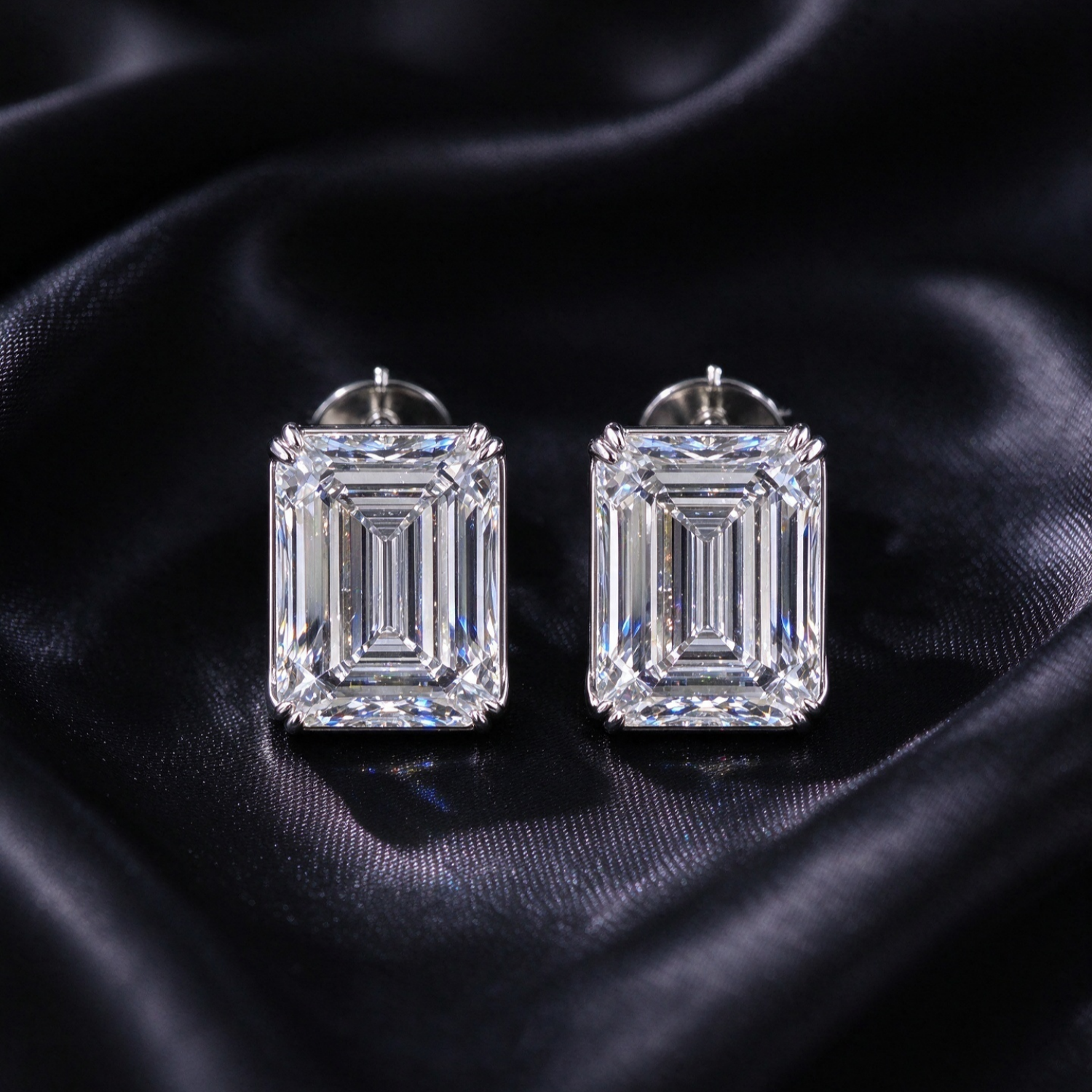
- Stock sizes in common shapes (round, oval, cushion, emerald) that we hold in inventory
- Custom cuts and unusual dimensions made to your drawing
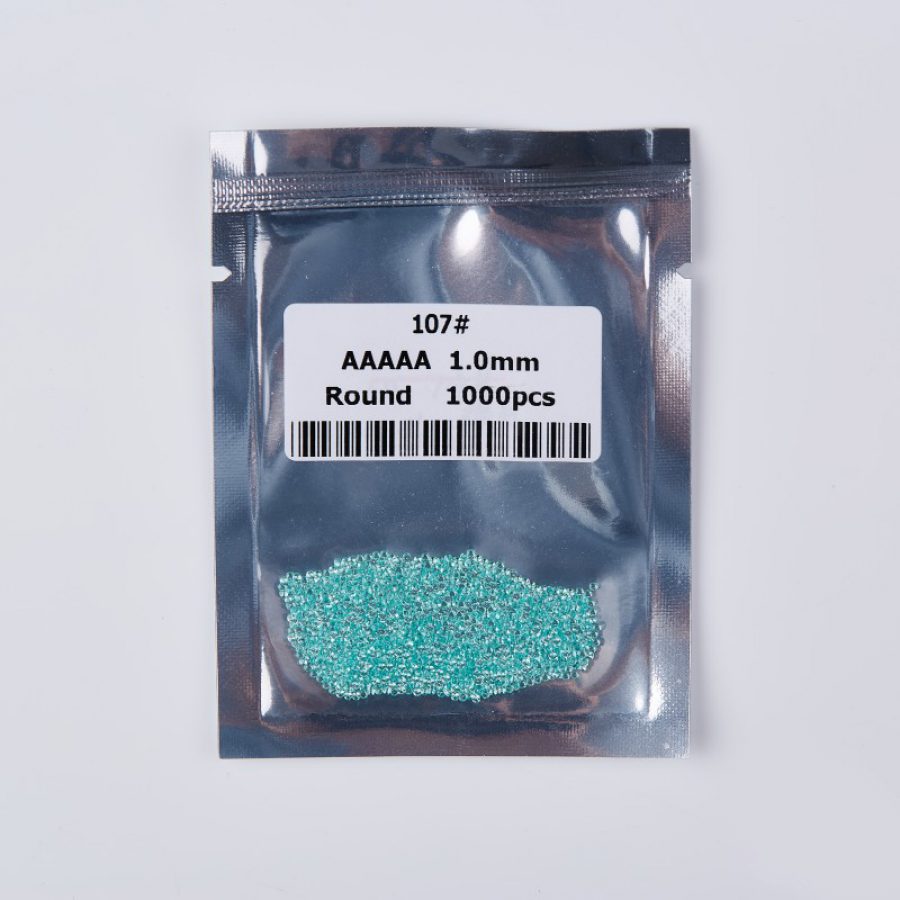
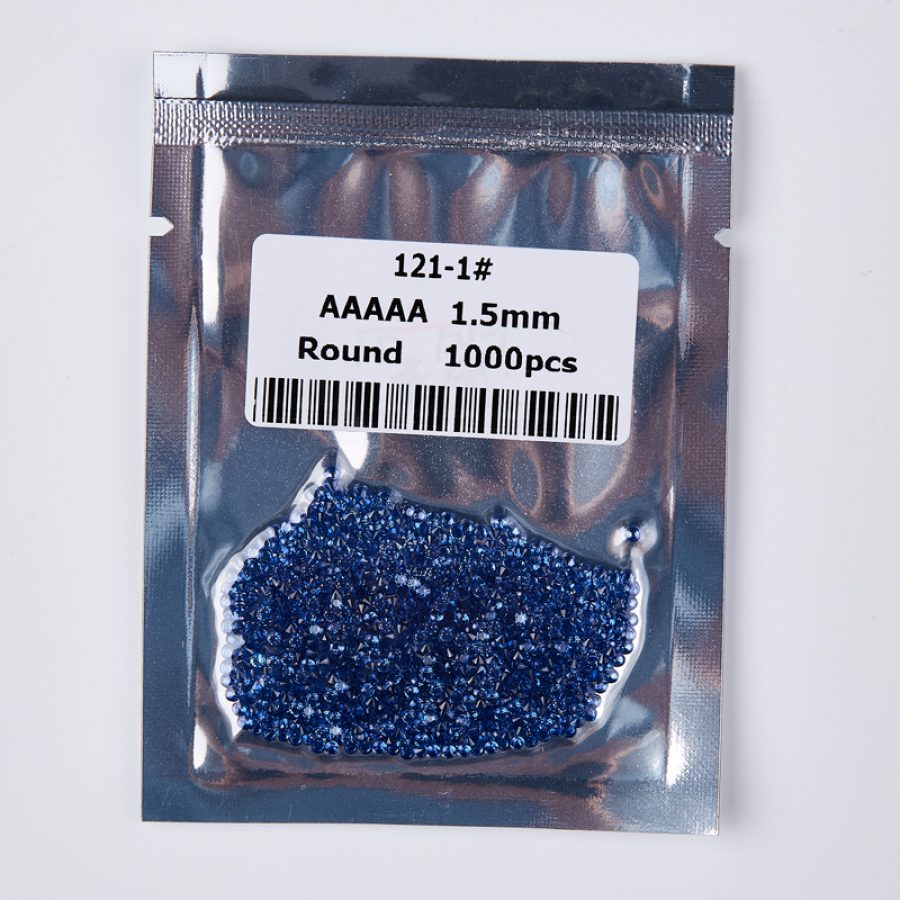
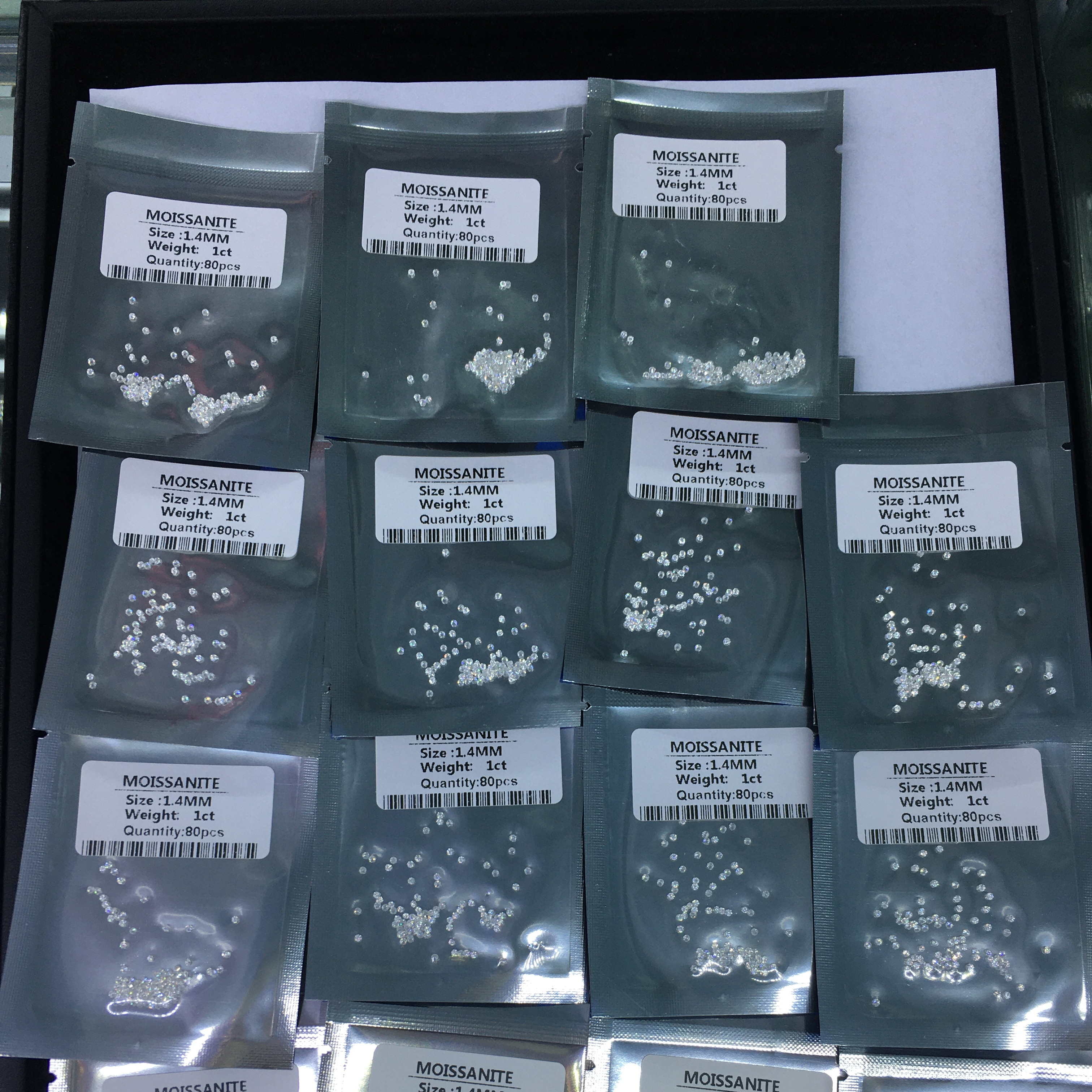
- Matched parcels for melee, where price is set per carat but the sorting labor is the real cost
Stock stones carry an MOQ of 1 piece. Custom cuts start at 30 pieces per size and shape. That difference alone changes your first-order strategy, because a 1-piece MOQ lets you test a color grade before committing volume.
The cost lines buyers forget to add
Here is the full stack, in the order it usually hits your invoice. I am using a 50-piece first order of mixed 1ct to 2ct rounds as the working example, because that is a typical trial order from a US or EU buyer.
| Cost line | What it is | Typical first-order impact | Who controls it |
|---|---|---|---|
| Stone price | Per-carat rate times total weight | 60 to 75 percent of landed cost | Supplier |
| Certificates | GRA card per stone, IGI for larger or premium pieces | Small per piece, adds up on 50 units | Supplier and you |
| Freight | DDP courier, door to door | Fixed per shipment, not per stone | Supplier |
| Duty and tax | Import charges at destination | Varies by country and declared value | Destination customs |
| Payment fees | T/T fees, PayPal on samples | Usually 1 to 4 percent | Banks and processors |
Notice that freight is per shipment, not per stone. That single fact is why your per-carat landed cost drops fast as order size grows, and why a 20-piece order can look expensive per carat while a 200-piece order on the same freight looks cheap.
The certificate decision that quietly moves your margin
Every stone we ship carries a GRA card as standard. For larger stones or anything going into a premium retail case, buyers often add IGI. The question is not which is better, it is which one your customer will ask for.
If you sell to trade accounts that resell loose stones, a GRA card is usually enough. If you sell finished jewelry at retail with a grading claim on the tag, budget for IGI on the hero stones only and keep GRA on the rest. Blanket-certifying a whole parcel with IGI is the fastest way to blow a first-order budget for no return.
On a 50-stone trial order, certifying every stone with IGI instead of GRA can add more to your landed cost than your entire freight bill. Certify the stones that carry a claim, not the whole box.
Payment terms and how they affect your cash position
Standard terms are T/T with 30 percent deposit and the balance before shipment. For samples or a very small first order, PayPal works. The deposit is not just supplier security, it is what lets us book your production slot, and that matters for timing.
Production runs 12 to 18 days depending on whether you are pulling stock or cutting custom. Add DDP delivery of 5 to 8 days after that. So a realistic first-order timeline from deposit to your door is roughly three to four weeks, and your cash is tied up for that whole window. Plan the deposit date against your own sales calendar, not against when you feel ready.
Where our numbers land versus a trading company
Most buyers comparing loose moissanite wholesale quotes are comparing a factory against a trading company without knowing it. The trading company buys from someone like us, adds a margin, and forwards your questions. That layer costs you money and time.
Our cost, speed, and yield run about 20 percent better than typical trading companies, and the reason is boring: we cut, sort, and QC in the same building. There is no re-inspection step, no second freight leg, no translation delay on a spec question. When a stone fails incoming check, we know in hours, not days.
QC runs in three stages on every order. Incoming stone check on arrival at our bench, in-process checks during setting or matching, and a pre-ship AQL inspection before the box is sealed. If you have ever received a parcel with two stones that did not match the photo, that third stage is what catches it.
A worked landed-cost example you can copy
Take 50 loose rounds, average 1.5ct, total 75 carats, at a blended rate of USD 30 per carat. Stone cost is USD 2,250. GRA cards are already in that rate. Freight DDP is a flat USD 120 for the shipment. Payment fees on a T/T run about USD 45. Duty at destination depends on your country, so plug in your own rate; at 5 percent that is USD 112.
Landed total: about USD 2,527, or roughly USD 33.70 per carat. Your quote said 30. The gap is 12 percent, and none of it is hidden. That is the number to build your retail or wholesale price from, not the 30.
Now run the same math at 200 stones on the same freight. The per-carat gap shrinks because freight and fees spread across more carats. This is the single strongest argument for consolidating your first few orders instead of dribbling them out.
Frequently Asked Questions
What is the minimum order for loose moissanite wholesale?
Stock sizes and shapes start at 1 piece, so you can sample before committing. Custom cuts and non-standard dimensions start at 30 pieces per size and shape. Lead time is 12 to 18 days for production plus 5 to 8 days DDP delivery.
How is the price calculated on a first order?
Pricing is per carat, adjusted by size, cut, color grade, and clarity, with GRA cards included as standard. Freight is charged per shipment, so your per-carat landed cost falls as order volume rises.
Do you require a deposit, and can I pay by PayPal?
Standard terms are T/T with 30 percent deposit and the balance before shipment. PayPal is accepted for samples and small trial orders. Ask for a written cost sheet before you pay so freight and certificate lines are clear.
If you want the math run on your actual mix, send your size, shape, color grade, and target quantity to service@holycome.com or message WhatsApp +86 133 7744 7107. We will send back a line-by-line landed cost sheet and, if you want, a small sample parcel so you can check the stones against the spec before the first real order.