Audit Red Flags When Sourcing Loose Moissanite
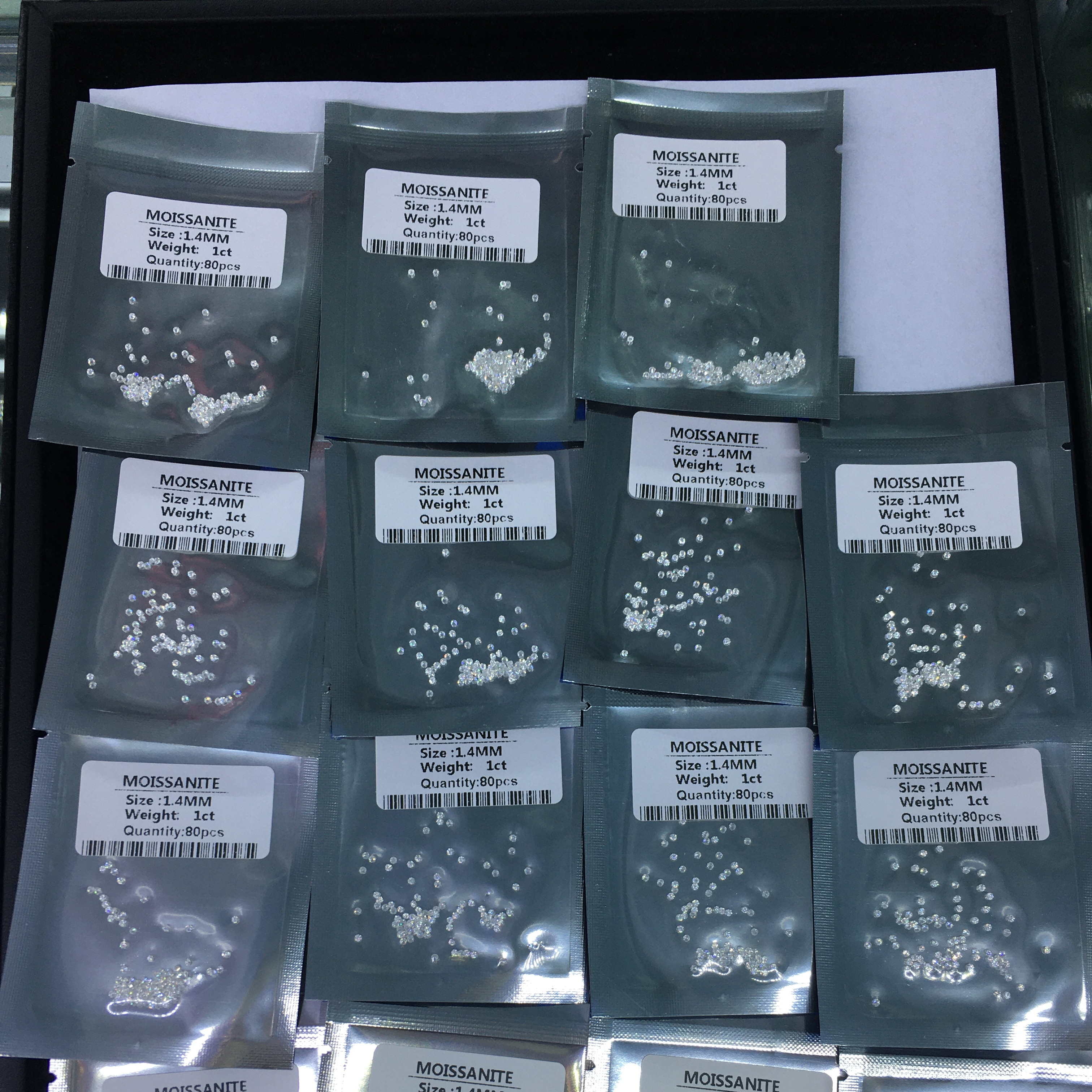
When you’re looking to buy loose moissanite in bulk, the first thing to check is the supplier’s audit trail. A robust audit trail means every stone has passed the same set of quality checkpoints, and the records are easily accessible. If a supplier can’t provide transparent logs for each batch, that’s a red flag. It suggests either a lapse in quality control or a hidden risk of mislabeling.
Another warning sign appears when the supplier’s certificates are vague or incomplete. Valid GRA or IGI certificates should list a specific lot number, weight, and clarity grade. Missing details or generic “certificate of authenticity” statements are often a shortcut to questionable stones. Always demand a copy before you commit to a purchase.
Three-Stage Quality Assurance: The Holy Come Difference
Our three-stage QC process locks in quality from raw input to finished product. The first stage is an incoming stone check, where we verify weight, cut, and color against the GRA or IGI standard. Any stones that fall short are reworked or replaced immediately, preventing defects from reaching the customer.
In the second stage, in‑process checks monitor polishing and setting procedures. This ensures that the stone’s brilliance and symmetry are maintained during hand‑crafting. The final stage, a pre-ship AQL inspection, confirms the finished piece meets the agreed‑upon quality level before it leaves the factory.
Loose Moissanite vs. Cut-Set Cost Comparison
| Feature | Loose Moissanite | Cut-Set Example | Cost Impact |
|---|---|---|---|
| Weight (cts) | 0.50 | 0.48 | - |
| Setting Cost | $0 | $12 | +$12 |
| Polish Time | 0.5 hrs | 1.5 hrs | +1 hr |
| Final Price | $450 | $480 | +$30 |
The table illustrates that loose stones give buyers more control over the final design, saving on setting costs and allowing for customized mounts. However, the raw stone must still be graded and polished to a high standard, which is why we maintain a low minimum order of one piece for stock, but 30 pieces for custom requests.
Because we own every stage of production, we can keep lead times tight—12 to 18 days from order to delivery—while still delivering consistent quality. That’s a 20% better first-pass yield compared to typical trading companies that outsource polishing.
Payment and Delivery Practices to Watch
PayPal is accepted for sample orders, giving buyers a low‑risk way to verify quality before a larger commitment. Our standard payment terms are T/T with a 30% deposit, which protects both parties from fraud or shipment delays. A clarity on the payment method helps avoid misunderstandings about delivery.
Delivery via DDP takes 5 to 8 days to the US, and we provide the full customs clearance documentation. If a supplier can’t deliver DDP or offers only a long transit time of 3–4 weeks, the logistics chain may be unreliable. Knowing the shipping method upfront is vital for planning inventory and meeting customer demands.
Red Flags in Supplier Communication
- Unclear or delayed responses to inquiry emails.
- Requests for large upfront payments without prior sample approval.
- Lack of a dedicated WhatsApp or phone line for immediate support.
- Inconsistent product specifications across different order sizes.
- Failure to provide a detailed quotation with MOQ, lead time, and price tiers.
Our service team is reachable via WhatsApp at +86 133 7744 7107 and email at service@holycome.com, ensuring that any questions receive timely answers. A reliable communication channel is as important as the stone itself; it indicates the supplier’s commitment to transparency and customer satisfaction.
How We Keep First‑Pass Yield High
Owning the setting and polishing lines allows us to apply real-time adjustments. If a stone shows a flaw during the in-process check, we can immediately rework it instead of sending it back to a third party, reducing rework costs and time. This integrated approach also gives us tighter control over the final grading.
Our record shows a 20% better first-pass yield compared to typical trading companies. That means fewer stones end up being rejected after the pre-ship inspection, translating into lower overall costs and faster delivery for our buyers. When you work with us, you can trust that each order will meet the exacting standards outlined in the GRA or IGI certificates.
Frequently Asked Questions
What is the minimum order quantity for loose moissanite?
We accept a single piece for stock orders and a minimum of 30 pieces for custom orders. The MOQ ensures we can maintain quality while meeting your specific needs.
How long is the lead time for custom orders?
Custom orders typically take 12 to 18 days from receipt of the deposit. The lead time covers cutting, polishing, and final QC before shipment.
Do you offer samples before placing a bulk order?
Samples are available via PayPal for quick verification. Once approved, the standard 30% deposit applies to larger orders.
Ready to elevate your inventory with high‑quality loose moissanite? Contact us for a quote or to request samples.