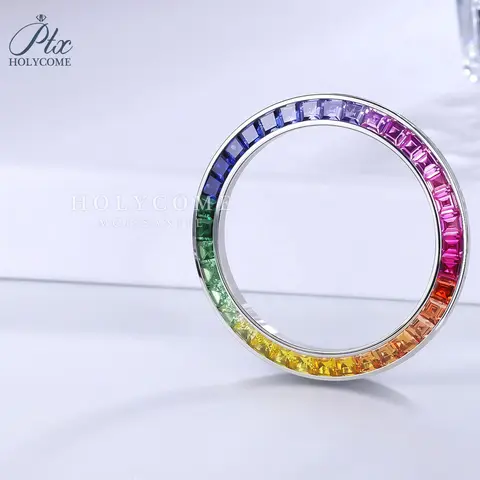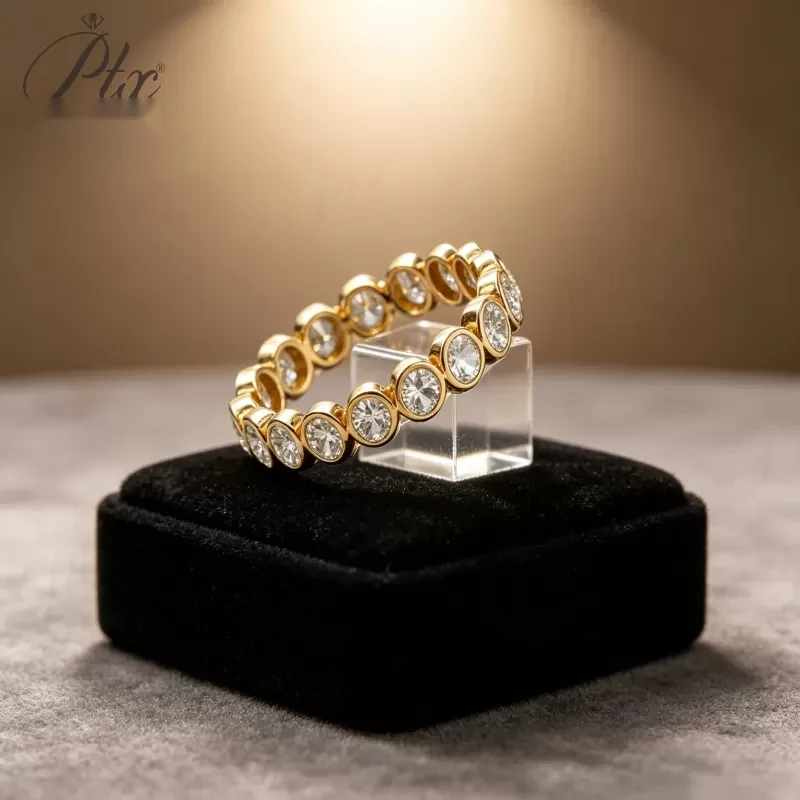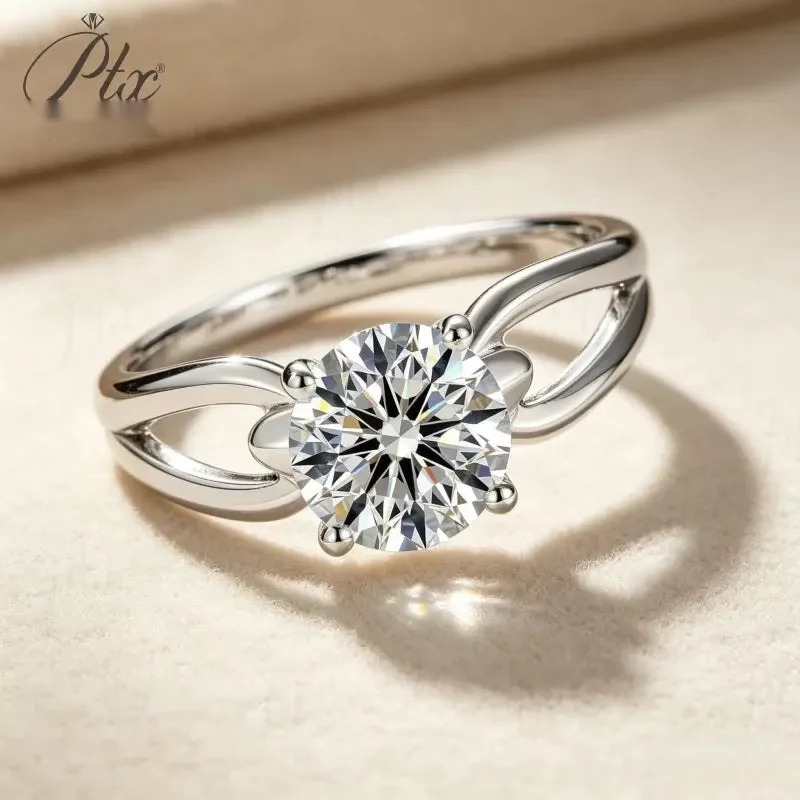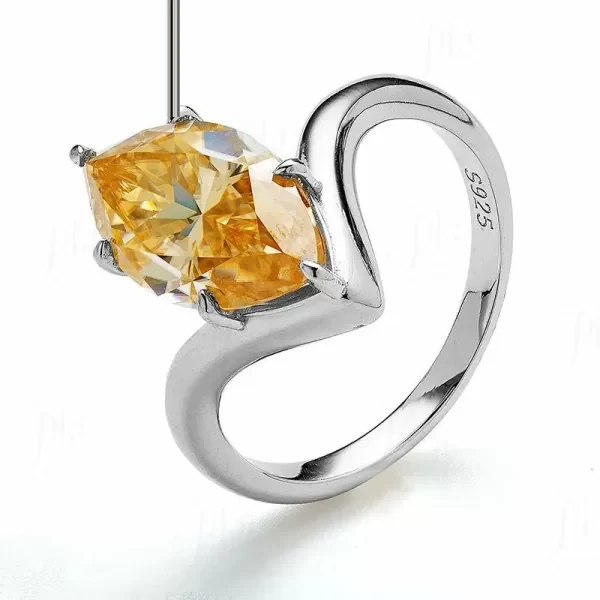
Midi rings—also called knuckle rings, above-the-knuckle rings, or mid-finger rings—sit on the upper half of your finger instead of the base. They blew up during the stacked-jewelry boom, and they keep selling because a customer can buy three, four, or five of them for the price of one solid ring. For a reseller, that is a textbook average-order-value item.
What makes a midi ring different
A midi ring is simply a narrow band sized for the middle or upper knuckle rather than the finger base. Because the upper knuckle is smaller, a typical midi runs about two to three sizes smaller than a base ring on the same finger. Most midi styles are slim bands—1mm to 3mm wide—so several of them can coexist on one hand without looking clunky.
That slim profile is also why alloy is such a practical material. Wide, heavy bands on the upper finger feel awkward and dig in; thin electroplated alloy bands sit lightly and cost pennies to produce. A five-piece midi set in gold-tone or rhodium-tone is one of the easiest entry-price items you can stock.
How to size midi rings correctly
Sizing is the number-one reason customers return midi rings. The upper knuckle is the widest point of that segment, so the ring has to slide over the knuckle and then rest comfortably below it. Measure directly at the knuckle with a strip sizer or a printable ring gauge, not at the base of the finger.
Because sizes run small, many buyers prefer to stock midi sets in a range labeled by finger position—index, middle, ring—rather than numeric sizes. If you do carry numeric sizes, stock the smaller end of the scale (roughly US 3 through 6 for midi positions) and skip the large sizes almost nobody needs on an upper knuckle.
How customers actually style them
The most popular look is asymmetry: three or four midi rings scattered across alternating fingers, leaving gaps. A tight, covered hand looks costume-y; a scattered hand looks intentional. Thin plain bands, tiny stone accents, and minimalist signet shapes all work well together because the silhouette stays light.
Midi pairs naturally with base rings, which is the upsell. A customer who buys one midi will often add a matching stackable base ring to the same hand. If you already sell stackable rings, cross-merchandising midi sets next to them lifts both categories.
Sourcing midi rings for resale
When you source alloy midi rings, ask the factory for the actual band width and the plating thickness—thin bands in cheap plating bend and tarnish fastest. Confirm the set is nickel- and lead-compliant, since rings contact skin for hours and sensitive-finger customers will notice. Request a sample in person before committing to a mix lot; midi bands are so thin that plating flaws show up immediately.
Price sets, not singles. A five-piece midi set retails comfortably in the impulse-buy range, and bundled sets reduce the number of individual SKUs you have to photograph and inventory. Keep finishes consistent within a set—mixed gold and silver tones in one hand read as messy unless that mismatch is the deliberate trend.
Merchandising tips
Photograph midi rings on a real hand, never on a flat white background—the whole value proposition is the stacked, worn look. A short video of a hand being stacked outsells static images for this category. Display them in tiers by finish (gold, silver, mixed) and train your staff or your product captions to suggest the three- or four-finger scatter rather than a full hand.
Midi rings also travel well as add-ons at checkout. Because the price point is low, customers treat them like a stocking stuffer or a “just one more” decision. If you want the full material background on what you are buying, our alloy rings wholesale FAQ covers the common questions about finishes, durability, and reorders.
Who buys midi rings
The core customer is the twenty-something buyer who already wears a few rings and wants to fill out the hand without buying fine pieces. Because midi bands are cheap, they also attract customers who lose or break jewelry often and do not want that loss to hurt. That makes midi sets a natural repeat purchase—a customer who likes the look will add another finish or another set next season rather than replace one expensive ring.
They also skew well on social. Stacked-hand close-ups are among the most-shared jewelry frames, and the low price point means followers can replicate the look immediately. If you sell through Instagram or TikTok, a short clip of a hand going from bare to fully stacked is one of the highest-converting demos in the accessories category.
The bottom line
Midi and knuckle rings are not a passing fad so much as a permanent styling tool, like stud earrings or chain bracelets. They cost little to stock, add visible bulk to a hand photograph, and naturally encourage a customer to buy more than one. For a boutique, marketplace seller, or pop-up trader, they are one of the safest ring categories to add this season.
EU-wide limits on nickel, lead and cadmium in jewellery are set by the REACH Regulation (EC) No 1907/2006 on EUR-Lex.
Frequently Asked Questions
What ring sizes can you supply in bulk?
US sizes 5–12 including half sizes. Send a size breakdown with your order and we cast to that curve; comfort-fit inner bands reduce resize requests.
Can I order a mixed size run instead of one size?
Yes. Mixed runs are standard for wholesale: specify quantity per size and we pack and label by size at no extra labor cost.
What is the MOQ for custom ring designs?
50 pieces per design for existing molds; 100–300 pieces when a new mold or CAD model is required.
How should I price rings for retail margin?
Most partners use a 3–4x markup on FOB cost for sterling and 2.5–3x for moissanite solos, which keeps landed cost under 30% of retail.