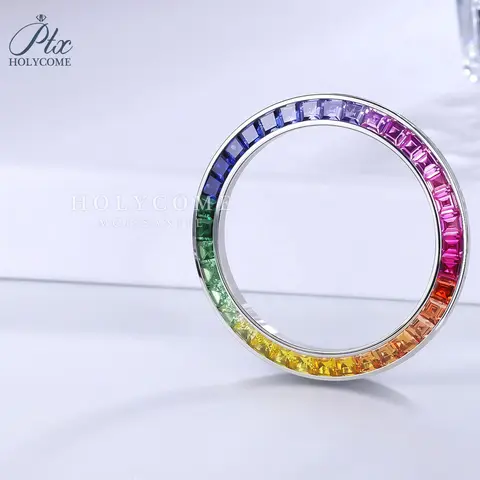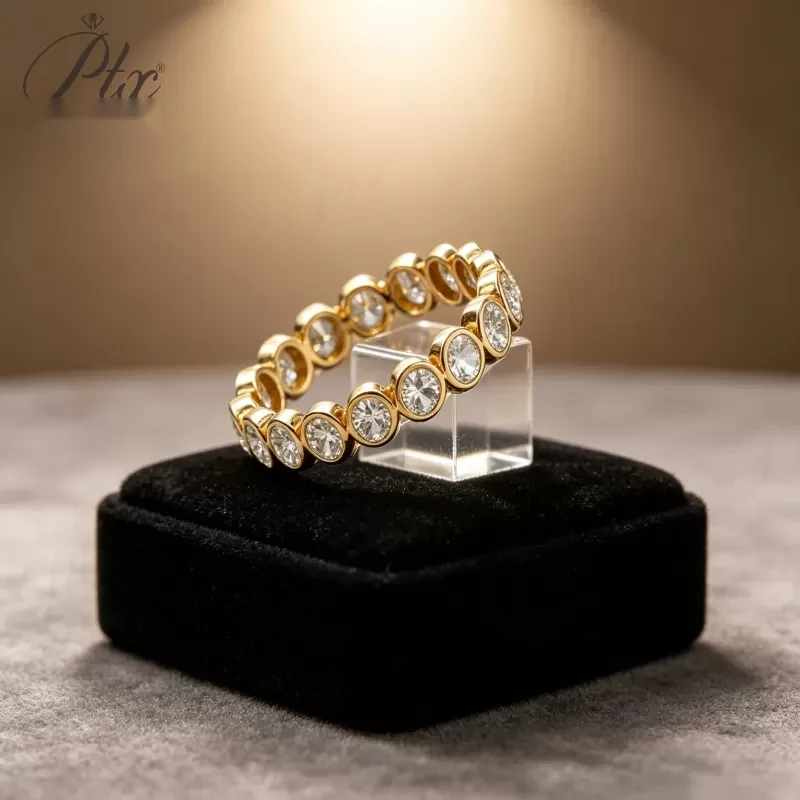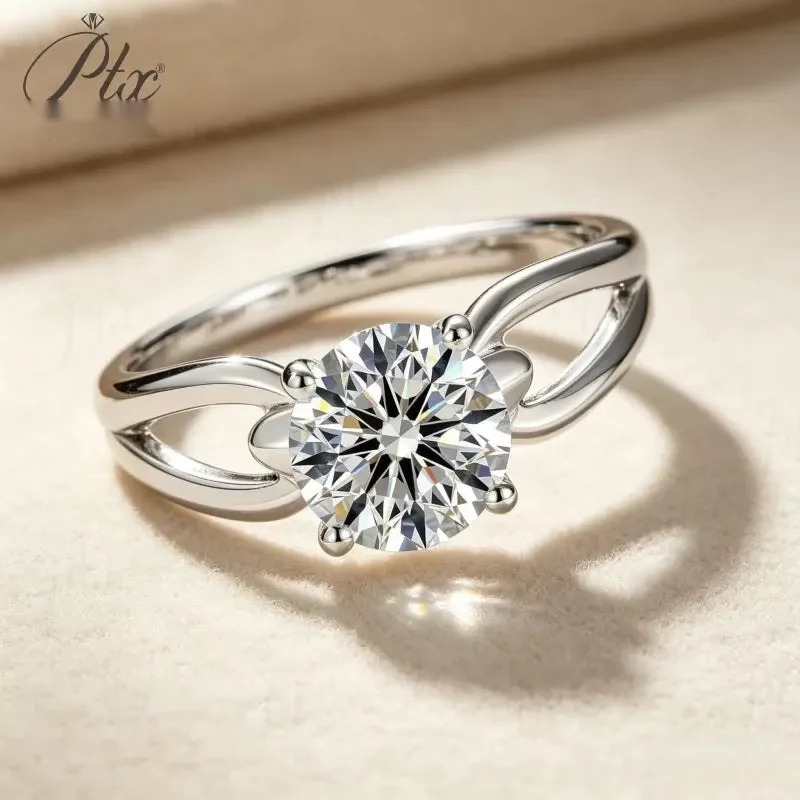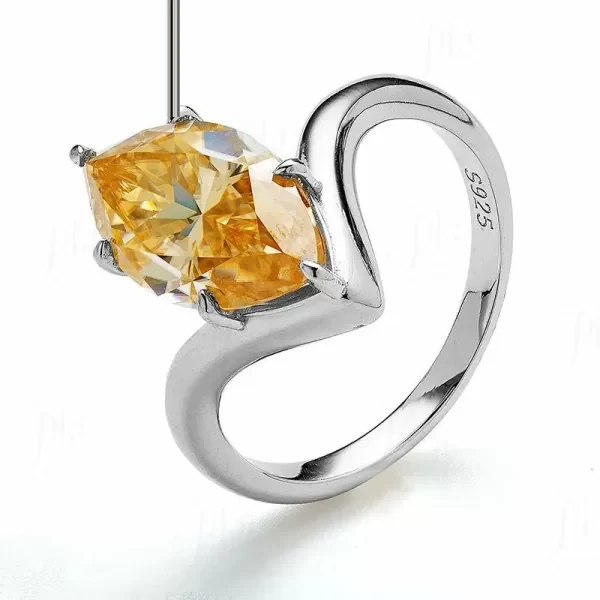
If you have seen a hand decked with three or four delicate rings spaced up the fingers, you have seen midi rings at work. Also called knuckle rings, these tiny bands sit halfway up the finger rather than at the base, and they have become one of the most addictive accessories in fashion jewelry. They are cheap to source, fun to stack, and nearly impossible for customers to buy just one of—which is exactly why resellers love them.
What makes a ring a midi ring
A standard ring fits at the base of the finger. A midi ring is sized smaller and worn higher—between the first and second knuckle, or just above the main knuckle. Because fingers taper toward the tip, a midi ring is typically one to two sizes smaller than a base-finger ring. That sizing difference is the whole trick, and it is also where most customer confusion happens.
Midi rings are almost always thin—sometimes a single millimeter wide—so they sit lightly and do not catch. They come in plain bands, tiny shaped designs, and micro-stone styles. Because they are small and decorative rather than structural, alloy is the perfect material: lightweight, affordable, and easy to finish in gold-tone, silver-tone, or rose-gold.
Why they sell so well
Midi rings are a volume accessory. Customers buy them in sets of three to eight, mixing metals and shapes across one hand. That habit lifts average order value in a way a single engagement-style ring never will. They also photograph beautifully—a flat lay of stacked thin rings on a neutral backdrop is catnip for social feeds, which makes them a natural fit for Instagram and TikTok selling.
The price point helps. Because they are small and use minimal material, wholesale cost stays low, so you can retail them as a set at a price that feels like a treat. Impulse buys of a “set of 5 midi rings” at a friendly price are the bread and butter of this category.
Get the sizing message right
The number-one complaint with midi rings is fit. Because they sit higher on a tapered finger, the same ring size does not work the same way it would at the base. Customers unfamiliar with the style may order their usual size and find it slides off the knuckle.
Solve this up front. Offer midi rings in size ranges or as adjustable open bands, and write a clear note: “Designed to wear above the knuckle; choose one to two sizes down from your usual ring size.” Adjustable bands are the lowest-friction option because they self-size across most fingers. Pair this with our alloy ring sizing guide to cut down on returns.
Stacking rules to teach your customer
Most buyers want to stack but do not know how. Giving them a simple formula makes the sale easier and encourages bigger baskets. A reliable approach: one slightly larger statement midi on the index or middle finger, two to three thin plain bands on adjacent fingers, and one shaped or stone piece as the accent. Mixing two metal tones keeps it modern; sticking to one tone keeps it elegant.
Remind them that knuckle rings should slide on snug but not dig in, since the knuckle is the widest point. If it slips off when the hand relaxes, it is too loose. A quick care note about keeping plating dry and stored separately also extends the life of these delicate pieces.
Who actually buys midi rings
The buyer is usually building a stack rather than shopping for one statement piece. Younger shoppers, festival and boho customers, and anyone into the layered look buy them in small handfuls, often mixing in a charm or signet ring they already own. Because they are so affordable, they also work beautifully as a checkout add-on: a “add any two midi rings for a few dollars more” prompt lifts basket size without resistance. That impulse nature means they rarely sit in slow inventory, which makes them a low-risk SKU to test even in a brand-new store.
What to stock
Start with the classics: plain thin bands in gold-tone, silver-tone, and rose-gold. Then add shaped accents—a tiny heart, a knot, a crescent moon, a micro-bead cluster—that customers can mix in. Adjustable open bands are your safest volume SKU because sizing complaints nearly disappear. Avoid heavy or wide designs; midi rings are meant to feel almost invisible until you notice the styling.
Because they pair with everything, midi rings cross-sell naturally with stackable and midi-focused collections. For related bestsellers, browse our wholesale alloy rings. Treat them as the add-on that grows your average order: cheap to buy, fun to wear, and almost always sold in multiples.
For third-party reference, the Wikipedia article on moissanite details moissanite’s discovery, optical properties and use in jewellery.
Frequently Asked Questions
What ring sizes can you supply in bulk?
US sizes 5–12 including half sizes. Send a size breakdown with your order and we cast to that curve; comfort-fit inner bands reduce resize requests.
Can I order a mixed size run instead of one size?
Yes. Mixed runs are standard for wholesale: specify quantity per size and we pack and label by size at no extra labor cost.
What is the MOQ for custom ring designs?
50 pieces per design for existing molds; 100–300 pieces when a new mold or CAD model is required.
How should I price rings for retail margin?
Most partners use a 3–4x markup on FOB cost for sterling and 2.5–3x for moissanite solos, which keeps landed cost under 30% of retail.