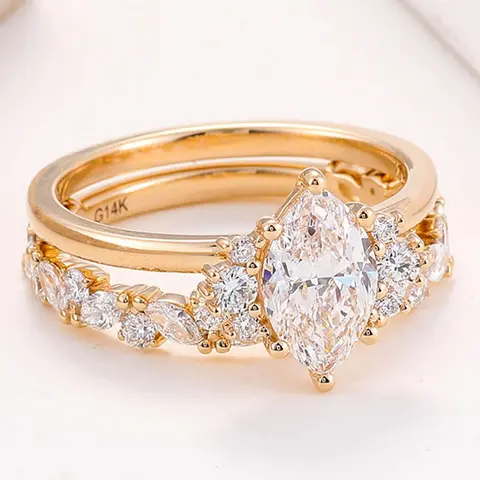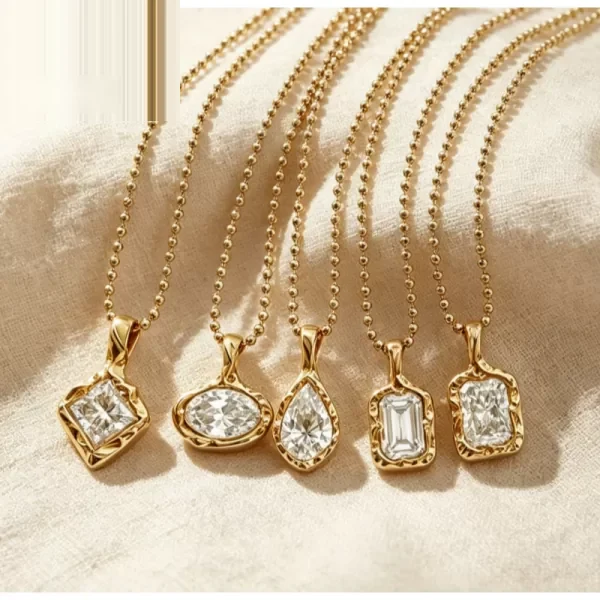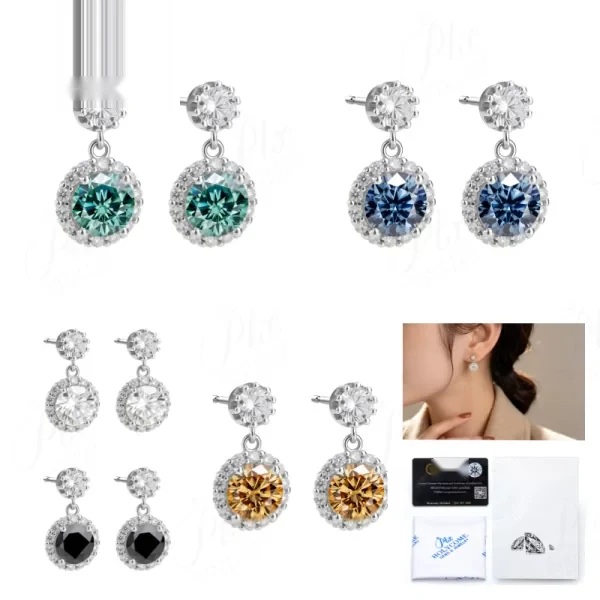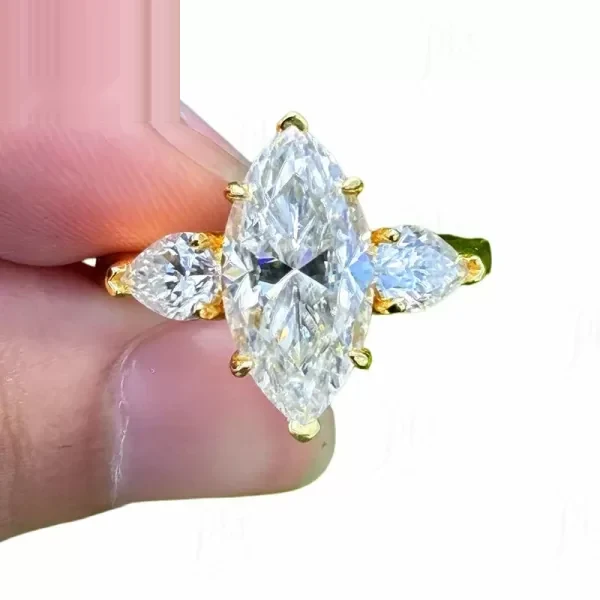
Most wholesale buyers think of mix lots as inventory to resell piece by piece. A smaller, quieter crowd buys them for the opposite reason: to take them apart. Upcyclers, jewelry crafters, and DIY designers treat a bulk mix lot as a bin of parts, chains, beads, charms, clasps, and settings, reassembling them into one-of-a-kind pieces that sell for far more than the cost of the lot. If you already buy bulk mix lots, this is a second way to turn the same purchase into margin.

What Upcyclers Actually Buy
Crafters do not need perfect, on-trend, retail-ready jewelry. They want volume and variety: broken necklaces with intact chains, single earrings with good beads, bangles with interesting charms, and strands of loose beads. A "junk" lot that a reseller would reject because half the pieces are tarnished or missing backs is exactly what an upcycler wants, as long as the metal and stones are reusable. This means the lots you would otherwise discount or clear can be sold to a different audience at a steady price.
The Parts That Matter Most
When you sort a lot with upcycling in mind, separate the components that retain value. Chains are the most useful part, even a broken necklace usually has a wearable chain once the clasp is replaced. Beads, especially glass, crystal, and wood, are reusable on stretch cord or wire. Charms and pendants can be rehung on new chains or turned into earrings. Clasps and jump rings are the least glamorous but the most reusable; a jar of good lobster clasps saves a crafter real money. Settings (empty rings, bezels, earring posts) are gold for people who make custom pieces. Before you buy, skim our inspection checklist for bulk mix lots so you know what you are paying per usable part.
Lead and Safety Are Non-Negotiable
Here is the part that separates a hobbyist from a business. Upcycled jewelry is sold to end customers, and any reworked piece carries the same compliance rules as new jewelry. Vintage and cheap alloy components often contain lead or cadmium, especially older pieces made before modern limits. If you are reselling reworked children's items or items that touch skin, test components or stick to supplier lots that already meet standard nickel, lead and cadmium limits. It only takes one failed test at a craft fair or online to erase the margin of an entire season. When you buy mix lots for upcycling, ask the supplier for compliance documentation even on the "junk" pieces, reputable factories can provide it for the base stock.
What to Make (and What Sells)
The highest-margin upcycled pieces are not replicas of retail jewelry; they are objects a customer cannot buy on a shelf. Mismatched earring sets built from orphaned singles. Charm bracelets assembled from vintage pendants. Beaded statement necklaces strung from a dozen broken strands. Keychains, bookmark tassels, and brooch conversions of old pendants all sell well at craft fairs and online. The key is to lean into the "one of a kind" story, because that justifies the price premium that makes the disassembly labor worth it.
Where to Sell the Output
Upcycled jewelry finds its audience in specific channels: craft fairs and makers markets, handmade platforms, local boutiques that stock artisan goods, and pop-up events. It does not compete well against fast fashion, because the price point is higher and the stock is unique. For buyers who want a lower-labor version, selling the sorted parts themselves (a jar of beads, a bundle of chains) to other crafters is a fast, low-margin turn. Compare the channels in our guide to selling bulk mix lots and decide whether you are selling finished pieces, sorted parts, or both. Price finished pieces against the labor, not against the wholesale cost of the lot: a necklace that takes twenty minutes to string and sells for $35 earns more per hour than fifty loose beads sold for fifty cents each, even though the parts came from the same box.
Buying Strategy
Prioritize lots described as "as-is," "broken," or "for parts," because they cost less per pound than resell-ready lots. Buy a mix of metal tones so your upcycled pieces have variety. Avoid lots dominated by single-use plastic or cheap plastic beads, which have almost no resale or upcycle value. Order a small test lot first, time how long it takes you to sort one pound, and price your finished pieces against that labor. Upcycling is profitable only when the disassembly time is part of the math, not an afterthought.
The upcycling niche turns a liability, tarnished, broken, mismatched inventory, into a story customers will pay for. With basic lead awareness and a realistic labor estimate, a mix lot becomes not dead stock but a parts bin for a second, higher-margin product line.
EU-wide limits on nickel, lead and cadmium in jewellery are set by the REACH Regulation (EC) No 1907/2006 on EUR-Lex.
Frequently Asked Questions
How do I verify a factory before placing a bulk order?
Request a production video, business license, export records and a paid sample run. A factory that accepts a 50-piece test order is usually a real manufacturer.
What payment terms do you offer?
30% T/T deposit with the balance against the bill of lading. This protects both sides on first orders and can move to net terms after a track record.
What is your normal reject rate?
3–5% under 10x loupe inspection for cast and set pieces. Defective units are replaced free in the next shipment.
Where is the factory located?
Wuzhou, Guangxi, China—the core lab-grown and moissanite manufacturing cluster. Shipments go via Guangzhou or Shenzhen ports.