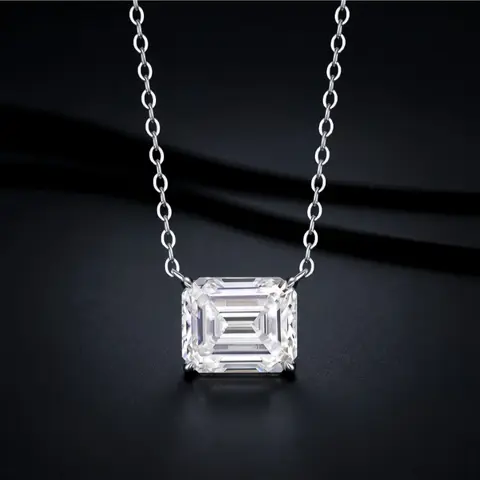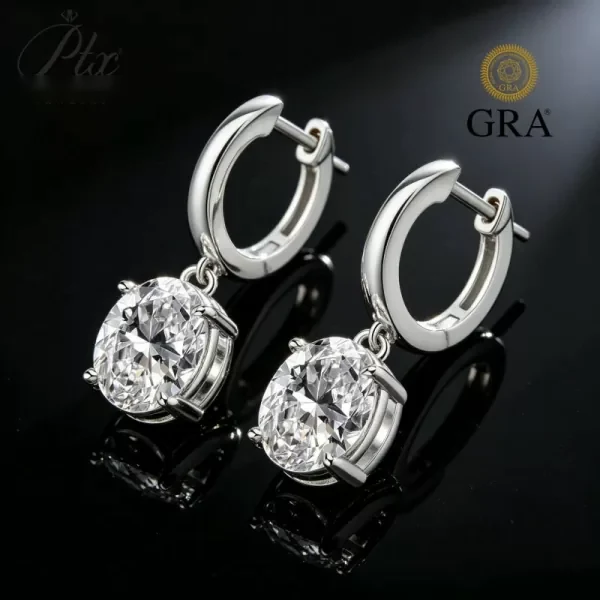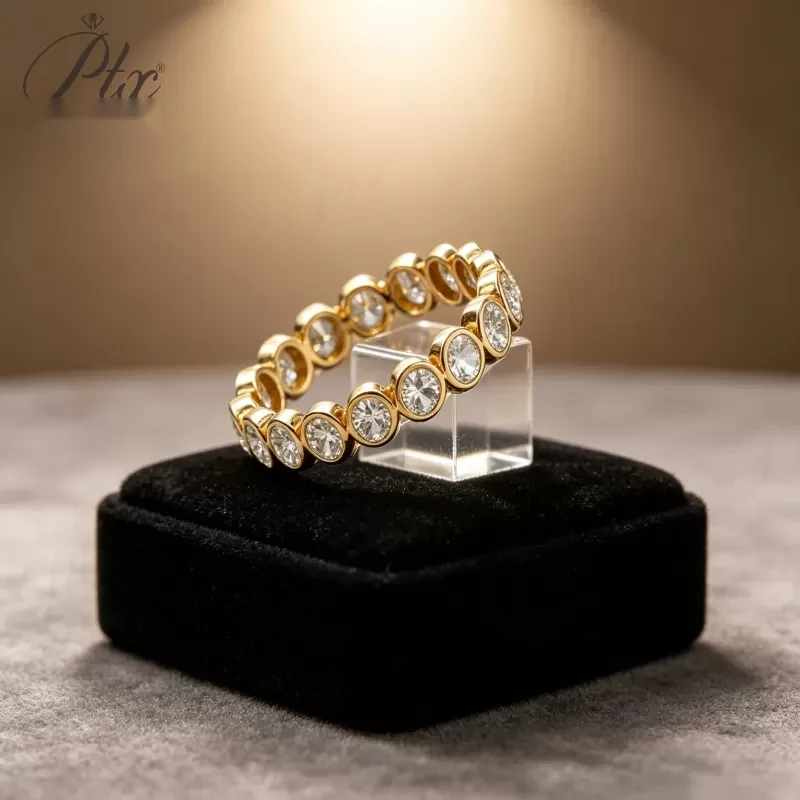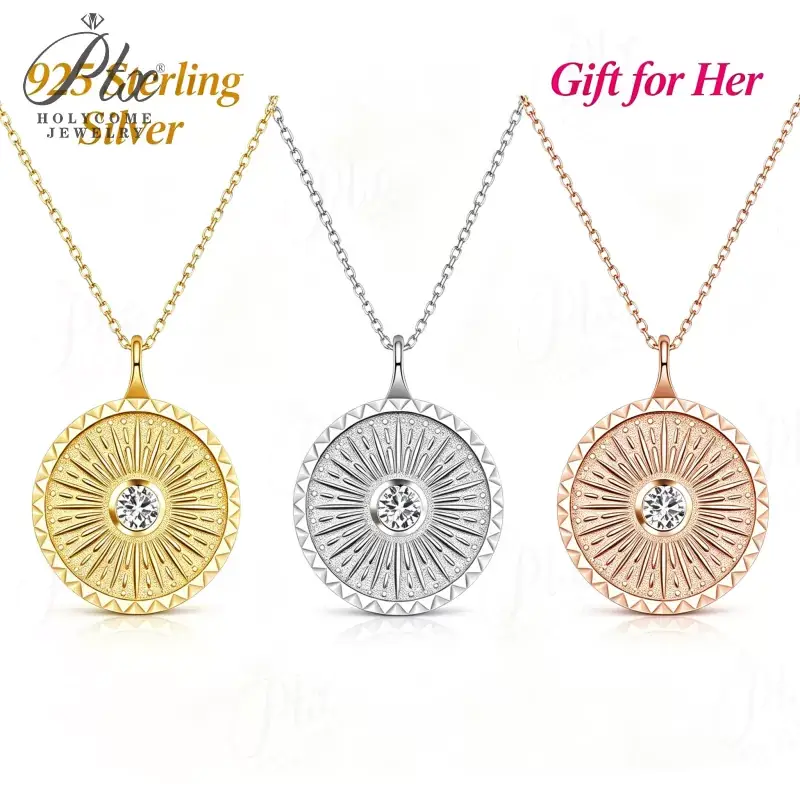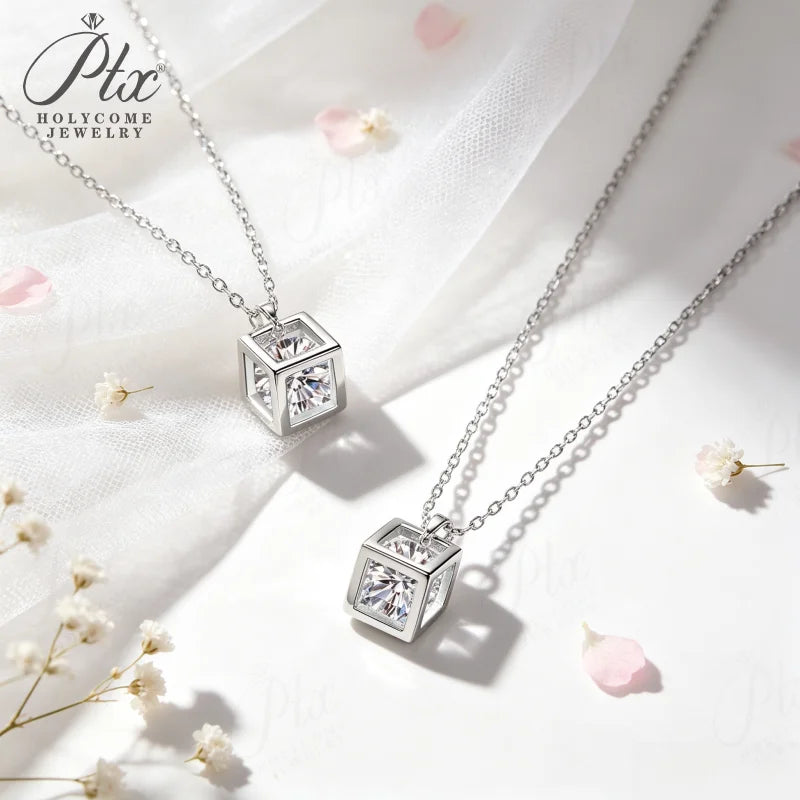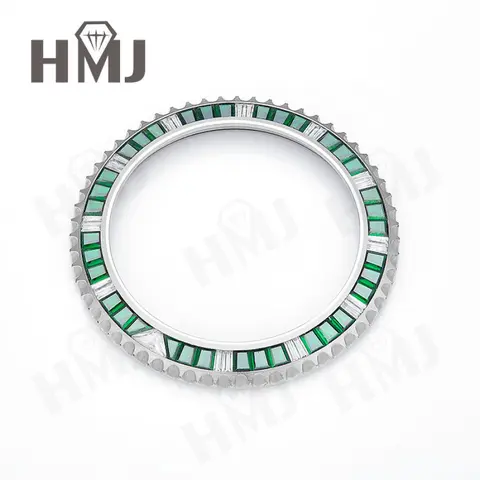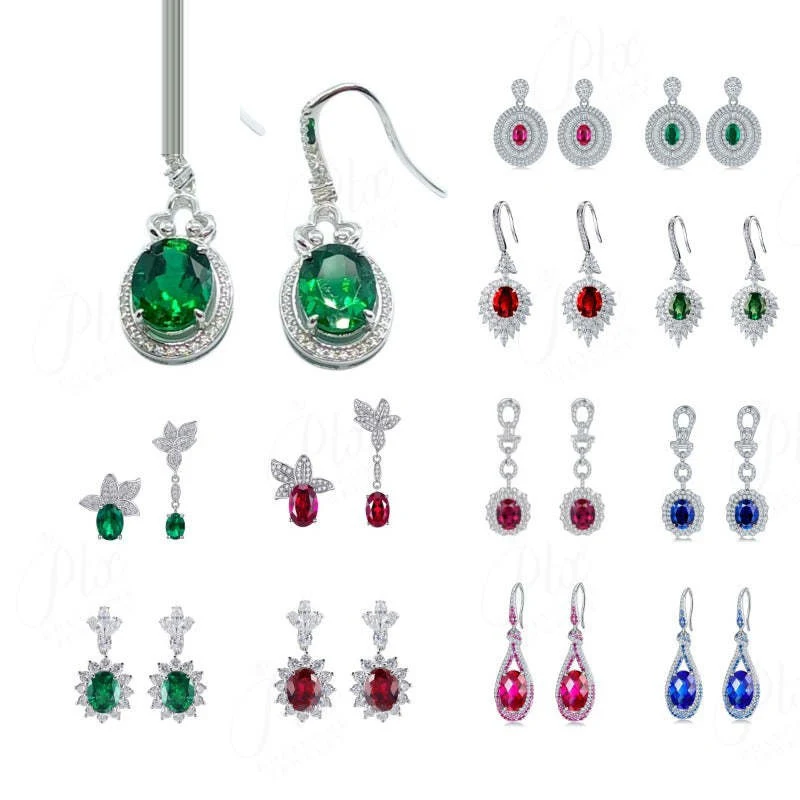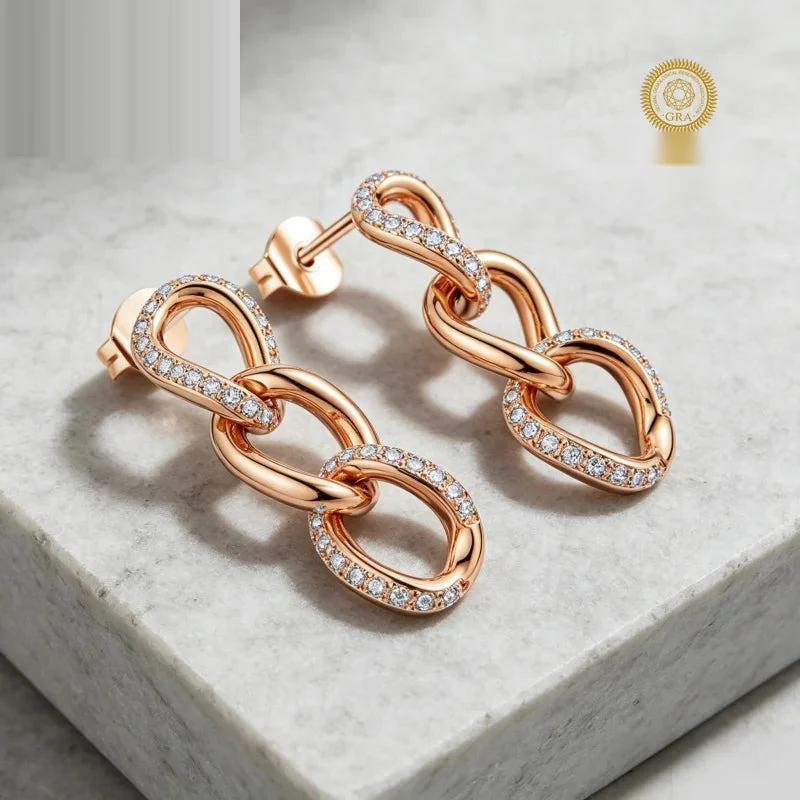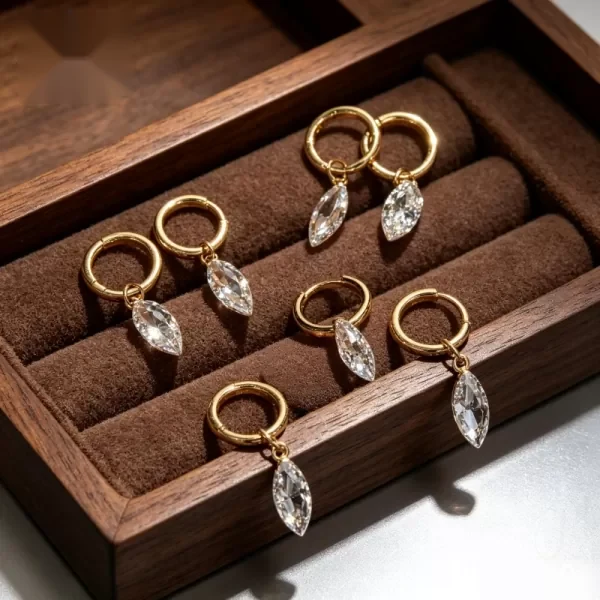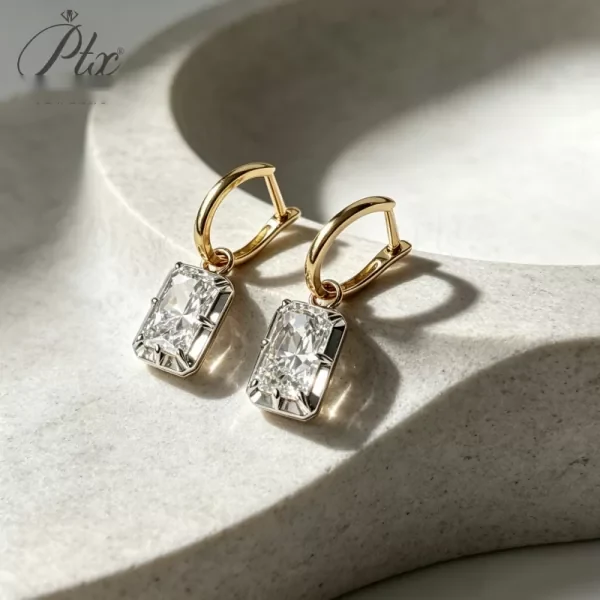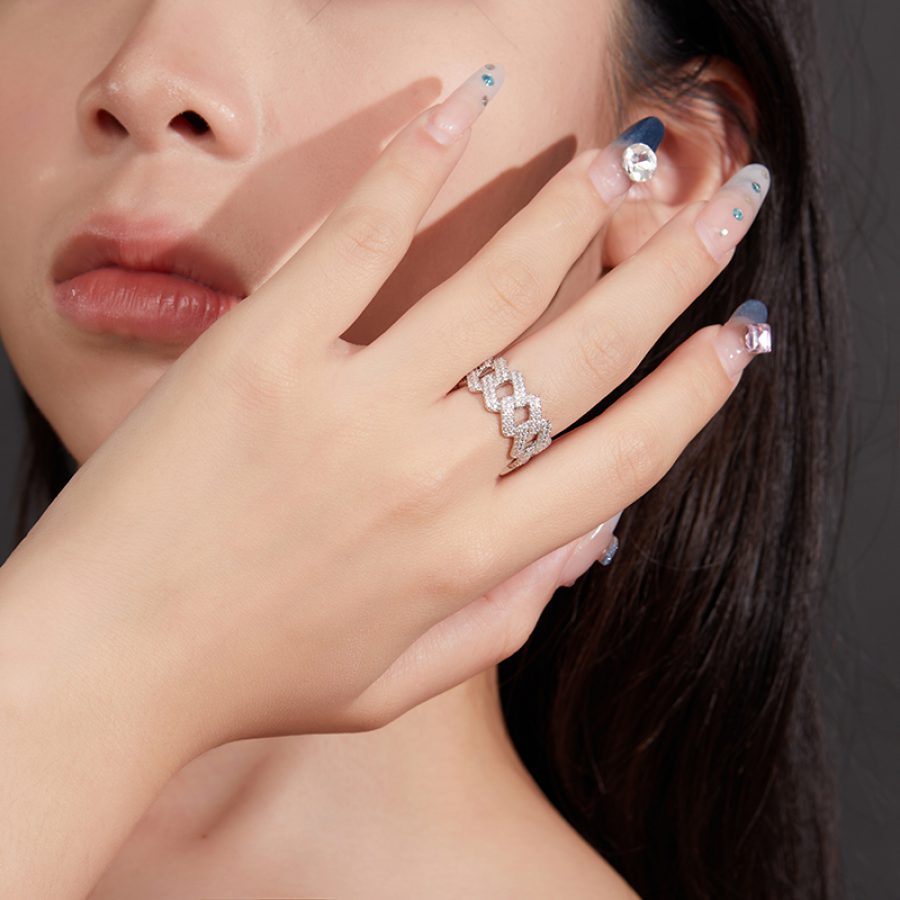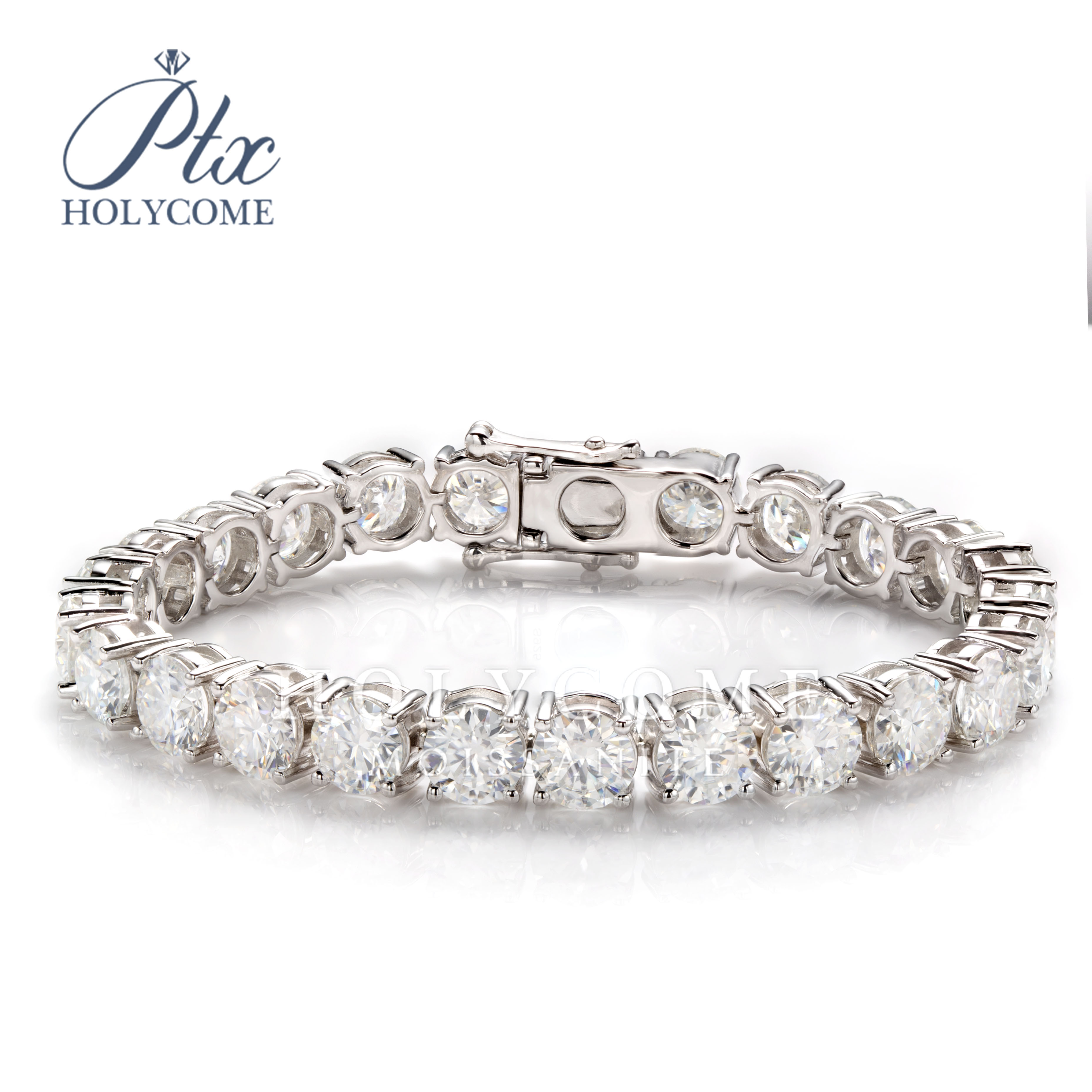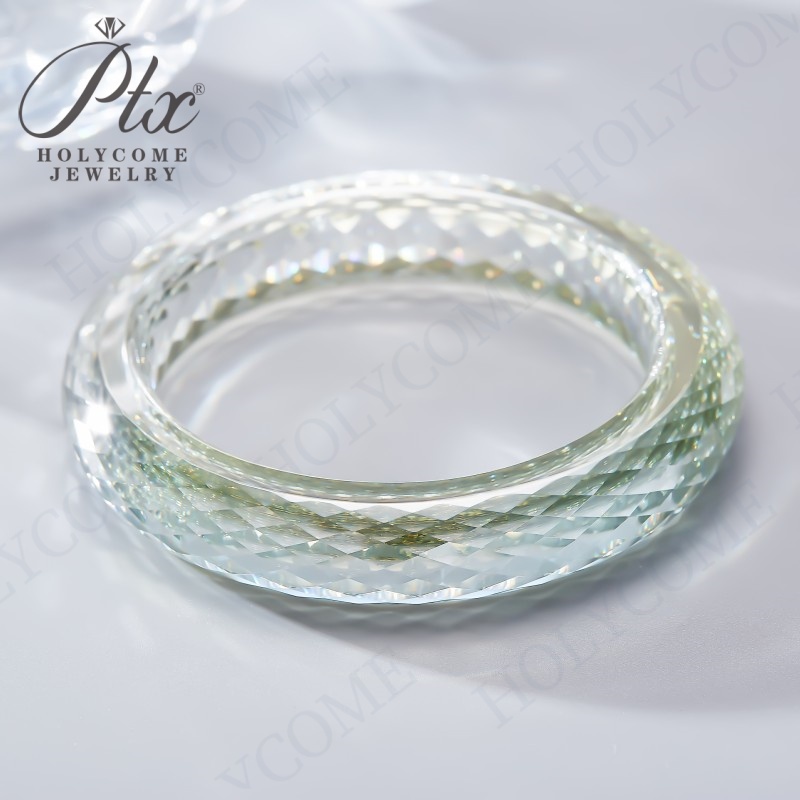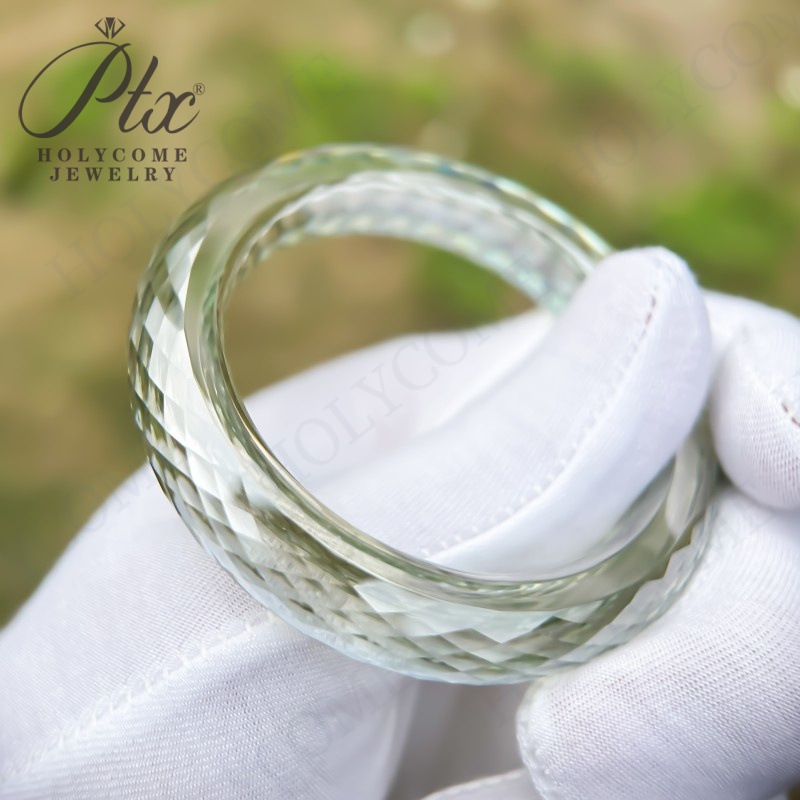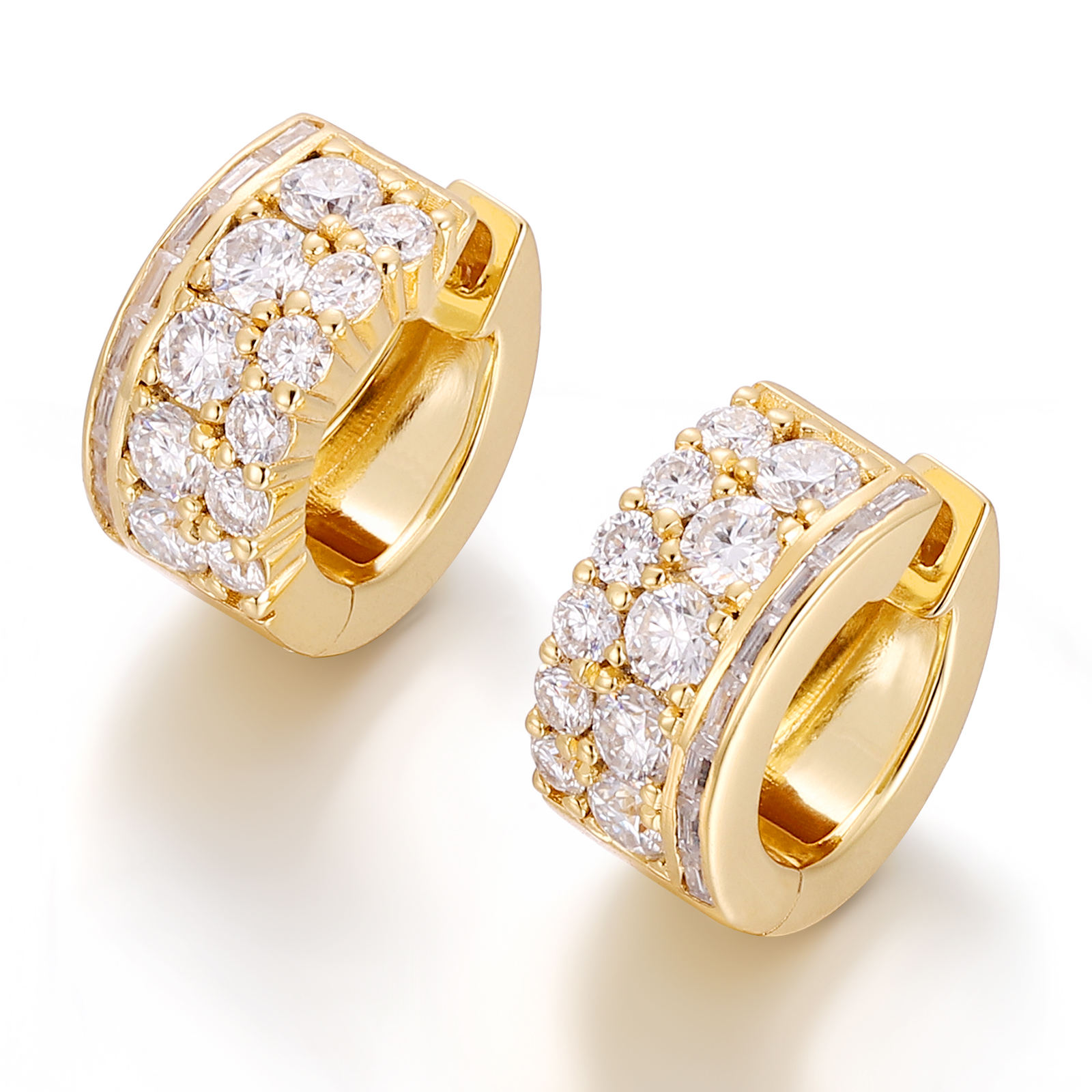
The setting is what customers remember, not the stone. Two moissanite rings with the same center stone can sell for very different prices depending on the mounting. For wholesale buyers, understanding the main setting styles is how you build a bridal line that covers every taste without overstocking.
Solitaire: the timeless baseline
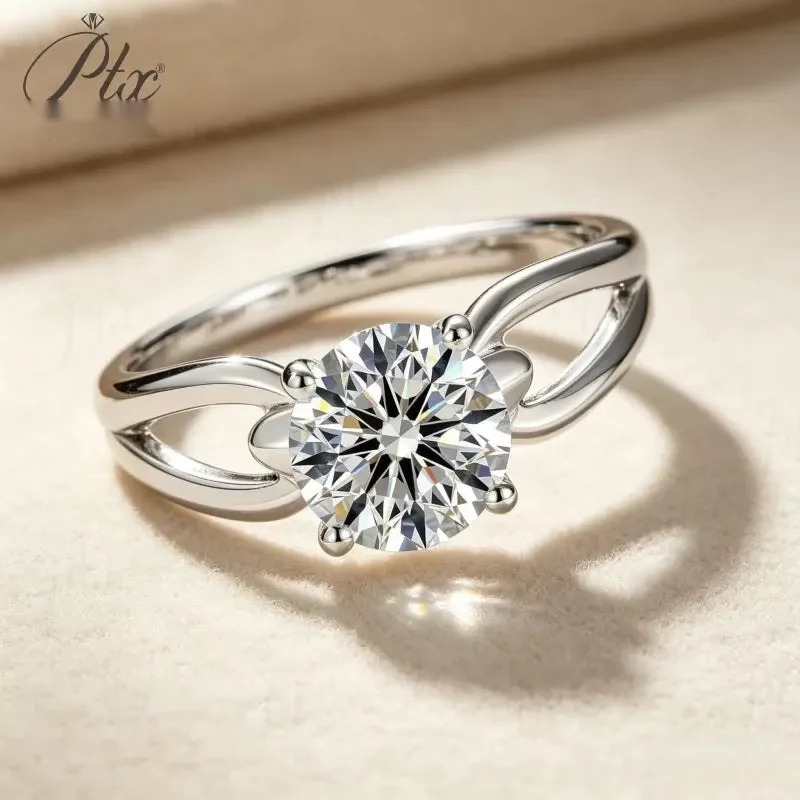
A solitaire puts all attention on the center stone. Four-prong settings show more of the stone, while six-prong settings hold it more securely and read as a classic diamond look. Solitaires are the easiest to size, the easiest to photograph, and the easiest for customers to understand. They should make up roughly a third of any bridal ring order. If you are comparing stone quality, our moissanite grading guide pairs well with this setting conversation.
Halo: maximum sparkle for the carat
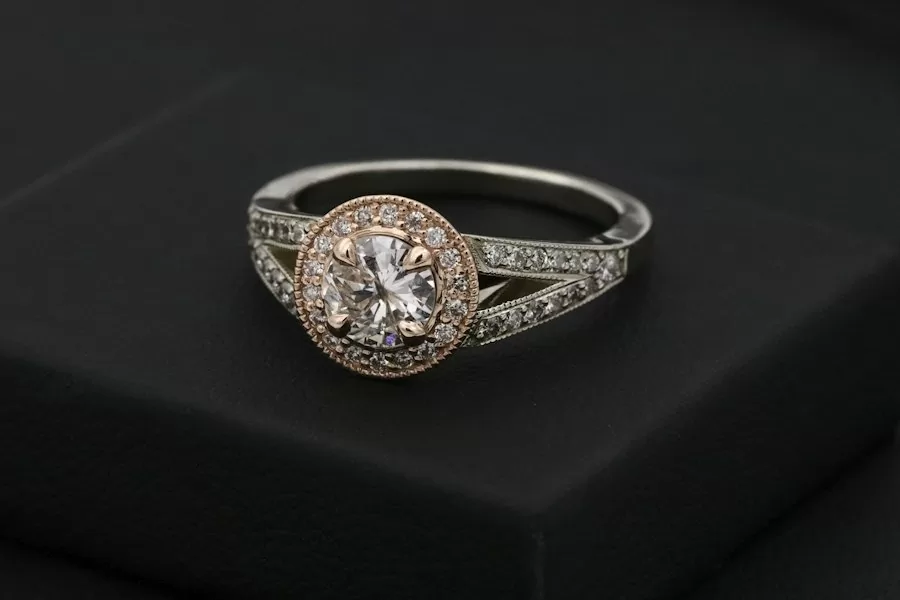
A halo surrounds the center stone with a ring of smaller moissanites, making a 1 carat center look like a 1.5 carat. That visual upgrade is why halos dominate the budget bridal segment. They photograph spectacularly, which matters because most engagement ring shopping now happens on a phone screen. Stock both classic halos and pavé halos, where the side stones continue down the band.
Three-stone and bypass settings
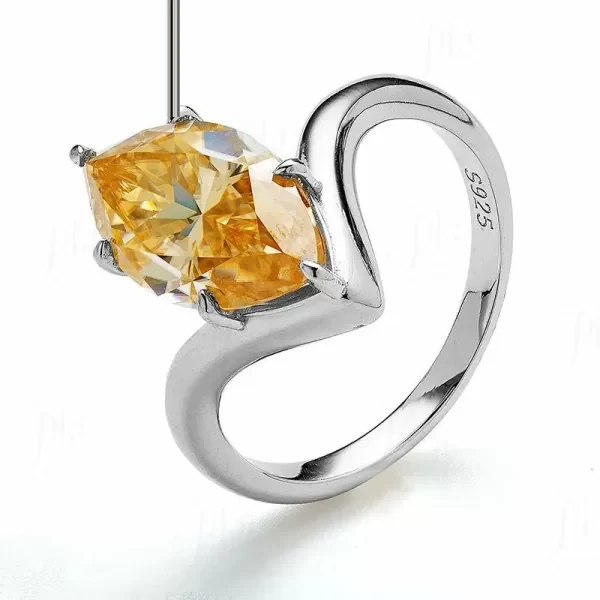
Three-stone rings carry a sentimental story (past, present, future) and sell well to customers who want something with meaning. Bypass settings twist two bands around the center stone for a contemporary look. Both styles move slower than solitaires and halos, but they also face less direct price comparison online, which protects your margin.
Bezel and tension settings
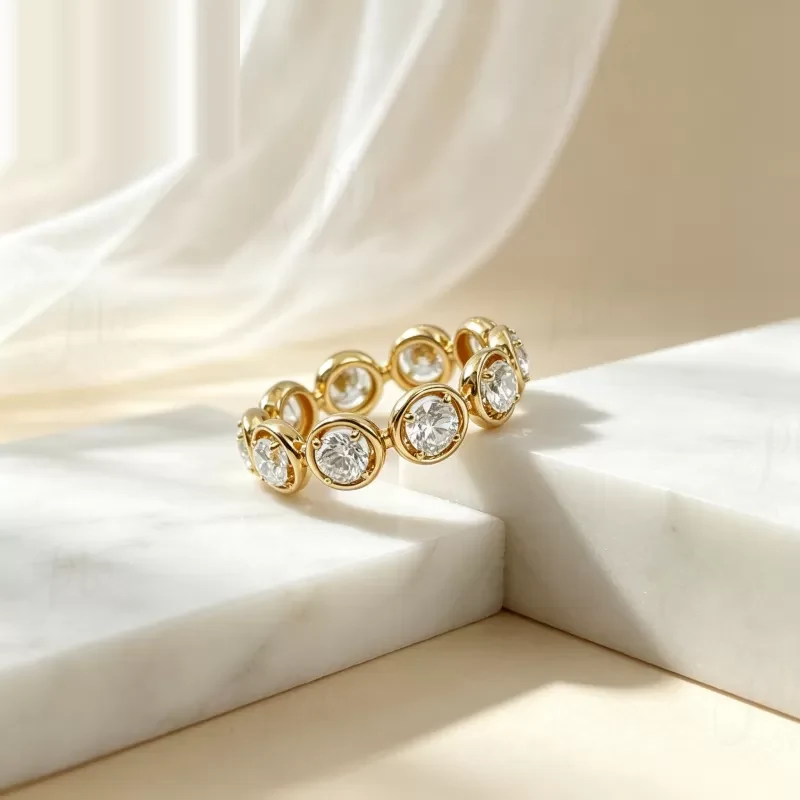
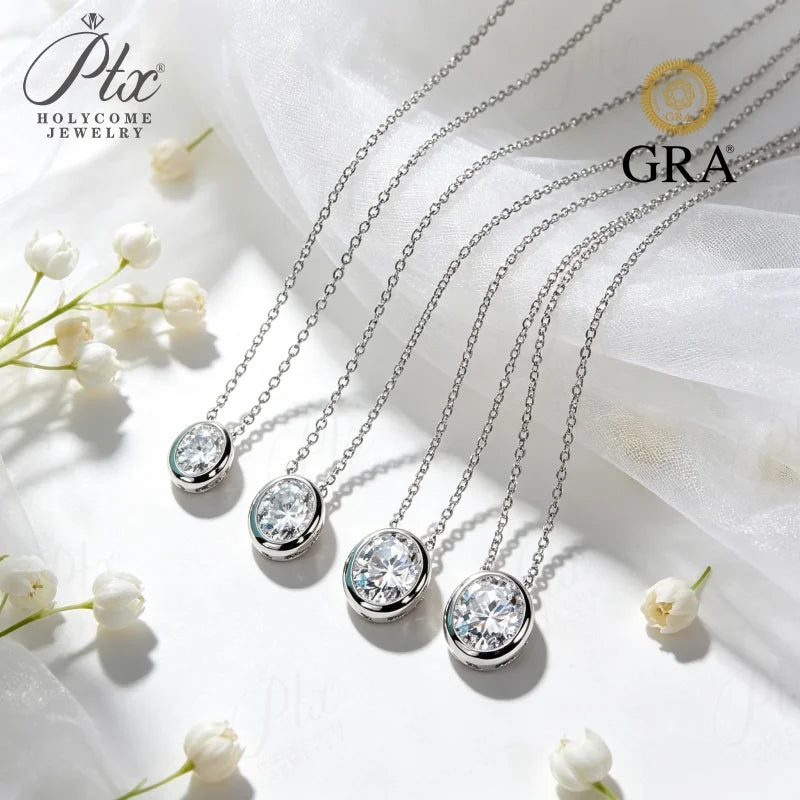
A bezel setting wraps a metal rim around the stone, which protects it from knocks and suits customers with active lifestyles. Bezel settings read modern and are popular with men's bands and with shoppers who work with their hands. Tension settings use pressure to hold the stone, but they are harder to repair and less common in wholesale moissanite; skip them unless a customer specifically asks.
Cathedral, solitaire-plus and twisted shanks
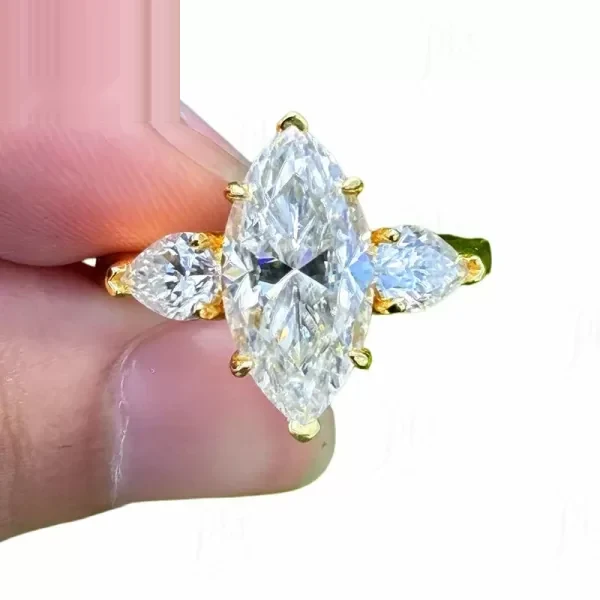
Cathedral settings lift the center stone above the band for an elegant profile. Twisted shanks add texture and pair well with pear and marquise stones. These details are what separate a mid-range ring from a cheap one, and they are worth paying a small premium for at the supplier level because customers notice them.
Stocking a starter bridal wall
For a first bridal order, aim for a small, coherent wall rather than a grab bag. Pick one center-stone size (say 1 carat), offer it in three settings (solitaire, halo, three-stone), and offer each in white and one warm tone. That gives customers six combinations to choose from without tying up cash in thirty SKUs. Once you see which setting customers gravitate to, expand around that winner next season.
Center stone security and prong work
No matter how beautiful the setting looks, a loose center stone is the fastest way to lose a customer. When you inspect samples, push gently on the stone from the side with a toothpick. Any tiny movement means the prongs are not fully seated. Cheap factories rush prong work, and a stone that wobbles in the showroom will fall out in a month. Pay the small premium for a factory that tightens and polishes every prong by hand. It is invisible in the photo but it shows up in your return rate.
Metal tone and the modern bridal customer
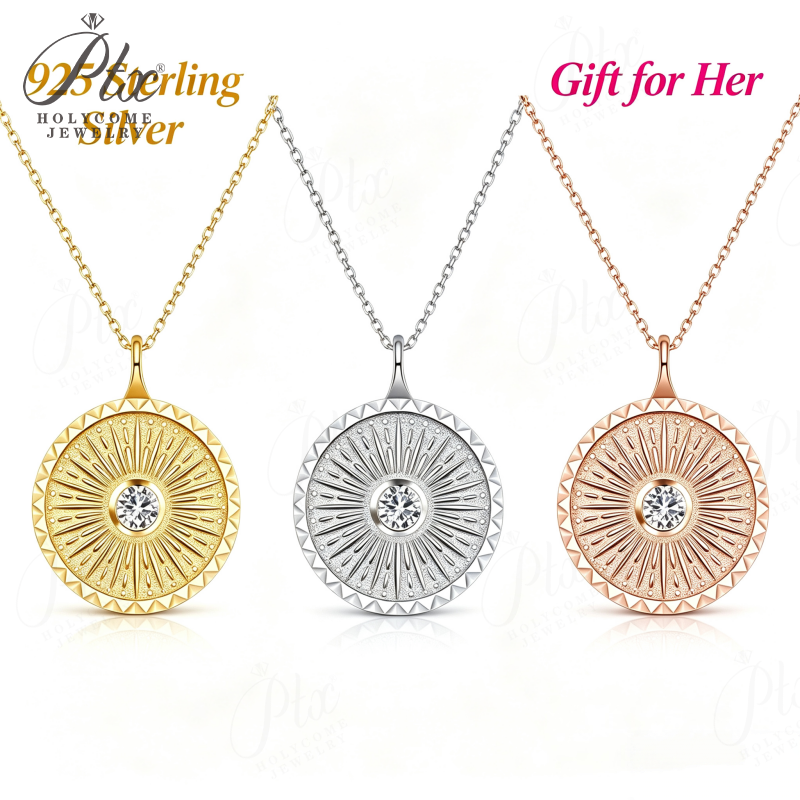
White gold and platinum-look finishes still dominate engagement rings, but two-tone settings, where a rose or yellow gold band meets a white halo, have grown noticeably. They read distinctive in a crowded feed and let customers match a ring to a mixed-metal jewelry wardrobe they already own. Stock a handful of two-tone settings if your customer skews contemporary; they are a small share of inventory but punch above their weight in social engagement.
Sizing and resizing
Before you order, confirm which settings can be resized. Halo and pavé bands with stones all the way around are hard to resize without replacing stones. A plain shank solitaire resizes easily. If your customer base includes a lot of uncertain ring sizes, bias toward plain-shank settings. Our ring sizing guide covers the measurement side.
When in doubt, start with a plain-shank solitaire in white tone. It is the easiest setting to photograph, resize and pair, and it gives new customers a baseline to compare every other style against.
Pair with a wedding band
A setting that does not sit flush against a wedding band creates a real customer complaint. Ask the supplier whether a matching band is available and whether the two rings sit flush. Selling a bridal pair raises average order value substantially; see our bridal sets wholesale guide for how to structure the offer.
The Gemological Institute of America’s gem encyclopedia is an authoritative, widely cited reference on moissanite and diamond quality factors.
Frequently Asked Questions
Is moissanite a good diamond alternative for retail buyers?
Yes for price-sensitive customers who want brilliance and hardness. Moissanite ranks 9.25 on the Mohs scale, holds up to daily wear and costs a fraction of a natural diamond of the same size, so it resells fast in bridal and fashion lines.
What is the minimum order for wholesale moissanite?
MOQ starts at 50 pieces per design for stock items. Custom cuts and private-label settings usually start at 100–300 pieces depending on the mold.
Do you provide certificates with moissanite stones?
Yes. Every parcel ships with GRA or IGI documentation listing carat weight, color grade and cut. We recommend passing the certificate to your end customer for trust.
How long does sample and bulk production take?
Samples ship in 3–5 days. Bulk runs take 15–20 days under 500 pieces, and 25–30 days for custom work.