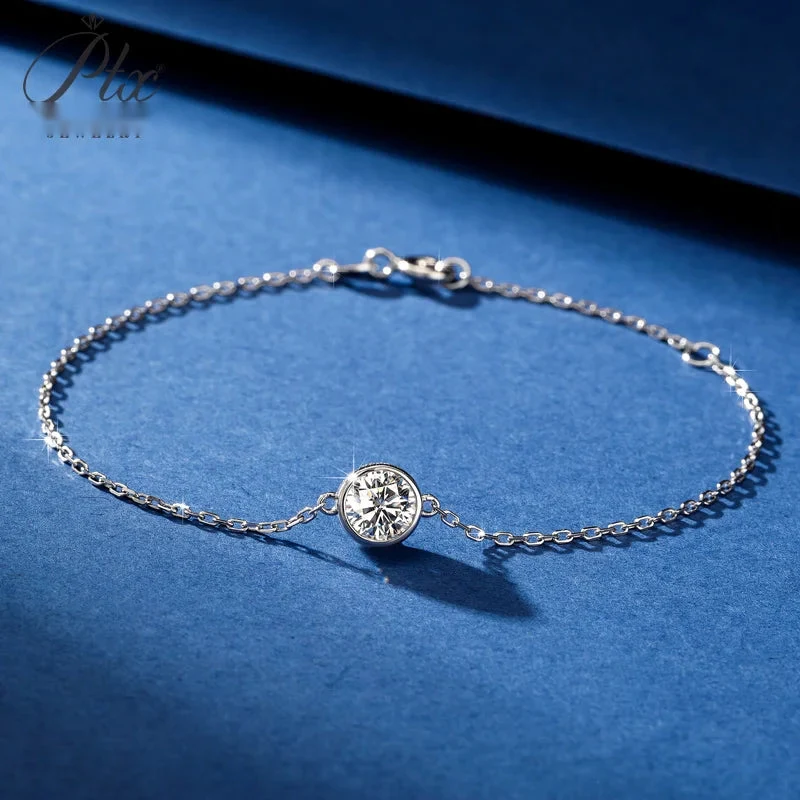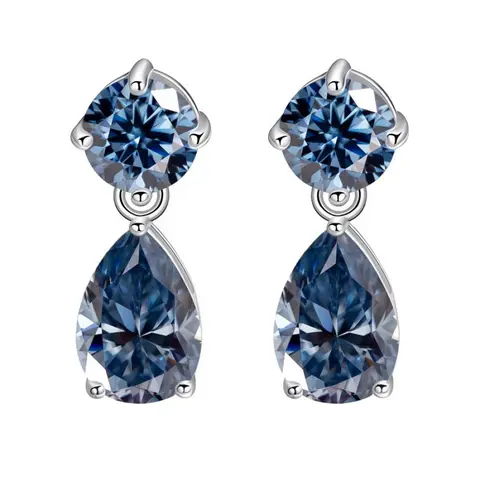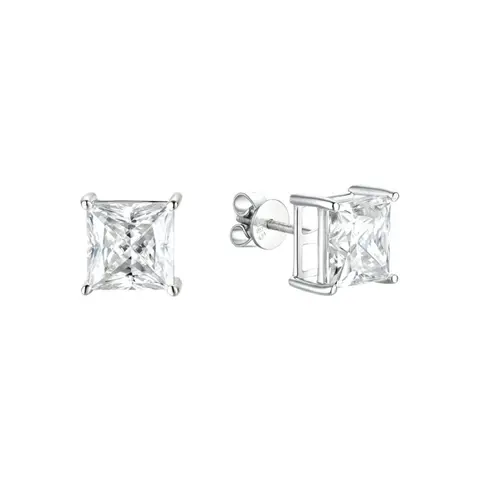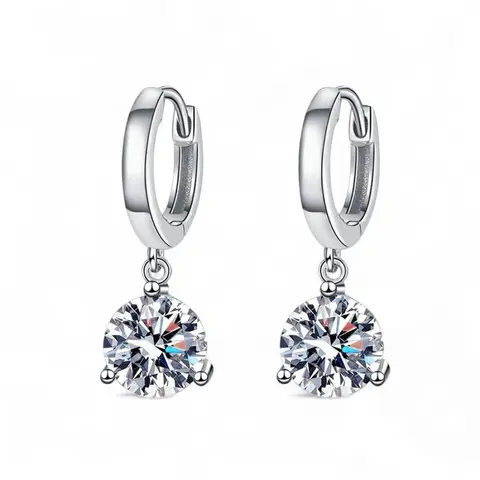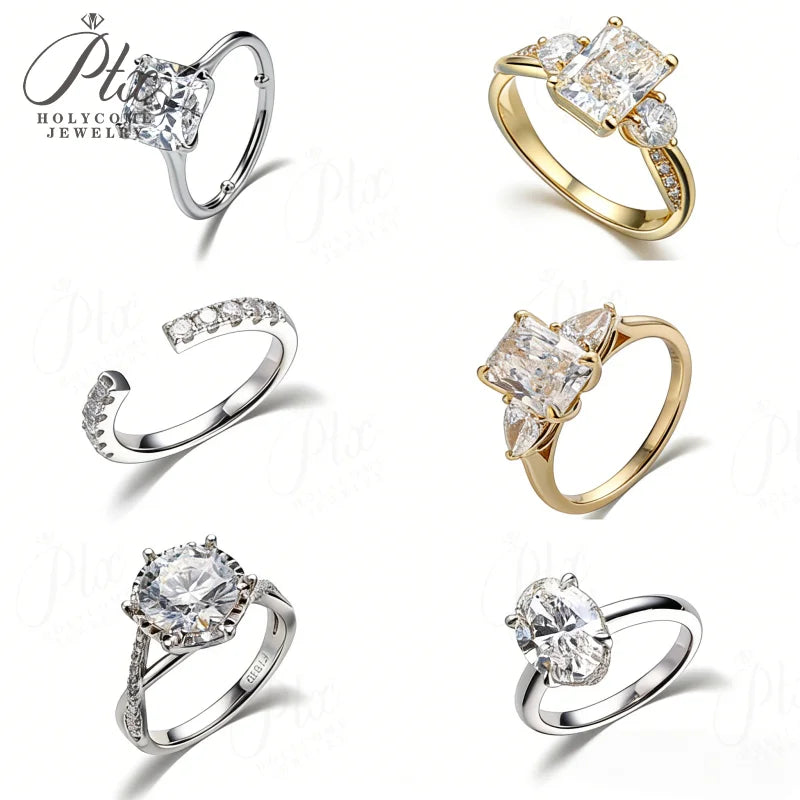
A US-based bridal brand approached us in late 2024 with a quality problem. They were sourcing moissanite rings from three different Guangzhou factories to hit their volume targets, but they could not keep consistency across suppliers. Rings from Factory A had noticeably thinner prongs than Factory B. Stones from Factory C were consistently one color grade darker than specified. Sizing was inconsistent—rings marked size 7 from one factory ran large; the same size from another ran small. Their return rate hit 6.2% and customer reviews mentioned inconsistent quality. They consolidated production with us in January 2025. We produced 2,800 rings across 12 styles in 14K white gold, all from a single production line with standardized prong thickness, color-matched stones from one lot per SKU, and size verification on every ring. Their return rate dropped to 0.8% within two shipments.
Choosing a moissanite ring manufacturer is one of the highest-stakes decisions a jewelry brand makes. Rings are the flagship product for bridal brands; they carry the highest price points, the highest customer expectations, and the highest return risk when quality slips. All moissanite ring factories look similar from a website—photos of clean workshops, claims of 20 years experience, promises of OEM/ODM service. The difference is in the specific production details: how they cast, how they set stones, how thick they make prongs, how they verify sizing, how they test stone security. This guide walks through what a competent moissanite ring manufacturer actually does on the production floor and how to evaluate manufacturers on the factors that matter, not the marketing claims.
What Differentiates a Competent Moissanite Ring Manufacturer
Ring manufacturing has specific production stages that separate factories producing premium quality from those producing mass-market commodity product. The differences show up in concrete process choices, not polished marketing copy.
Casting Quality and Porosity Control
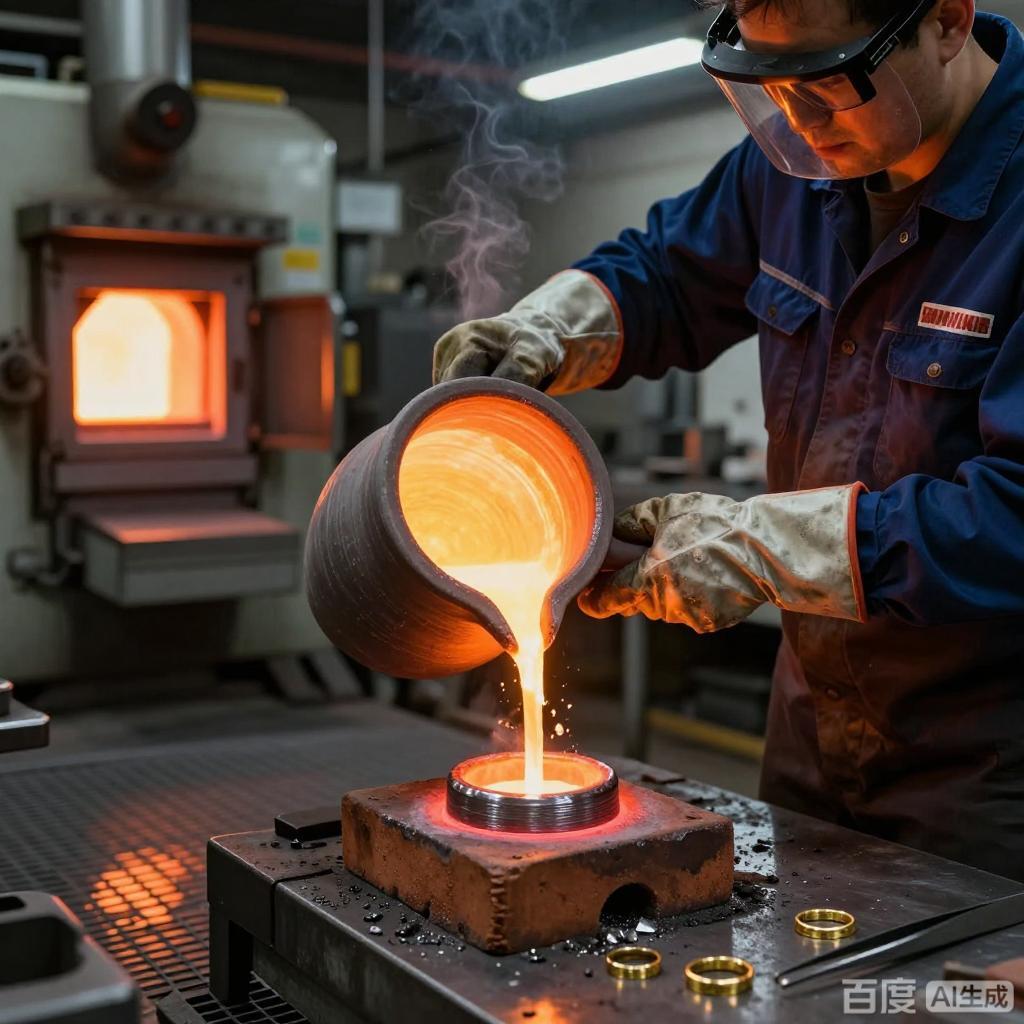
Porosity is the number one structural defect in cast rings. Porosity appears as tiny internal voids in the metal, usually in prong tips, shank bottoms, and around setting heads—precisely the places that take the most stress in daily wear. Porous prongs crack and break; porous shanks bend easily. Porosity is caused by poor casting practice: casting metal too hot, failing to degas the metal before casting, using old/recycled metal without proper refining, quenching flasks too early, or using cheap investment powder.
Good manufacturers control porosity through several practices: they use new casting grain (not 100% recycled scrap without refining), they cast under vacuum or protective atmosphere, they follow computer-controlled burnout cycles for their flasks, they use premium investment powder, and they X-ray sample pieces from every casting batch for internal porosity. Our factory casts all 14K gold under argon shielding and ultrasonic-tests three random pieces per flask for porosity before pieces move to prepping. View our ring manufacturing facility for a closer look at our casting line.
Prong Design and Thickness Standards
Prong thickness is the most visible difference between premium and cheap ring manufacturing. Thin prongs look delicate and elegant in product photos, but they bend under daily wear and eventually fail, losing the center stone. Many factories cut prongs too thin because it saves metal and creates a daintier look in photos, knowing the failure will happen months after delivery when the customer (not the factory) bears the cost.
Our minimum prong thickness standards are based on center stone size and metal type:
| Center Stone Size | 14K Gold Minimum Prong Thickness | Silver Minimum Prong Thickness | Defect Risk If Thinner |
|---|---|---|---|
| Under 5mm (0.5ct) | 0.9mm at tip, 1.4mm at base | 1.1mm at tip, 1.6mm at base | High (prone to bending) |
| 5-7mm (0.5-1.3ct) | 1.1mm at tip, 1.6mm at base | 1.3mm at tip, 1.8mm at base | Medium-High |
| 7-9mm (1.3-2.7ct) | 1.3mm at tip, 1.9mm at base | 1.5mm at tip, 2.1mm at base | Medium |
| 9-11mm (2.7-5ct) | 1.5mm at tip, 2.2mm at base | 1.7mm at tip, 2.4mm at base | Medium-Low |
| Over 11mm (5ct+) | 1.7mm at tip, 2.5mm at base | Not recommended in silver | Low (if thick enough) |
These are minimums. Prongs can always be made thicker for clients who want extra durability or who serve customers with very active lifestyles. We do not produce rings with prongs below these minimums even when requested, because we know they will fail. Brands that want ultra-thin prongs for aesthetic reasons should be aware that they are trading durability for appearance and should plan for prong retipping as a standard customer service cost. GIA provides guidance on prong coverage requirements for secure gemstone setting.
Stone Sourcing, Matching, and Setting
A moissanite ring is only as good as its stones. The moissanite itself must be well-cut (proper faceting for maximum light return), color-matched (center to accents, and across pairs for earrings), and securely set. We source D/VVS1 premium grade moissanite as our standard, with tight cut parameters (table 53-57%, depth 60-63% for rounds, optimized angles for fancy cuts). Every stone lot is inspected on arrival for cut quality, color consistency, and calibration.
Setting quality depends on setter experience, which varies dramatically between factories. A master setter with 8+ years of experience produces cleaner seats, tighter prong fit, and lower stone-loss rates than an apprentice with 1-2 years experience. Our ring setting team has 28 setters with an average 7 years of experience, including 6 master setters with 12+ years who handle complex settings (pavé, tension, invisible). We pay premium wages to retain experienced setters—this is one of the most important investments a ring manufacturer can make. After setting, every stone is probe-tested with a fine steel tool under 10x magnification to detect any looseness. Explore our moissanite ring production catalog for current designs and capabilities.
Ring Sizing Accuracy
Sizing inconsistency is a common complaint about offshore ring manufacturers. A ring that is supposed to be size 7 but measures 6.75 or 7.25 causes immediate returns—customers cannot wear a ring that does not fit. Sizing errors happen when half-finished rings are measured before polishing and plating (both of which remove 0.1-0.2mm of metal, reducing the size slightly), when mandrels are not calibrated, or when workers rush through sizing checks.
Our sizing process: after final polish and plating, every ring is measured on a calibrated steel ring mandrel with a ring size gauge. Sizes must be within ±0.25 US sizes of ordered size; outside tolerance rings are stretched or compressed to correct size on a ring stretcher/reducer. We use calibrated mandrels checked monthly against a master ring set certified to US ring sizing standards. We produce and stock all sizes from US 3 to US 12 including half sizes; standard production covers sizes 4-9 for most designs, with extended sizes available at no extra cost.
Finish and Plating Consistency
The visual finish of a ring—the smoothness of the shank, the crispness of edges, the brightness of the polish, the consistency of plating—is what customers see first, and it is where cheap factories cut corners. Rush polishing rounds off edges, leaves file marks, and thins prong tips. Thin rhodium plating wears off in weeks. Proper polishing takes 5-8 minutes per ring across three stages (tripoli for cutting, white diamond for intermediate polish, rouge for final luster) with hand detailing on prongs and setting heads.
Our rhodium plating for white gold and silver is applied at 0.5-1.0 microns with a palladium barrier underneath (nickel-free for EU compliance). Plating thickness is verified weekly with XRF testing to ensure consistency. Plating applied too thin wears off quickly; plating applied too thick builds up in crevices and looks dull. We also offer matte, brushed, sandblasted, hammered, and two-tone finishes for brands that want distinctive looks. Read about our ring finish quality standards.
Production Capacity and Lead Times
Understanding a manufacturer's actual production capacity prevents missed deliveries during peak season. Our Wuzhou facility produces 15,000-20,000 rings per month across all metal types, with dedicated production lines for:
- 925 silver rings: 8,000-12,000 pieces/month, standard lead time 18-22 business days
- 14K gold rings (all colors): 5,000-8,000 pieces/month, standard lead time 22-28 business days
- 18K gold and platinum: 1,000-2,000 pieces/month, standard lead time 28-35 business days
- Custom design rings (CAD to bulk): 8-10 weeks from design approval to delivery
During Q4 (September-November), we scale ring capacity to 25,000+ pieces/month through extended shifts and additional setters. We recommend placing Q4 orders by late July to guarantee holiday delivery. Rush production is available at 20% premium for 14-18 business day delivery on silver and 18-22 business days on gold, subject to capacity availability at time of order. See our production scheduling page for planning details.
Ring Manufacturer Audit Checklist
When evaluating a moissanite ring manufacturer, these concrete questions reveal more than factory photos or claims of "high quality":
- What is your minimum prong thickness for a 1ct (6.5mm) solitaire in 14K white gold? (Good answer: 1.1mm at tip, 1.6mm at base minimum)
- Do you X-ray or ultrasound test castings for porosity? How many pieces per batch? (Good answer: random sampling per flask, or 100% for premium lines)
- How many years of experience do your setters have on average? (Good answer: 5+ years average, master setters for complex work)
- When are rings sized—before or after polishing and plating? (Good answer: final size verification after all finishing)
- What is your rhodium plating thickness? (Good answer: 0.5-1.0 microns)
- How do you test stone security after setting? (Good answer: every stone probe-tested under magnification, pull-test on prongs)
- What is your outgoing defect rate? (Good answer: under 1%)
- How do you handle warranty claims on manufacturing defects? (Good answer: replacements within 12 months, free)
- Can you provide three brand references in our market segment? (Good answer: yes, with contact permission)
- What is your standard tolerance on ring sizing? (Good answer: ±0.25 US sizes)
Factories that cannot answer these questions specifically, or that give vague answers like "we make high quality" without details, are usually cutting corners in production. We provide detailed answers to all of these questions in our factory audit document, available on request. Our case studies page shows specific examples of brand production partnerships.
Frequently Asked Questions
Q: What is your MOQ for moissanite rings?
A: 30 pieces per style for stock designs in 925 silver, 50 pieces per style for stock designs in 14K gold. Custom design MOQ is 50 pieces per style. Sample orders (1-5 pieces) are available at sample pricing for quality evaluation before bulk orders. Mixed-style orders are accepted with minimum 10 pieces per style for silver, 20 per style for gold.
Q: Can you produce rings with our brand stamp and custom packaging?
A: Yes. We apply customer brand stamps on the inside of ring bands at no extra charge for orders over 100 pieces (smaller orders incur a one-time $50 stamp setup fee). Custom packaging (branded ring boxes, pouches, care cards, polishing cloths) is available for orders over 200 pieces. We also offer laser engraving inside bands (personalized names, dates) for custom orders.
Q: Do you provide certificates for moissanite stones?
A: Yes. Every moissanite center stone over 0.5ct comes with a GRA (Gemological Research Association) certificate by default, confirming color grade, clarity, cut, and carat weight. IGI and GIA reports are available for lab-grown diamond pieces at additional cost ($25-60 per stone depending on size). Certificates are matched to individual stones by laser inscription on the girdle.
Q: How do you handle sizing exchanges or defective rings?
A: Manufacturing defects (loose stones, broken prongs, plating failure, structural defects) are replaced free of charge within 12 months of delivery, including shipping. Sizing exchanges for stock-sized rings are accepted within 30 days of delivery for unworn pieces; we resize or replace at no charge for the first exchange, with customer covering shipping. We recommend that brands order size sets (physical ring samples in all sizes) so their customers can be sized accurately before purchase.
Q: Can you make rings with customer-supplied stones or metal?
A: Yes. We accept customer-supplied moissanite, lab diamonds, colored gemstones, and recycled gold. Customer-supplied materials are inspected and documented on arrival; pre-existing defects are noted before production begins. Customer-supplied stones carry no replacement warranty if damaged during setting, though moissanite and diamond are extremely durable and rarely break in setting. Softer stones (opal, pearl, emerald) carry setting risk that we discuss upfront.
Q: What information do you need to provide an accurate production quote?
A: For stock designs: design reference or SKU, metal type, stone sizes and quality grade, quantities per size, required delivery date, and packaging requirements. For custom designs: sketch or reference images, stone specifications, metal preference, target retail price (to help us engineer within your cost target), estimated quantity, and timeline. We provide detailed quotes within 48 hours of receiving a complete brief. Contact us via our inquiry form to start.
Key Takeaways for Moissanite Ring Manufacturer Selection
Choosing the right ring manufacturer directly affects your return rate, reviews, and brand reputation:
- Ask specific questions about prong thickness, porosity control, setter experience, and sizing verification—not vague "quality" questions
- Verify plating thickness is 0.5-1.0 microns; thinner plating fails quickly
- Good manufacturers size rings after finishing (not before) and verify every ring on calibrated mandrels
- Ring production capacity of 15,000-20,000 pieces/month indicates a properly scaled facility; claims of 100k+/month usually mean rushed labor
- Request three brand references and actually contact them—ask about defect rates, delivery reliability, and warranty handling
- Place sample orders before committing to large bulk orders to verify quality in person
- Plan Q4 holiday orders by late July to secure production slots
- Manufacturers that refuse to go below minimum prong thickness are protecting your customers—not being difficult
As a moissanite ring manufacturer with 8 years of production experience in Wuzhou and 120+ brand clients worldwide, we built our reputation on transparent communication about our process and consistent quality across orders. We encourage prospective clients to audit our factory (in person or virtually), test sample rings, and speak with existing brand partners before placing bulk orders. If you are looking for a reliable moissanite ring manufacturer that takes responsibility for quality and delivery, we invite you to start a conversation with our production team.