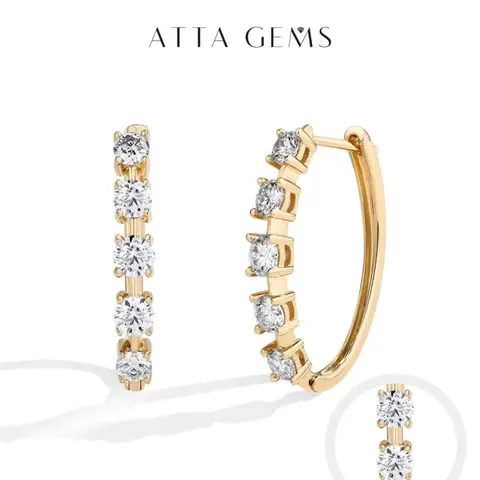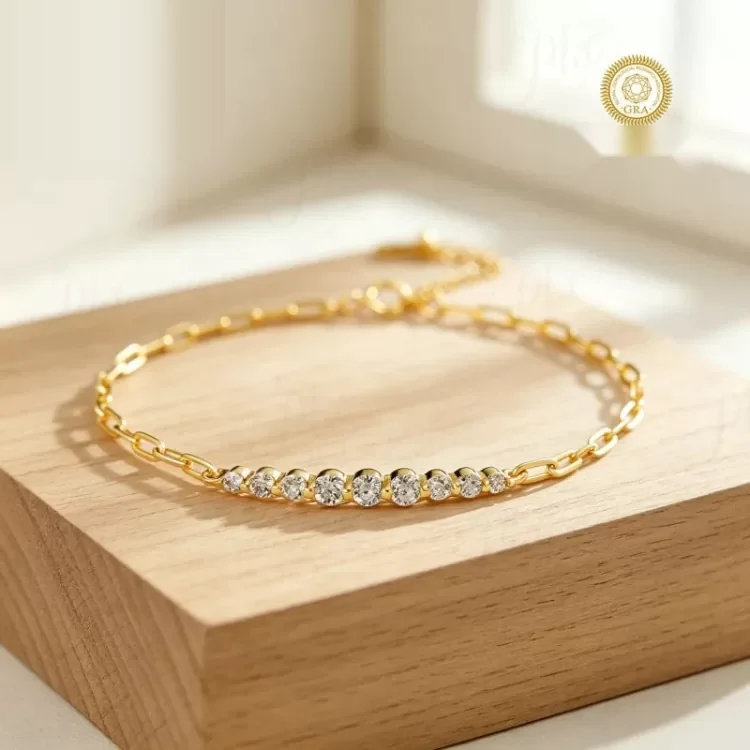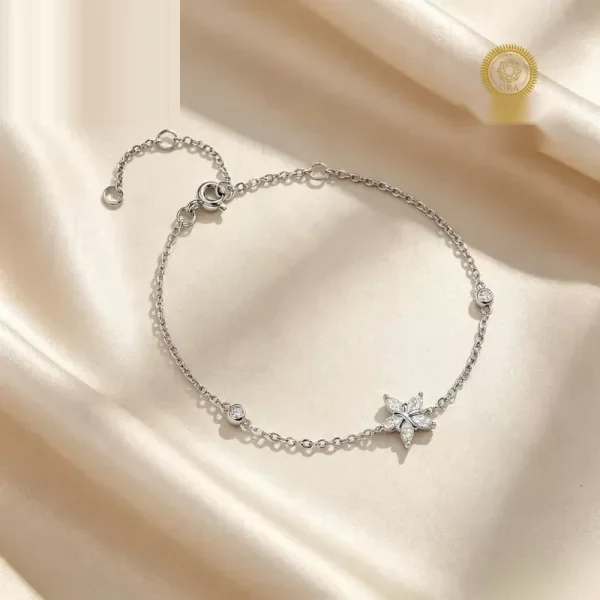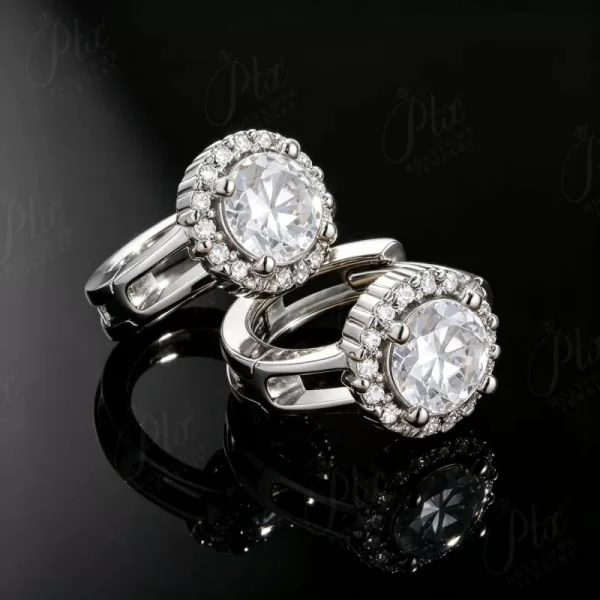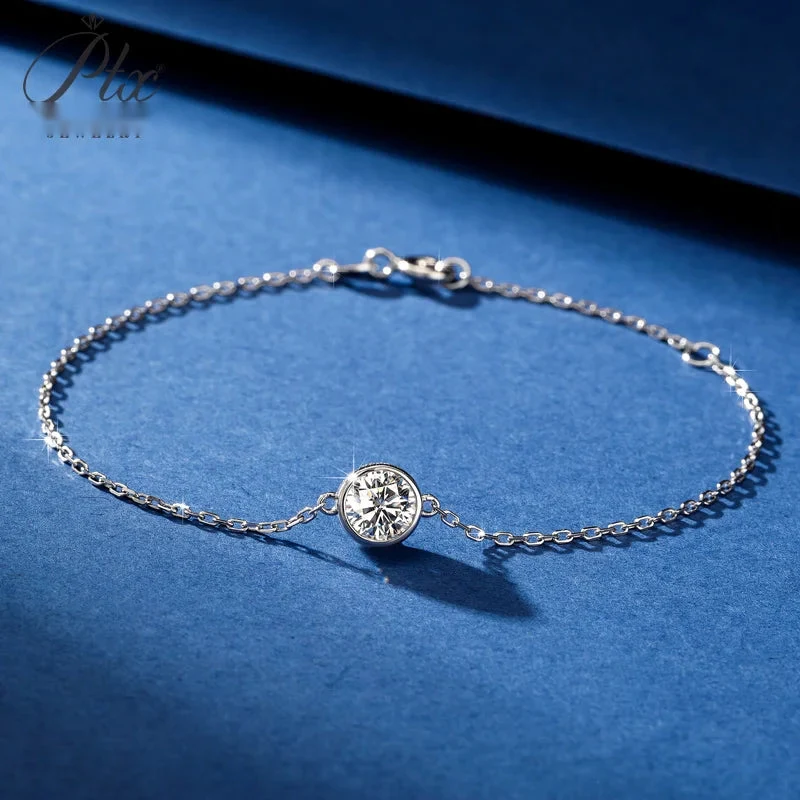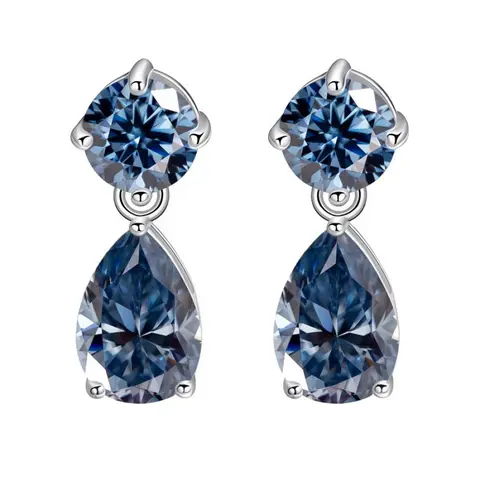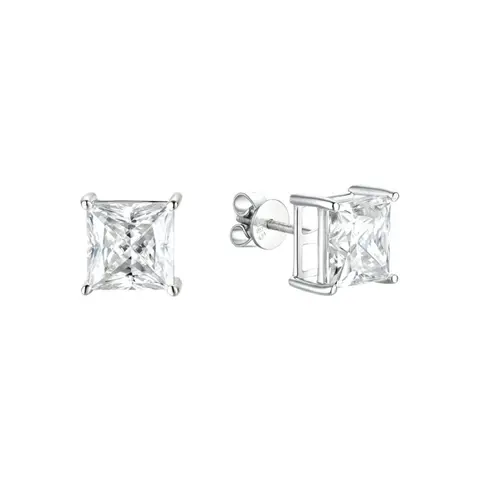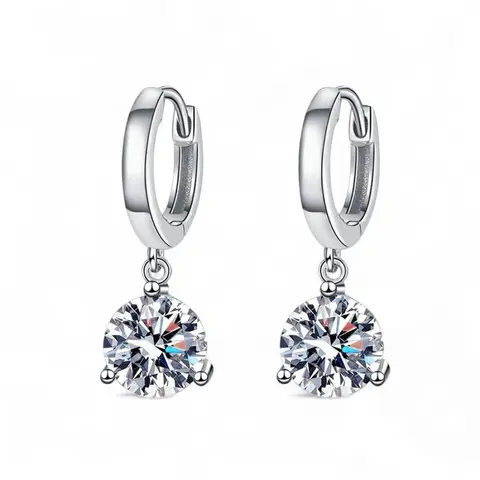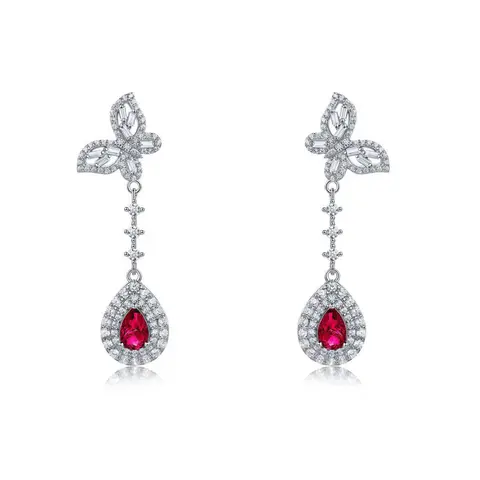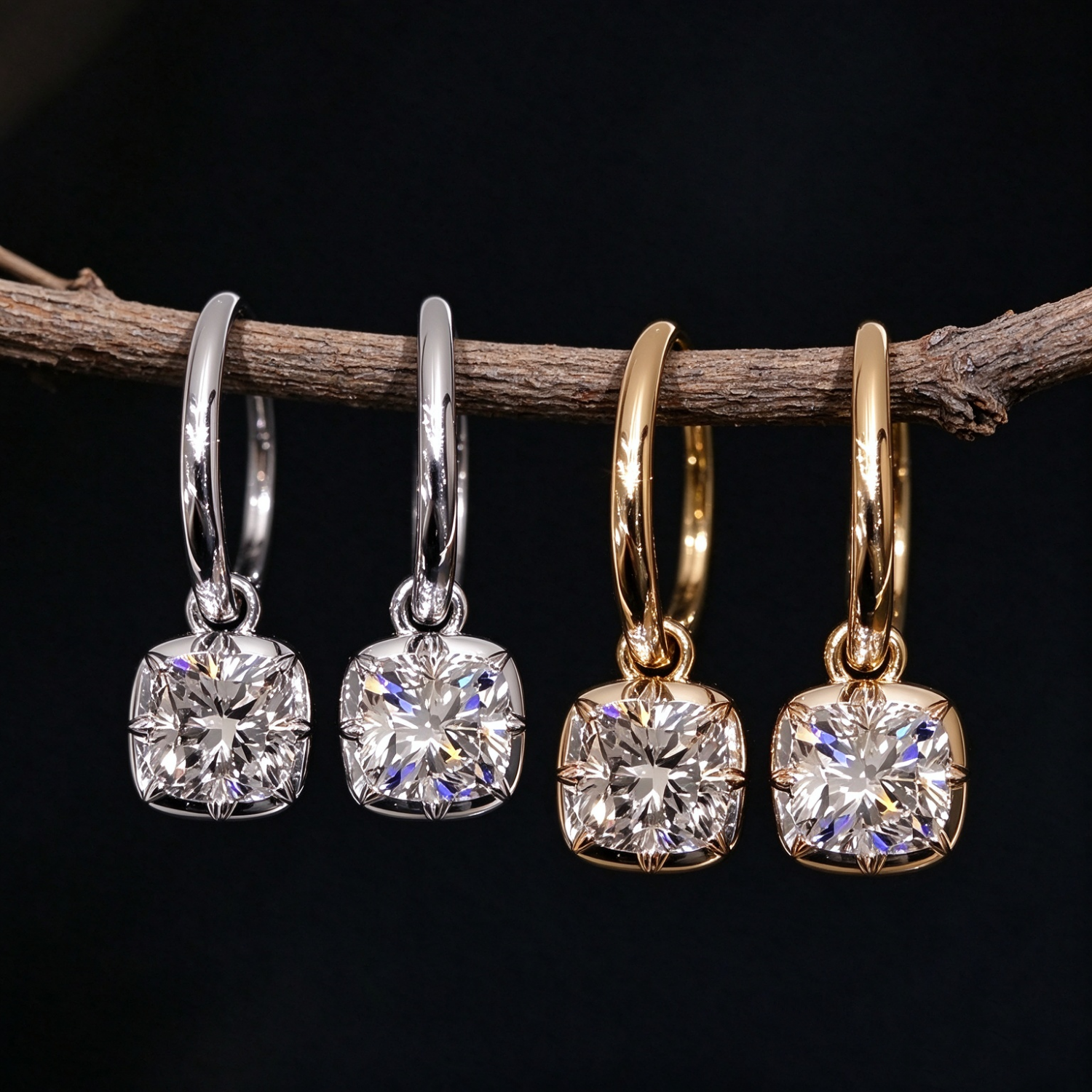
Moissanite ring manufacturing is the most demanding segment of moissanite jewelry production, because rings must withstand daily hand wear—impact with hard surfaces, repeated hand-washing, exposure to chemicals, and the mechanical stresses of gripping, typing, and carrying objects. A well-made moissanite ring lasts decades; a poorly made one loses stones, bends out of round, or wears through its plating within months. At HOLYCOME, moissanite ring manufacturing accounts for approximately 48% of our production volume, with over 280,000 rings produced annually across engagement rings, wedding bands, fashion rings, men's bands, stackables, and custom designs for B2B clients.
This guide walks through the moissanite ring manufacturing process from CAD file to finished ring, detailing casting specifications, setting standards, shank durability, plating, quality control benchmarks, MOQ and pricing, and the specific production variables that separate premium ring manufacturers from commodity producers.
Ring Design and CAD Preparation
Every moissanite ring manufacturing project begins with a validated CAD file. We use RhinoGold and Matrix software (industry standard for jewelry CAD) to build production-accurate 3D models specifying every dimension: shank width and thickness, head height, stone seat depths, prong thickness, gallery design, and finger size. CAD files are reviewed by a senior designer (minimum 6 years ring experience) before moving to production, catching dimension errors that would cause structural weaknesses—such as shanks under 1.3mm thickness at the bottom (which bend easily in daily wear) or prongs under 1.2mm tip thickness (which catch and deform).
For custom designs, we produce physical silver samples for client approval before bulk production. Sample production follows the same workflow as bulk (not separate "hero sample" process), so sample quality reflects actual production quality. Sample fees are 2× unit pricing and fully credited against bulk orders over $1,800 within 60 days.
Casting: Lost-Wax Process for Rings
Rings are cast via lost-wax investment casting, the standard method for quality jewelry production. The process:
| Stage | Specification | Quality Control |
|---|---|---|
| Wax Production | 3D printed or injection-molded wax at 25-micron resolution | Visual inspection for layer lines, dimension caliper check |
| Tree Assembly | Waxes mounted on central sprue; 6–18 rings per tree depending on size | Even spacing for uniform metal flow |
| Investment | Vacuum-mixed investment plaster to eliminate air bubbles | Vacuum chamber ensures porosity-free mold |
| Burnout | 700°C kiln for 10 hours; complete wax elimination | Temperature ramp controlled to prevent flask cracking |
| Casting | Vacuum-assisted centrifugal casting of molten metal | Metal temperature controlled by alloy type |
| Quench & Devest | Water quenching, investment removal via high-pressure water | Visual inspection for incomplete fills or porosity |
Vacuum casting produces denser, less porous metal than traditional centrifugal-only casting. Porosity in castings causes pitting that polishing cannot fully remove and can lead to structural weakness in shanks and settings. Our investment casting vacuum systems run at -0.09MPa to pull air from the mold cavity as metal fills, reducing porosity to under 0.3% per casting (measured via cross-section microscopy during process validation). All alloys used are certified: sterling silver 925 from Umicore and Cookson gold grain; recycled gold options available for sustainable-luxury clients.
Stone Setting: The Most Labor-Intensive Stage
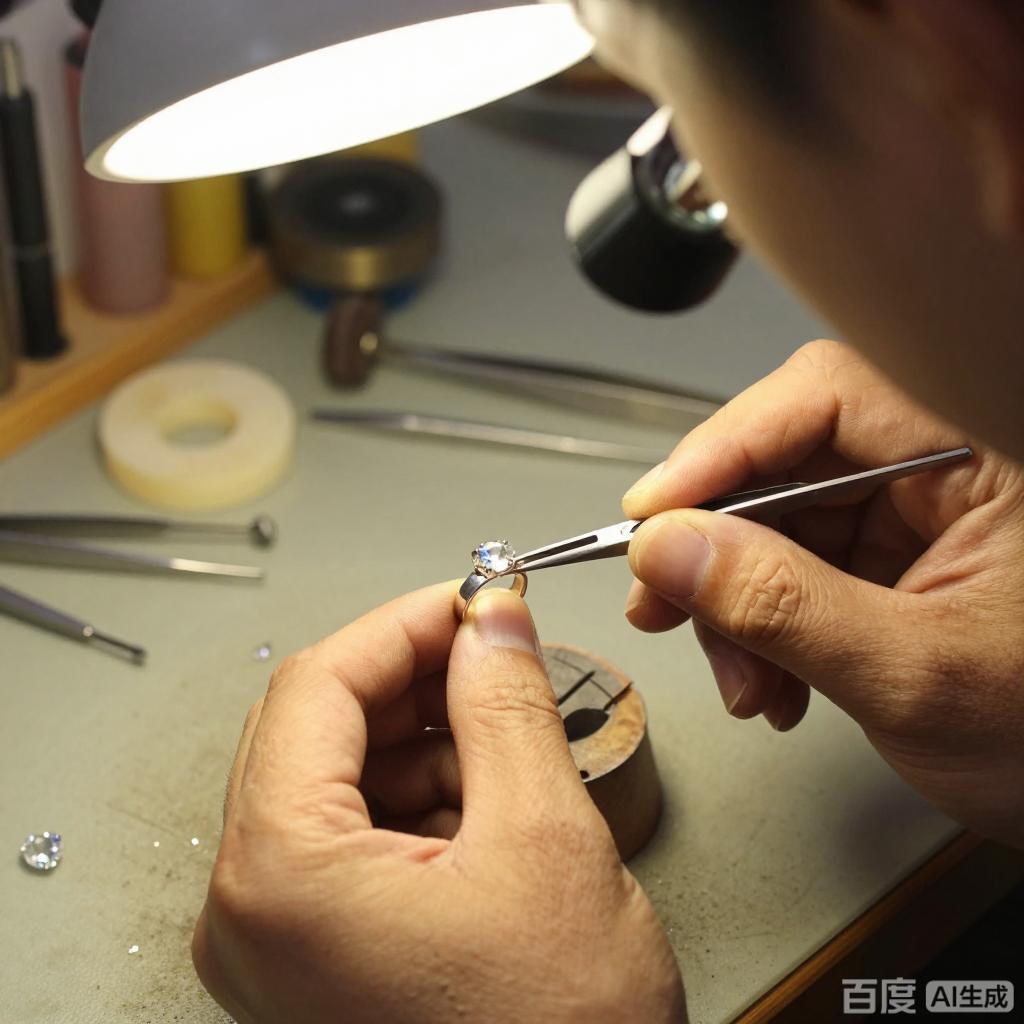
Stone setting is where moissanite ring manufacturing quality is most visible and most labor-intensive. Our setters average 5+ years of moissanite-specific setting experience; new setters undergo a 3-month supervised training program before working on production pieces independently.
Prong Setting
Solitaire engagement rings typically use 4 or 6 prongs. We specify minimum prong tip thickness of 1.2mm for center stones under 1.5ct and 1.4mm for stones over 1.5ct, with rounded V-tips (not sharp points) that resist snagging. Prong height is set so prongs grip the stone at the girdle-to-crown junction—prongs that sit too high on the crown catch on clothing and hair; prongs that sit too low don't hold the stone securely. After setting, prongs are hand-finished with a cup burr to ensure smooth, rounded tips with no sharp edges.
Halo and Pavé Setting
Halo settings surround the center stone with a ring of small melee stones (typically 1.0mm–1.7mm rounds). Pavé settings extend melee across the band. Melee stones are set into individual seats cut with precision burrs, held by tiny beads of metal raised with a graver tool. After setting, a QC setter checks every stone with a wooden probe push test to confirm security—loose pavé stones are the #1 warranty complaint for ring manufacturers. We guarantee pavé stones against falling out for 12 months from delivery under normal wear conditions.
Bezel, Channel, Tension Settings
Bezel settings encircle stones in a thin metal rim, providing maximum security and a modern aesthetic—ideal for active-wear rings and men's bands. Channel settings hold stones in a continuous groove between two metal walls, creating a smooth surface without exposed prongs. Tension settings use spring tension in the shank to hold the stone between two contact points; they require precise spring tempering of the shank metal and are tested at 5kg lateral force before release.
Per GIA, moissanite registers 9.25 on the Mohs hardness scale, making it highly resistant to scratching during daily wear—second only to diamond among jewelry gemstones. This hardness means moissanite requires careful setting to avoid chipping girdles during pressure setting; our setters use seat burrs at slow speeds with lubrication to prevent thermal stress cracking.
Polishing, Plating, and Hallmarking
After setting, rings undergo multi-stage polishing: cutting polish with tripoli compound to remove all setting marks, file marks, and casting texture; intermediate polish to smooth all surfaces; final bright polish with red rouge compound to produce a mirror finish. Polishers pay special attention to prong interiors, gallery details, and the inside of the shank—areas that cheap production often skips but that customers feel and inspect.
Silver rings are then electroplated with 1.5–2 microns of high-grade rhodium over a nickel-free palladium barrier. This dual-layer approach prevents silver tarnish from bleeding through thin rhodium (a common failure in cheap plating) and produces a bright white finish that lasts 6–12 months under daily wear. Plating thickness is verified with XRF measurement on every batch. Solid gold rings are polished to finish without plating, with white gold optionally rhodium-plated for bright white appearance.
Every ring receives the correct metal hallmark—S925 for silver, 585 for 14K gold, 750 for 18K—stamped on the inner shank in a position that doesn't contact skin uncomfortably. Rings also receive maker's marks and optional client-specific branding stamps upon request. Per EU REACH, all metals are tested for nickel release (<0.5 μg/cm²/week) with SGS reports available.
Quality Control and Testing
Every moissanite ring undergoes a 14-point QC inspection before leaving our facility: stone security probe test, prong height and roundness, stone alignment (no tilting), shank roundness (checked on a ring mandrel), ring size accuracy (within quarter size), polish uniformity (no visible scratches, file marks, or polish lines), plating thickness (XRF), hallmark verification, weight check, visual inspection under 10× loupe, inner shank smoothness, symmetry of setting relative to shank, finish specification (high polish / satin / sandblast / hammered as ordered), and packaging check. Rings failing any point are returned to the relevant department for rework; pieces with irreparable defects are scrapped rather than shipped.
Our moissanite ring manufacturing line runs at an outgoing QC pass rate of 97.2% (2.8% returned for rework), and delivered defect rate (customer rejects on receipt) under 1.5%—well below the 5–8% industry average. Production follows ISO 9001:2015 quality management systems. Per FTC Jewelry Guides, all moissanite is disclosed as lab-created in accompanying documentation. According to Wikipedia, moissanite was originally discovered in a meteor crater and named for its discoverer Henri Moissan.
MOQ, Pricing, and Lead Times
FOB pricing for moissanite ring manufacturing:
- Silver solitaire (1.0ct D/VVS1 center): $22–$38 depending on band width and setting complexity
- Silver halo pavé (1.0ct center + 0.5ct melee): $32–$56
- Silver fashion/stackable bands: $12–$24
- Solid 14K gold solitaire (1.0ct): $180–$340 (varies with gold spot)
- Solid 14K gold halo (1.0ct center): $280–$480
MOQ: 30 pcs/SKU silver, 15 pcs/SKU gold. First-order trial MOQ: 20 pcs/SKU (max 3 SKUs). Reorders: 10 pcs/SKU minimum. Lead times: samples 7–10 days (silver), 10–14 days (gold); bulk 15–22 days (silver), 18–28 days (gold); expedited 10-day production at 15% rush premium. Our full moissanite ring manufacturing catalog includes silver rings across bridal, fashion, and men's styles, plus coordinating earrings, necklaces, bracelets, and men's pieces available in matching jewelry sets.
A UK bridal brand that switched their moissanite ring manufacturing to HOLYCOME in 2023 from a Thai supplier saw their customer return rate drop from 5.8% to 1.4% and their average production lead time shrink from 45 days to 19 days. The improvement came from three factors: tighter prong specifications (eliminating stone loss complaints), vacuum casting (reducing porosity-related polish defects), and our 14-point QC catching size inconsistencies before shipment.
Frequently Asked Questions
What size center stone is most popular for engagement rings?
1.0ct equivalent (6.5mm round) is the most ordered center stone size for US and EU engagement rings, followed by 1.5ct (7.5mm). We recommend offering sizes from 0.5ct to 2.5ct to cover most consumer preferences.
How thin can shanks be before they bend?
We specify minimum 1.3mm shank thickness at the bottom (the thinnest point, opposite the setting) for women's silver rings, 1.5mm for men's bands and gold rings. Thinner shanks bend under daily stress; brands requesting ultra-thin band aesthetics must accept shorter lifespan or upgrade to gold for its higher tensile strength.
Can you set customer-supplied stones?
Yes. We accept customer-supplied loose moissanite, lab-grown diamonds, natural diamonds, and colored gemstones. Stones are logged by carat weight and grade on receipt, photographed, and matched to QC photos before and after setting. Setting-only labor fees apply.
Do you provide GRA certificates for stones?
Yes. Every moissanite 0.3ct and above ships with its individual GRA certificate and unique laser-inscribed serial number. Wallet-size certificate cards for retail customers are available at $0.30 per card.
What warranty should I offer my customers?
We recommend a 12-month warranty against manufacturing defects (loose stones, shank cracking, plating failure within 6 months). We replace defective pieces at no charge including shipping. We also recommend offering prong retipping and rhodium replating services as paid after-sales care.
Whether you are sourcing engagement rings for a bridal collection, fashion bands for everyday wear, or fully custom designs exclusive to your brand, HOLYCOME's moissanite ring manufacturing delivers precision casting, skilled hand setting, durable plating, rigorous 14-point QC, and consistent batch quality at FOB pricing that supports healthy retail margins. Contact our production team for CAD review, samples, or to discuss your moissanite ring manufacturing requirements.