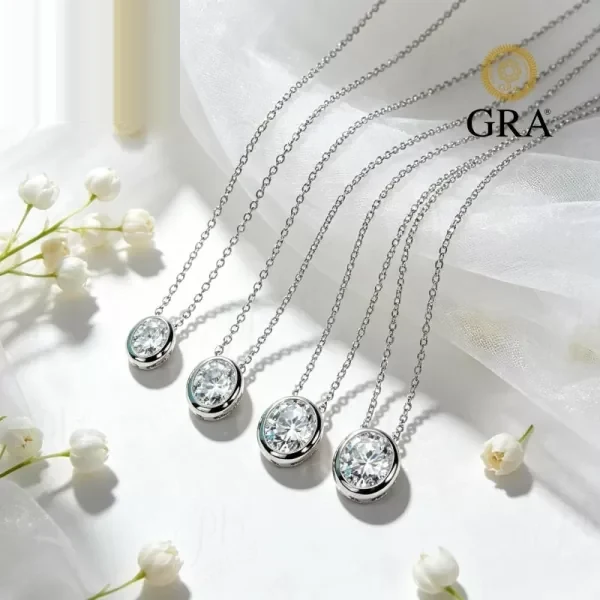
Necklaces Supplier for Jewelry Stores: plating thickness and tarni
Understanding Plating Thickness in Wholesale Necklaces
When ordering from a trusted supplier, plating thickness is a key indicator of durability. A 2‑0.3‑micron gold overlay will resist wear for the first year, while a 3‑0.5‑micron layer offers greater longevity, especially for daily‑wear pieces. We measure thickness with laser scanning, ensuring each necklace meets your exact specification.
Clients often ask how thickness translates to price. While a thicker layer does add a modest cost—roughly 5% more than a thinner plate—it also reduces the risk of tarnish, saving you time on returns and repairs. Our transparent pricing includes the plating cost, so you know exactly what you’re paying for durability.
Why Tarnish Matters for Your Jewelry Store
Even high‑quality silver can develop a gray film when exposed to moisture or chemicals. Tarnish not only dulls appearance but may deter customers who expect a pristine finish. By sourcing from a factory with strict quality controls, you reduce the chances of customers returning tarnished pieces.
We mitigate tarnish through a three‑stage QC process. First, each stone is inspected for consistency. Next, during plating our lines incorporate anti‑oxidation agents. Finally, before shipment we conduct an AQL inspection, confirming each necklace meets the required finish and brightness.
Plating Options and Their Cost Impact
| Plating Type | Thickness (µm) | Durability (months) | Typical Cost Increase |
|---|---|---|---|
| Gold 1‑0.2 | 0.2–0.3 | 6–12 | +5% |
| Gold 2‑0.4 | 0.4–0.5 | 12–24 | +8% |
| Silver 1‑0.1 | 0.1–0.2 | 3–6 | +3% |
Sample Production Timeline and Quality Assurance
Our lead times are competitive: production runs typically take 12‑18 days from receipt of sample and deposit. This schedule accounts for custom design approval, plating, polishing, and final QC checks. We keep you informed with weekly status updates, so you can plan inventory accurately.
Quality is tightly controlled. After stone selection, each necklace is plated, polished, and inspected by our in‑house experts. The final pre‑ship AQL scan verifies that every item meets the same standards, giving you confidence that every piece you receive is flawless.
Common Plating Issues and How We Address Them
- Thin plating due to equipment calibration errors
- Uneven gold distribution causing spots
- Residual electrolytes leading to early tarnish
- Improper storage of plated items before shipping
- Inadequate post‑plating cleaning protocols
Packaging and Delivery for Wholesale Necklaces
Each necklace is packaged in a custom sleeve that protects against scratches and dust. For bulk orders, we provide bulk packaging that keeps necklaces separated yet secure, reducing shipping damage. We ship via DDP to the U.S. and EU within 5‑8 days, ensuring timely arrival for your retail schedule.
Our logistics partners handle customs clearance efficiently, so you don’t need to manage paperwork. The total cost includes shipping, taxes, and handling, offering you a clear, all‑inclusive price for your store’s inventory.
Frequently Asked Questions
What is the minimum order quantity for custom necklaces?
The MOQ is 30 pieces for custom orders. For stock necklaces we only require 1 piece, giving you flexibility to test designs before committing to larger runs.
How long does the production cycle take for a custom order?
Custom necklaces take 12‑18 days from the receipt of the sample and a 30% deposit, ensuring thorough QC and precise plating.
Do you provide certifications for the stones?
Yes, we offer GRA and IGI certificates for all lab‑grown diamonds and moissanite. These documents accompany the shipment and can help with resale or insurance purposes.
Ready to take your store’s necklace collection to the next level? Contact us for a quote or sample today.