Understanding Reorder Timing for Necklaces Wholesale
When you move from a one‑off purchase to a bulk order, timing becomes a crucial variable. Our 12‑18 day production window means you need to place reorders a few weeks ahead of your sales forecast. A simple rule is to keep a buffer of at least 30 days between the end of the last shipment and the start of the next. This prevents stockouts when promotional events or seasonal spikes occur.
Timing also affects lead costs. Because we own the setting and polishing lines, we can batch your items with similar finishes, reducing changeover time. If you time your reorders strategically, you’ll save on production and shipping, and avoid rush charges that would otherwise inflate the final price per piece.
Calculating Your Order Frequency
To determine how often you should reorder, start with your average monthly sales volume. If you sell 1,200 necklaces a month and your MOQ for custom work is 30 pieces, you’d normally place 40 orders a year. However, factoring in our 12‑18 day lead time, we recommend grouping orders at 60 or 90‑piece intervals. This keeps your inventory levels stable and lets us maintain our first‑pass yield advantage.
Remember that our standard stock items have an MOQ of 1 piece, so you can test new designs without a large commitment. Once you validate a style’s performance, shift to a larger batch. This approach balances flexibility with cost efficiency, and it’s especially useful if you’re launching a new collection on a tight calendar.
Reorder Timing: A Practical Table
| Order Size | Lead Time | Batch Savings | Reorder Frequency |
|---|---|---|---|
| 30–50 pieces | 12–18 days | Low | Monthly |
| 60–100 pieces | 12–18 days | Moderate | Bi‑monthly |
| 120+ pieces | 12–18 days | High | Quarterly |
Aligning Production with Market Demand
Retail cycles dictate much of the jewelry market’s rhythm. New releases often precede holidays or fashion weeks. Our production flexibility lets you adapt quickly: you can push a batch forward if demand spikes, or hold inventory to match a slower season. By aligning your reorder schedule with these cycles, you reduce carrying costs and keep your cash flow healthy.
We also coordinate with our three‑stage QC process. Incoming stone checks prevent quality issues before they reach your shelves. In‑process checks catch defects early, and the pre‑ship AQL review guarantees that only finished necklaces reach your buyer. A smooth QC cycle means fewer returns and happier end‑customers, which in turn supports sustainable reorder plans.
Key Factors in Reorder Timing
- MOQ: 1 pc for stock, 30 pcs for custom orders
- Production time: 12‑18 days
- First‑pass yield: ~20% higher than typical trading companies
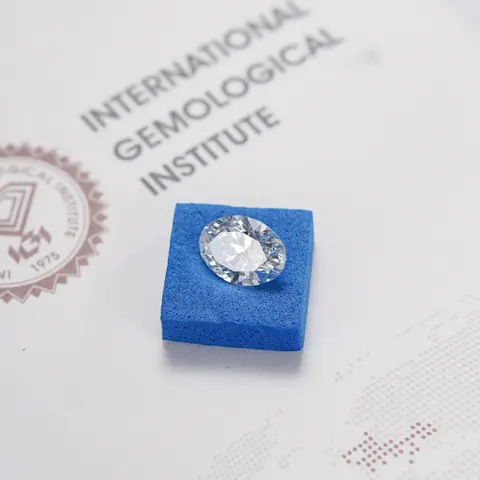
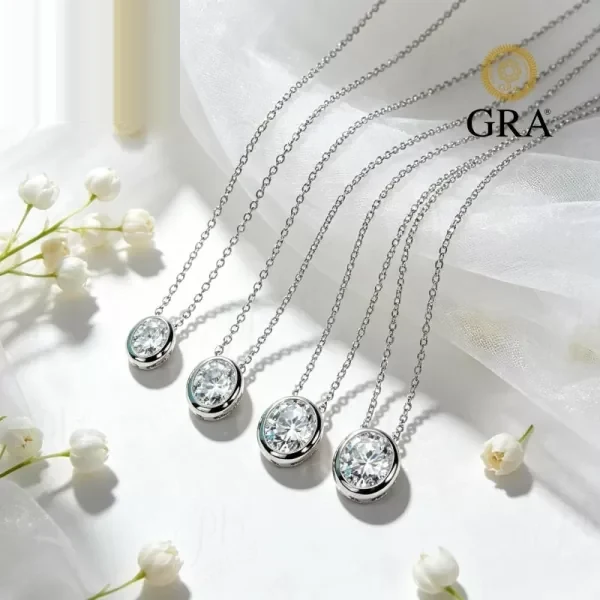
- Certificates: GRA and IGI available on request
- Payment: T/T 30% deposit, PayPal for samples
When you incorporate these variables into your reorder plan, you can fine‑tune your inventory level for optimal profitability. For example, a 30‑piece custom order with a 12‑day lead and a 30% deposit will typically ship within 14 days, giving you a predictable window for your next batch. Our DDP delivery to the US takes 5–8 days, so you can factor in the entire supply chain when setting reorder dates.
Implementing a Reorder Calendar
Drafting a simple calendar that marks reorder dates, production start dates, QC checkpoints, and shipping deadlines helps keep everyone on the same page. Store this calendar in a shared platform so your sales and logistics teams can view it in real time. Include buffer days for unexpected delays or quality holds so you’re not caught off guard when a batch hits a snag.
As you refine the calendar, use performance data to tweak reorder amounts. If a particular necklace sells faster than projected, increase both the batch size and frequency. Conversely, slow‑moving pieces may warrant a smaller batch or a promotional strategy. The key is to maintain a data‑driven approach that flexes with market realities.
Frequently Asked Questions
What is the minimum order quantity for custom necklaces?
The MOQ for custom orders is 30 pieces. For stock items, you can order a single piece if you wish to test the market first.
How long will my order take from placement to delivery?
Our standard lead time is 12 to 18 days, with DDP delivery to the US taking an additional 5–8 days.
Can I pay for samples before committing to a larger order?
Yes, PayPal is accepted for samples. For larger orders, we require a 30% T/T deposit.