Why the unit price on your first other jewelry wholesale order is a lie
Every week a buyer sends me a quote from another supplier and asks if I can beat it. Nine times out of ten the number they are comparing is not the same number. One quote is FOB Shenzhen, the other is DDP to a warehouse in New Jersey, and neither includes the certificate reprint or the duty. So before you compare anything, strip both quotes down to the same starting line.
I have spent twelve years on the QC floor, and the first-order conversations that go wrong almost always go wrong on landed cost, not on craftsmanship. This piece walks through the arithmetic in the order I actually see it happen: ex-works price, then the add-ons, then freight, then duty and clearance, then the fees nobody quotes upfront. Run your own numbers against it.
The ex-works number: what is actually in the unit price
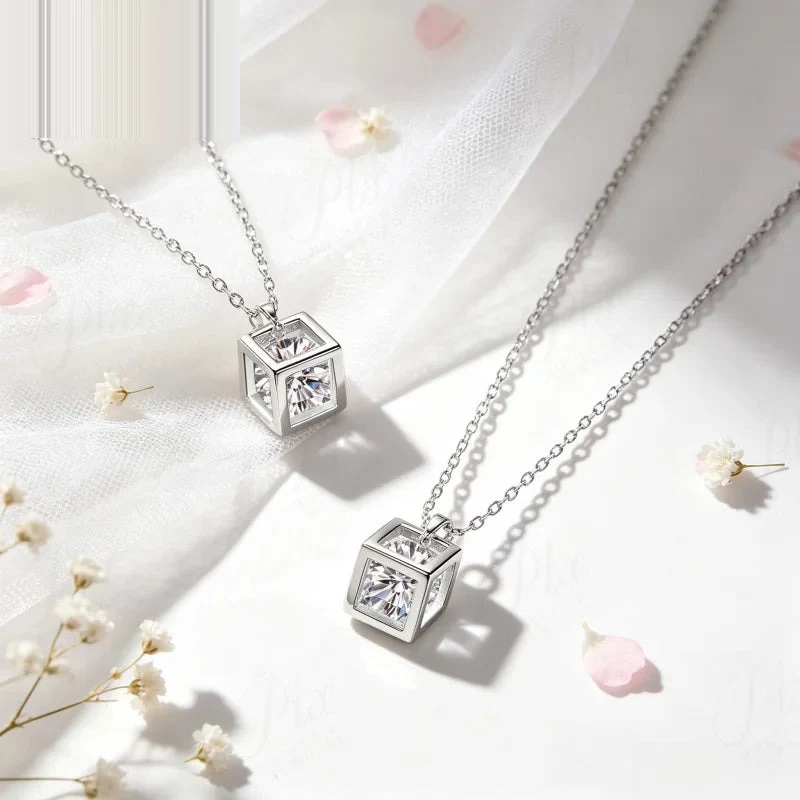
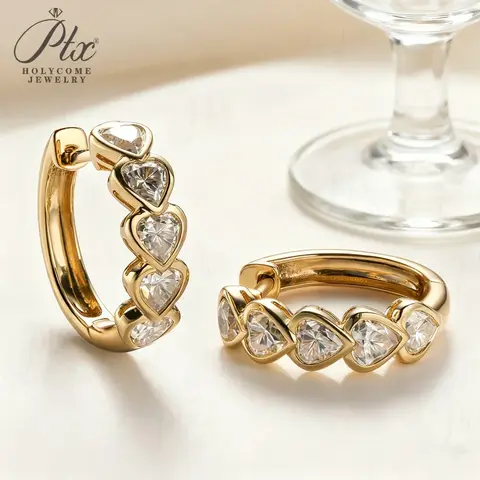
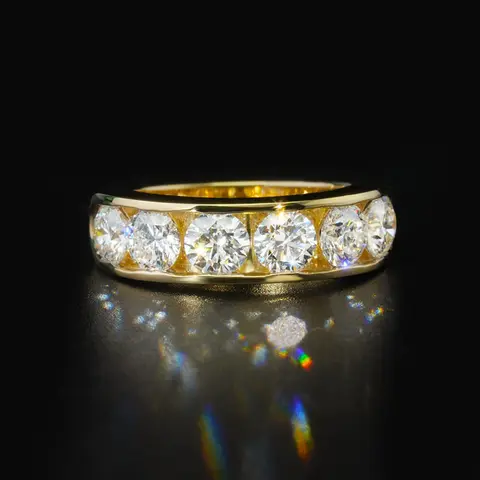
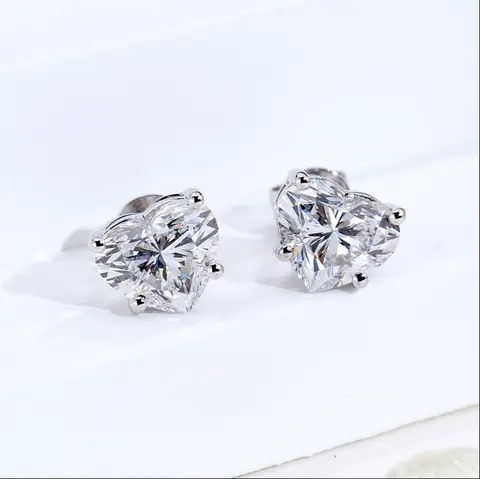
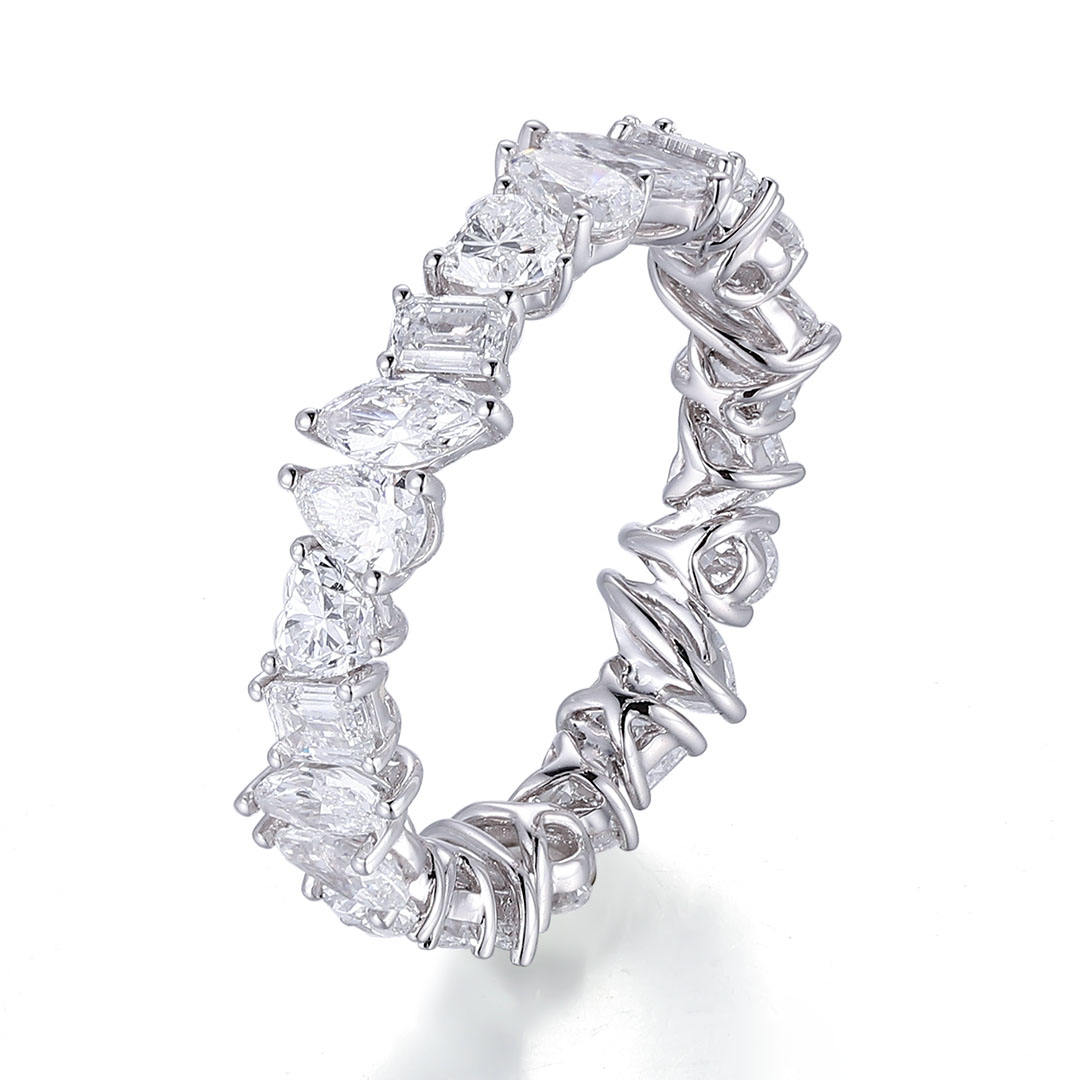
When we quote a moissanite tennis bracelet or a 925 silver pendant at a per-piece price, that figure covers the stone, the metal, the setting labor, the polish, and the plating where applicable. It does not cover the gift box unless you asked for one, and it does not cover the GRA card reprint if you want your own brand on it.
This is the single biggest source of first-order surprises. A buyer budgets from the unit price, then the invoice comes in higher because they added branded packaging and a second certificate tier. Ask for a line-item breakdown before you sign anything. A real factory can give you one in an hour; a trader usually cannot, because they are marking up someone else's breakdown.
- Stone cost per carat, by grade and size band
- Metal weight in grams, with the day's silver spot applied
- Setting and assembly labor per piece
- Plating type and thickness, rhodium or gold tone
- Packaging: plain poly bag, standard box, or branded box
- Certificate: GRA card only, or GRA plus IGI report
MOQ math: why 30 pieces is the real break-even
We hold stock on roughly 200 SKUs, and those ship from one piece. Custom work, meaning your design, your stone grade, your plating spec, starts at 30 pieces per style. That is not a policy to make life hard; it is the point where the mold or the CAD time stops eating the margin.
Here is the rough shape of it. A new CAD file and a sample run costs us a few hundred dollars in bench time before a single sellable piece exists. Spread that over 10 pieces and it adds real money to each unit. Spread it over 30 and it becomes noise. If you are testing a market, buy stock first, sell it, then come back with a custom order once you know the shape sells.
Freight and duty: the two lines buyers underestimate
DDP delivery to a US or EU address runs 5 to 8 days on air express once the goods leave us. DDP means the freight forwarder handles duty and clearance and hands you a delivered price, which is far easier to budget than FOB plus a separate customs bill. For a first order under 50 kg, DDP is almost always the right call because the paperwork overhead of doing it yourself costs more than the spread.
Duty rates depend on the tariff code and the destination. Silver jewelry and base metal jewelry do not land in the same bucket, and the EU and the US do not agree on percentages. Get the HS code from your supplier in writing and check it against your country's schedule before you commit to a retail price. If a supplier will not give you the code, that is a red flag on its own.
Worked example: a 300-piece first order, line by line
Take a mixed first order: 200 pieces of 925 silver with moissanite accents, 100 pieces of a higher-grade piece with IGI reports. These are illustrative numbers, not a quote, but the structure is exactly what you should build in your own spreadsheet.
| Line item | Basis | Example amount | Notes |
|---|---|---|---|
| Goods, ex-works | 300 pcs, blended unit price | USD 4,200 | Ask for line-item breakdown |
| Certificates | GRA cards plus 100 IGI reports | USD 620 | IGI is the costly part |
| Packaging | Branded boxes, 300 pcs | USD 240 | Skip on a test order |
| Freight, DDP | Air express, 5 to 8 days | USD 480 | Includes duty and clearance |
| Payment fees | T/T 30% deposit, balance before ship | USD 95 | Bank charges both ends |
Landed total lands near USD 5,635, or about USD 18.78 per piece blended. Compare that to the USD 14.00 unit price you first saw and you understand why the retail plan has to start from landed, not from ex-works. On a smaller 100-piece order the freight per unit roughly doubles, which is the hidden penalty on tiny first orders.
Where the 20 percent actually comes from
Buyers hear that our cost, speed, and yield run about 20 percent better than a typical trading company and assume it is a sales line. It is not, and the reason is structural. We cut and set stones in the same building where the jewelry is assembled, so there is no stone supplier margin stacked on top and no double handling on the way to the bench.
That also shortens the loop when something is wrong. A trading company finds out about a bad stone lot when the finished piece fails final inspection, which is weeks late. Our incoming stone check catches it on day one, before the stones touch a setting bench. Fewer scrapped pieces means a lower true cost per sellable unit, and that is the number that should be in your margin model.
Buyers who price from ex-works and buyers who price from landed are not comparing the same business. Only one of them knows their real margin before the container ships.
Payment terms and the QC gates that protect your deposit
Standard terms are T/T with 30 percent deposit and the balance before shipment. For samples, PayPal is fine and faster for both sides. Production runs 12 to 18 days depending on stone availability and plating queue, and we build in three QC gates: incoming stone check, in-process inspection at the setting bench, and a pre-ship AQL sample pull against the agreed spec.
Ask for the AQL report with the shipment. If a supplier cannot tell you what AQL level they work to, they are inspecting by eye and hoping. Certificates come from GRA for the stone cards and IGI for the graded reports, and both should match the parcel you receive, piece for piece.
- Incoming stone check: grade, size, and inclusion screening before setting
- In-process check: prong security, plating thickness, solder joints
- Pre-ship AQL: random pull, measured against your approved sample
- Certificate reconciliation: card count versus piece count
Frequently Asked Questions
What is the minimum order for other jewelry wholesale?
Stock styles ship from one piece, so you can test a market cheaply. Custom designs start at 30 pieces per style because that is where CAD and sample costs stop distorting the unit price.
How long does a first order take?
Production runs 12 to 18 days after deposit and sample approval, then 5 to 8 days DDP to your door. Add a few days if you need IGI reports, since grading is booked separately.
Is the quoted price per piece or landed?
Our quotes are ex-works unless you ask for DDP, and we will show the freight and duty line so you can see the landed number. Always confirm which basis you are comparing before signing.
Send me your target styles, quantities, and destination zip code, and I will come back with a line-item landed cost sheet, not a single number. If you want to see the bench quality first, ask for a sample pack and I will ship it with the certificate documentation included. Reach the floor team at service@holycome.com or WhatsApp +86 133 7744 7107.