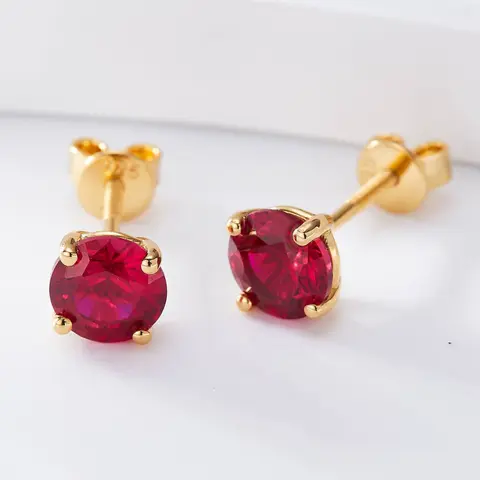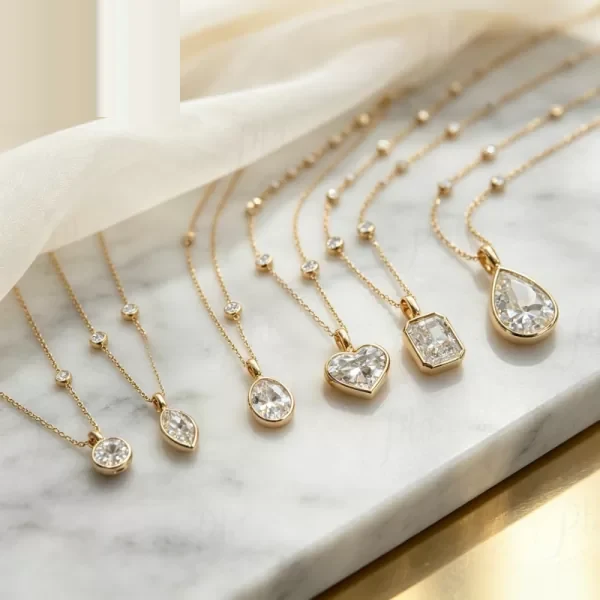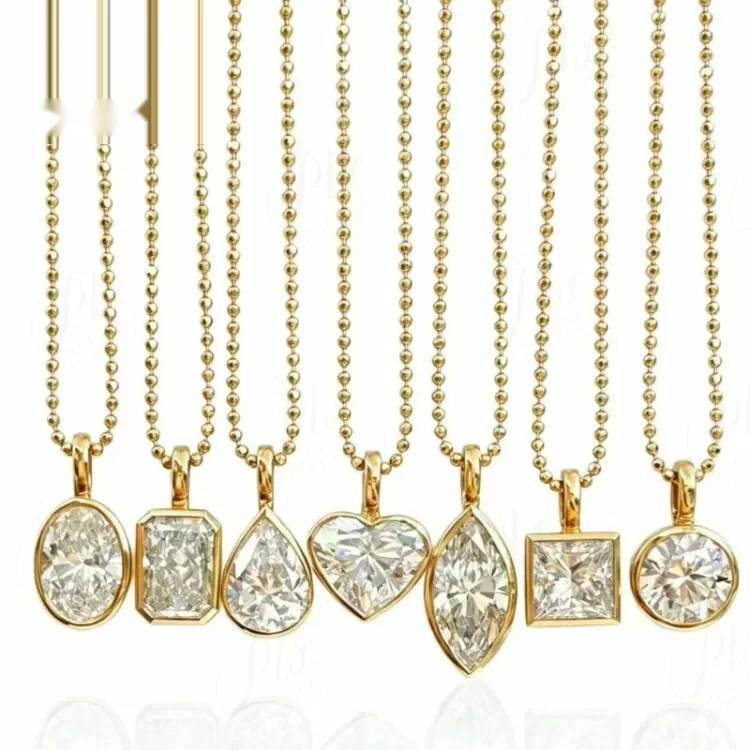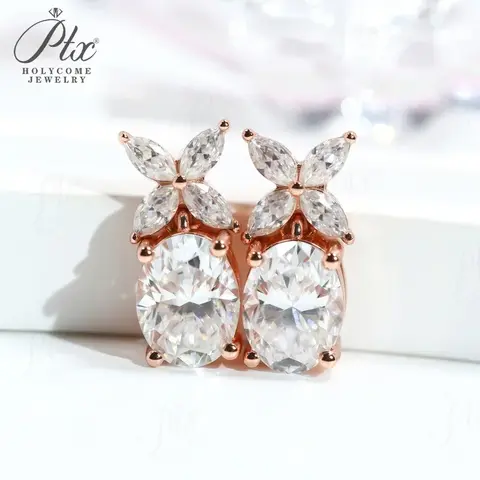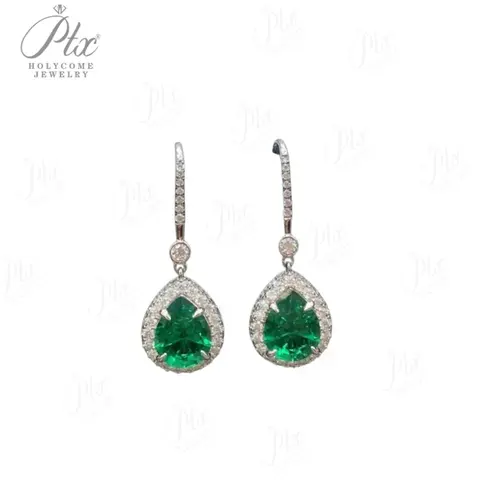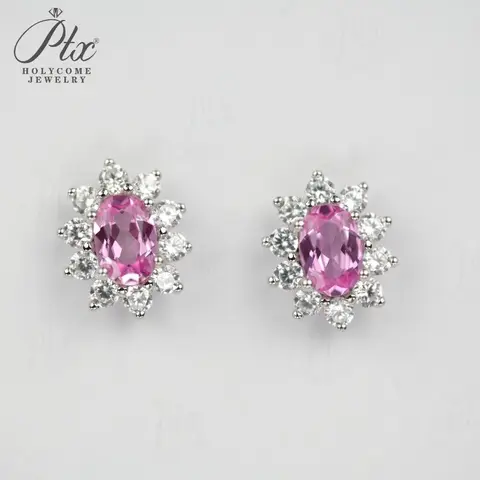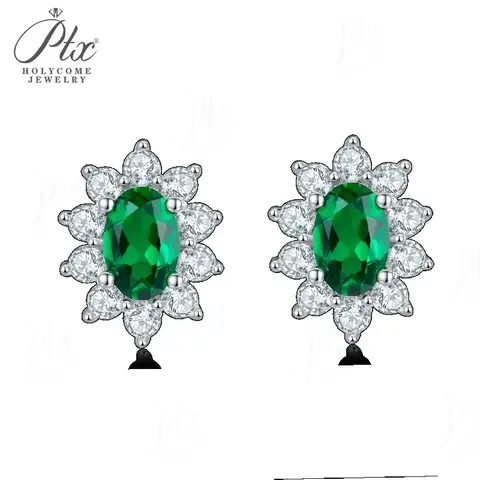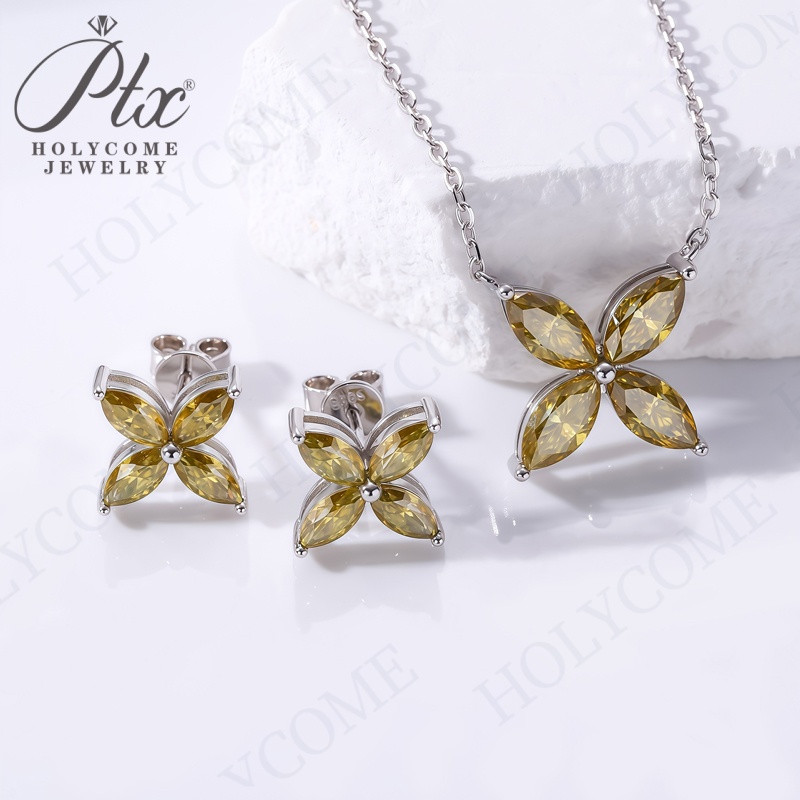
A parure is the elegant name for a complete, matching jewelry set—necklace, earrings, bracelet, and often a brooch or ring designed as one cohesive collection. The word carries royal baggage: historic parures were commissioned by courts and could include dozens of pieces meant to be worn together or broken apart. Today, that same idea lives on as the coordinated fashion jewelry set, and it remains one of the most reliable ways to sell a customer a full look instead of a single piece.
A quick history
Parures rose to prominence in the 18th and 19th centuries, when European courts treated jewelry sets as symbols of status. A grand parure might include a tiara, necklace, brooch, earrings, and bracelets, all cut from the same stones and mounted in the same metal. European royal families commissioned famous sets that are still displayed in museums. The point of a parure was coherence: everything on the body spoke the same visual language.
That philosophy never really disappeared—it just democratized. Fashion jewelry took the matched-set idea and made it affordable. A modern “parure” is usually a necklace, earring, and sometimes bracelet in the same finish and motif, sold together for a polished, done-in-one look.
Why matched sets still sell
The parure endures because it solves a real problem: most customers do not know how to mix jewelry. A pre-matched set removes the guesswork and guarantees a coordinated result. That is especially powerful for occasions where looking pulled-together matters—weddings, formals, interviews, and events. Brides, bridesmaids, and mother-of-the-bride shoppers are the classic parure buyers.
Sets also lift average order value. A customer weighing a $12 necklace is more likely to take the $25 set that includes matching earrings, because the bundle feels like a deal and looks complete. For resellers, that combination of emotional occasion-buying and higher basket size makes jewelry sets a cornerstone category.
Modern parure variations
Today's sets are more flexible than a rigid royal suite. Bridal sets lean into pearls, crystals, and silver- or gold-tone metal for weddings. Formal sets favor statement earrings and a coordinating pendant for galas and parties. Everyday sets offer a necklace and stud combination for work. Four-piece sets—necklace, earrings, bracelet, and ring—deliver the fullest head-to-wrist look for the strongest price point. Our guide to four-piece sets covers that fuller format in depth.
Not every set needs to be perfectly identical. The modern customer appreciates coordinated—same finish and palette, slightly different shapes—over matchy-matchy. That nuance keeps the look contemporary rather than costume-y.
What resellers should stock
Start with occasion sets that have clear demand: bridal and formal. Pearl-and-crystal sets in silver-tone are timeless and sell across seasons. Add a few everyday sets in dainty gold-tone for the workwear buyer. Keep an eye on finish consistency—the necklace and earrings must match in tone and plating, or the whole set looks off. Inspect that stones sit evenly and clasps are secure, since a set that arrives with one tarnished piece disappoints twice.
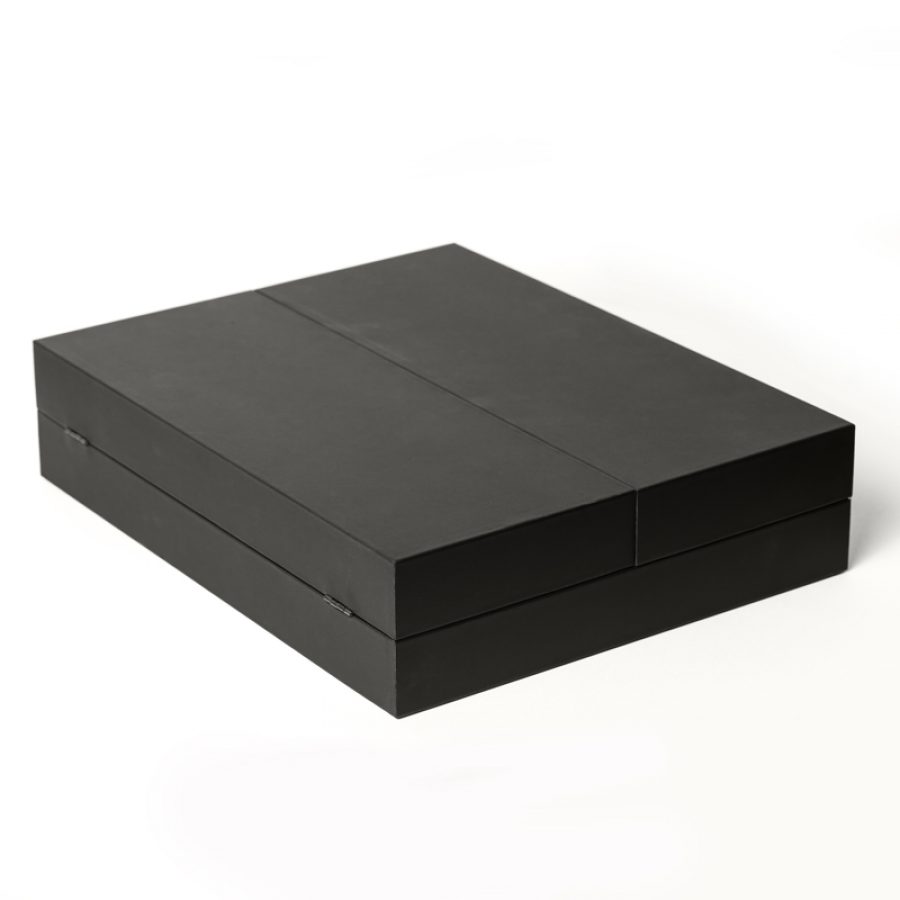
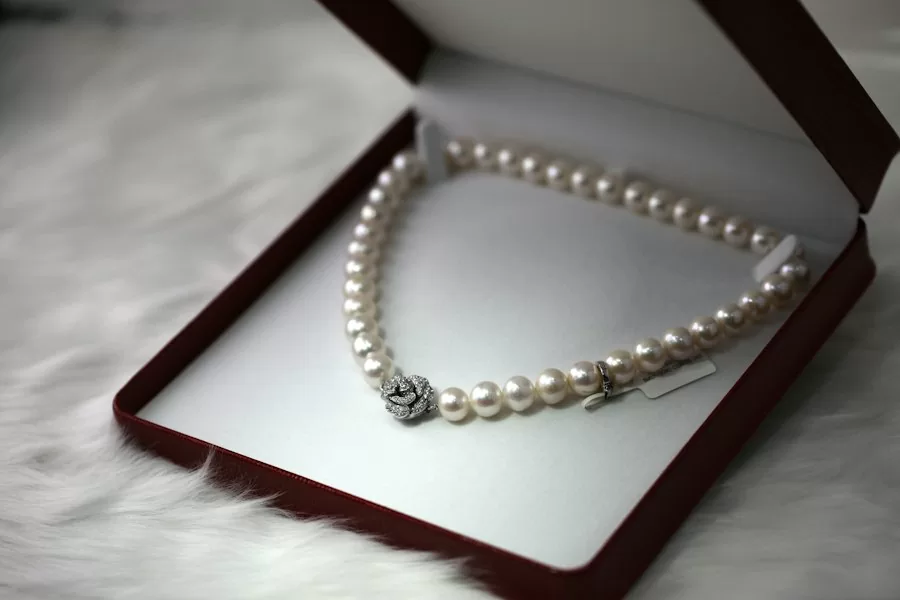
Gift packaging matters for sets. A boxed set reads as a gift and justifies a higher price. Our guide to gift-ready packaging covers how presentation boosts perceived value. For sourcing the category at scale, explore our wholesale jewelry sets.
Building a parure on a budget
You do not need to carry complete four-piece suites to capture the parure buyer. A smart middle path is to stock a few hero sets—say, a necklace-and-earring duo—and let customers add a bracelet or ring that you already sell separately in the same finish. That way the shopper feels like she is assembling a coordinated suite, while you move more individual SKUs at once. Keep the palette disciplined: mixing too many metal tones across your set range dilutes the “matched” promise. When a customer trusts that everything in your bridal corner goes together, she buys the whole look instead of a single necklace, and the perceived value of the set does the upselling for you.
The timeless appeal
The parure has survived centuries because it speaks to a deep human preference: we like to look put-together. Whether it is a royal tiara suite or an affordable three-piece crystal set, the promise is the same—wear it and the look is finished. Stock coordinated sets with occasion in mind, present them as a complete solution, and you tap into a buying moment that will not go out of style. Keep your finishes consistent across the range, box the sets nicely, and let customers trust that anything in the bridal corner goes together—that trust is what turns a single earring sale into a full, gift-worthy set. Sell the finished look rather than the individual pieces, and shoppers who would otherwise walk out with one necklace leave with the whole coordinated suite.
For third-party reference, the Wikipedia article on moissanite details moissanite’s discovery, optical properties and use in jewellery.
Frequently Asked Questions
How do I verify a factory before placing a bulk order?
Request a production video, business license, export records and a paid sample run. A factory that accepts a 50-piece test order is usually a real manufacturer.
What payment terms do you offer?
30% T/T deposit with the balance against the bill of lading. This protects both sides on first orders and can move to net terms after a track record.
What is your normal reject rate?
3–5% under 10x loupe inspection for cast and set pieces. Defective units are replaced free in the next shipment.
Where is the factory located?
Wuzhou, Guangxi, China—the core lab-grown and moissanite manufacturing cluster. Shipments go via Guangzhou or Shenzhen ports.