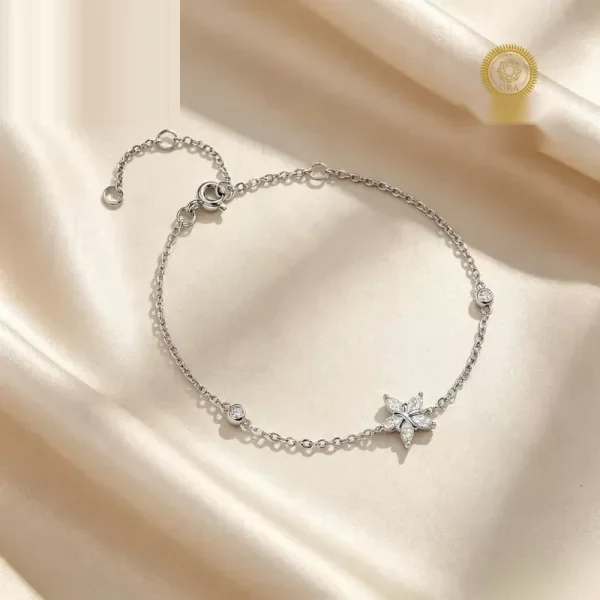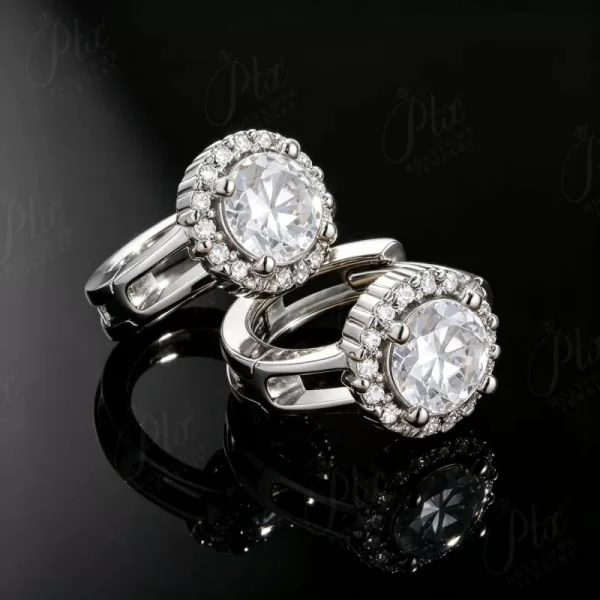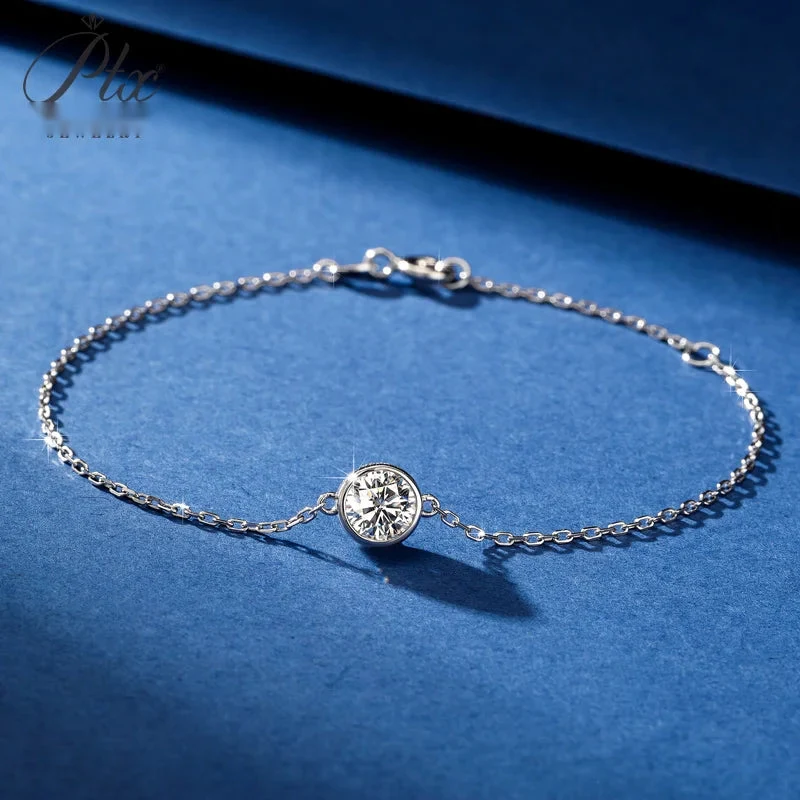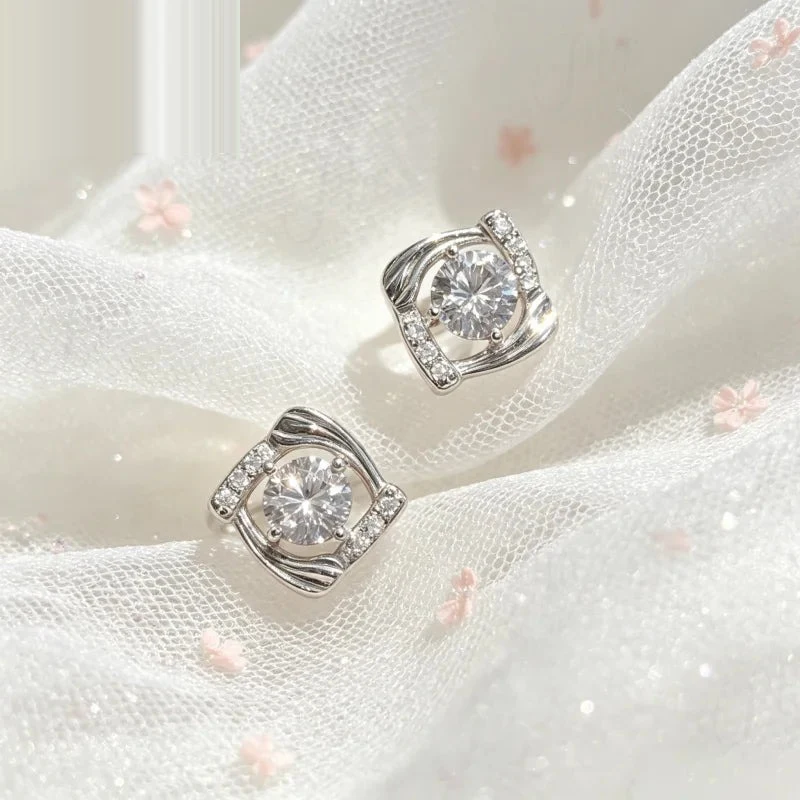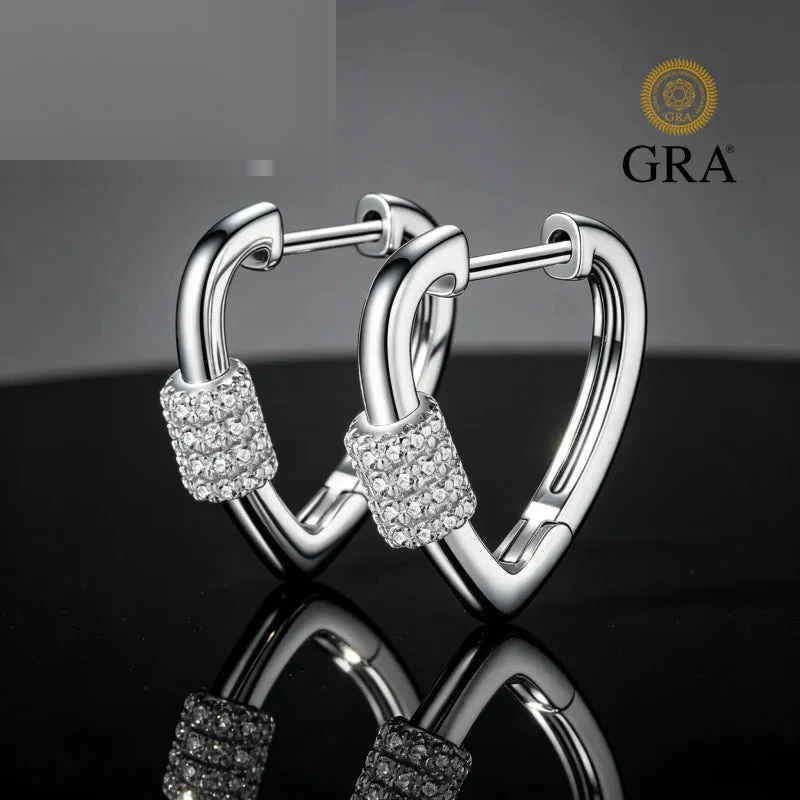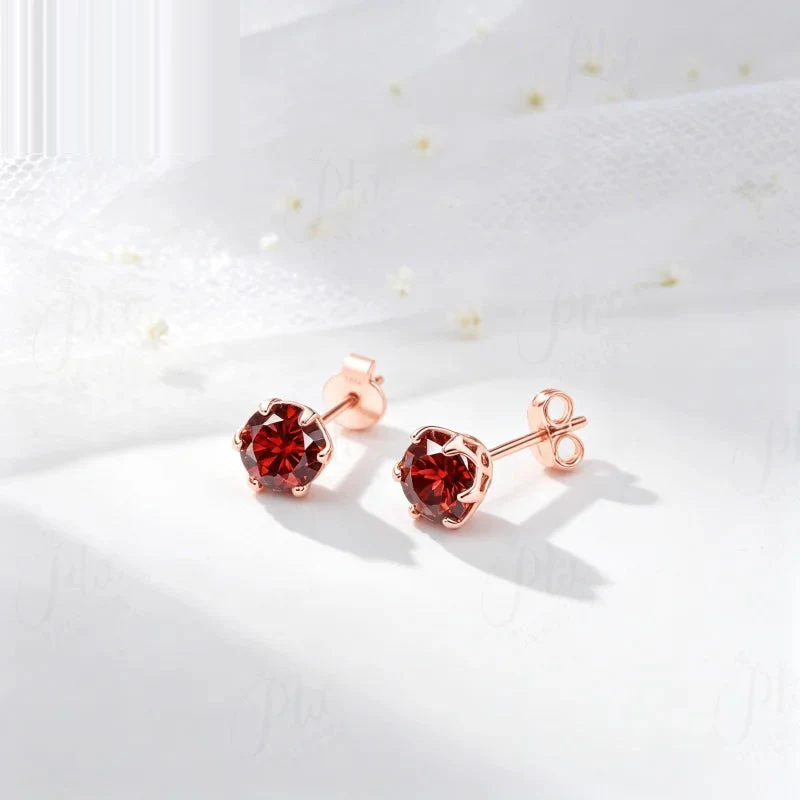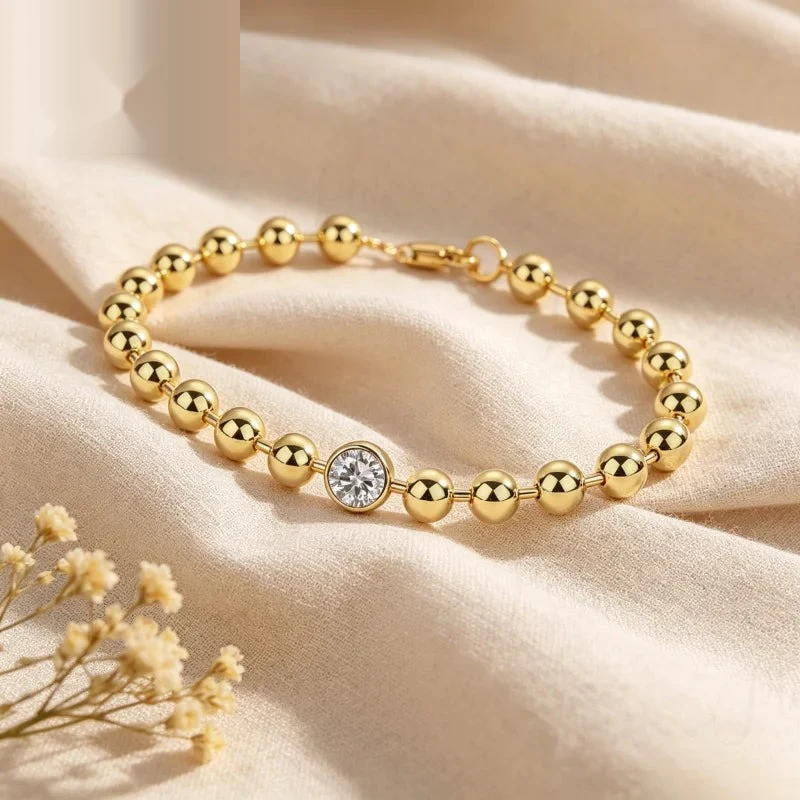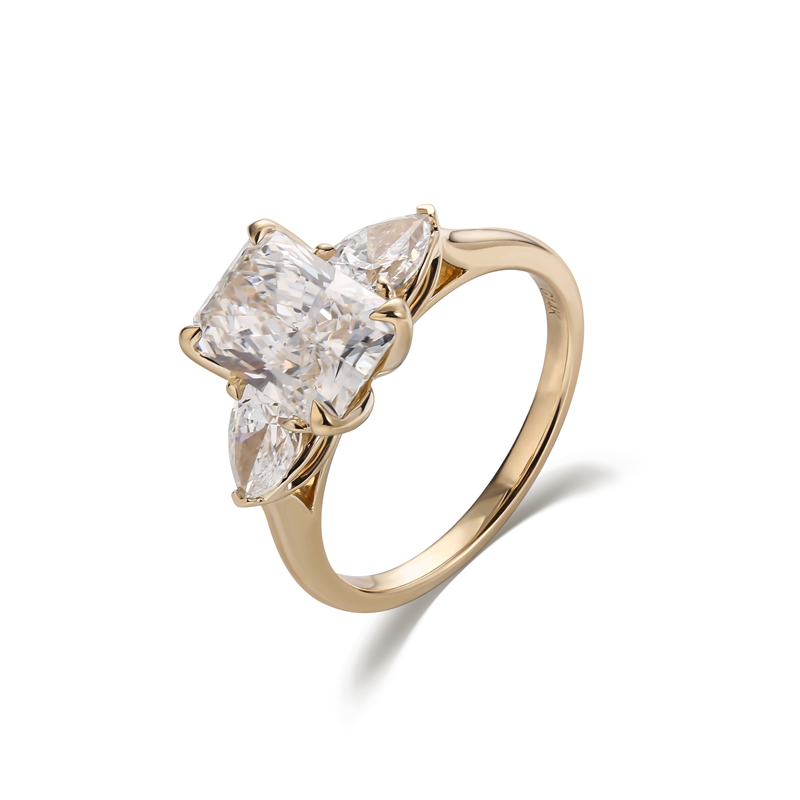
After years of oversized logos, chunky statement pieces, and attention-grabbing everything, the pendulum has swung. Quiet luxury, the aesthetic of expensive-looking pieces that do not announce themselves, has become one of the most durable jewelry trends of the last two years. For wholesale buyers, the shift matters because it changes what you should be restocking: fewer gimmicks, more refined, everyday pieces that look expensive without spelling it out.
What quiet luxury actually means
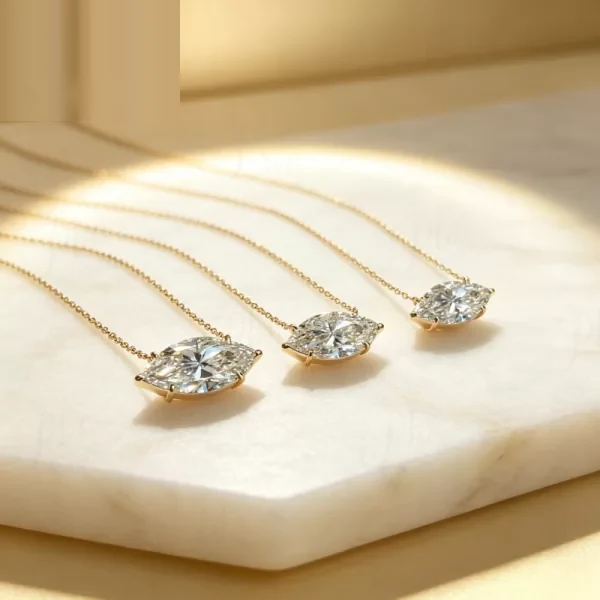
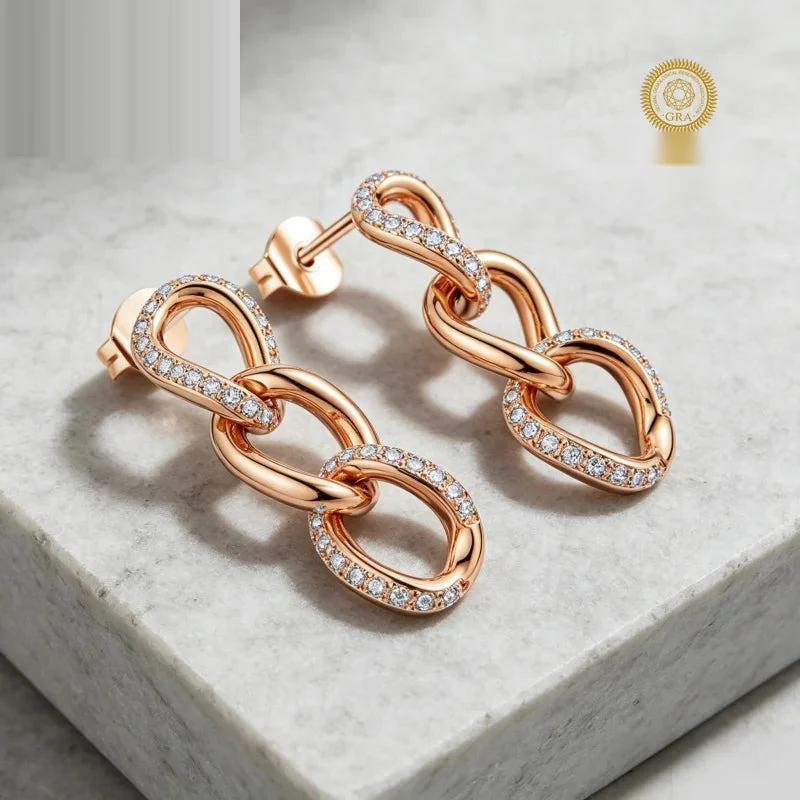
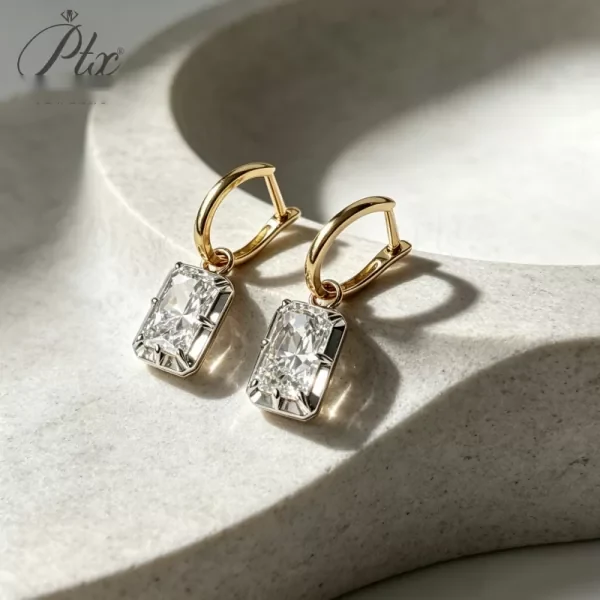
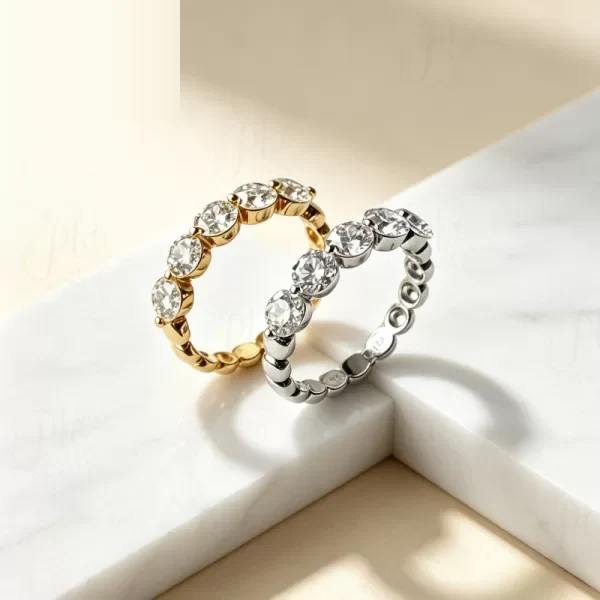
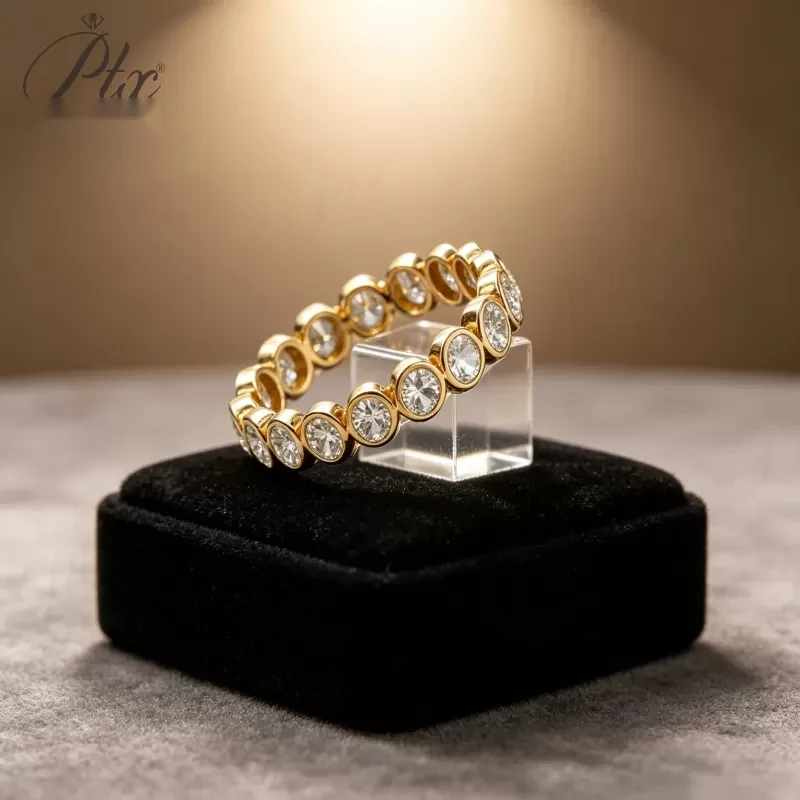
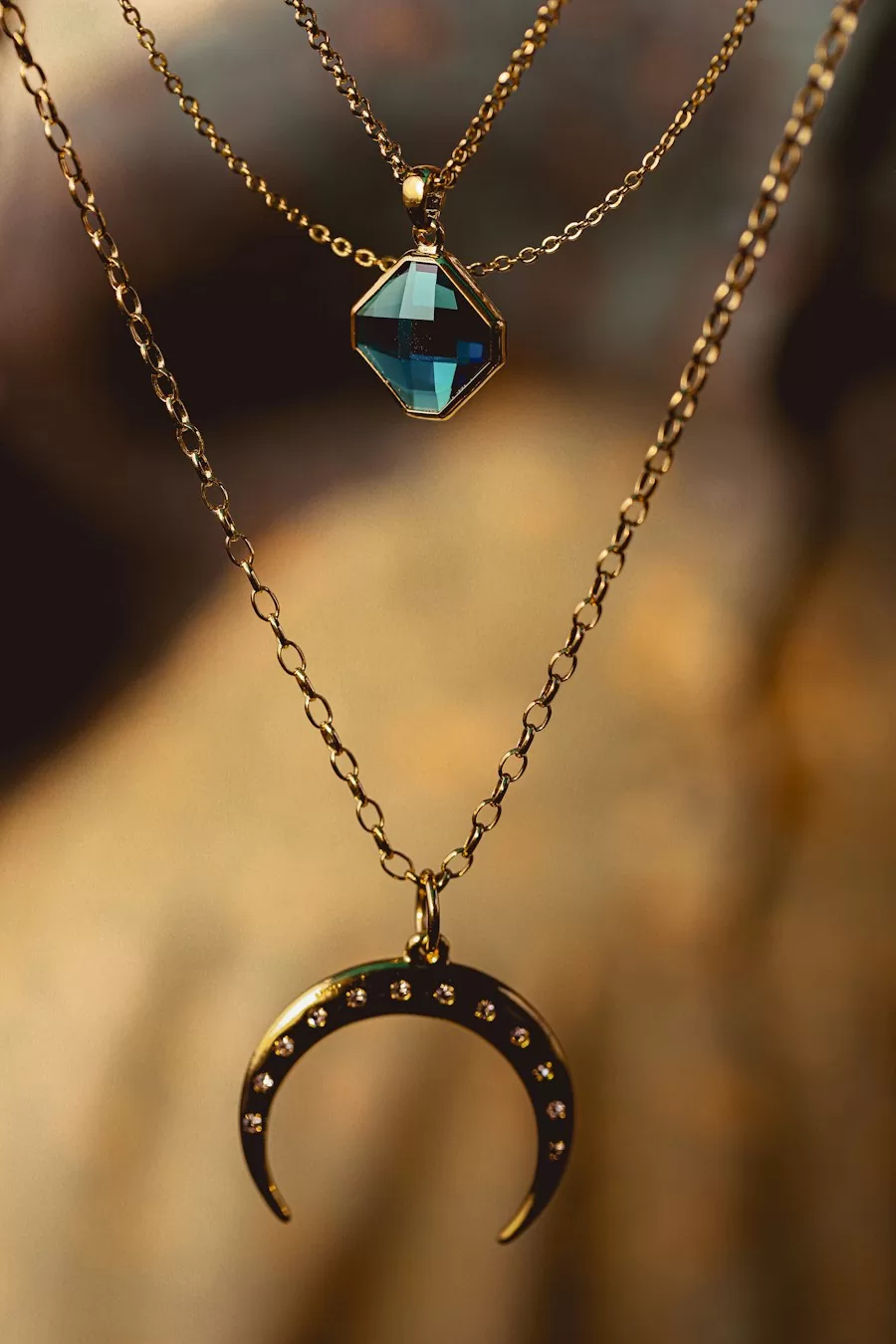
It is not a single product; it is a set of design rules. Thin chains, small pendants, plain bands, hoop earrings in clean proportions, and polished gold or rhodium finishes. What it excludes: large logos, loud charms, neon enamel, and anything that reads as a trend piece from last season. The goal is a look that could be inherited rather than purchased on impulse. Customers buy these pieces because they expect them to last, and because they want jewelry that works across a workday, a dinner, and a weekend without looking like a costume.
Why it is sticking around
Trends tied to a single celebrity moment usually fade fast. Quiet luxury has lasted because it aligns with broader consumer behavior: buyers want fewer, better things; they are tired of fast-fashion disposable jewelry; and remote work has normalized polished-but-not-dressing-up looks. The old-money aesthetic on social media reinforced it, but the demand is real beyond the algorithm. This is the kind of shift that translates into steady repeat orders rather than one viral spike. For context on where it sits in the wider cycle, see our 2026 wholesale trends overview.
What to stock
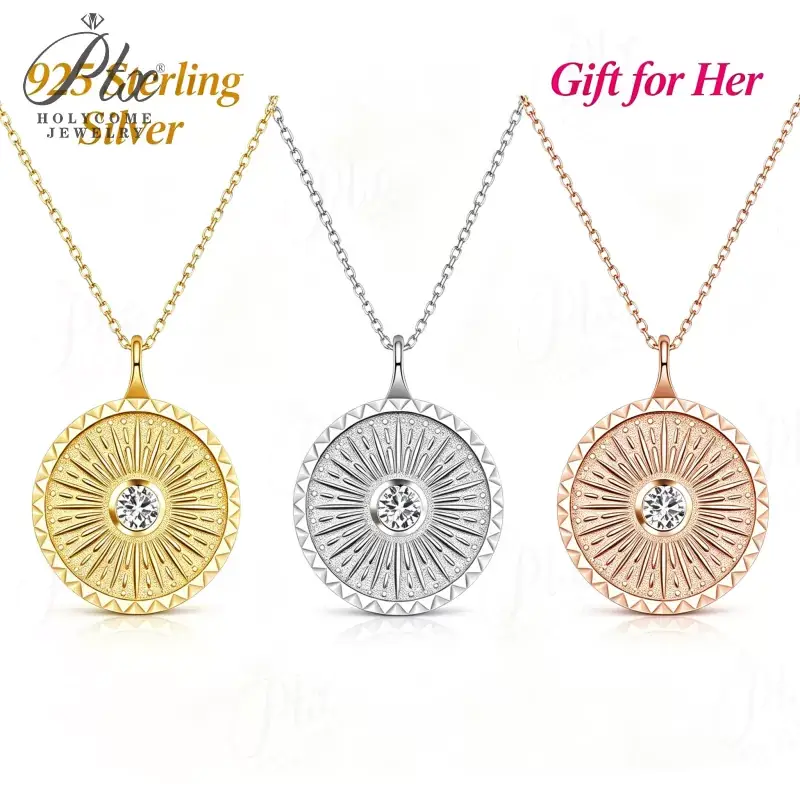
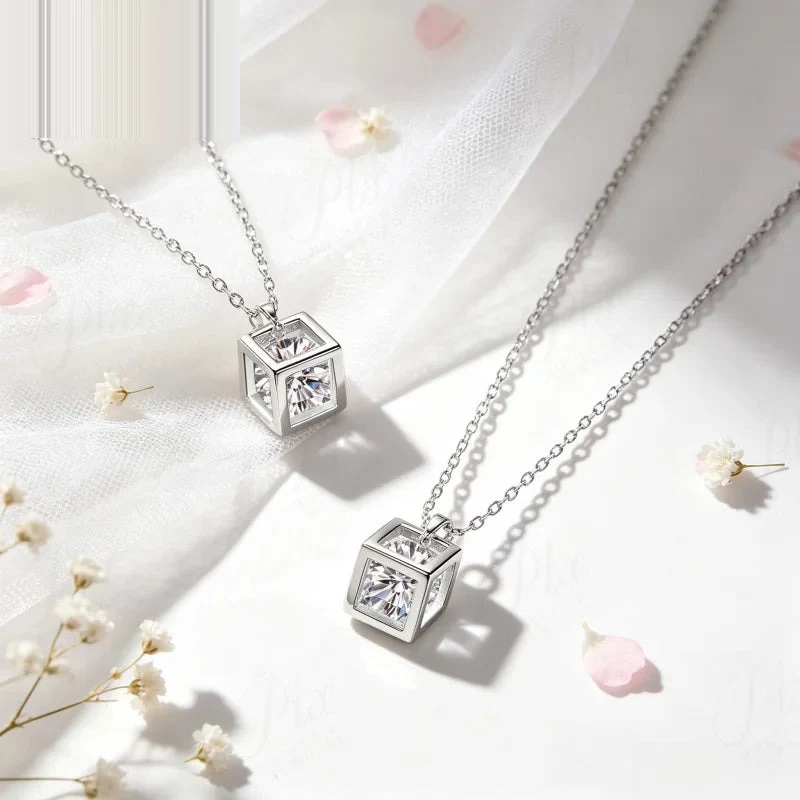
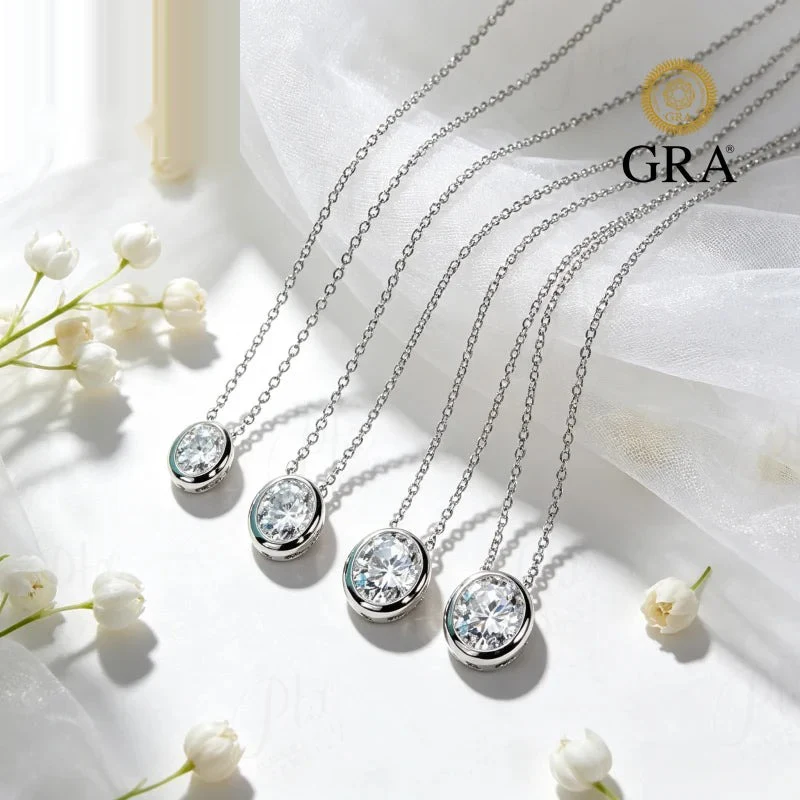
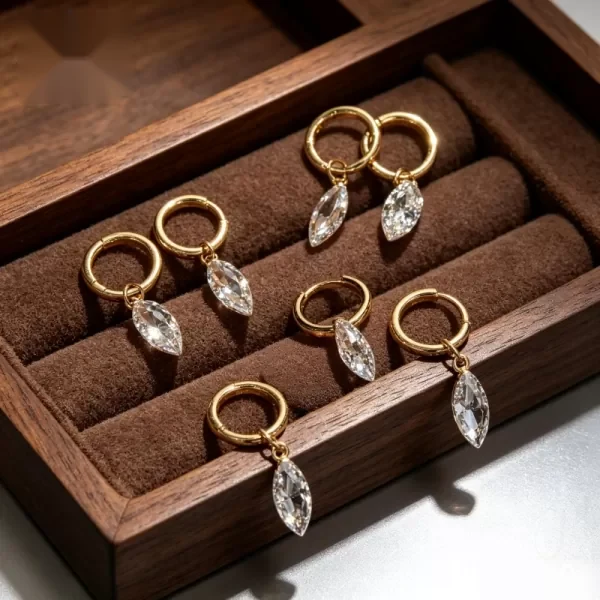
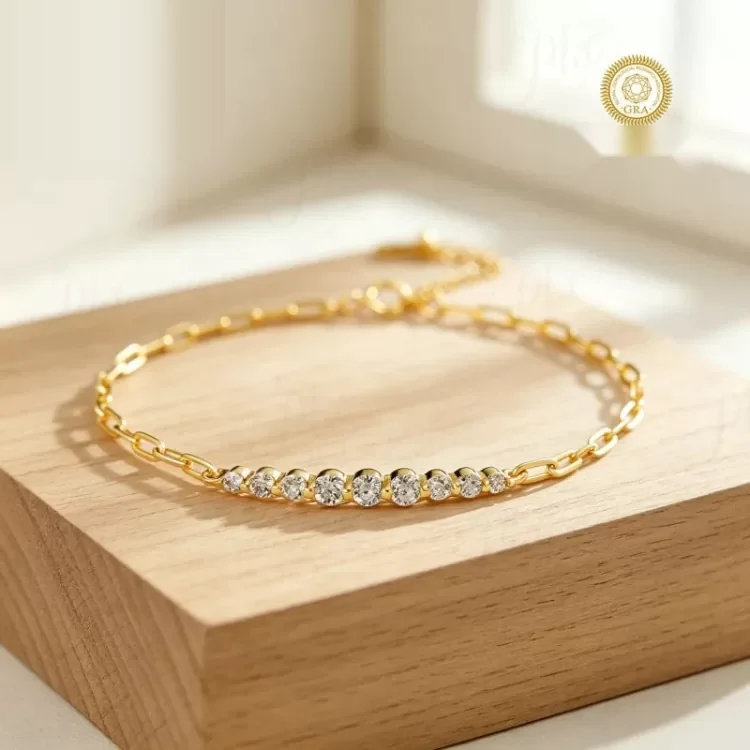
Lean into a short list of shapes that photograph and wear well: slim signet and plain bands, fine cable and box chains, small dome or pendant necklaces, medium-weight hoops, and polished tennis bracelets in a restrained width. Finish is everything. A piece that looks cheap because of poor plating dies in this category; customers are buying the illusion of fine metal. That means paying a little more for thick plating and smooth surfaces, and accepting slightly higher wholesale cost in exchange for lower returns. Pair this with our guide to alloy jewelry quality to know where to draw the line.
Who is buying
The quiet luxury customer skews older and higher-income than the fast-fashion buyer, but the aesthetic also reaches younger shoppers who want one or two elevated pieces instead of ten cheap ones. That makes it a profitable addition to almost any boutique. It pairs naturally with workwear, bridal-guest, and capsule-wardrobe positioning. If your brand has been loud up until now, introduce a quiet-luxury edit as a separate collection rather than rebranding; the existing customers and the new ones are not the same shopper.
What to avoid
The trap is oversupplying the trend. A small, tightly curated quiet-luxury assortment sells; a rack full of plain chains does not. Keep the edit to fifteen or twenty hero pieces, photograph them with neutral styling, and let them sit alongside your trendier pieces rather than replacing them. The customer who buys a quiet piece will often also buy a fun seasonal piece on the same visit.
Marketing the aesthetic
Quiet luxury sells through mood, not hype. Photography should be understated: neutral backgrounds, natural light, real skin rather than over-retouched models. The copy should lean on words like refined, everyday, heirloom, and considered, rather than viral, trendy, or must-have. Customers in this category buy because the piece looks like it belongs in their life, not because everyone else is wearing it. This means your ad creative can actually cost less; restrained imagery is easier to produce than dramatic styling, and it converts better with this audience.
How it mixes with the rest of your line
Do not abandon your trendier pieces to chase quiet luxury. The same customer who buys a thin gold chain for work will also buy a fun enamel charm for the weekend. The smart merchandiser keeps a quiet-luxury edit as a separate section, clearly styled, alongside the trend-driven floor. It raises the perceived quality of the whole store and gives customers a reason to trade up as their tastes mature. Over time, the quiet pieces become your highest-repeat, lowest-return SKUs.
Watch your repeat-order data. Quiet luxury pieces tend to be reordered by the same customers who come back for a second finish once they trust the quality. That repeat rate is the signal that you have nailed the category; when it shows up, widen the edit by one or two shapes rather than chasing new trends.
The bottom line
Quiet luxury is not a flash-in-the-pan. It rewards buyers who prioritize finish and proportion over novelty, and it earns repeat purchases because customers treat these pieces as long-term staples. Stock a tight, refined edit, pay for better plating, and market it as elevated everyday jewelry rather than as a trend. Done well, it becomes the reliable backbone of your assortment.
The Wikipedia article on rhodium explains why rhodium plating is applied to white gold and silver jewellery.
Related reading: Quiet Luxury Jewelry: Why Subtle Pieces Outsell Loud Ones, Quiet Luxury Jewelry: What Wholesale Buyers Should Stock, Dainty Necklaces: The Quiet Luxury of Delicate Everyday Chains.
Frequently Asked Questions
How do I verify a factory before placing a bulk order?
Request a production video, business license, export records and a paid sample run. A factory that accepts a 50-piece test order is usually a real manufacturer.
What payment terms do you offer?
30% T/T deposit with the balance against the bill of lading. This protects both sides on first orders and can move to net terms after a track record.
What is your normal reject rate?
3–5% under 10x loupe inspection for cast and set pieces. Defective units are replaced free in the next shipment.
Where is the factory located?
Wuzhou, Guangxi, China—the core lab-grown and moissanite manufacturing cluster. Shipments go via Guangzhou or Shenzhen ports.