Wholesale Rings: Moissanite vs CZ: What to Compare

Moissanite, Lab-Grown, and CZ: How Wholesale Buyers Should Choose Stones for Rings
When sourcing rings for resale, the stone decision comes down to three lab-created options: moissanite, lab-grown diamond, and cubic zirconia. Each carries a different price point, durability profile, and customer expectation, and choosing the right mix can determine whether a wholesale order sells through or sits on the shelf.
This guide breaks down how buyers should evaluate each option, what to verify before committing to bulk production, and how to structure sampling and orders so the finished rings match your spec sheet.
Understanding the Three Lab-Created Stone Options
Moissanite is a lab-created diamond alternative made of silicon carbide. It ranks high on the refractive index, which gives it noticeable fire and brilliance, and it sits near 9.25 on the Mohs hardness scale. Lab-grown diamonds are chemically and optically diamond, graded on the same criteria as mined stones. Cubic zirconia is a synthetic zirconium dioxide that offers the lowest cost per carat but scratches more readily, typically ranging around 8 to 8.5 on the Mohs scale.
For a wholesale catalog, the distinction matters most at the customer's first close look. Moissanite shows a rainbow-type fire under direct light, which some buyers in the fashion segment actively seek out. Lab-grown diamond rings command the highest perceived value and suit stores positioning themselves in fine jewelry. CZ remains the workhorse for trend-driven fashion rings where price sensitivity dominates and turnover speed matters more than longevity.
Matching Stone Type to Your Customer Segment
Map each stone to a clear price tier before you place a sample order. A common structure looks like this:
- CZ stones for seasonal fashion rings and fast-moving trend styles sold in multi-piece packs.
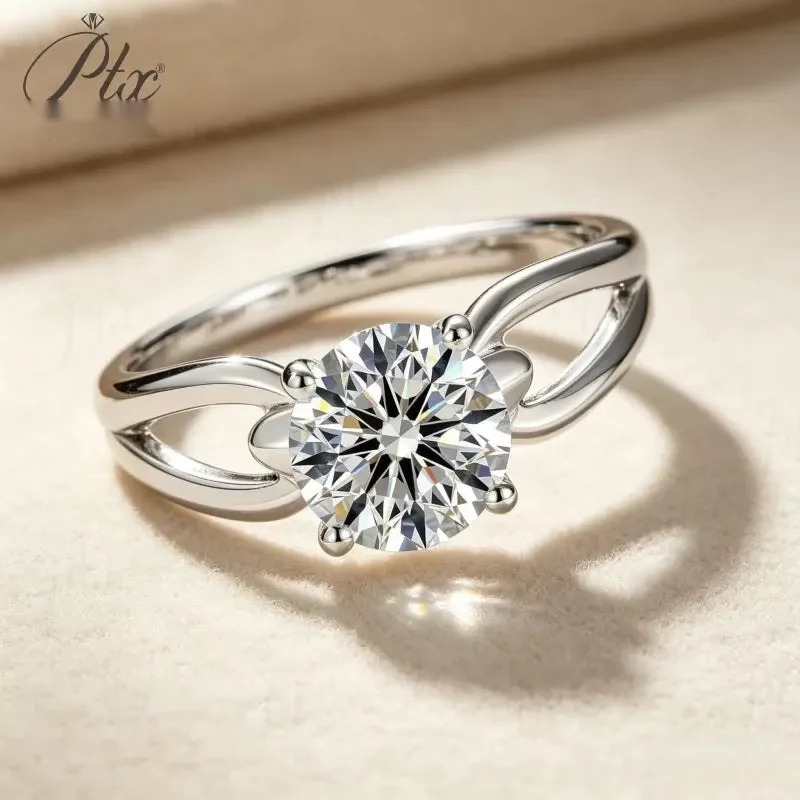
- Moissanite for engagement-style and bridal-inspired rings where sparkle sells the piece.
- Lab-grown diamond for fine jewelry counters and stores that sell certification alongside the design.
Stores that skip this mapping often end up with overlapping SKUs, where a moissanite ring and a CZ ring at similar price points compete with each other instead of expanding the assortment.
Durability and Daily Wear Considerations
Hardness translates directly into return rates. A CZ stone in a ring worn daily will develop surface scratches within months, which leads to replacement requests. Moissanite holds up under daily wear far better and resists chipping in the band and pavé settings most commonly used in wholesale production. Lab-grown diamond, at 10 on the Mohs scale, is the hardest of the three and suits pieces positioned as heirloom-style purchases.
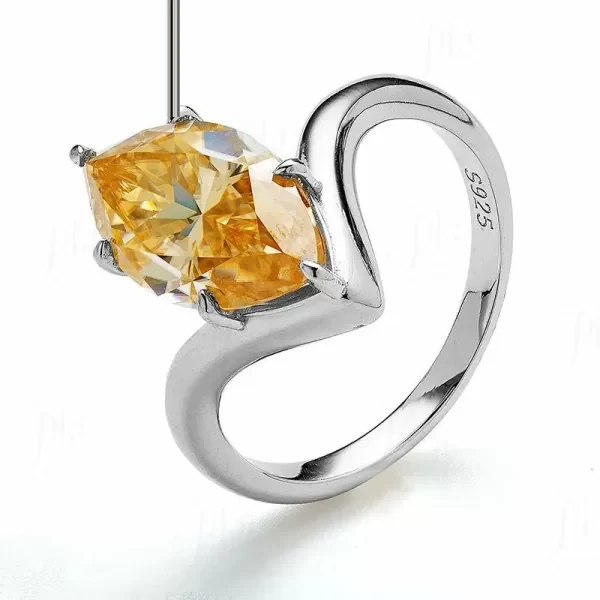
The metal choice interacts with the stone decision. CZ set in 925 sterling silver with gold plating fits the fashion tier. Moissanite pairs well with 925 sterling silver or 14K solid gold when you want to raise the perceived value without the cost of lab-grown diamond. For vermeil or gold plated bands, confirm the plating thickness and base metal in writing before bulk production, since plating quality drives the warranty claims you will handle as the importer.
Setting Styles and Their Impact on Stone Choice
Pavé and channel settings demand tighter stone tolerance because the setter fits small stones into a machined channel. Moissanite is produced in a wide carat range with consistent sizing, which reduces setter adjustments and keeps labor costs down in bulk runs. CZ also comes in standard calibrated sizes, but surface scratches show up quickly in pavé work where many small stones sit exposed.
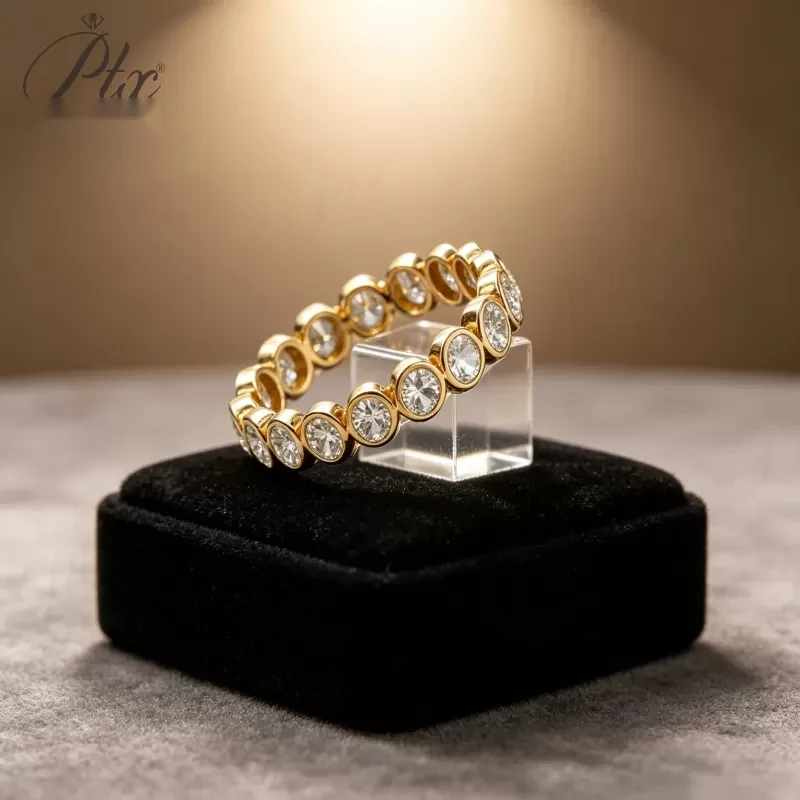
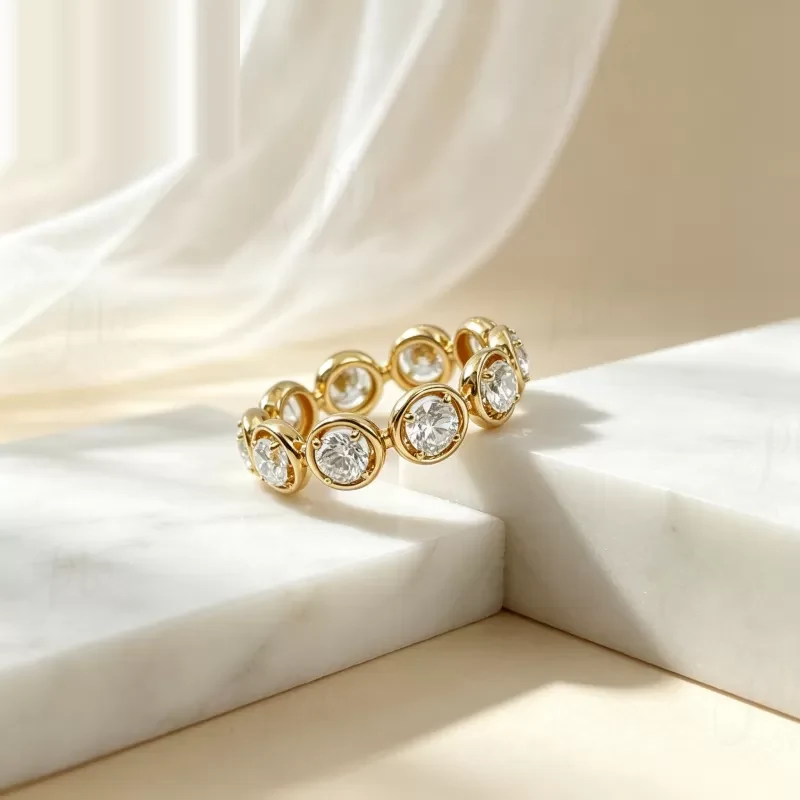
Bezel settings protect softer stones better and are a practical choice when you want CZ rings to survive longer in the showcase.
Documentation: GRA and IGI Papers
Certification is where wholesale buyers separate serious suppliers from casual ones. Graded stones ship with GRA or IGI papers, which document the stone's characteristics and give your retail customers something tangible at the point of sale. IGI papers on lab-grown diamonds follow the familiar four-C structure and are widely recognized by US retailers. GRA papers are common on moissanite and cover the stone's properties in a similar format.
Ask the supplier to match each paper's number to the stone it accompanies before shipment. A mismatch between certificate and stone creates problems at customs review and erodes trust when your retail partner checks the paperwork. Build this verification step into your pre-shipment checklist rather than treating it as an afterthought.
Comparing the Options at a Glance
The table below summarizes the practical trade-offs buyers weigh when building a ring assortment around lab-created stones.
| Stone Type | Hardness | Best Use | Pricing Basis | Papers |
|---|---|---|---|---|
| Moissanite | Approx. 9.25 Mohs | Bridal-inspired styles | Per piece or per carat | GRA |
| Lab-grown diamond | 10 Mohs | Fine jewelry counters | Per carat | IGI |
| Cubic zirconia | Approx. 8 to 8.5 Mohs | Trend fashion rings | Per piece | Varies by supplier |
Use this comparison to justify the assortment mix to your own buyers. A balanced catalog typically carries all three tiers rather than committing entirely to one stone type, since consumer demand shifts between fashion and fine categories across the year.
Minimums, Sampling, and Production Timelines
Wholesale terms are structured to lower the barrier for testing new designs. The minimum order quantity is 1 piece for stock styles, which lets you evaluate a finished ring before committing volume. Custom work carries a 30 piece minimum per style, so confirm demand signals through stock or sample purchases before you invest in customization.
Sampling takes 7 to 10 days, giving you enough time to inspect stone setting quality, plating, and overall finish under your own lighting conditions. Bulk production runs 15 to 25 days after you approve the sample, so plan reorder cycles around a realistic 3 to 5 week window from decision to delivery. Loose stones are sold by the carat if you prefer to handle setting through your own workshop, though most US buyers order finished rings to reduce handling steps.
Quality Control Across Three Stages
Production runs through a three-stage quality control process: incoming inspection of materials and stones, in-process checks during setting and finishing, and a pre-shipment AQL inspection. For ring orders, pay attention to the in-process stage, since stone seating and prong tension are corrected at that point at low cost. Once a ring passes to plating, rework becomes expensive and can push your shipment outside the 15 to 25 day production window.
Request that the pre-ship AQL report accompany the shipping documents. It gives you a documented basis for any claim and keeps the conversation with your retail partners straightforward when a defect reaches the shelf.
Payment and Delivery Structure for US Buyers
Payment terms use T/T with a 30 percent deposit and the 70 percent balance due before shipment. Sample orders can be paid through PayPal, which simplifies small-value transactions and lets you test a supplier without opening a full payment channel. Confirm the deposit amount in the proforma invoice along with the stone specification sheet, so the paperwork matches the goods at inspection.
Delivery to the US runs on DDP terms and takes 5 to 8 days. DDP means import duties and clearance are handled before the goods reach you, which removes a layer of administrative work and lets you quote landed costs to retail buyers with fewer variables. Build the DDP timeline into your reorder planning so seasonal ring programs arrive ahead of peak selling windows.
Structuring Your First Order
A practical first order sequence looks like this:
- Order samples of 2 to 3 ring styles across different stone types, paid via PayPal, and evaluate them in 7 to 10 days.
- Approve the strongest style and place a custom run at the 30 piece minimum with a T/T deposit.
- Review the pre-ship AQL report, pay the balance, and receive the shipment on DDP terms within 5 to 8 days.
This sequence keeps your cash exposure low while giving you real production data on which styles justify larger reorders.
Order Terms for Wholesale Buyers
MOQ is 1 piece for stock styles and 30 pieces for custom work, and loose stones are sold by the carat. Sampling takes 7 to 10 days, and bulk production runs 15 to 25 days after the sample is approved. Pricing is quoted per piece or per carat depending on the item. Payment is T/T with a 30% deposit and the 70% balance before shipment, and PayPal is accepted for sample orders.
Frequently Asked Questions
Is moissanite the same as a diamond?
No. Moissanite is a lab-created diamond alternative made of silicon carbide, not a natural or real diamond. It offers high brilliance and strong durability at a different price point, which is why many retailers position it as its own category rather than a substitute.
Can I order a single ring before committing to bulk?
Yes. Stock styles carry a minimum order quantity of 1 piece, so you can inspect a finished ring before volume. Custom work requires a 30 piece minimum per style, so use stock or samples to validate demand first.
What paperwork comes with graded stones?
Graded stones ship with GRA or IGI papers depending on the stone type. Check that each certificate number matches the stone it accompanies before accepting the shipment, and keep the papers with your inventory records for resale.
How long does the full order cycle take?
Sampling runs 7 to 10 days, bulk production takes 15 to 25 days after sample approval, and DDP delivery to the US adds 5 to 8 days. Plan roughly 4 to 6 weeks from sample request to warehouse receipt for a custom ring order.
What payment methods are available?
Bulk orders use T/T with a 30 percent deposit and the 70 percent balance paid before shipment. Sample orders can be paid through PayPal, which keeps small trial transactions simple.
Start Your Ring Program
Choosing between moissanite, lab-grown diamond, and CZ comes down to matching stone properties to your price tiers and confirming quality at the sampling stage. Browse available designs in our ring catalog, read more sourcing guidance in the wholesale blog, or reach out through the contact page to request samples and a quotation for your next order.
Sources: Grading references: GIA gem education and GIA laboratory information.