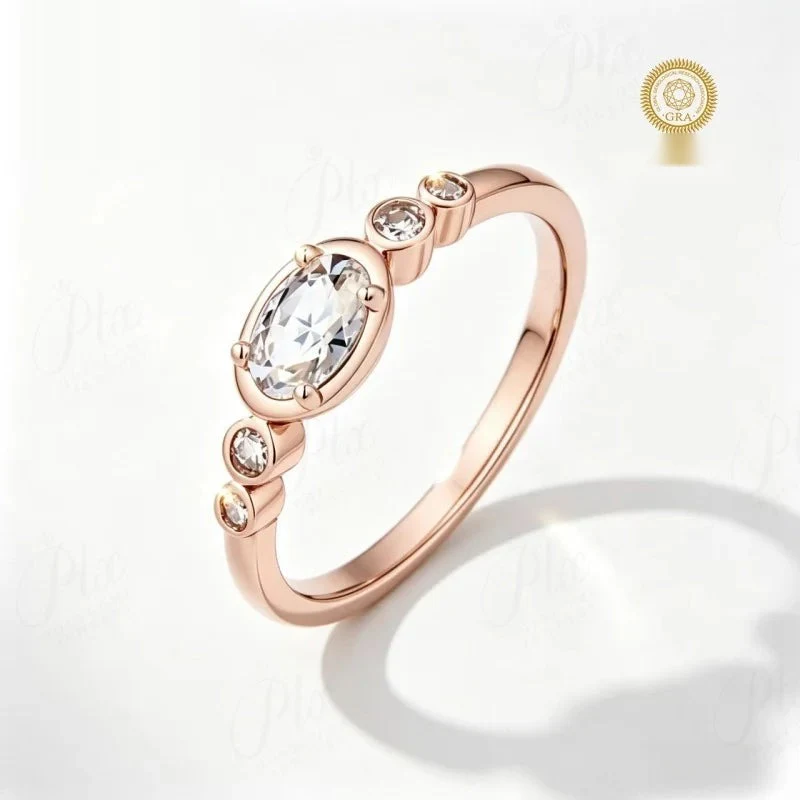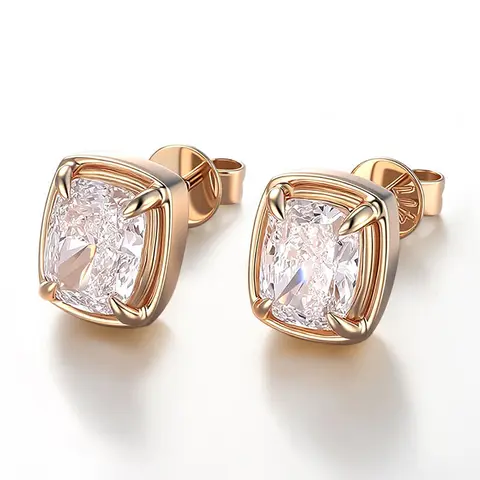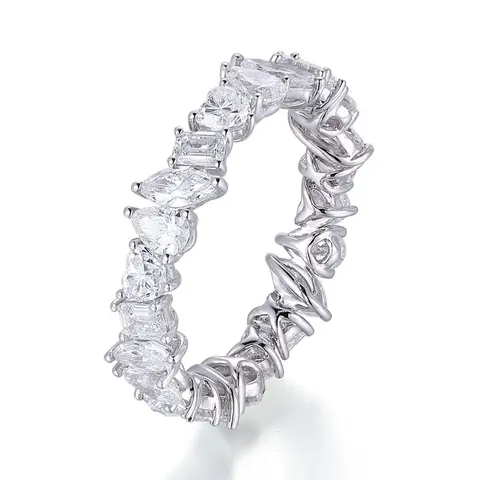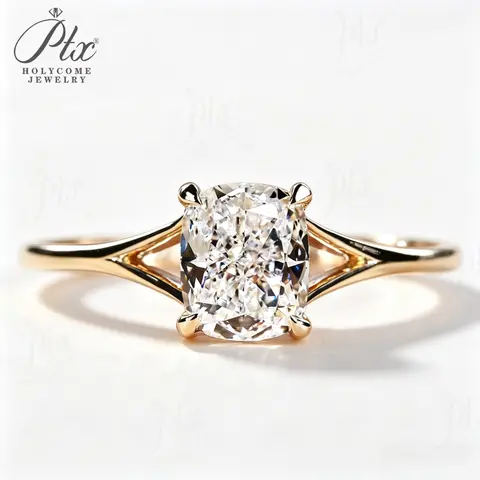
Understanding Plating Thickness in Wholesale Rings
When you order rings wholesale, the plating thickness is a primary factor that dictates both the ring’s durability and its long‑term aesthetic. Our settings use a controlled electroplating process that delivers a precise 0.3 µm copper layer beneath the final gold or silver finish. This base layer resists corrosion and ensures that the outer plating stays true to its original hue for years.
Dealers often wonder if thicker plating means better quality. In reality, a balanced thickness—too thin and the metal may tarnish; too thick and the surface can feel heavy—provides the optimal trade‑off. Our QC team measures at each production stage to guarantee the plating remains within ±5 µm, giving you confidence in the rings you stock.
How Tarnish Affects Wholesale Pricing
Tarnish is not just a visual issue; it’s a cost factor. The silver component of our rings can develop a brownish film when exposed to air, especially in humid climates. We mitigate this with a passivation step that coats the ring with a protective layer, reducing tarnish by up to 70 % compared to standard finished rings.
Price sensitivity among buyers often stems from the perceived longevity of a ring. By openly discussing our anti‑tarnish treatments and providing GRA or IGI certification, we help you market the rings as maintenance‑free choices, justifying a slightly higher wholesale price that reflects the extended shelf life.
Plating Thickness vs. Helper Metal Breakdown
| Plating Material | Thickness (µm) | Typical Tarnish Rate | Recommended Use |
|---|---|---|---|
| Gold (14K) | 0.3-0.5 | Low | Premium wedding rings |
| Silver (925) | 0.2-0.4 | Moderate | Everyday stackers |
| Copper | 0.1-0.2 | High | Base for plating |
Quality Control Stages and Their Impact on Ring Finish
Our three‑stage QC cycle—incoming stone check, in‑process inspection, and pre‑ship AQL—ensures every ring meets the same high standard before it leaves the factory. The in‑process inspection catches any polishing irregularities that could affect plating adherence, reducing the risk of future tarnishing.
After the AQL check, we perform a final visual and dimensional test. That final step guarantees that even after 12‑18 days of production, the ring’s dimensions stay within ±0.1 mm, a critical factor for both buyer satisfaction and resale value.
Cost, Speed, and Yield: Why Our Rings Stand Out
Our cost advantage comes from owning the setting and polishing lines, which cuts down on third‑party labor and permits tighter control over production variables. As a result, first‑pass yield rates hover around 20 % higher than industry averages, translating into lower unit costs for you.
For example, a 30‑piece custom order starts at a 30 % deposit via T/T, with PayPal available for sample orders. Production takes 12‑18 days, and delivery via DDP to the US typically arrives within 5‑8 days, ensuring fast turnaround for your retail needs.
Key Points for Wholesale Buyers Considering Plating and Tarnish
- Plating thickness directly affects durability and look.
- Anti‑tarnish layers reduce maintenance and extend product life.
- Our three‑stage QC guarantees consistency and quality.
- Custom orders require a 30‑piece minimum but offer greater design flexibility.
- DDP shipping to the US means predictable delivery and no hidden fees.
Frequently Asked Questions
What is the minimum order quantity for custom rings?
The minimum is 30 pieces for custom orders; stock rings can be ordered as low as one piece.
How long does the production cycle take?
Production is 12‑18 days, with a 5‑8 day DDP delivery window to the US.
Do you provide certification on the rings?
Yes, GRA and IGI certificates are available upon request, which can help justify pricing to end customers.
Contact us today to request a sample or get a quote for your next wholesale order.