Cheap jewelry is not the problem. Mislabeled cheap jewelry is. A buyer who knows he is buying a $3 alloy hoop can sell it. The problem arrives when a $3 hoop is dressed up to look like a $25 piece, and then a customer wears it twice and it tarnishes. Learning to spot the difference protects your reviews and your reorder budget.
Weight and feel
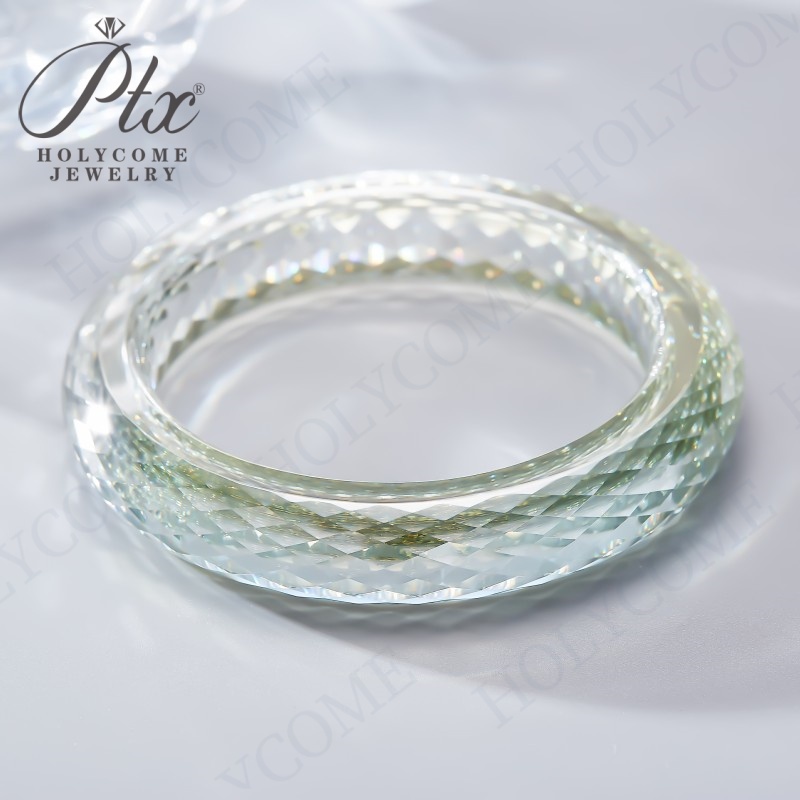
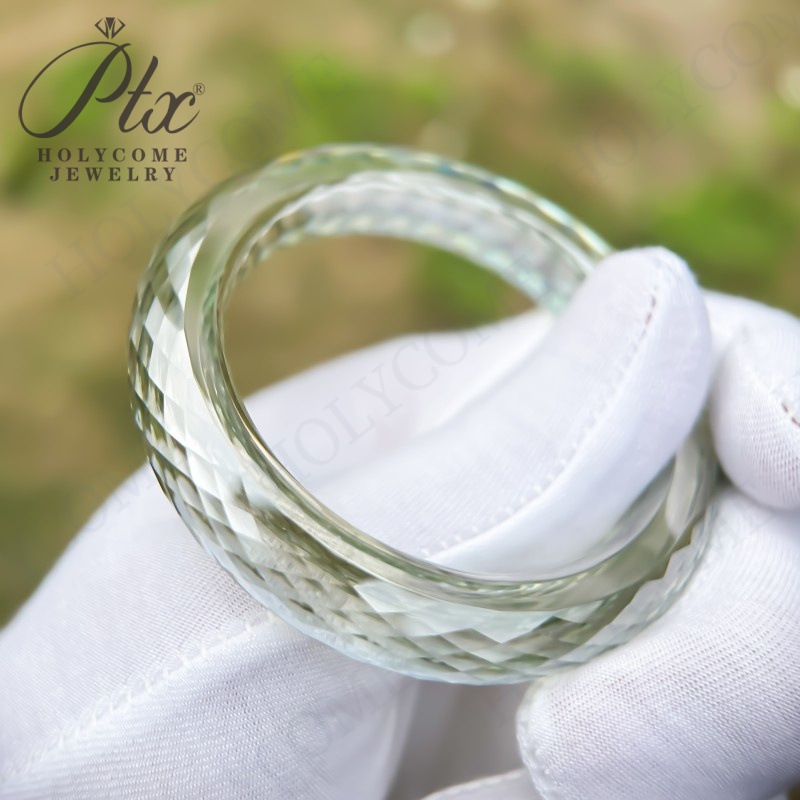
Weight is the fastest tell. A piece that is hollow will feel feather-light in the hand, especially a hoop or a bangle. A piece that is properly formed has a certain density. Pick up a known-good sample from your own inventory and hold it next to the new piece. If the new one is noticeably lighter, the wall is thinner, and the plating will wear through faster.
Magnet test: ferrous base metals attract a magnet. Sterling silver, solid gold, and brass do not. A strong attraction is a strong signal the piece is plated steel or iron, which will rust from the inside out. Non-ferrous alloy will not stick, which is fine — most fashion jewelry is non-ferrous. The magnet is a filter, not a verdict.
Setting and stone work
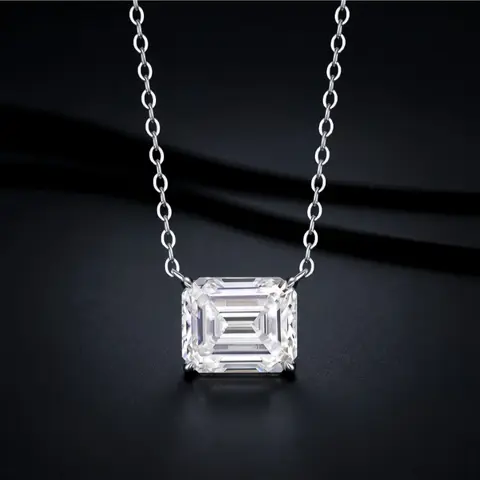
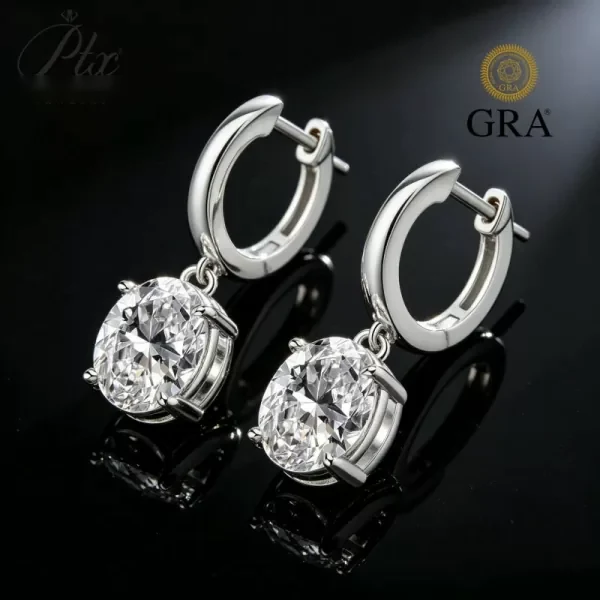
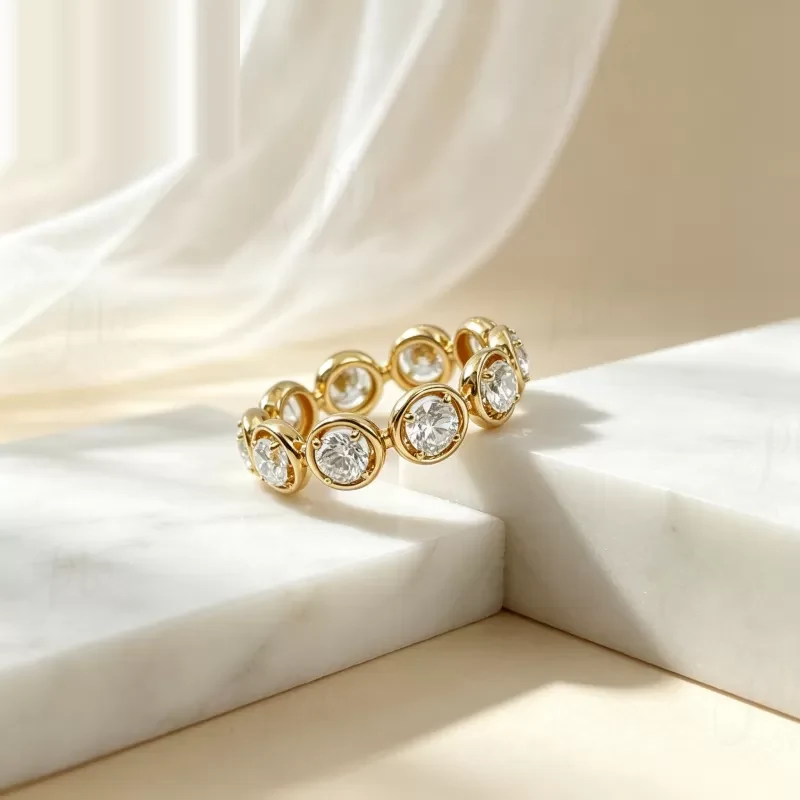
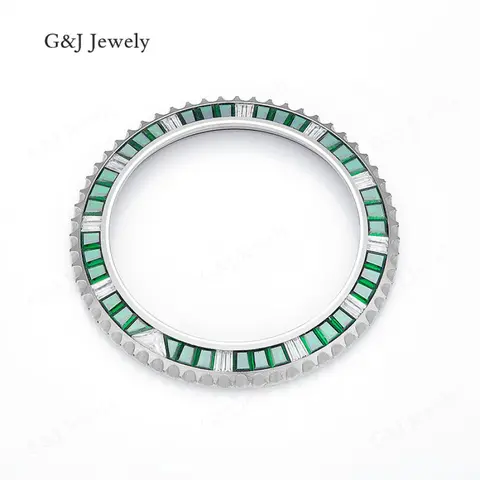
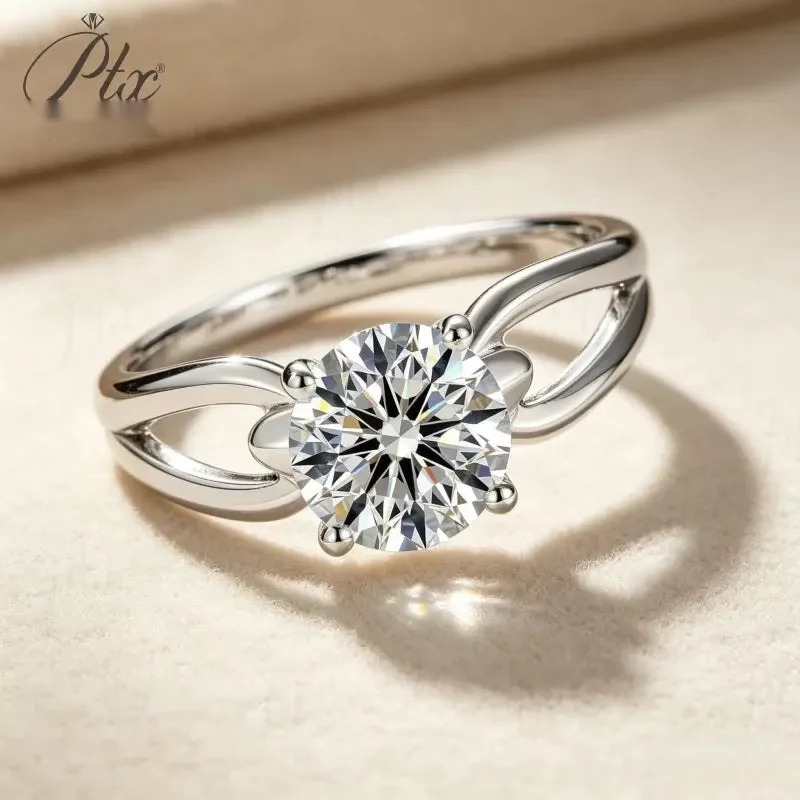
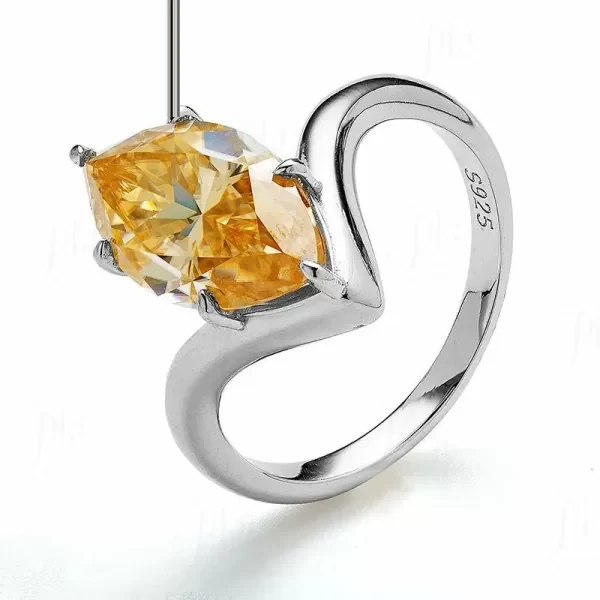
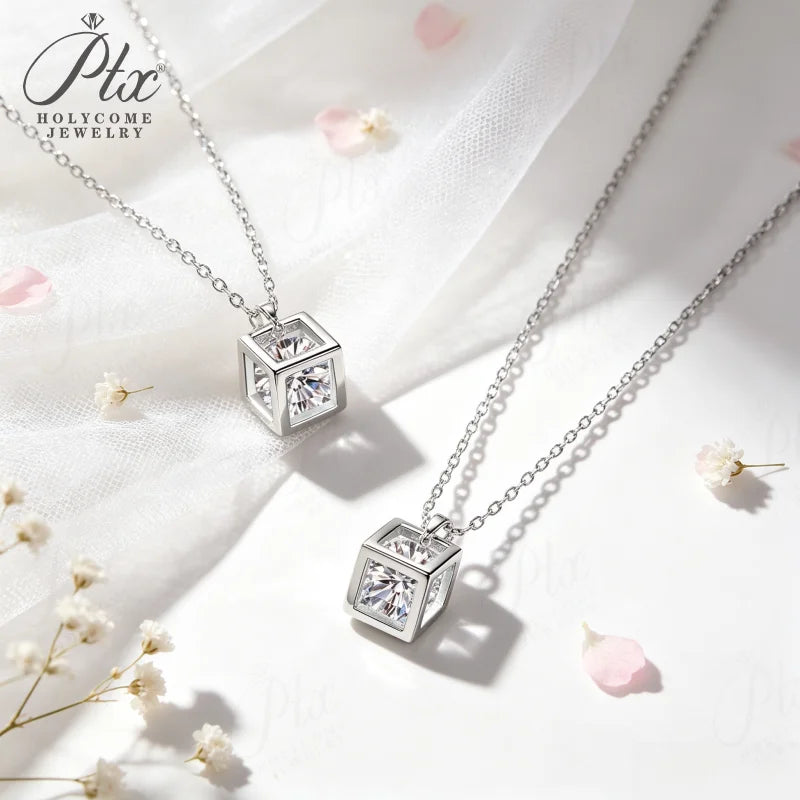
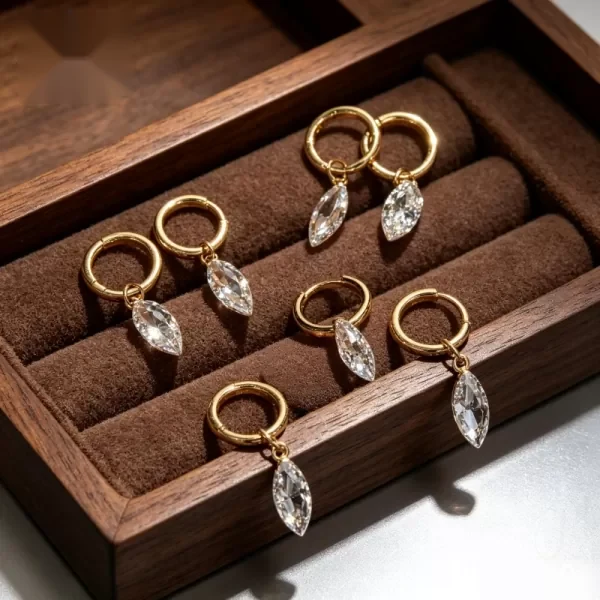
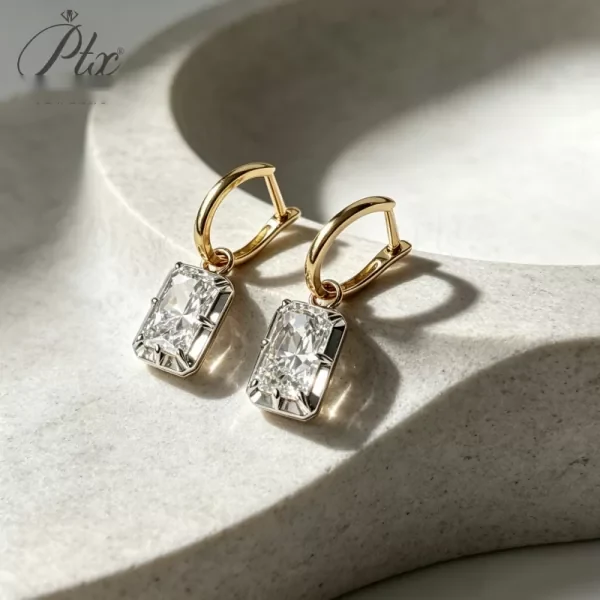
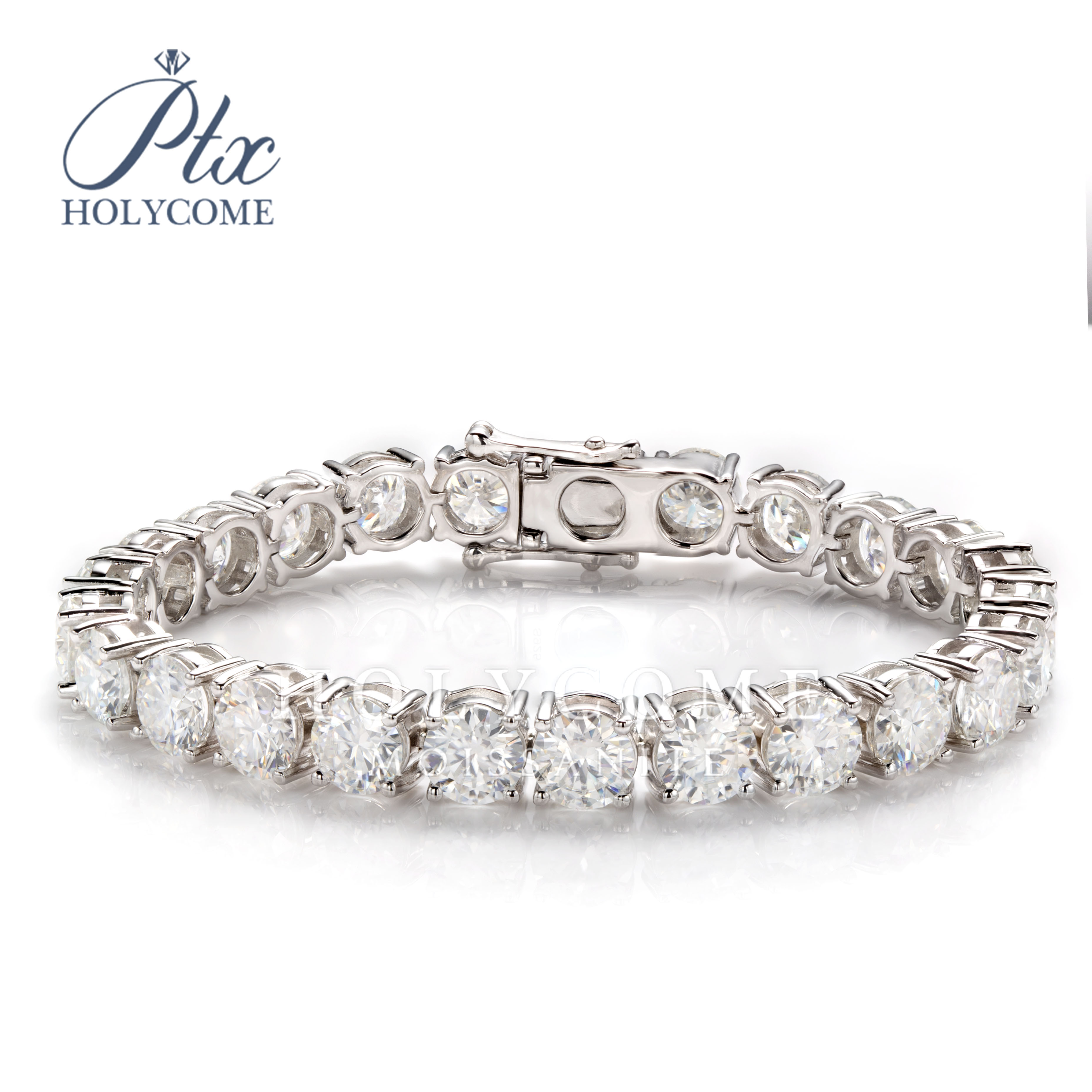
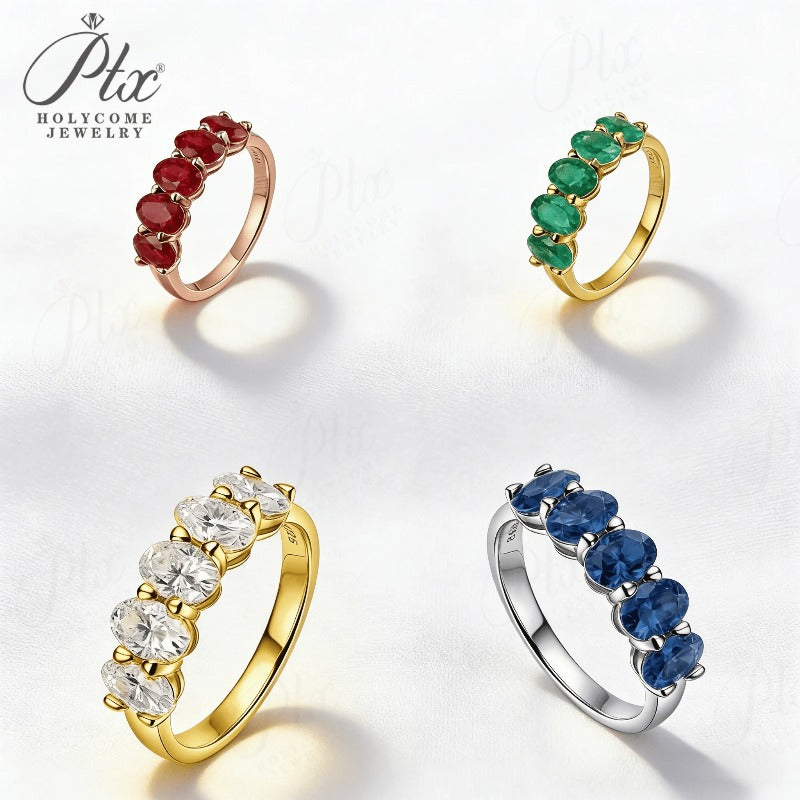
Turn the piece over. Look at the back. On a quality piece, prongs are rounded and sit flat against the stone. On a low-quality piece, prongs are sharp, uneven, or visibly bent, and the stone wiggles when you tap it lightly with a fingernail. The stone edge itself: a well-cut CZ or moissanite has no window, no cloud, and no visible glue line around the setting. If you can see glue seeping around the bezel, the piece was not made to last.
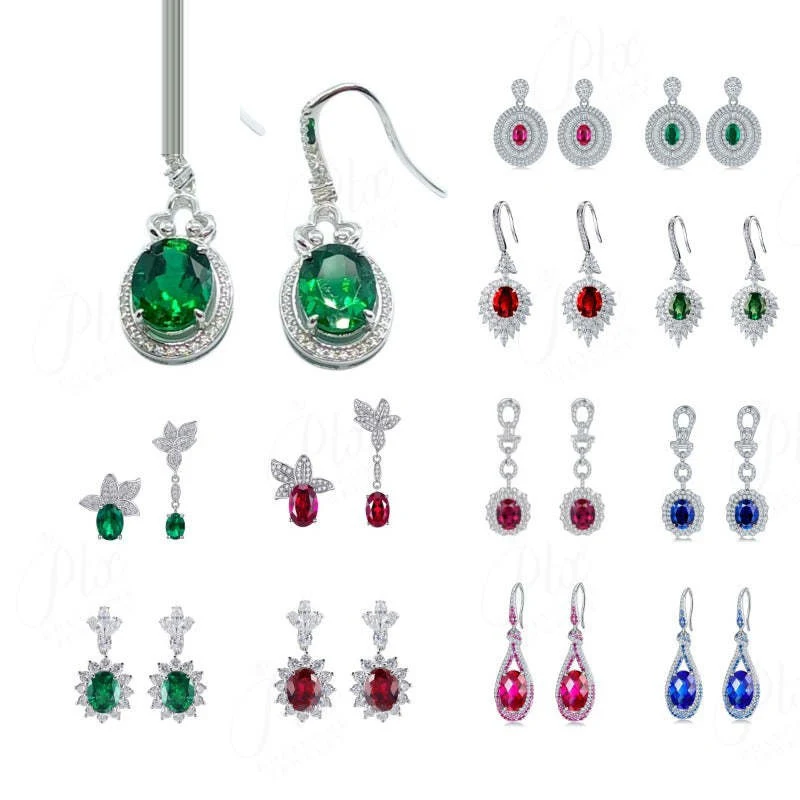
If you are sorting stone quality, our guide to A, AA, and AAA grades walks the tiers. And if you want to know what a clean CZ or zircon piece should look like side by side, the zircon buying guide shows the range.
Plating and finish
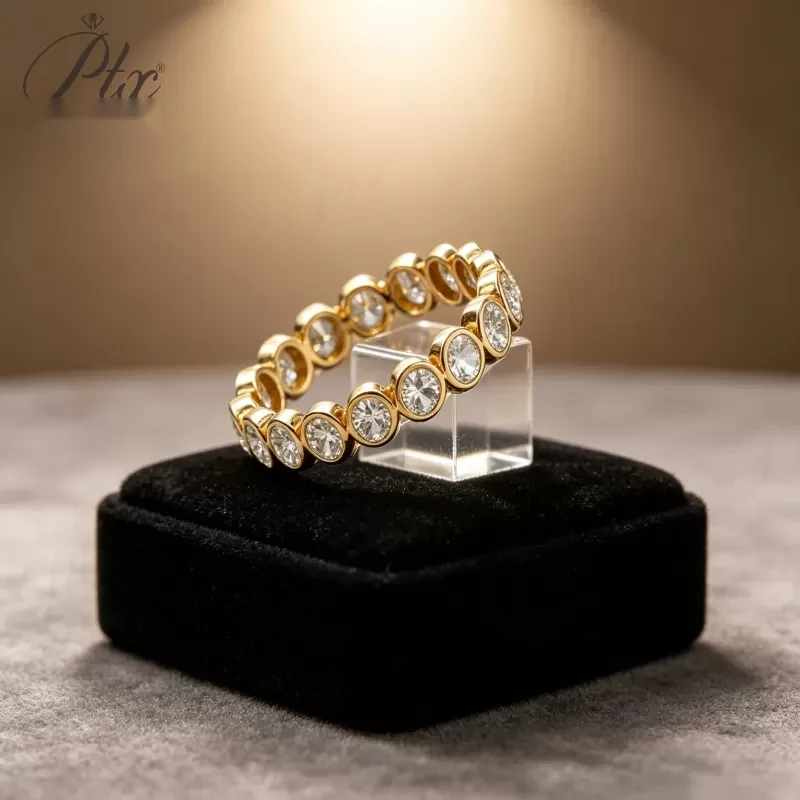
- Edge roughness: run a fingertip around the outside of a hoop or the edge of a pendant. A burr means the stamping die is worn.
- Plating drip: a thin line of gold or rhodium pooled at the bottom of the piece. It will chip first.
- Visible seam: the mold line on a cast piece should be polished flat. If you can feel it, the piece was finished quickly.
- Post finish: earring posts should be straight, with a clean butterfly back that grips. A loose back means lost earrings in the customer's first week.
- Clasp feel: pull the spring clasp open five times. It should close with a snap every time, not a lazy click.
Smell the piece. A faint sulfur or chemical smell on a new piece suggests cheap plating chemicals that will react with skin. Your nose is doing quality control for you.
What to do with a suspect shipment
Do not guess. Pull a random sample of five pieces from the shipment, test them against the checklist, and photograph the defects. If two of the five fail, the whole batch is suspect. Send the spec sheet back to the supplier with the photos. Most factories will replace a failed batch rather than lose a repeat customer.
For the longer version, our bulk quality control guide lays out the full inspection sequence. The buyers who survive long-term are the ones who inspect every reorder, not just the first order.
Cheap does not mean bad
The point of this checklist is not to demand fine-jewelry standards on a $5 fashion earring. It is to know what you bought. A hollow hoop sold as a hollow hoop at the right price is a good product. A hollow hoop sold as "solid" is a problem. Honest labeling, clean finish, and a clasp that works are the bar. Most factory lines meet it. The ones that do not will reveal themselves in the first thirty seconds of pickup.
Common factory defects you can reject
When you inspect a bulk shipment, five defects show up more than any others. A stone that spins in its setting, even slightly. A post that is bent or off-center on an earring. A clasp that will not stay closed when you tug it. Plating that is visibly darker on the back than on the front, which signals a rushed plating bath. And a sharp edge on the inside of a bangle or band that will scratch the wearer.
Each of these is a reject on its own. If you find two or three pieces with the same defect in a 50-piece sample, the whole batch is suspect, because the factory problem is systematic, not random. Send photos with the defect circled. Most factories will replace a batch like this rather than argue, especially if you are a repeat buyer.
What to tell your customer when you sell it
The goal is not to sell fine-jewelry promises on fashion-jewelry pieces. Be honest about the category. Say "gold-tone" instead of "gold" when it is plated. Say "cubic zirconia" instead of "diamond" unless it really is. Customers do not return pieces that match their expectations. They return pieces that were mislabeled, exaggerated, or dressed up. A short, honest product description is the cheapest quality control you will ever run.
Independent background on moissanite — how its hardness and refractive index compare with diamond — is documented in the Wikipedia article on moissanite.
Frequently Asked Questions
How do I verify a factory before placing a bulk order?
Request a production video, business license, export records and a paid sample run. A factory that accepts a 50-piece test order is usually a real manufacturer.
What payment terms do you offer?
30% T/T deposit with the balance against the bill of lading. This protects both sides on first orders and can move to net terms after a track record.
What is your normal reject rate?
3–5% under 10x loupe inspection for cast and set pieces. Defective units are replaced free in the next shipment.
Where is the factory located?
Wuzhou, Guangxi, China—the core lab-grown and moissanite manufacturing cluster. Shipments go via Guangzhou or Shenzhen ports.