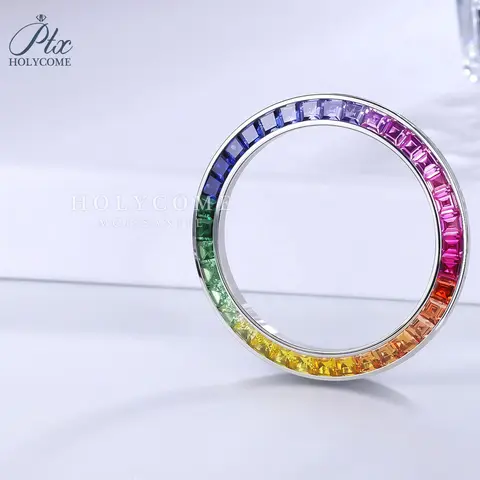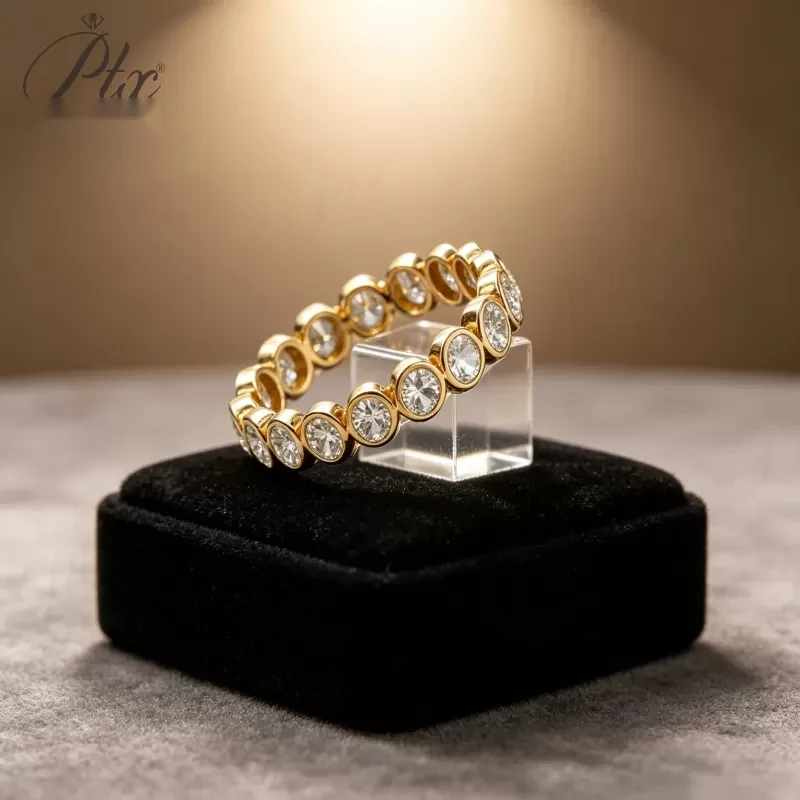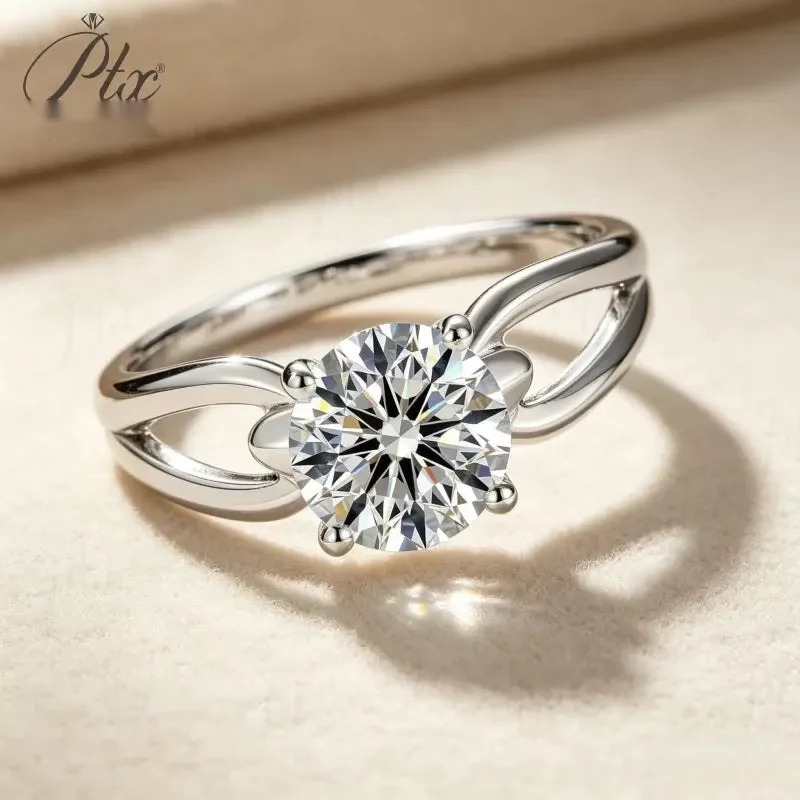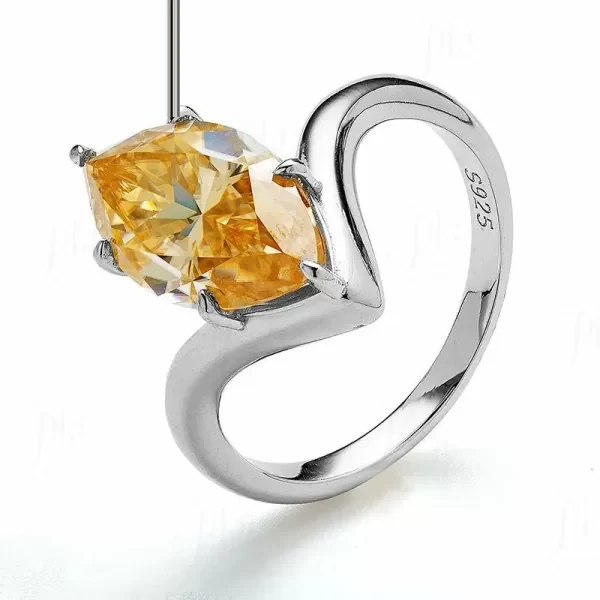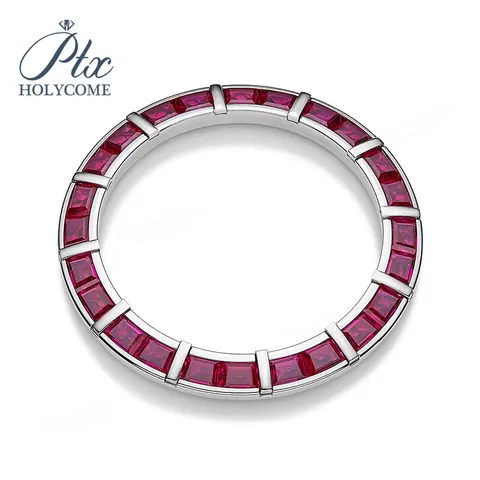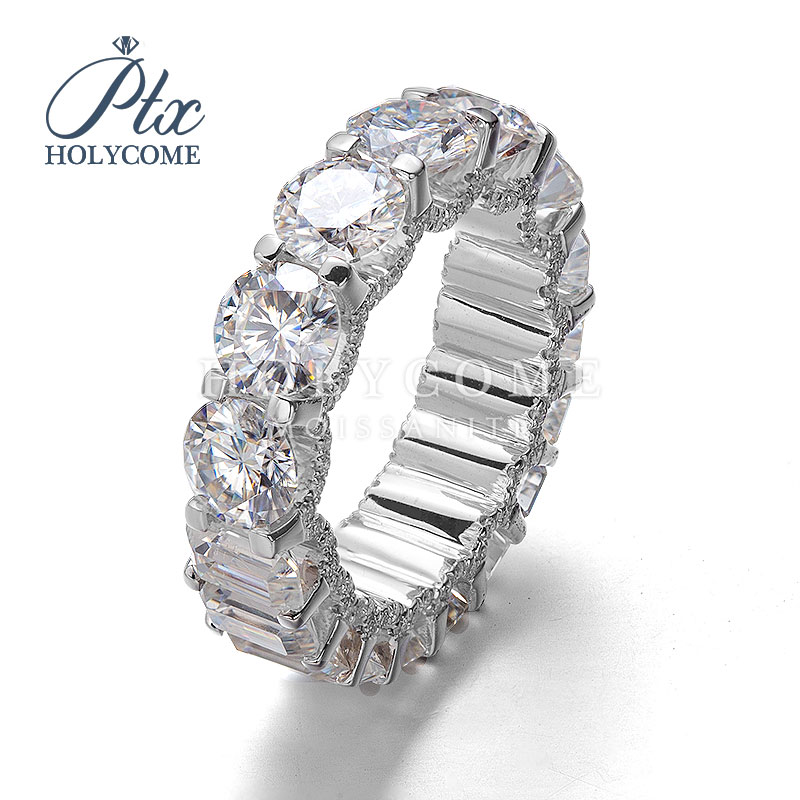
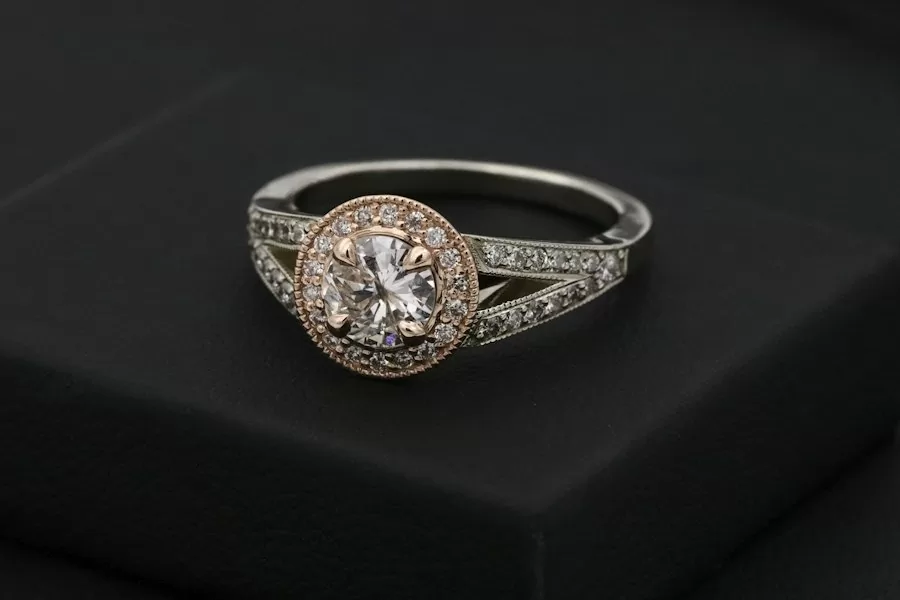
Stackable rings are the easiest AOV lift in the ring category. A customer who buys one plain band may come back next quarter. A customer who buys three bands in a stack walks out with a $36 order instead of a $12 one. Wholesale buyers who understand the combination formulas can merchandise their ring trays in a way that pushes the customer to build the stack.
The three-band formula
Most customers default to three rings per hand ring finger. The classic formula is one statement band, one texture band, one smooth band. The statement band might carry a small CZ, a milgrain edge, or a hammered texture. The texture band is twisted rope, beaded, or engraved. The smooth band is a polished or matte plain. Three widths that work together: 2mm, 3mm, and 1.5mm.
For the buyer stocking the category, start with this ratio. Our stackable rings guide maps the widths and sizes customers actually order in. The mistake new buyers make is buying twenty statement bands and three plain ones. The plain band is the connector that makes the stack work, and it is the piece that restocks most often.
Matching tones
- Same-tone stack: all gold or all rhodium. Safest, sells all year.
- Two-tone stack: gold center band with rhodium on either side. Trendier, higher AOV, but a smaller audience.
- Rose-gold accent: one rose band in a neutral stack. Sell-through is strongest in spring and around Valentine's.
Teach the customer the rule: at most two tones per hand. A hand carrying three different metal finishes looks busy, and busy stacks are the ones that come back.
Stone shapes that stack well
Not every stone shape stacks cleanly. Round stones and flat-bezel stones sit flat against the next band. Marquise and pear shapes catch on the adjacent ring and cause returns. If you are selling stacks, prioritize round CZ, flat ovals, and baguette stones set horizontally. Avoid tall, cathedral-style solitaires in a stack — they look great alone and terrible next to a plain band.
Sizing half-steps
Stacked rings fit tighter than single rings. A customer who wears a 7 alone will often need a 7.25 when she stacks three bands. Wholesale buyers should stock half sizes in the three most common widths, and label the stack tray with a note: "stacked sets run tight — size up half." That single note cuts return rates on stack bundles by a meaningful margin. For the full sizing breakdown, our alloy ring sizing guide covers the width-to-size tradeoff.
What about tarnish?
Stacked rings rub against each other. That friction polishes plating off faster than a single ring would see in a year. If you are selling stack bundles, invest in the thicker plating tier. The buyer who stacks daily will notice plating wear within weeks if the band is thin-plated. Our piece on gold-plated alloy ring tarnish shows the microns level that holds up to stacking.
Merchandising the stack
Display stacks already built. A hand model with three rings on each finger does more than a wall of singles. Card three bands together at a bundle price, and leave singles on the tray for the customer who wants to mix. The bundle converts the browsers; the singles let the enthusiasts build their own.
For wholesale buyers, the action item is simple: pull a small stack tray of three widths in two tones, price the bundle at roughly 10 percent off the singles, and watch which width sells out first. That width is your restock. The stack category rewards testing combinations more than chasing new designs.
The five-finger formula
Once a customer is hooked on stacks, she will spread them across five fingers. The formula most boutiques teach is: one statement on the ring finger, one smooth band on the middle, one texture on the index, one slim band on the pinky, and an optional midi on the thumb joint. That is four to five rings per hand, and it is a $60 to $90 basket if the customer starts with one. Teach this on a hand model at the tray, not on a printed sheet. The customer needs to see it worn.
Wholesale buyers should stock the plain smooth band in every width, because it is the connector. The statement band gets two designs. The texture band gets three. The ratio 1:2:3 across statement, texture, and smooth is a reasonable starting point, and it shifts toward smooth as the customer base builds.
Mistakes customers make that cause returns
Three stack mistakes drive returns. Too many tones in one hand. Tall cathedral stones next to slim bands. And stacking on the same size they wear alone, then wondering why the pile feels tight. The tray card that solves all three is short: "two tones max, mix heights, size up half for stacks." That one card does more for your return rate than any product description.
Rhodium plating, which gives white gold jewellery its bright finish, is covered in the Wikipedia article on rhodium.
Frequently Asked Questions
What ring sizes can you supply in bulk?
US sizes 5–12 including half sizes. Send a size breakdown with your order and we cast to that curve; comfort-fit inner bands reduce resize requests.
Can I order a mixed size run instead of one size?
Yes. Mixed runs are standard for wholesale: specify quantity per size and we pack and label by size at no extra labor cost.
What is the MOQ for custom ring designs?
50 pieces per design for existing molds; 100–300 pieces when a new mold or CAD model is required.
How should I price rings for retail margin?
Most partners use a 3–4x markup on FOB cost for sterling and 2.5–3x for moissanite solos, which keeps landed cost under 30% of retail.