Synthetic Stones Supplier for Jewelry Stores: plating thickness an
Choosing the Right Plating Thickness for Your Synthetic Stones
When you order synthetic stones from a supplier, the plating thickness is the first thing you should ask about. It determines how long the finish will last under everyday wear and cleaning. A thick plating, usually 50+ microns, will resist scratches and tarnish for years. A thinner layer, around 20 microns, may look bright initially but will show wear after a few months of use.
Our 12‑18 day production cycle ensures that each piece is plated to the exact thickness requested. We use a three‑stage quality check: incoming stone verification, in‑process plating inspection, and pre‑ship AQL compliance. These steps guarantee that the finish on every piece matches the specification you order, giving you confidence that the stones will stay vivid for your customers.
Why Plating Thickness Matters for Tarnish Resistance
Tarnish occurs when the metal plating begins to oxidize. With pure synthetic stones, the risk is minimal, but the metal used in the setting can still react to moisture, sweat, or cleaning solutions. A thicker plating acts as a stronger barrier, reducing the chance of visible tarnish. In contrast, a thin plating may expose the base metal, leading to discoloration within weeks.
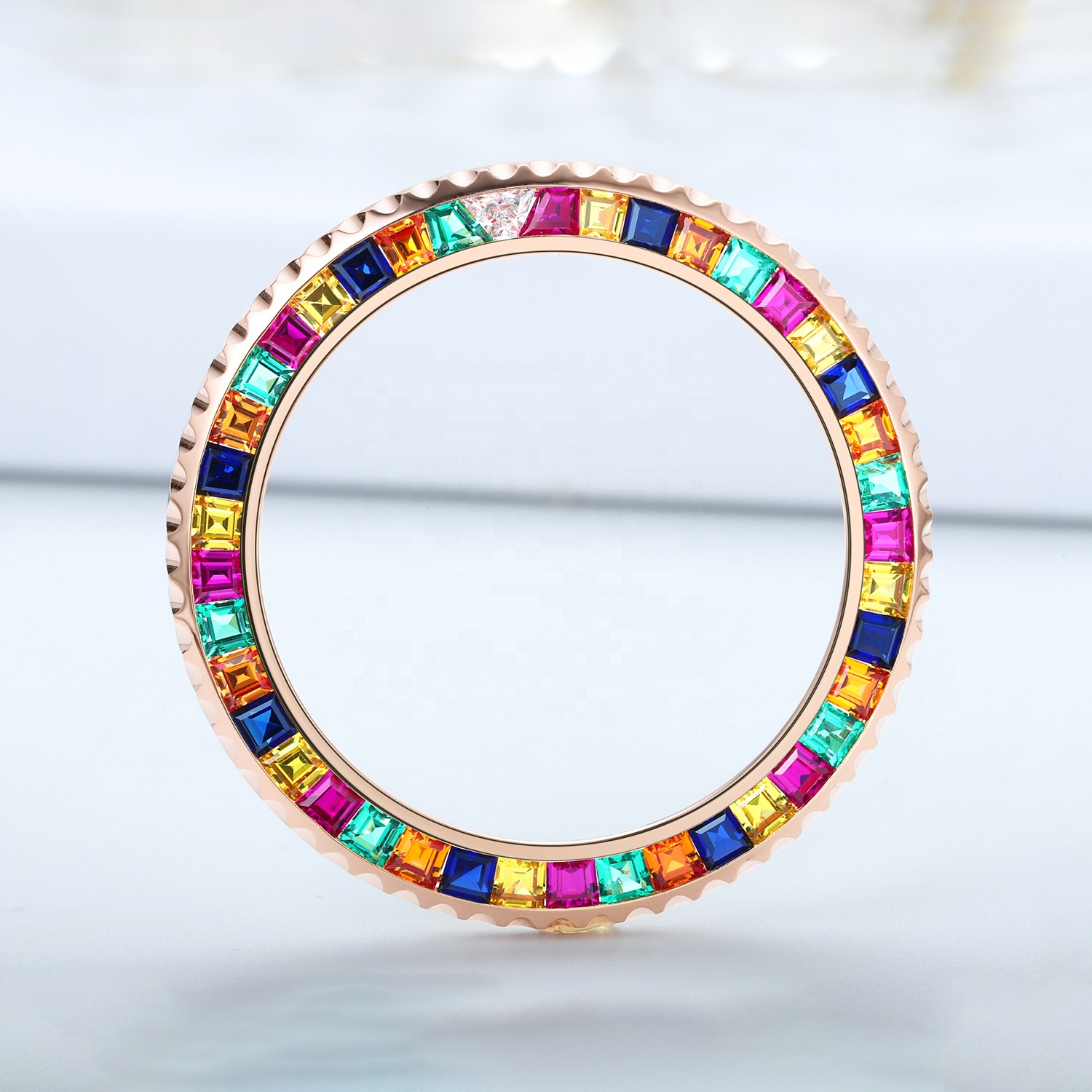
Our customers often choose plating thickness based on the target market. Jewelers selling to high‑end clients typically opt for 70+ micron gold plating, while budget lines may use 30 micron silver plating. We also offer custom color plating, such as rose gold, to match brand aesthetics. The cost difference is modest compared to the longer lifespan and reduced after‑sales service.
Measuring Plating Thickness: A Quick Reference Guide
| Thickness (µm) | Finish Type | Typical Use | Durability (months) |
|---|---|---|---|
| 20–30 | Silver | Budget jewelry | 6–12 |
| 40–60 | White Gold | Mid‑range options | 18–24 |
| 70–90 | Rose Gold | Luxury lines | 30–36 |
This table gives a quick snapshot of how plating thickness correlates with durability. It can help you decide the best balance between cost and longevity for each product line.
Keep in mind that the exact thickness may vary slightly due to the polishing process. Our QC team measures each piece to ensure it falls within the ±5 µm tolerance you set, so you can rely on consistent performance across batches.
Custom Orders: Tailoring Plating for Specific Needs
When you place a custom order of 30 pieces or more, we give you full control over the plating thickness and color. Since custom orders start at a minimum of 30 pieces, the cost per unit decreases, making higher thickness options more affordable. We can also provide GRA or IGI certificates for each batch, adding credibility for your retail partners.
Custom orders also allow you to experiment with unique finishes, such as matte or micro‑textured plating, which can set your brand apart. The production time remains within 12–18 days, and we maintain the same strict QC standards as for stock items, ensuring every piece meets your expectations.
Best Practices for Maintaining Plating Integrity in Retail Settings
- Store jewelry in dry, airtight conditions to limit moisture exposure.
- Encourage customers to use mild, non‑abrasive cleaners for routine maintenance.
- Avoid harsh chemicals such as bleach or chlorine that can accelerate plating wear.
- Provide clear care instructions with each product.
- Offer a simple warranty or return policy to build trust with buyers.
By following these practices, you can extend the life of the plating and reduce the need for re‑plating or customer complaints. Retailers who educate their clients about proper care often see higher customer satisfaction and repeat business.
How Plating Thickness Impacts Pricing and Lead Time
While the plating thickness does affect production cost, the impact is usually less than 5 % of the final price. A thicker coating requires more material and slightly longer deposition times, but our integrated setting and polishing lines keep the overall process efficient. This efficiency translates into a 20 % better first‑pass yield compared to typical trading companies.
Lead time remains consistent regardless of thickness: 12–18 days from order confirmation to shipment. Once the pieces pass the final AQL inspection, we ship under DDP terms to the US in 5–8 days, or you can opt for T/T payment with a 30 % deposit for larger orders. Samples can be sent via PayPal for instant delivery.
Frequently Asked Questions
What is the minimum order quantity for custom plating?
Custom orders require a minimum of 30 pieces, while stock items can be ordered individually. This ensures cost efficiency and consistent quality.
How long is the typical lead time for an order?
Production takes 12–18 days, and DDP delivery to the US takes 5–8 days. The total time from order to arrival is about 20–26 days.
Do you provide certification for synthetic stones?
Yes, GRA and IGI certificates are available for all orders, and the cost is included in the quoted price. This adds value for retailers who need verified documentation.
Ready to get started? Contact us for a quote or to request samples.