Understanding the Cost Dynamics of Synthetic Stones Wholesale
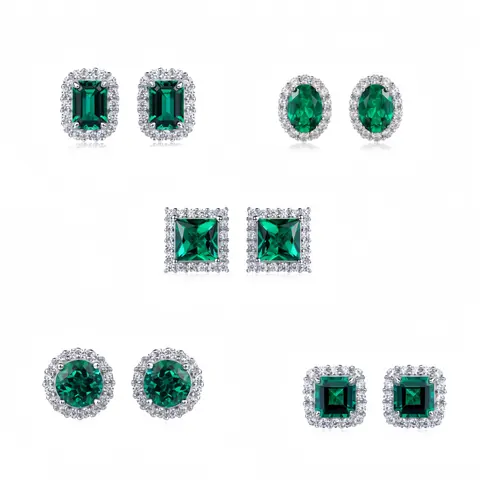
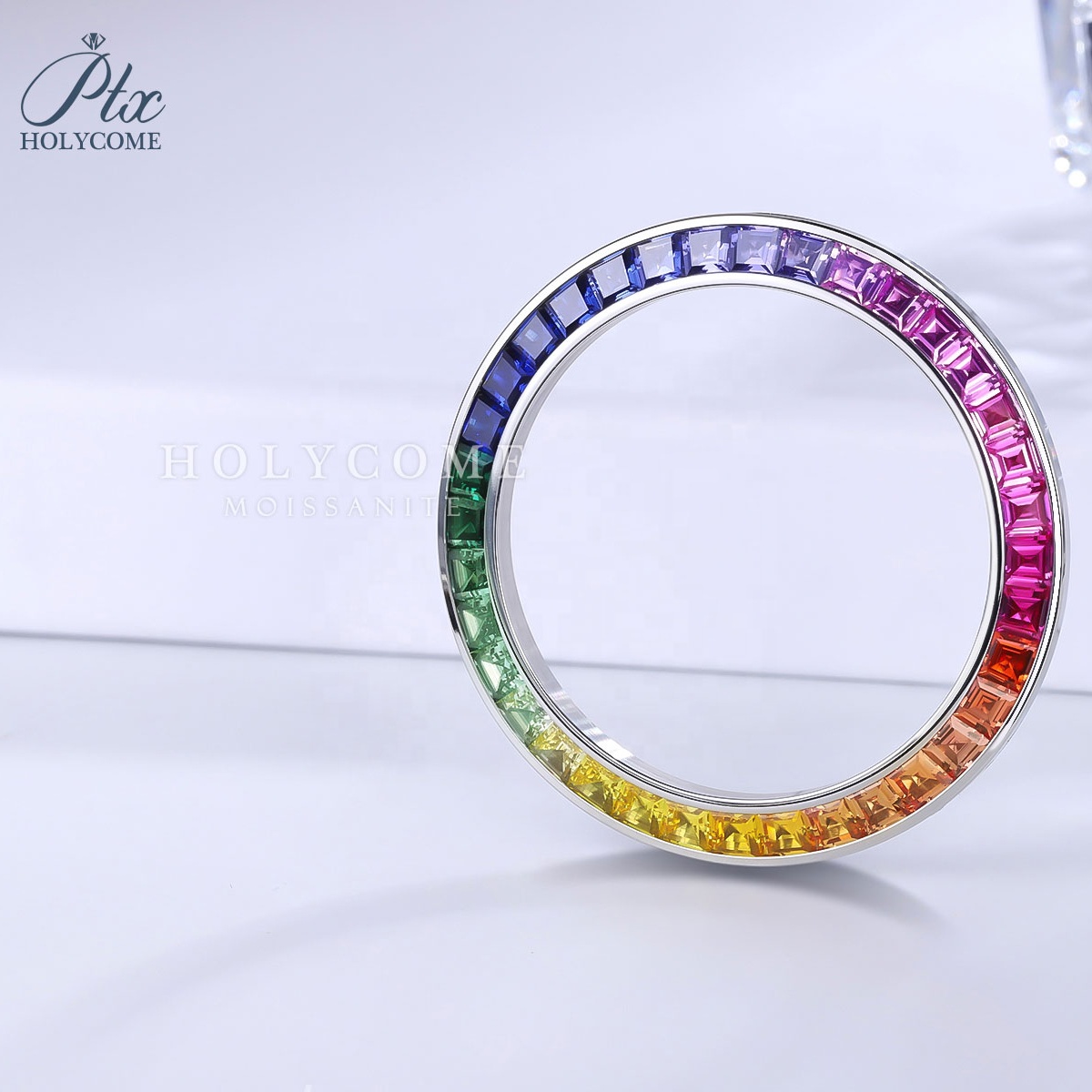
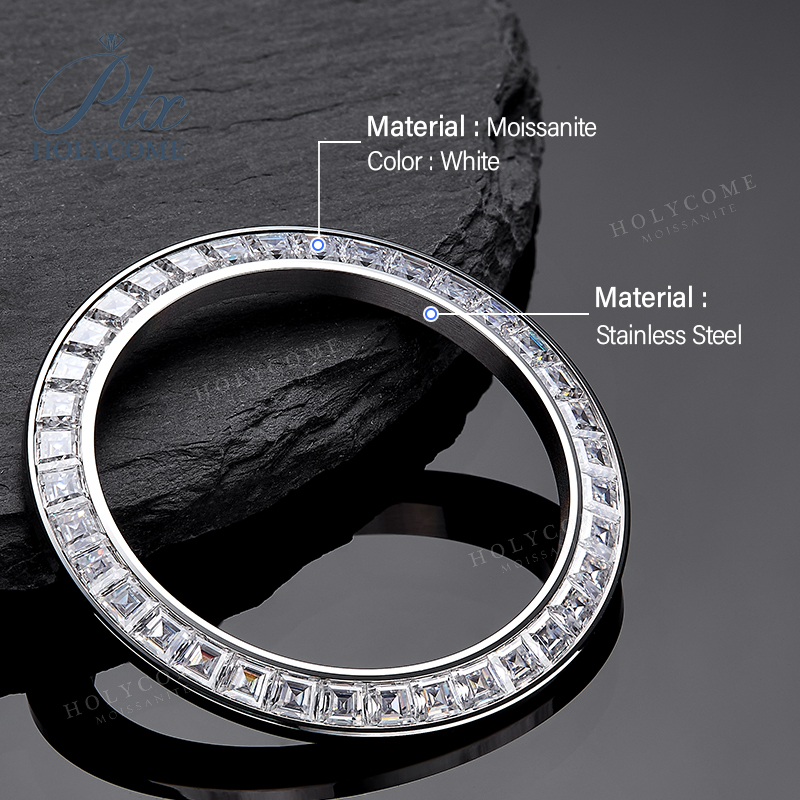
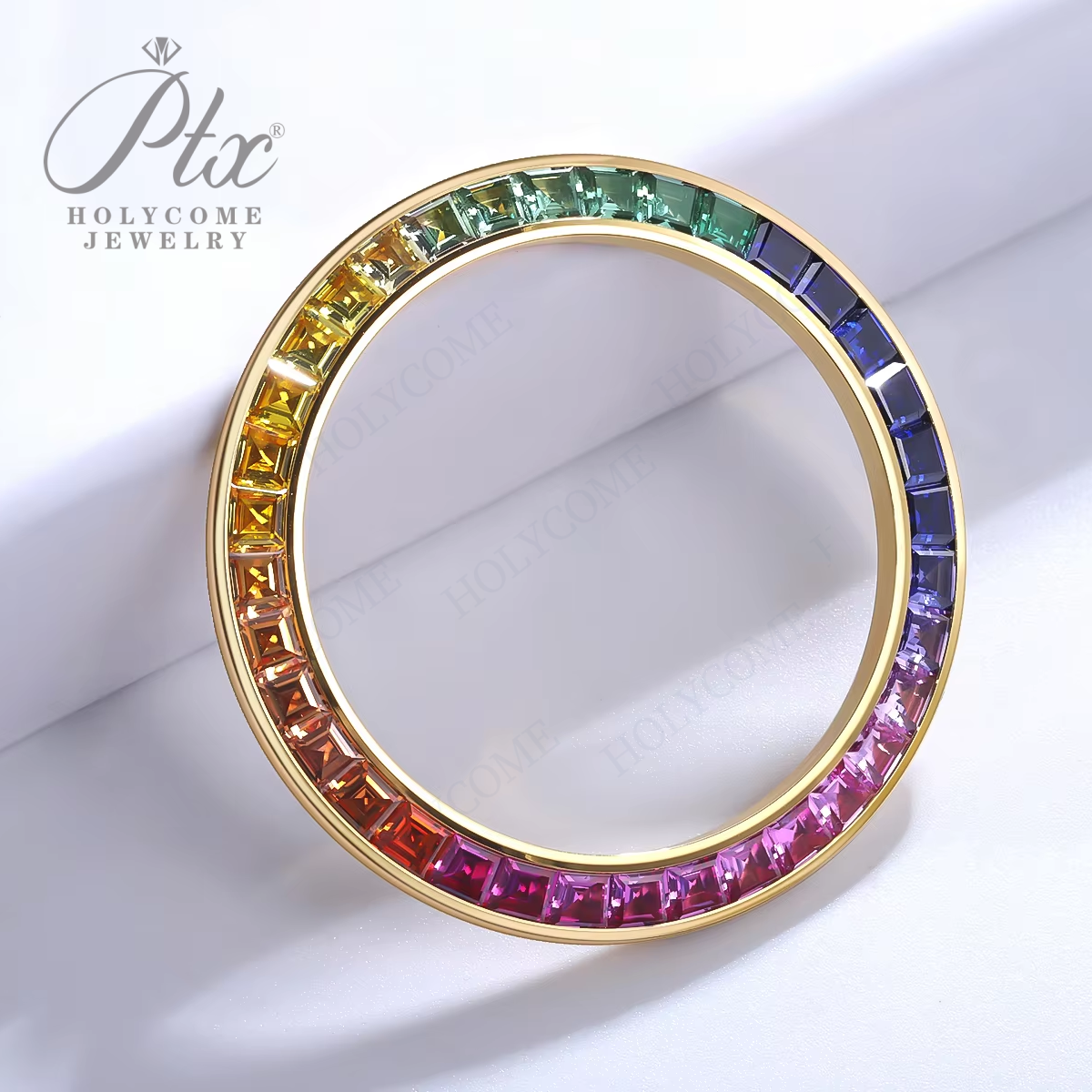
When negotiating prices for synthetic stones, the first lever to consider is the volume you commit to. Unlike natural diamonds, lab‑grown stones can be produced in larger batches, allowing for more predictable pricing tiers. Suppliers often structure discounts at thresholds that align with production batch sizes, so a buyer who can aggregate orders across multiple product lines may secure a better rate.
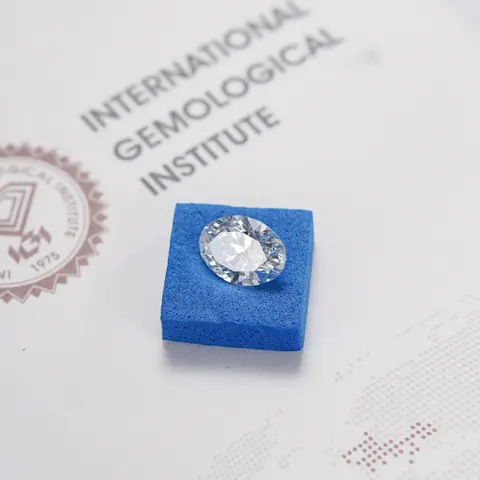
Beyond volume, the choice of certification can shift price points. GRA and IGI certificates carry a premium, but they also provide a marketing edge that can justify a higher margin. Understanding how certification costs are factored into the quoted price will help you negotiate a fair deal that balances quality assurance with price sensitivity.
Leveraging Lead Time Flexibility in Negotiations
Production times for synthetic stones typically fall between 12–18 days. Sellers who offer flexible lead times can negotiate lower prices by shifting demand into off‑peak periods. If a buyer can absorb a longer lead time, a supplier may lower the unit price to fill capacity, especially when raw material prices fluctuate.
Communication is key. The more transparent a supplier about their internal schedules, the easier it is to align order timing with cost savings. Arrange a calendar sync before finalizing the order to lock in lower rates tied to your production schedule.
Price Compare Table for Common Synthetic Stone Types
| Stone Type | Price Range (per carat) | MOQ | Lead Time |
|---|---|---|---|
| Moissanite | $500–$700 | 1 pc (stock) / 30 pcs (custom) | 12–18 days |
| Lab‑Grown Diamond | $1,200–$1,800 | 1 pc / 30 pcs | 12–18 days |
| 925 Silver Setting | $50–$80 | 1 pc / 30 pcs | 12–18 days |
In the table, note how the MOQ remains the same across stone types, allowing buyers to mix and match without additional cost barriers. The consistent lead time also simplifies forecasting and inventory planning.
When negotiating, bring the table into the conversation and ask for “price tiers” based on the aggregate carat weight or total order value. This approach often unlocks incremental discounts that a flat rate might miss.
Negotiating Payment Terms for Better Cash Flow
Many wholesale suppliers require a 30% T/T deposit, but they also accept PayPal for sample orders. If you can secure a credit line or payment extension, it can significantly reduce the upfront cash burn.
Use the deposit as a lever: propose a lower down payment in exchange for a larger volume commitment. Suppliers may also offer a staged payment plan aligned with the three‑stage QC checkpoints, reducing risk for both parties.
Five Quick Negotiation Triggers
- Large aggregate carat volume across multiple orders
- Pre‑payment of multiple shipments in advance
- Requesting bulk discount on certification fees
- Agreeing to longer lead times to fill production slots
- Asking for bundled pricing on stones plus 925 silver settings
Frequently Asked Questions
What is the minimum order quantity for custom jewelry pieces?
Custom orders start at 30 pieces, with a 30% deposit required. Lead time remains 12–18 days, but you can negotiate a lower price if you commit to a higher volume.
How does the lead time affect price negotiations?
If you’re willing to accept extended lead times, suppliers often reduce unit prices. The standard 12–18 day window still applies, but flexibility can unlock savings.
Can I get a sample without paying the full deposit?
Yes, PayPal is accepted for sample orders. For larger orders, a 30% T/T deposit is required, with possible adjustments if you negotiate volume discounts.
Ready to talk pricing? Contact us via WhatsApp at +86 133 7744 7107 or email service@holycome.com to request a customized quote or samples. Happy to help you find the best deal on synthetic stones wholesale.