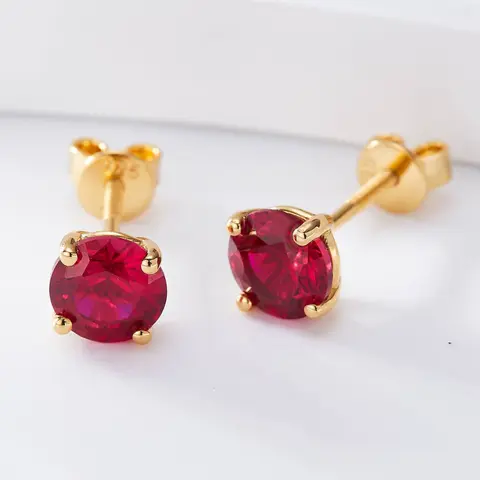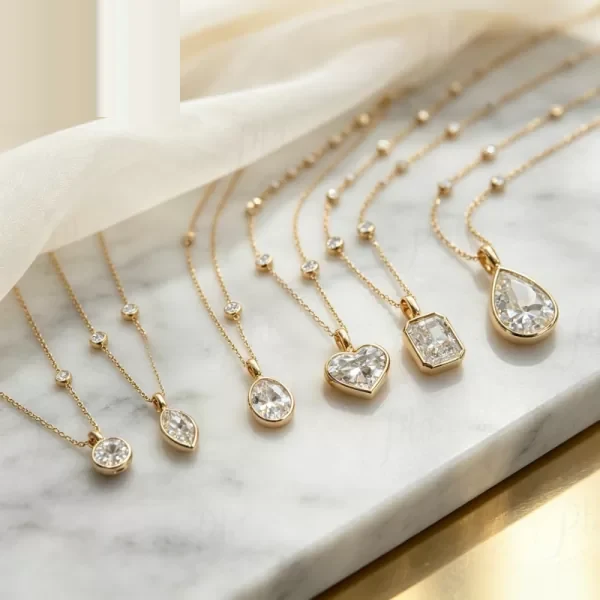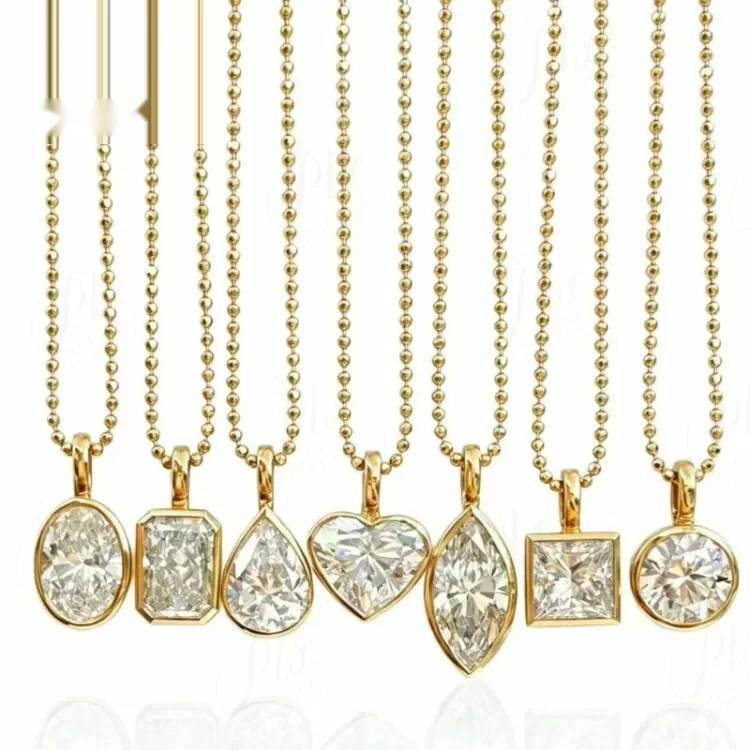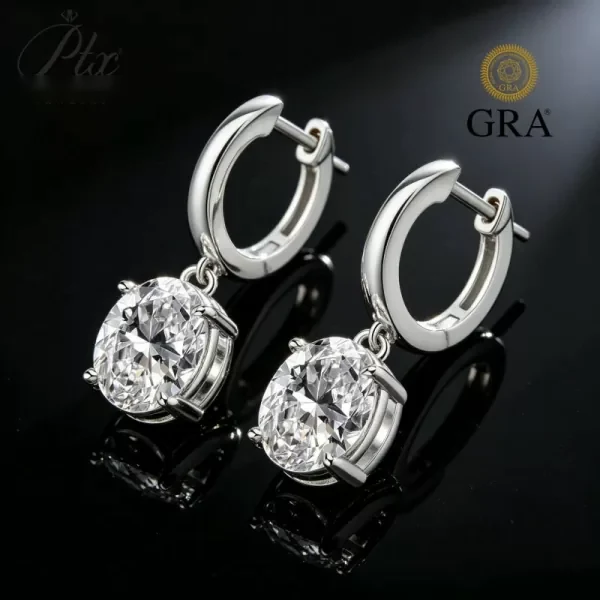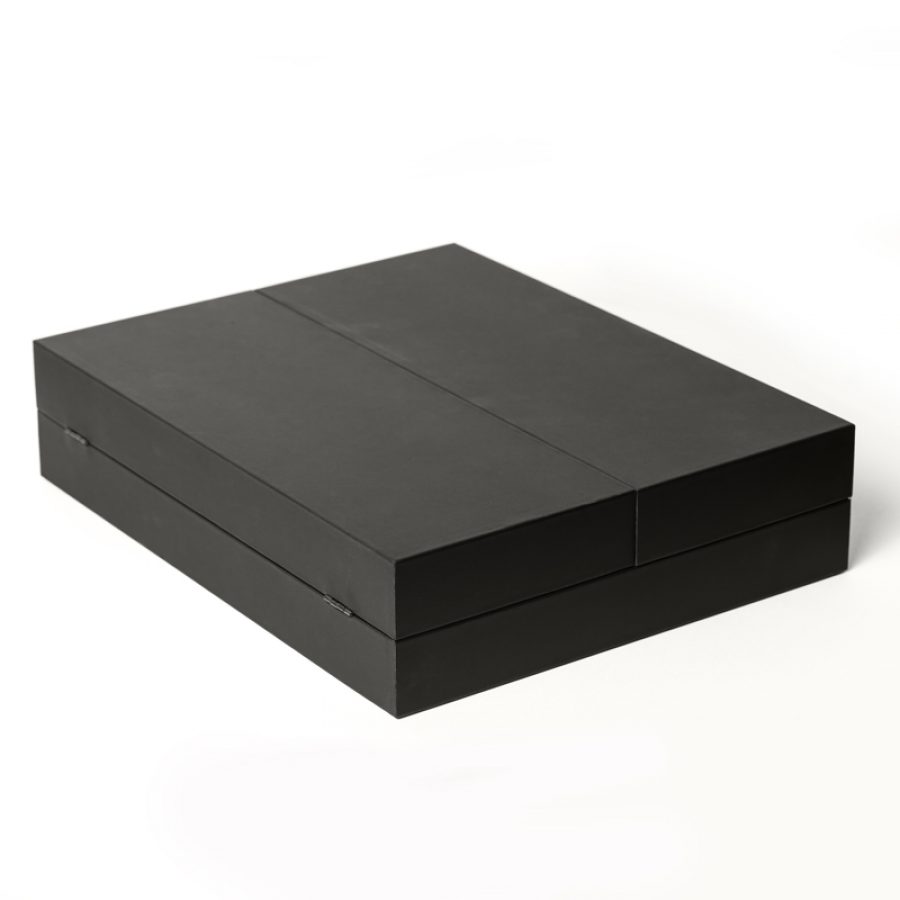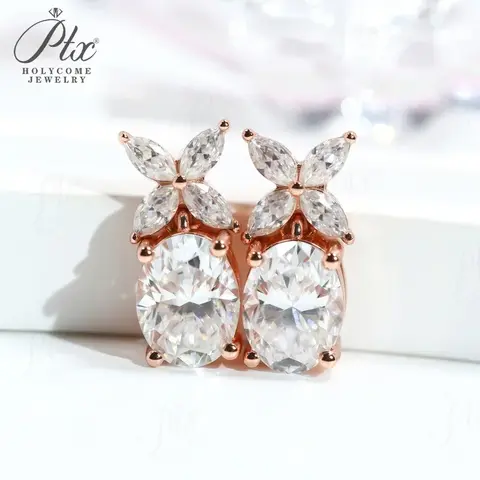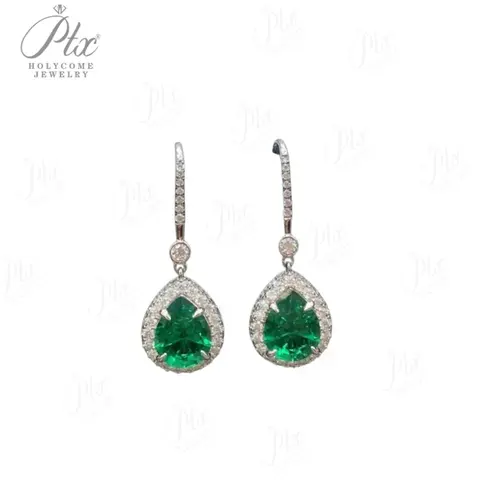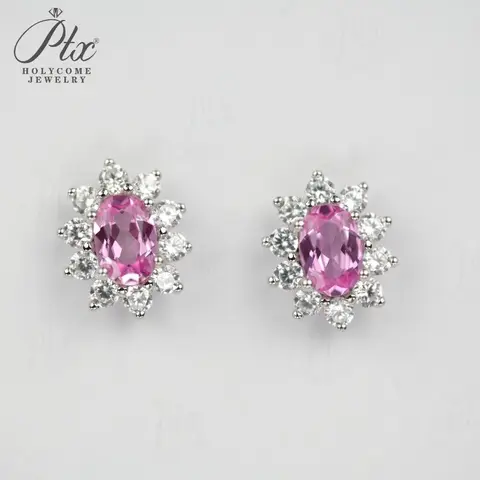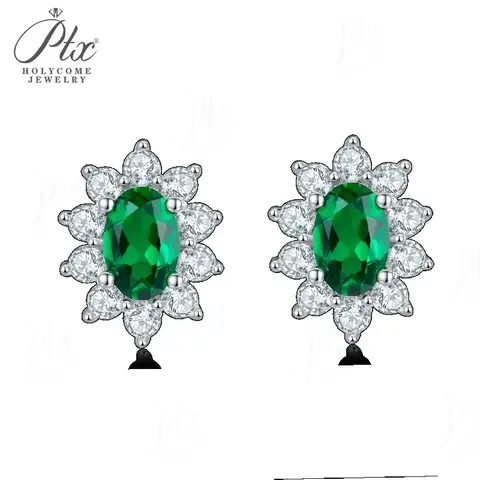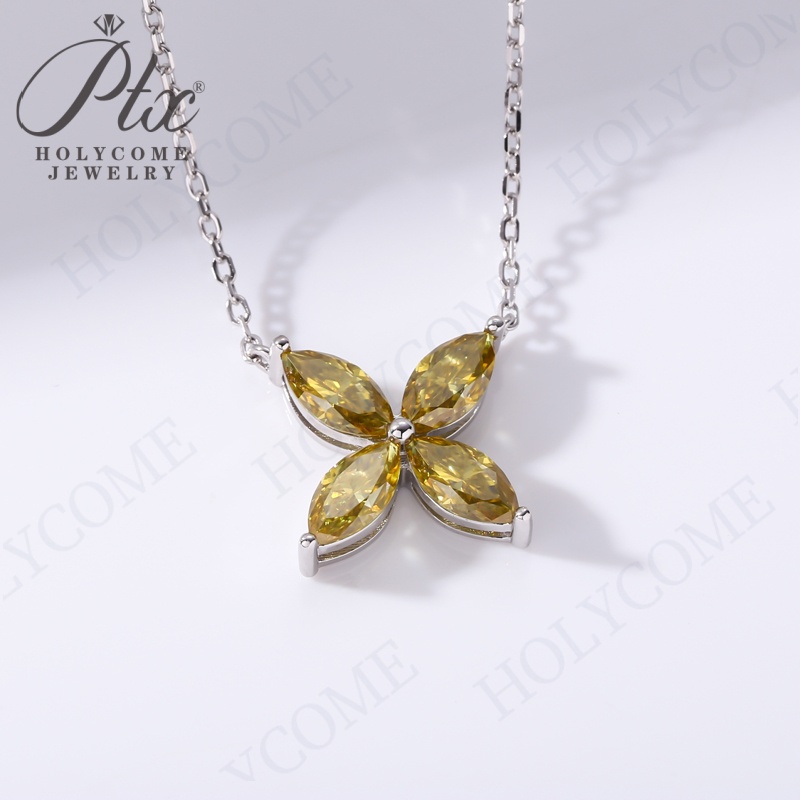
Packing jewelry for a trip is a tiny but universal stress. Customers overpack a dozen pieces, then wear the same two every day. A travel jewelry set solves this directly: two or three coordinating pieces designed to mix into multiple outfits, sold together in one pouch. For resellers, that is a dream product—it bundles low-ticket items into a higher-price sale, solves a real problem, and photographs beautifully on a packed suitcase. Here is how to buy and price them.

What a travel set should contain
The best travel sets are deliberately minimal. Three pieces is the sweet spot: a necklace, a pair of earrings, and either a bracelet or a second necklace. The pieces must be in the same metal tone so they mix with anything. They should be small enough to tuck into a jewelry roll, durable enough to survive a carry-on, and versatile enough to dress up or down. A customer on a city break wants to wear the set with jeans at lunch and the same pieces with a dress at dinner. If it only works with one outfit, it is not a travel set.
Why it sells
Travel sets sell on problem-solving. The marketing copy writes itself: "pack three looks in one pouch," "no more tangled necklaces," "one box, a week of outfits." That framing converts shoppers who would otherwise scroll past individual dainty pieces. It also removes the "what goes with what?" decision fatigue that kills jewelry sales online. For gifting, a travel set reads as thoughtful—more so than a single necklace—because it signals the giver thought about how the recipient actually lives. See our gift-ready sets packaging guide for how to present the pouch.
The combinations that work
The everyday set. A thin chain, small studs, and a slim bracelet in warm gold. Goes with everything.
The occasion set. A small pendant, pearl or crystal studs, and a dainty bracelet. For dinners and events on the trip.
The layering set. Two short chains of different lengths plus matching studs. Directly rides the layered necklace trend.
Whichever combination you choose, keep the palette tight. Mixed-tone travel sets confuse travelers; they want pieces that obviously go together.
Buying and pricing
A travel set is a margin-friendly bundle. Buy the three pieces separately at wholesale, package them in a small velvet or linen pouch, and price the bundle modestly below the sum of the parts. Customers perceive the set as a deal, and you move three SKUs per transaction instead of one. This is the same logic behind our pricing jewelry sets for profit approach: the bundle lifts AOV while feeling like a value to the shopper.
Watch the durability
Travel jewelry takes abuse—it is tossed in a bag, rubbed against keys, exposed to hotel humidity. Inspect clasps and plating at sample stage. A travel set that tarnishes on the first trip generates returns. Choose pieces with solid clasps and reasonably thick plating, and include a small anti-tarnish strip in the pouch. Done right, the travel set is the product a customer buys before a trip, posts on social, and comes back to refill for the next one—a repeatable seasonal seller tied directly to vacation and holiday travel windows.
The International Gem Society moissanite guide explains how moissanite performs in daily wear compared with diamond.
Authoritative References
For buyers who need to verify the technical and regulatory basis of this guide, the following independent institutions publish authoritative reference data:
- ISO 9001 Quality Management - the international standard for consistent production quality.
- Wikipedia: Jewellery - manufacturing processes, materials and global trade background.
Frequently Asked Questions
How do I verify a factory before placing a bulk order?
Request a production video, business license, export records and a paid sample run. A factory that accepts a 50-piece test order is usually a real manufacturer.
What payment terms do you offer?
30% T/T deposit with the balance against the bill of lading. This protects both sides on first orders and can move to net terms after a track record.
What is your normal reject rate?
3–5% under 10x loupe inspection for cast and set pieces. Defective units are replaced free in the next shipment.
Where is the factory located?
Wuzhou, Guangxi, China—the core lab-grown and moissanite manufacturing cluster. Shipments go via Guangzhou or Shenzhen ports.