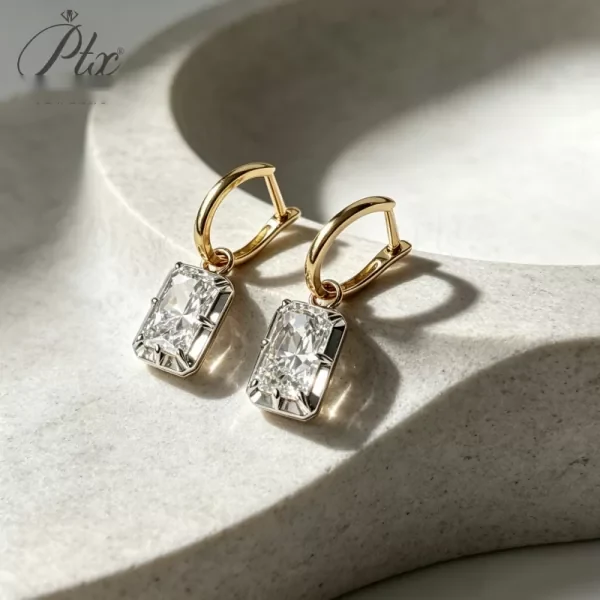
Every spring and fall, a huge group of shoppers realizes they have a wedding coming up and nothing to wear. They are not buying an engagement ring or a bridal set. They are buying the finishing touch—earrings that photograph well, feel appropriate in a church or a garden, and do not upstage the couple. For resellers, wedding-guest earrings are a reliable, repeatable seasonal category with low return rates and strong gifting impulse.
Silhouettes That Work Across Dress Codes
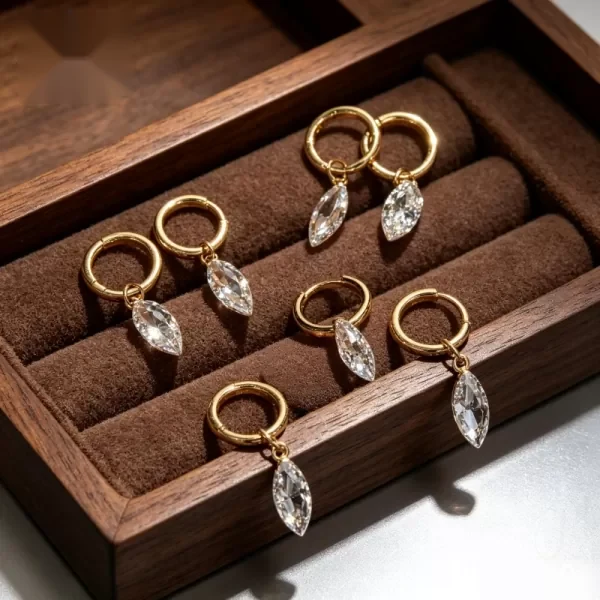
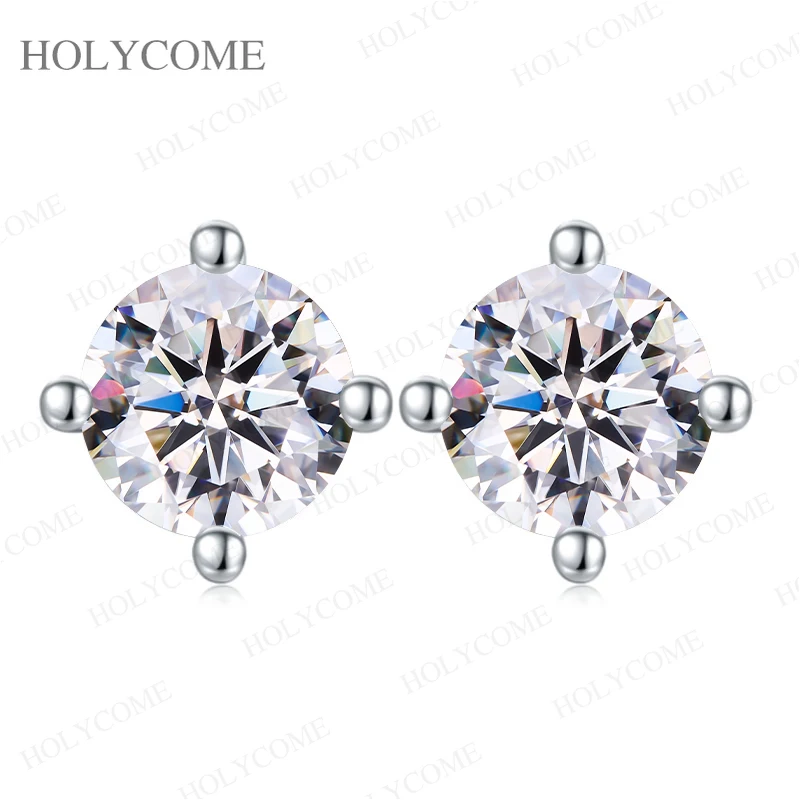
A wedding guest could be facing a garden ceremony, a black-tie reception, or a beachside brunch. The safest, most resellable silhouettes are medium drop earrings, elegant small hoops with a pearl or crystal detail, and classic studs in a slightly dressy material. These shapes read as occasion-appropriate without screaming "bride."
Avoid very long chandelier drops for the guest category—those lean too bridal and can block a neighbor's view in a ceremony. Instead, stock drops that finish around the jawline. That length flatters every face shape, photographs cleanly, and stays comfortable through a four-hour reception.
Colors That Sell Through Every Palette
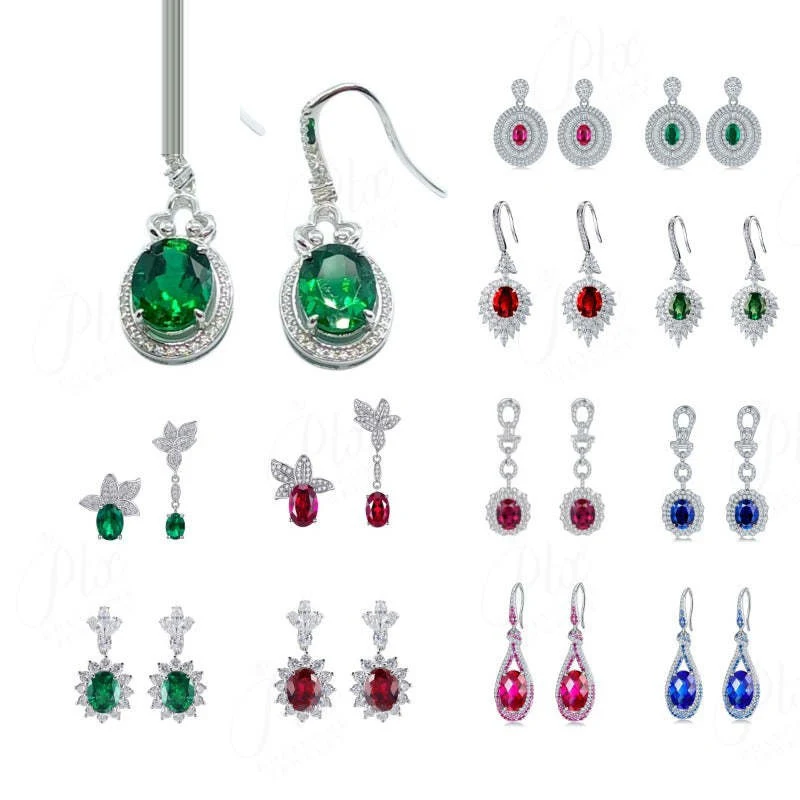
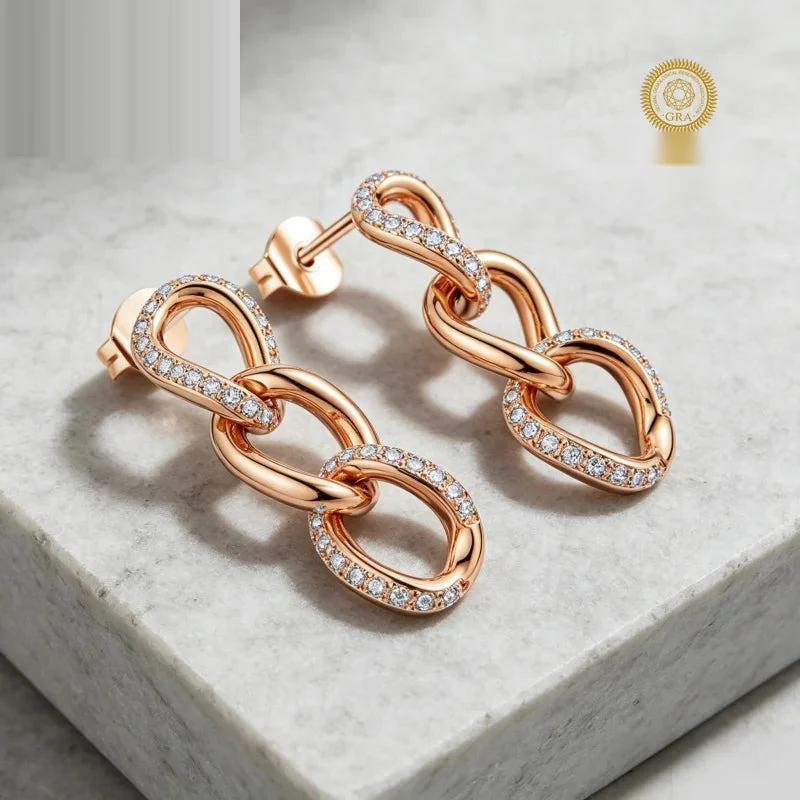
Wedding palettes change every year, but a small set of tones never misses: warm gold, soft rose gold, ivory pearl, clear crystal, and muted blush. These complement cream, sage, terracotta, navy, and black guest dresses without clashing. Reserve bold colors—emerald, ruby, sapphire—for a smaller trend-forward section, because they only work for shoppers who already own a matching dress.
Metallics outsell colored stones in this category, because guests can pair gold or silver earrings with almost anything in their closet. That repeat-wear promise is exactly what a buyer paying for a one-event outfit wants: they need to feel the purchase was worth it beyond Saturday.
Price Point Strategy
Most wedding-guest shoppers are not treating earrings as a keepsake. They want something that looks expensive, feels comfortable, and costs less than their dress. A sweet spot between $15 and $35 retail moves the fastest. Stock the bulk of your range there, with a few $45 premium pairs for buyers who want a step up and a handful of $9 impulse studs for last-minute shoppers.
Because these are budget earrings, plating quality and earwire comfort matter more than material rarity. Hypoallergenic posts are essential—guests wear earrings for eight-plus hours, and nickel irritation during a toast is a memorable complaint you do not want in reviews.
Merchandize the Occasion
Label a section clearly as "Wedding Guest Ready" rather than letting these pairs sit in a general earring wall. Use simple props: a fabric swatch in a popular dress color, a small invitation card, a sprig of greenery. The point is to help a harried shopper picture the earrings on themselves at the event. A quick styling card showing "gold drops with a navy dress" or "pearl studs with a floral midi" removes decision fatigue.
Time your stock for six weeks before each wedding-season peak. Many guests shop two to four weeks out, and the panic-buyers arrive in the final week. Having fresh stock right before that rush means you sell through without holding inventory through the off months.
Beyond the Single Pair
Wedding guests often attend more than one event in a season. Offer a small "two pairs, bundled" option—a classic stud plus a dressy drop—at a slight discount. This raises your average order value and gives the buyer a solution they will actually use more than once. Repeat buyers from one wedding season become your regulars the next year, especially if you collect emails and remind them when the next season's styles arrive.
Coordinating With Guest Dress Colors
A buyer standing in front of your earring wall often already knows what dress she bought. The most helpful thing you can do is show her how the earring color interacts with her fabric. Gold pairs beautifully with ivory, cream, navy, and black; silver or clear crystal reads best with cool tones and pale pastels; rose gold warms up blush, terracotta, and emerald. Keep a few fabric swatches or printed color cards beside the earring display so she can match instantly. This small touch cuts decision time in half and prevents the common return reason: "the metal looked different against my dress than it did on screen."
Because wedding guests buy with an event date in mind, shipping speed and clear delivery estimates matter as much as the product itself. Promising reliable arrival before the event converts more browsers than any discount, because a guest would rather pay five dollars more and be sure the earrings land on time. Make that promise clearly visible on every single product listing, and watch your overall checkout rates climb well above your usual online average.
The history and conventions of engagement rings are outlined in the Wikipedia entry on engagement rings.
Related reading: Earrings for Wedding Guests: Affordable Styles That Fit, Ear Cuffs and Ear Jackets: The No-Piercing Earrings to Stock, Festival Hair Accessories: What Buyers Stock for Concert Season.
Frequently Asked Questions
What ring sizes can you supply in bulk?
US sizes 5–12 including half sizes. Send a size breakdown with your order and we cast to that curve; comfort-fit inner bands reduce resize requests.
Can I order a mixed size run instead of one size?
Yes. Mixed runs are standard for wholesale: specify quantity per size and we pack and label by size at no extra labor cost.
What is the MOQ for custom ring designs?
50 pieces per design for existing molds; 100–300 pieces when a new mold or CAD model is required.
How should I price rings for retail margin?
Most partners use a 3–4x markup on FOB cost for sterling and 2.5–3x for moissanite solos, which keeps landed cost under 30% of retail.