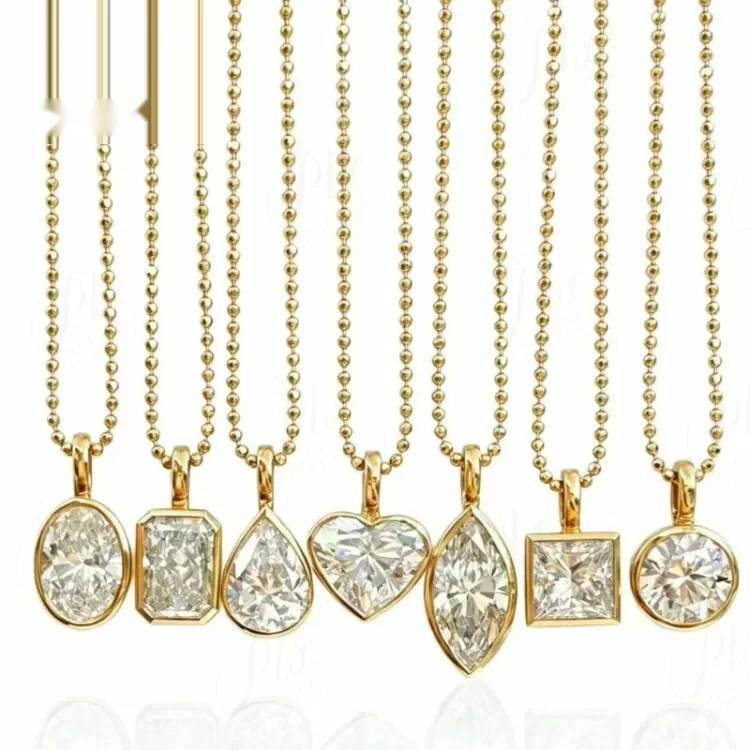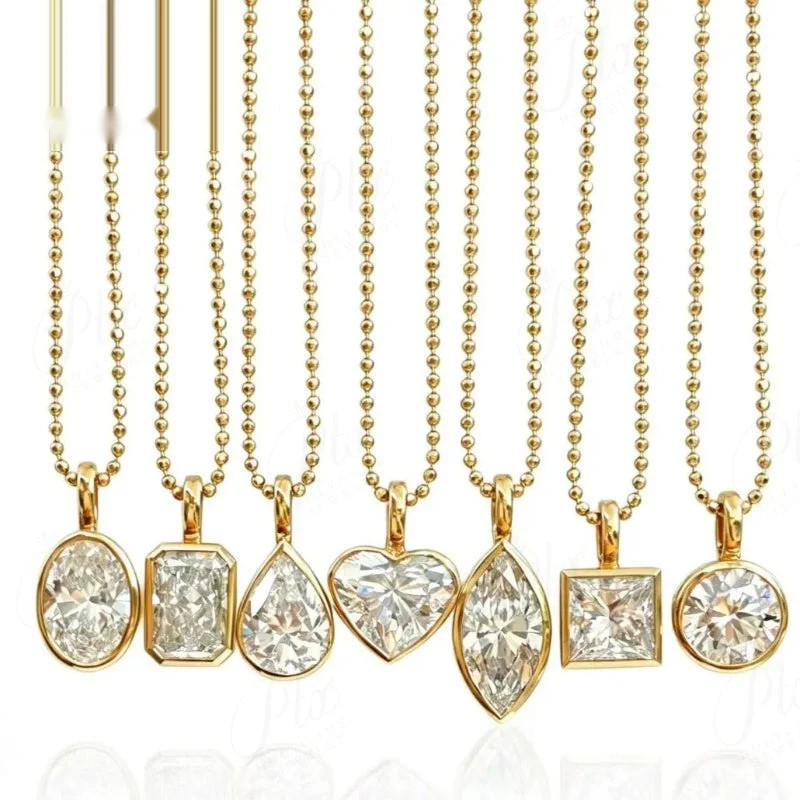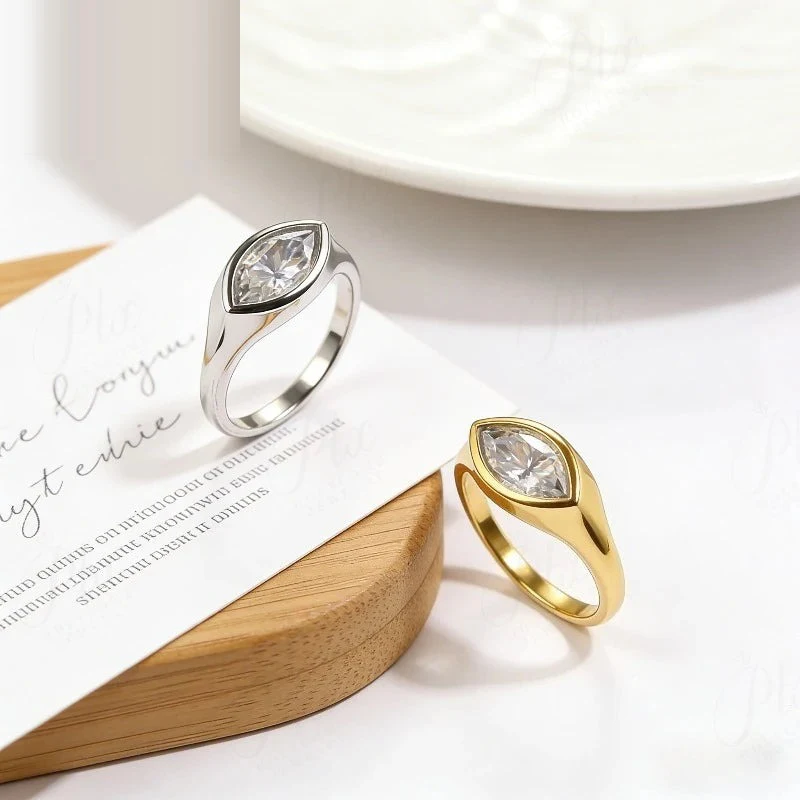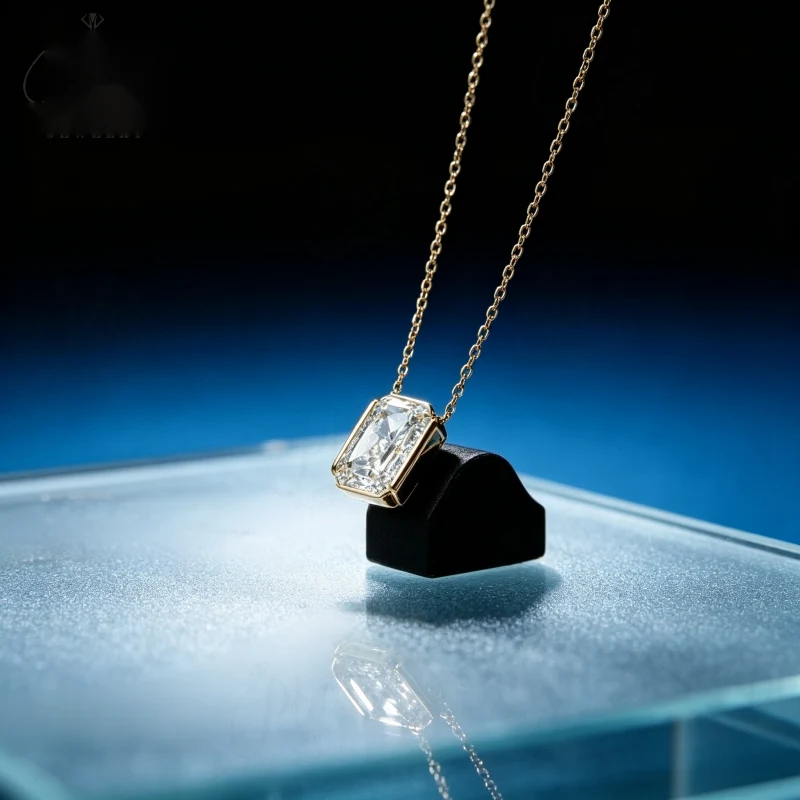
Shape choice quietly drives how much a moissanite ring sells for, how big it looks on the finger, and how often it gets returned for a different size. For wholesale buyers stocking moissanite, understanding the cut families is half the buying decision. Below we walk through the shapes suppliers most commonly offer, who buys each one, and which stock turns fastest.
Round brilliant: the default that never fails
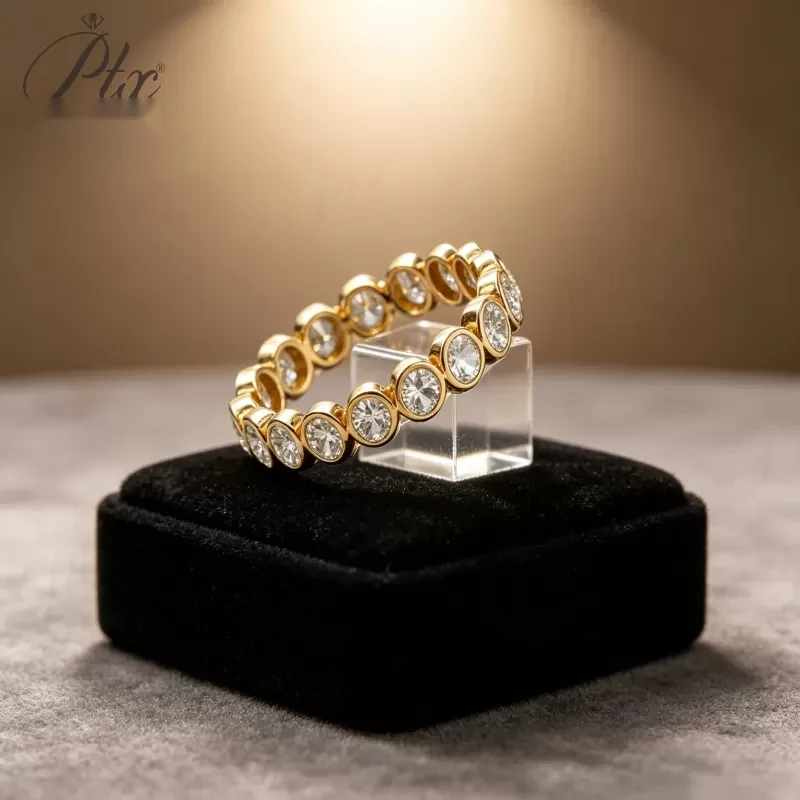
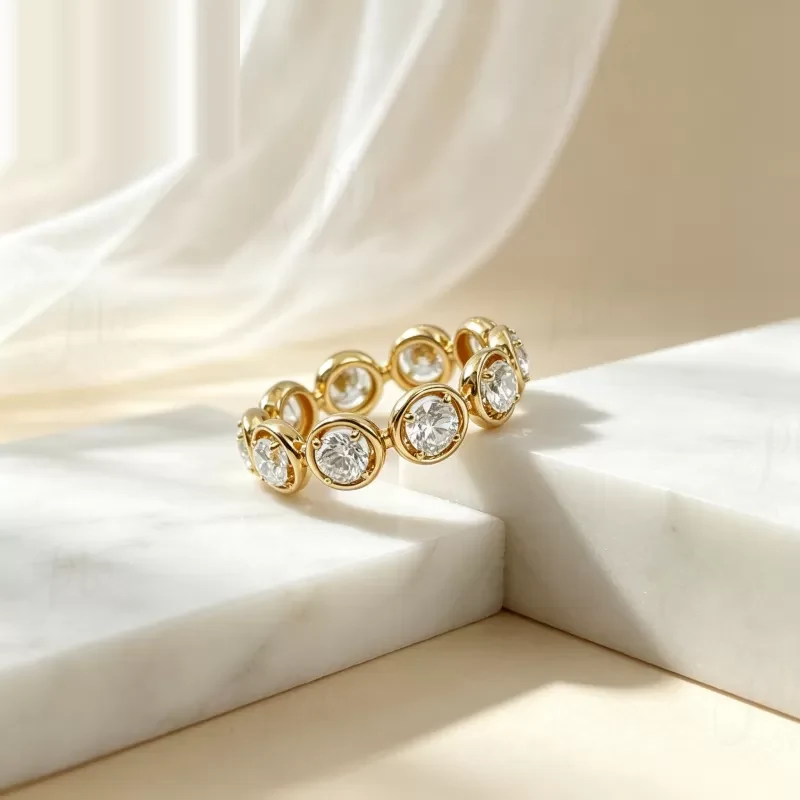
The round brilliant cut accounts for the majority of moissanite sales in the bridal segment. It is the shape shoppers already picture when they imagine an engagement ring, which means it photographs well, sizes well in solitaire settings, and needs the least explanation at the counter. Moissanite performs especially well as a round stone because its higher refractive index spreads light into flashes of color that a smaller round diamond cannot match at the same price point. If you are opening a new moissanite line and only want to commit to one shape, start with round.
Oval: elongation on a budget
Oval moissanite has pulled ahead of every other fancy shape in the last two seasons. Buyers love it because an oval looks roughly 15 to 20 percent larger than a round of the same carat weight, thanks to the elongated outline. That visual size is exactly what social media shoppers are chasing. When you stock ovals, pay attention to the bowtie effect, which is a darker band across the center of poorly cut ovals. Reputable manufacturers cut ovals to minimize it, and that quality difference shows up in repeat orders.
Pear and marquise: personality cuts
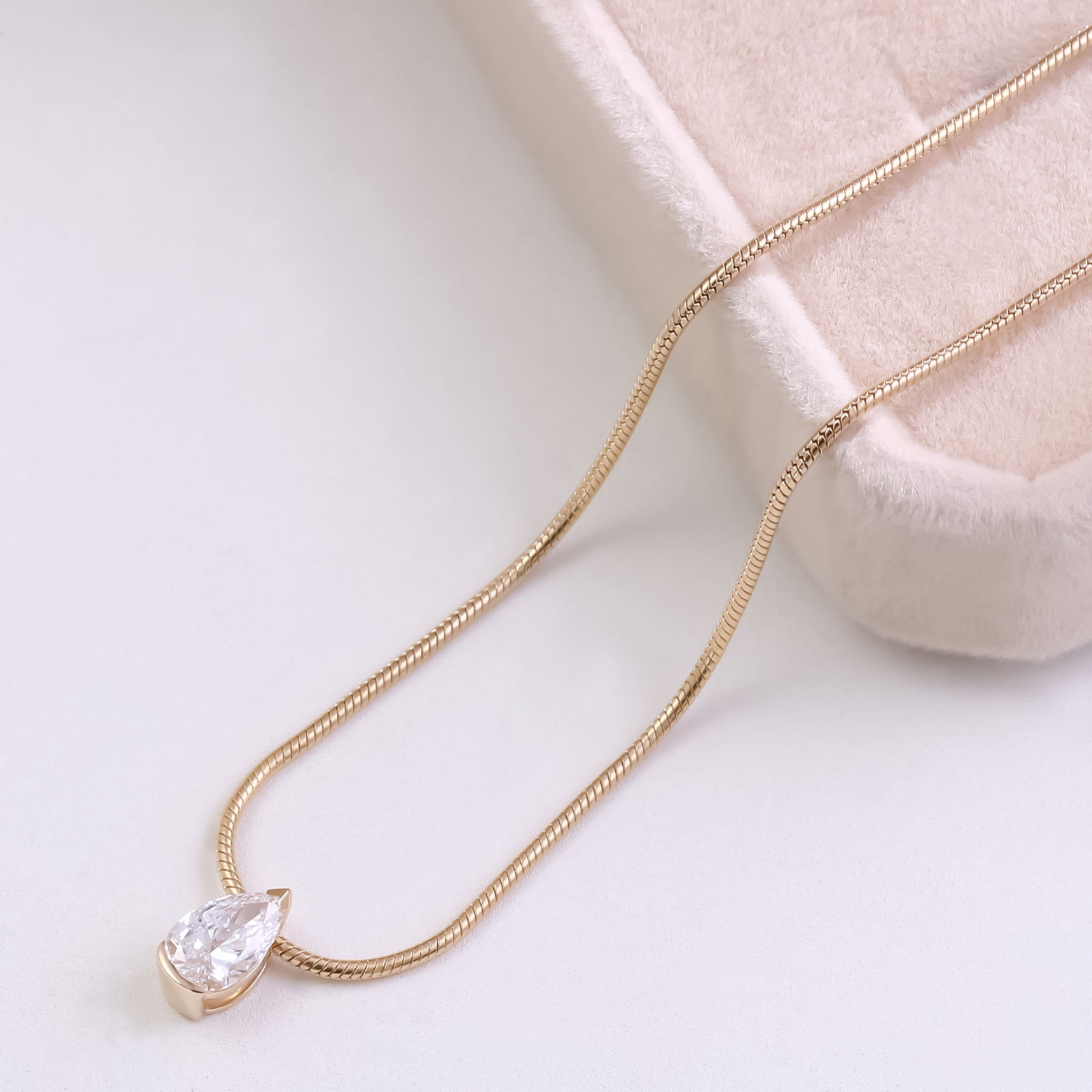
Pear and marquise shapes carry a stronger fashion signal. They suit shoppers who want something less conventional and photograph beautifully on slender fingers. Marquise stones elongate the hand dramatically, while a pear cut can be worn point-up or point-down depending on the setting. These shapes move slower than rounds and ovals, but they also carry less price competition online, so they can be a healthy margin play for boutiques rather than marketplace sellers.
Cushion and radiant: soft and structured
Cushion cuts soften the corners and read as vintage-inspired, which pairs naturally with halo settings and yellow gold. Radiant cuts keep the square outline but carry triangular facets that produce a modern, crisp sparkle. Both shapes work well in moissanite because the stone's fire is distributed evenly across a larger flat surface. Stock cushion if your customer skews bridal-romantic; stock radiant if she skews contemporary.
Emerald and asscher: step-cut caution
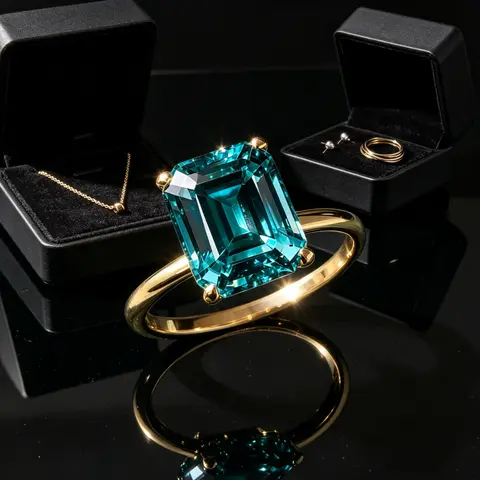
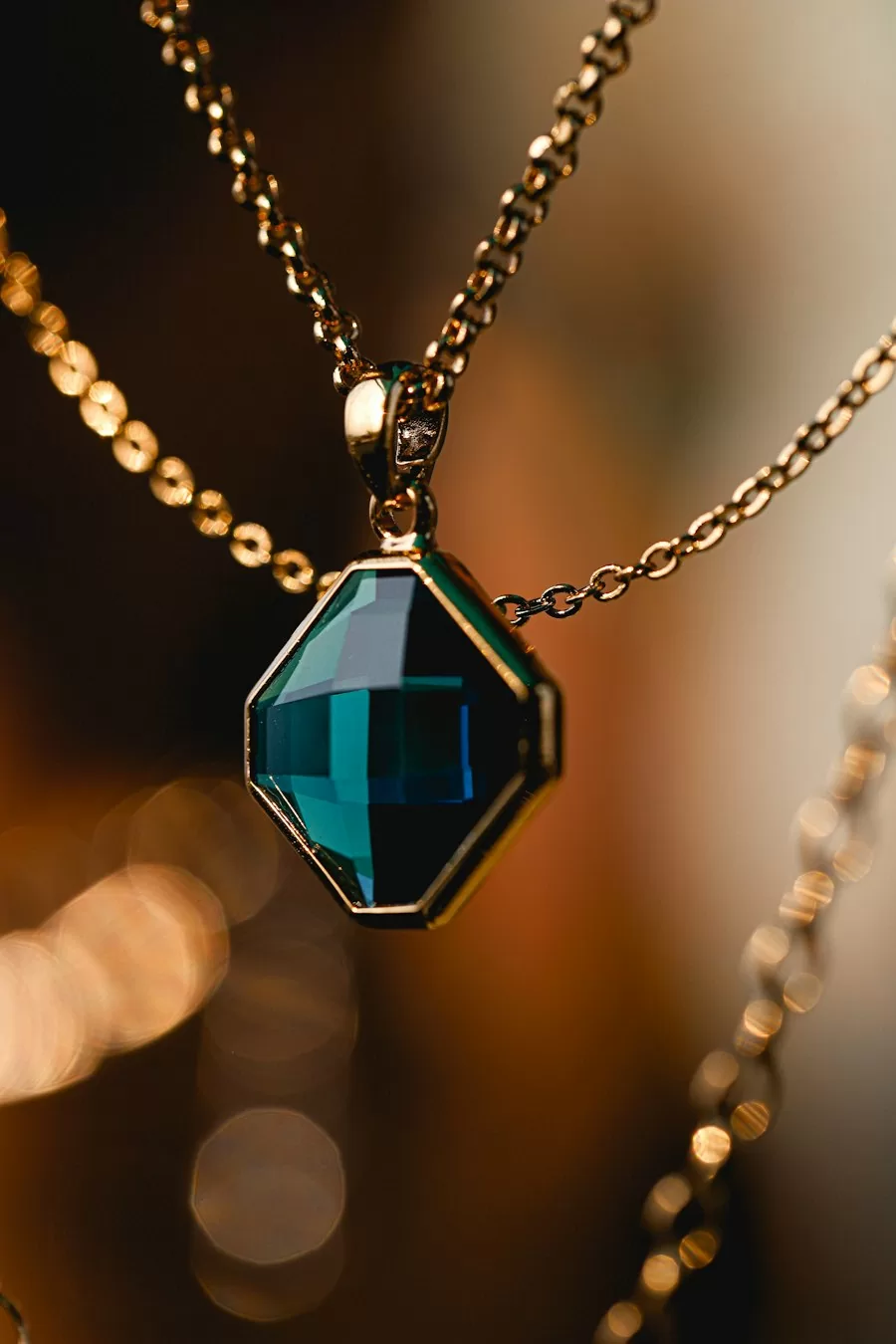
Step-cut shapes like emerald and asscher demand a cleaner stone because open faceting shows every inclusion. Moissanite is nearly always eye-clean at commercial grades, so these shapes actually photograph better here than they do in low-clarity diamonds. However, step cuts hide less color, and because moissanite carries a faint warm tint in lower grades, buyers should order step-cut stones in the whiter color tiers to avoid a yellowish window.
Princess and other square brilliants
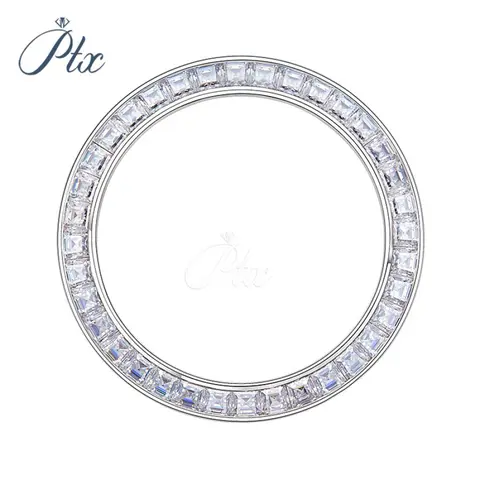
Princess cuts remain a workhorse for budget bridal sets and men's signet styles. They are cheaper to produce than rounds, which lets you price a square moissanite ring competitively against cubic zirconia alternatives while still marketing it as a premium stone.
Fancy shapes and the premium they command
When shoppers trade up from a round to an oval or pear, they are usually buying the illusion of size, not the carat itself. That illusion is measurable: a 1 carat oval can visually match a 1.3 carat round on the same finger. Resellers who understand this can price an oval slightly above a round of equal carat weight and customers will accept it, because the perceived upgrade is obvious. Beveled or "french tip" ovals, where the side edges are softened, read as more expensive than a sharply pointed oval, so they justify a higher retail price.
Cut quality signs to inspect on samples
Ask the supplier to send flat-lay photos of each shape under a daylight lamp. A well-cut stone shows a bright central window and even light return across the table. A poorly cut stone looks dark in the center or has a heavy bowtie that swallows sparkle. Because moissanite is sold by carat weight like diamond, a cheap factory can undercut pricing by selling poorly proportioned stones that weigh the same but look smaller. The flat-lay photo is your cheapest defense against that.
Shape mix strategy for resellers
A practical starter mix is roughly half round, a quarter oval, and the remainder split across cushion, pear, and princess. Track which shape gets inquiries, then double down on the winner next season. Read our guide to moissanite color, clarity and cut grades before placing your first bulk order, and pair it with moissanite vs diamond talking points your sales team can use on the floor.
For third-party reference, the Wikipedia article on moissanite details moissanite’s discovery, optical properties and use in jewellery.
Frequently Asked Questions
Is moissanite a good diamond alternative for retail buyers?
Yes for price-sensitive customers who want brilliance and hardness. Moissanite ranks 9.25 on the Mohs scale, holds up to daily wear and costs a fraction of a natural diamond of the same size, so it resells fast in bridal and fashion lines.
What is the minimum order for wholesale moissanite?
MOQ starts at 50 pieces per design for stock items. Custom cuts and private-label settings usually start at 100–300 pieces depending on the mold.
Do you provide certificates with moissanite stones?
Yes. Every parcel ships with GRA or IGI documentation listing carat weight, color grade and cut. We recommend passing the certificate to your end customer for trust.
How long does sample and bulk production take?
Samples ship in 3–5 days. Bulk runs take 15–20 days under 500 pieces, and 25–30 days for custom work.